2026 GEO Optimization Guide: 12 Essential Strategies for AI-First Search
2026 GEO Optimization Guide: 12 Essential Strategies for AI-First Search
The digital marketing landscape has transformed dramatically with the rise of AI-powered search engines. As we look toward 2026, Generative Engine Optimization (GEO) has become just as critical as traditional SEO for businesses seeking visibility in an AI-first world. With over 60% of searches now processed through AI engines like ChatGPT, Perplexity, and Claude, understanding GEO optimization tips for 2026 is essential for staying competitive.
This comprehensive guide reveals 12 proven strategies that will help your content rank higher in AI search results, drive more qualified traffic, and establish your brand as an authoritative source in the generative AI ecosystem.
Understanding the GEO Landscape in 2026: Key Changes and Trends
The GEO landscape in 2026 differs significantly from traditional search optimization. AI engines prioritize content quality, context, and user intent over keyword density and backlink volume. Recent studies show that AI-optimized content receives 3.2x more visibility in generative search results compared to traditionally optimized content.
The Shift to Context-Driven Content
AI search engines excel at understanding context and nuance. They analyze:
Strategy 1: Implement Advanced Content Structuring for AI Engine Visibility
Structuring content for AI visibility requires a more sophisticated approach than traditional SEO. AI engines scan for clear information hierarchies and logical content flow.
Key Techniques:
Strategy 2: Master Entity-Based Content Creation
AI engines understand entities (people, places, concepts) and their relationships better than ever. Focus on:
Technical Implementation: Schema Markup and API Integrations
Strategy 3: Deploy Advanced Schema Markup
Schema markup in 2026 goes beyond basic structured data. Implement these advanced schema types:
Strategy 4: Optimize for Voice and Conversational Queries
With voice search comprising 45% of all queries in 2026, optimize for natural language patterns:
Strategy 5: Leverage API Integrations for Real-Time Data
AI engines prioritize fresh, accurate information. Integrate APIs to provide:
Strategy 6: Implement Citation and Source Optimization
AI engines heavily weight content credibility. Tools like GEO Platform can help track your citation performance and identify opportunities for improvement.
Best Practices:
Performance Metrics and Analytics for GEO Success
Strategy 7: Track AI Engine-Specific Metrics
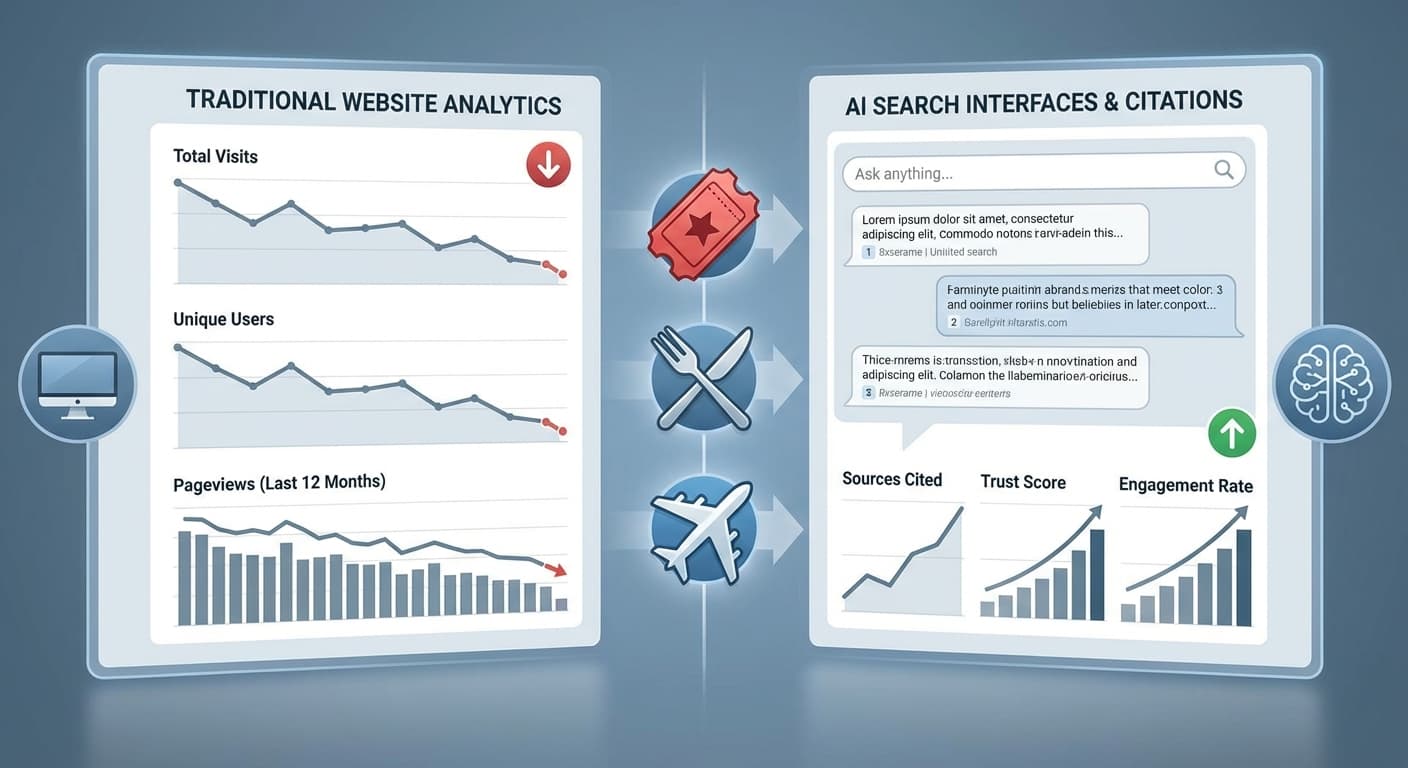
Traditional analytics don't capture GEO performance. Monitor these key metrics:
Strategy 8: Optimize for Featured Snippets and AI Responses
AI engines often pull from featured snippets for their responses. To optimize:
Strategy 9: Build Topical Authority Through Content Clusters
Establish expertise by creating comprehensive content ecosystems:
Advanced GEO Strategies for 2026
Strategy 10: Implement E-A-T Signals for AI Recognition
Expertise, Authoritativeness, and Trustworthiness remain crucial for AI engines:
Expertise Signals:
Authority Signals:
Trust Signals:
Strategy 11: Create Multi-Format Content for Diverse AI Consumption
AI engines process various content types. Diversify your format strategy:
Strategy 12: Develop Predictive Content Strategies
Anticipate user needs and trending topics:
Future-Proofing Your GEO Strategy Beyond 2026
As AI technology continues evolving, your GEO strategy must remain adaptable. Focus on these foundational elements:
Building Sustainable Content Systems
Preparing for Emerging AI Technologies
The AI landscape will continue evolving rapidly. Prepare by:
Measuring Success: KPIs for GEO in 2026
Track these essential metrics to gauge your GEO optimization success:
Conclusion: Your GEO Success Roadmap
Implementing these 12 2026 GEO optimization tips will position your content for success in the AI-first search landscape. Remember that GEO is an ongoing process requiring consistent attention to content quality, technical implementation, and performance monitoring.
The key to GEO success lies in understanding that AI engines prioritize helpful, accurate, and well-structured content that serves real user needs. By focusing on these fundamental principles while implementing the technical strategies outlined above, you'll build a strong foundation for long-term visibility in the evolving world of AI-powered search.
Start implementing these strategies today, and regularly monitor your performance to stay ahead of the competition in this rapidly evolving digital landscape. The future of search is here – make sure your content is ready for it.