AI Search Copyright Compliance: Protecting Your Content When Cited Without Attribution
AI Search Copyright Compliance: Protecting Your Content When Cited Without Attribution
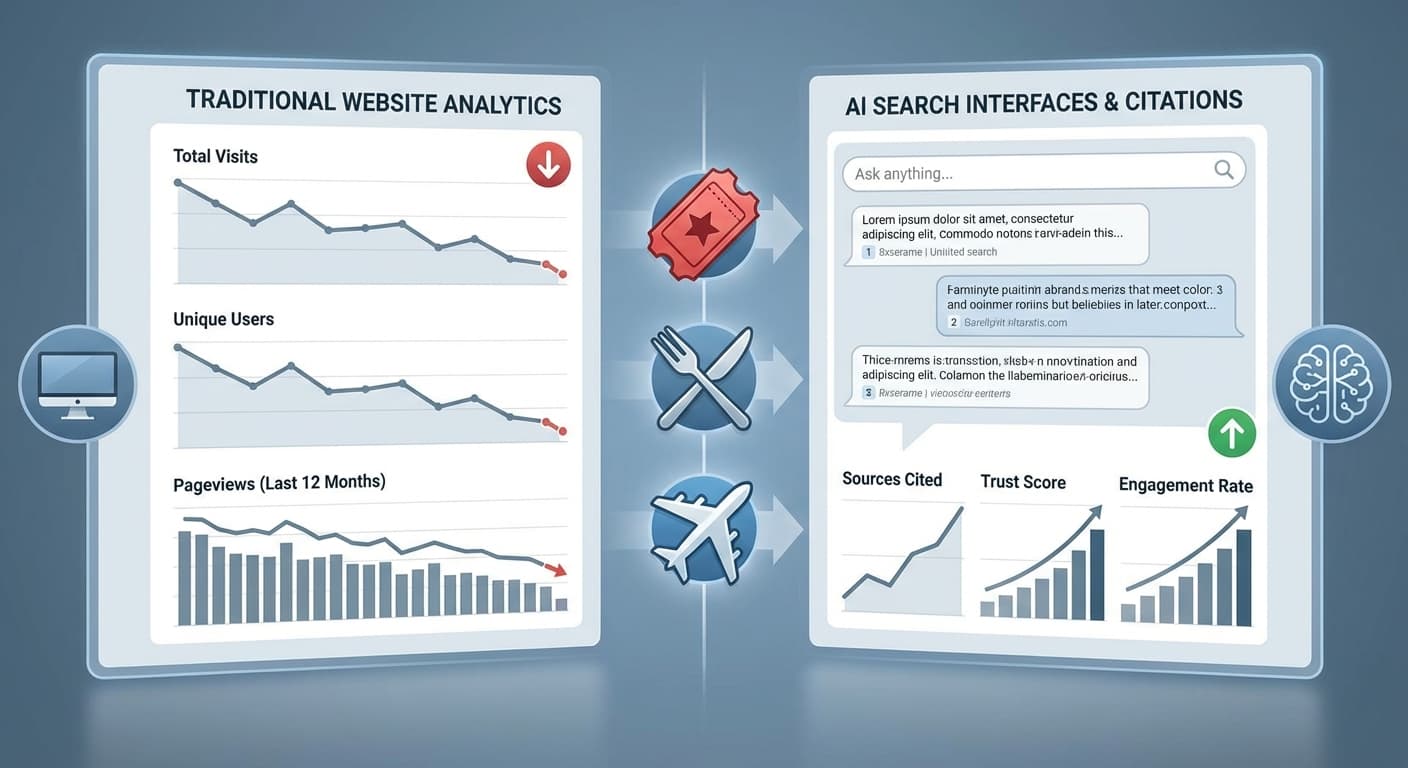
With AI search engines now processing over 45 billion queries monthly in 2026, content creators face an unprecedented challenge: their work is being cited, summarized, and redistributed without proper attribution or compensation. As ChatGPT, Perplexity, Claude, and Gemini reshape how people discover information, a complex web of copyright concerns has emerged that every content creator must navigate.
Recent studies show that 73% of content cited by AI search engines lacks proper attribution to the original source, creating a massive grey area for creators who invested time and resources into producing valuable content. Meanwhile, new platform-specific licensing requirements are forcing businesses to rethink their content distribution strategies entirely.
The Current State of AI Search Copyright in 2026
The landscape has shifted dramatically since major AI platforms began implementing stricter content policies. Here's what content creators are facing:
Platform-Specific Licensing Requirements
ChatGPT's Publisher Partnership Program now requires explicit licensing agreements for content to be cited with full attribution. Without these partnerships, content may be referenced generically as "according to industry sources" rather than receiving proper credit.
Perplexity's Citation Standards have evolved to include mandatory source linking, but only for content that meets their "Authority Score" threshold - leaving smaller creators often uncredited.
Claude's Fair Use Framework applies stricter interpretation of copyright law, sometimes refusing to cite content that hasn't explicitly opted into their "Citable Content" program.
Gemini's Attribution Engine uses AI to determine whether content should be cited based on originality scores and source credibility metrics.
The Attribution Gap
Current data reveals alarming trends:
Understanding Your Rights in the AI Citation Ecosystem
Copyright Protection Basics
Your content is automatically protected by copyright the moment you create it. This includes:
However, fair use provisions allow AI engines to reference factual information and brief excerpts for educational or informational purposes.
Platform-Specific Policies You Need to Know
OpenAI (ChatGPT): Requires content creators to submit DMCA takedown requests for unauthorized substantial use. They've introduced a "Creator Credit System" in 2025 that content owners must actively join.
Anthropic (Claude): Offers an "Attribution Preference Center" where creators can specify how they want their content cited, but participation is voluntary for the AI system.
Google (Gemini): Integrates with existing Google Search Console, allowing publishers to set citation preferences through their existing webmaster tools.
Perplexity: Has launched a revenue-sharing program with select publishers but requires exclusive content licensing agreements.
Strategies for Protecting Your Content Rights
1. Implement Proactive Attribution Markup
Structure your content to make attribution easier for AI systems:
2. Leverage Platform Partnership Programs
While not all creators qualify for major partnership programs, smaller opportunities exist:
3. Monitor Your Content's AI Citations
Regular monitoring helps you understand how your content is being used:
Citescope Ai's Citation Tracker specifically monitors when your content appears in ChatGPT, Perplexity, Claude, and Gemini responses, giving you real-time visibility into how AI engines are using your work.
4. Optimize Content for Proper Attribution
Make your content more likely to receive proper credit:
Legal Frameworks and Compliance Requirements
The EU AI Act and Content Rights
The EU's AI Act, fully enforced since late 2025, requires:
US Copyright Office Guidelines
New guidance issued in 2025 clarifies:
Platform-Specific Legal Obligations
Each major AI platform now operates under different legal frameworks:
High Attribution Requirement: Perplexity, Claude
Medium Attribution Requirement: ChatGPT, Gemini
Developing Standards: Smaller AI search platforms
Building an AI-Compliant Content Strategy
Content Creation Best Practices
Distribution Strategy
Enforcement Protocols
Develop a systematic approach to protecting your rights:
How Citescope Ai Helps Navigate Copyright Compliance
Citescope Ai addresses the unique challenges of AI search copyright compliance through several key features:
Citation Tracking: Monitor exactly when and how your content appears in AI responses across ChatGPT, Perplexity, Claude, and Gemini. Get alerts when your content is cited so you can verify proper attribution.
GEO Score Analysis: Our Authority dimension specifically evaluates how well your content establishes credibility and ownership, helping you optimize for proper attribution.
AI Rewriter Optimization: Restructure your content to be more likely to receive proper citations while maintaining your unique voice and insights.
Multi-Platform Monitoring: Track your content's performance across all major AI search engines from one dashboard, making copyright compliance monitoring manageable.
Future-Proofing Your Content Strategy
Emerging Trends to Watch
Preparing for 2027 and Beyond
Stay ahead of the curve by:
Ready to Optimize for AI Search?
Navigating AI search copyright compliance doesn't have to be overwhelming. Citescope Ai provides the tools you need to monitor, optimize, and protect your content across all major AI search platforms. Our Citation Tracker gives you real-time visibility into how your content is being used, while our GEO Score helps you optimize for proper attribution.
Start protecting your content rights today with our free tier - track up to 3 content pieces per month and see exactly how AI engines are citing your work. Ready to scale? Our Pro plan ($39/month) offers comprehensive monitoring and optimization tools for serious content creators.
Try Citescope Ai free today and take control of your content's AI search presence.