Best Software to Get Seen by ChatGPT: 7 Tools That Actually Work in 2026

Best Software to Get Seen by ChatGPT: 7 Tools That Actually Work in 2026
With over 600 million weekly active ChatGPT users and AI search accounting for 35% of all online queries in 2026, getting your content discovered by AI systems has become essential for digital visibility. Yet 73% of businesses still struggle to optimize their content for AI engines like ChatGPT, Claude, and Perplexity.
If your content isn't showing up in AI-generated responses, you're missing out on millions of potential readers, customers, and opportunities. The good news? The right software can dramatically improve your AI visibility in just weeks.
Why AI Visibility Matters More Than Ever
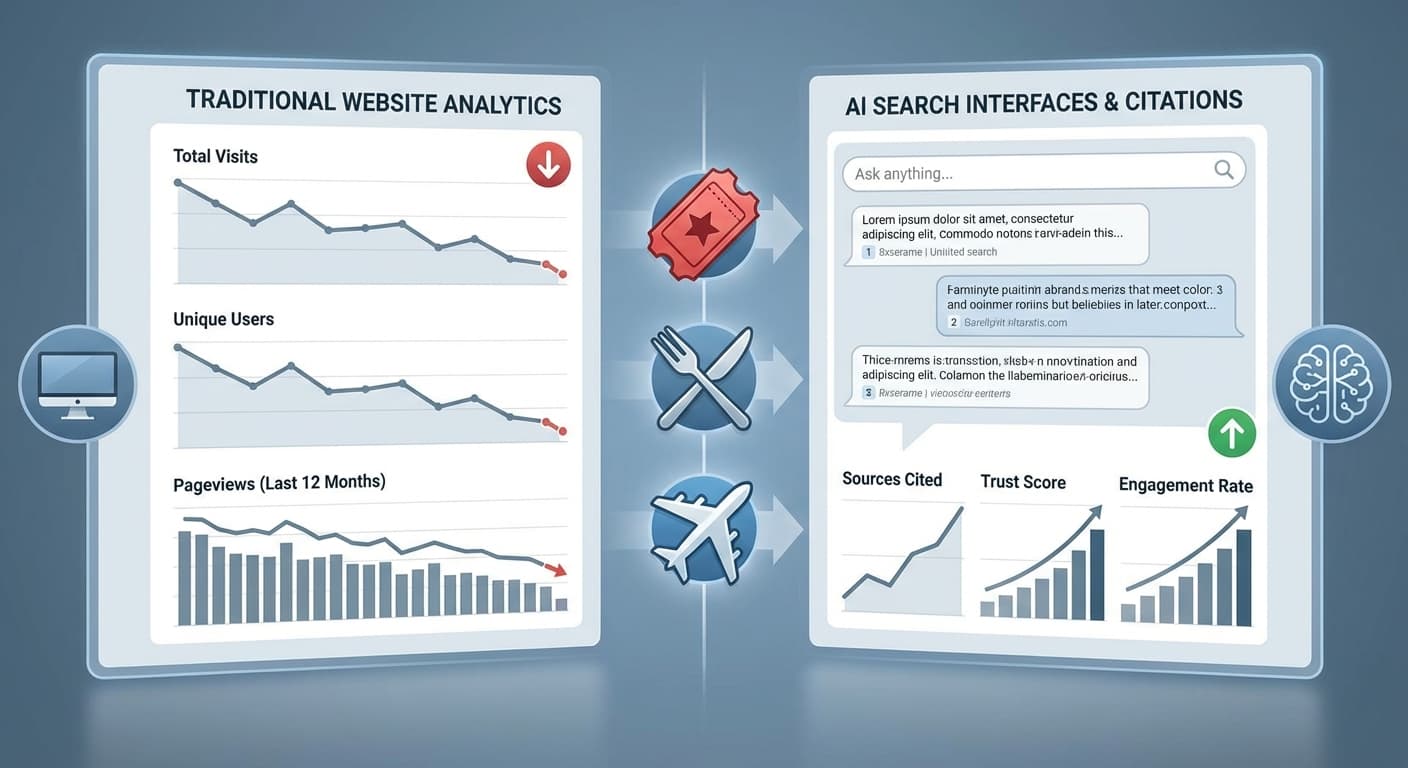
AI search has fundamentally changed how people discover content. Unlike traditional Google searches that show a list of links, AI engines provide direct answers sourced from the most relevant, authoritative content online. When ChatGPT cites your article or Perplexity references your research, you gain:
The challenge? AI engines evaluate content differently than search engines. They prioritize semantic richness, conversational tone, structured data, and factual accuracy over traditional SEO signals.
7 Best Software Tools for ChatGPT Visibility
1. Citescope AI - Complete AI Search Optimization Suite
Citescope is the only tool specifically designed for AI search optimization and citation tracking. Its GEO Score analyzes your content across five critical dimensions: AI Interpretability, Semantic Richness, Conversational Relevance, Structure, and Authority.
Key Features:
Best For: Content creators, marketers, and businesses serious about AI visibility
Pricing: Free tier (3 optimizations/month), Pro ($39/mo), Enterprise ($99/mo)
2. Jasper AI - Content Creation and Optimization
Jasper has evolved beyond content generation to include AI-friendly formatting and structure optimization. Its 2026 updates include specific templates for creating content that AI engines prefer to cite.
Key Features:
Best For: Teams creating high-volume content
Pricing: Starting at $49/month
3. Copy.ai - Conversational Content Creation
Copy.ai's strength lies in creating naturally conversational content that AI engines find easy to interpret and cite. Their "AI-First" writing mode specifically optimizes for AI comprehension.
Key Features:
Best For: Small businesses and solopreneurs
Pricing: Free tier available, paid plans from $36/month
4. Surfer SEO - Traditional SEO Meets AI Optimization
While primarily an SEO tool, Surfer's 2025 updates include AI readiness scoring and optimization suggestions specifically for AI engines.
Key Features:
Best For: SEO professionals expanding into AI optimization
Pricing: Starting at $89/month
5. Clearscope - Semantic Content Optimization
Clearscope excels at semantic optimization, helping your content match the language patterns AI engines expect when sourcing information.
Key Features:
Best For: Enterprise content teams
Pricing: Starting at $170/month
6. MarketMuse - Content Intelligence Platform
MarketMuse uses AI to analyze content gaps and optimization opportunities, with recent updates focusing on AI engine preferences.
Key Features:
Best For: Large content operations
Pricing: Custom pricing, typically $1,500+/month
7. Frase - Question-Based Content Optimization
Frase specializes in question-based content creation, which aligns perfectly with how AI engines process and cite information.
Key Features:
Best For: Content creators focusing on FAQ and educational content
Pricing: Starting at $45/month
Essential Features to Look For
When choosing software for AI visibility, prioritize tools that offer:
AI-Specific Analytics
Content Structure Optimization
Multi-Platform Integration
Optimization Strategies That Work
Regardless of which tool you choose, follow these proven strategies:
1. Write in Question-Answer Format
AI engines love content that directly answers specific questions. Structure your articles with clear questions as headings and comprehensive answers below.
2. Include Authoritative Sources
Cite recent, credible sources throughout your content. AI engines are more likely to reference and cite well-sourced material.
3. Use Conversational Language
Write as if you're explaining the topic to a colleague. Avoid overly technical jargon unless necessary for your audience.
4. Optimize for Semantic Search
Use related terms and synonyms naturally throughout your content. AI engines understand context and semantic relationships.
5. Structure for Scannability
How Citescope Helps You Dominate AI Search
While other tools focus on traditional SEO or general content optimization, Citescope is purpose-built for AI search success. Here's how it gives you an unfair advantage:
GEO Score Analysis: Get instant feedback on how well your content aligns with AI engine preferences across five critical dimensions.
One-Click Optimization: The AI Rewriter automatically restructures your content for maximum AI visibility without losing your unique voice.
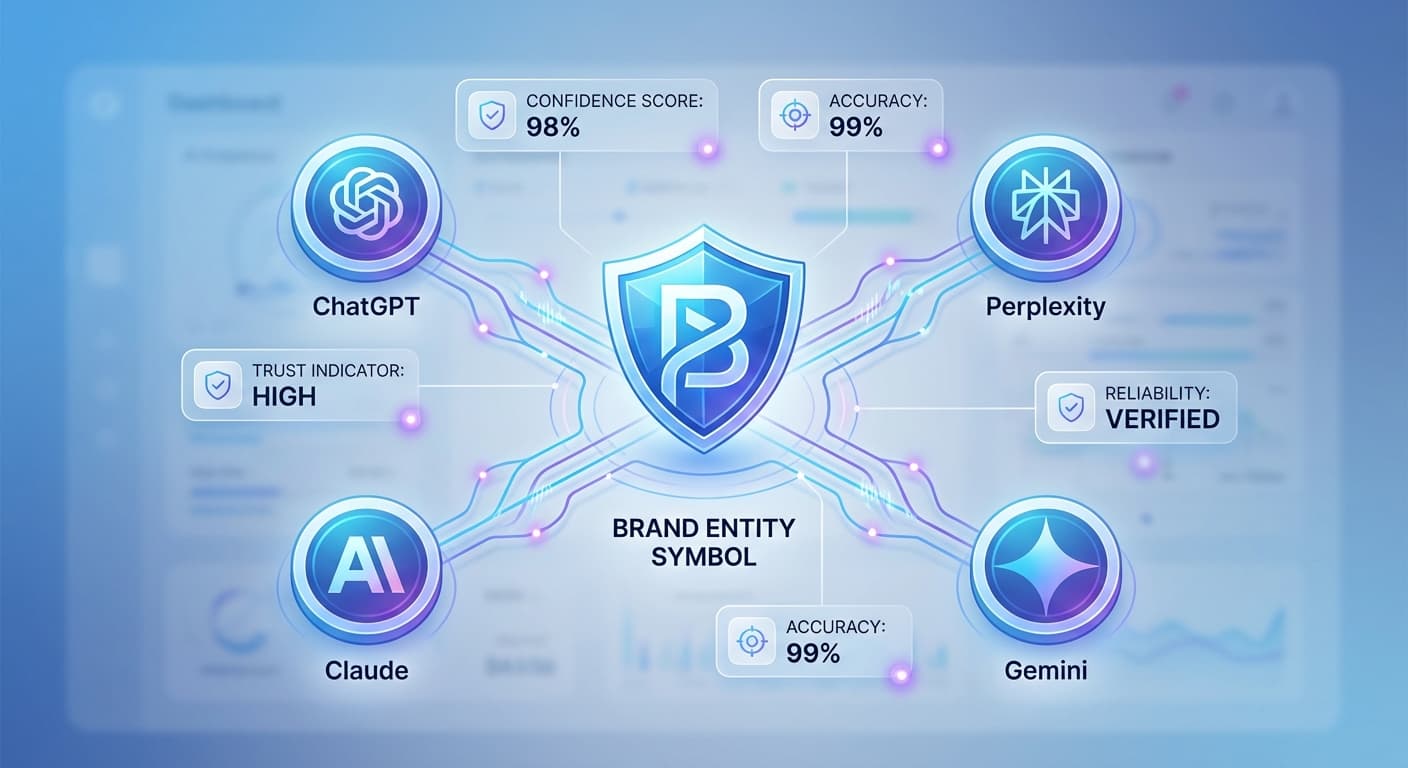
Citation Tracking: Know exactly when ChatGPT, Perplexity, Claude, or Gemini cite your content, allowing you to double down on what works.
Multi-Format Export: Seamlessly integrate optimized content into your existing workflow with WordPress blocks, HTML, or Markdown exports.
Measuring Your AI Visibility Success
Track these key metrics to measure your progress:
The most successful brands in 2026 are those that started optimizing for AI visibility early. With AI search continuing to grow rapidly, now is the perfect time to establish your authority in AI-generated responses.
Ready to Optimize for AI Search?
Don't let your competitors dominate AI search results while your content remains invisible to millions of AI users. Citescope makes it easy to optimize your content for ChatGPT, Perplexity, Claude, and Gemini with its comprehensive GEO Score analysis and one-click AI Rewriter.
Start with our free tier and optimize 3 pieces of content this month. See the difference proper AI optimization makes for your visibility and traffic.