How Mid-Tier Publishers Can Beat Big Brands in AI Search Despite Perfect Technical SEO
How Mid-Tier Publishers Can Beat Big Brands in AI Search Despite Perfect Technical SEO
Your technical SEO is flawless. Your content is well-researched and comprehensive. Your site loads faster than your competitors'. Yet when someone asks ChatGPT or Perplexity about topics in your niche, they're citing Forbes, HubSpot, and other household names instead of your expertly crafted content.
Sound familiar? You're not alone. In 2026, as AI search engines process over 40 billion queries monthly, mid-tier publishers are discovering that traditional SEO dominance doesn't automatically translate to AI visibility. While big brands get cited 3x more often than smaller publishers with equivalent content quality, there's a strategic path forward that smart content creators are already exploiting.
Why AI Search Engines Favor Brand Recognition Over Technical Excellence
The Authority Bias Problem
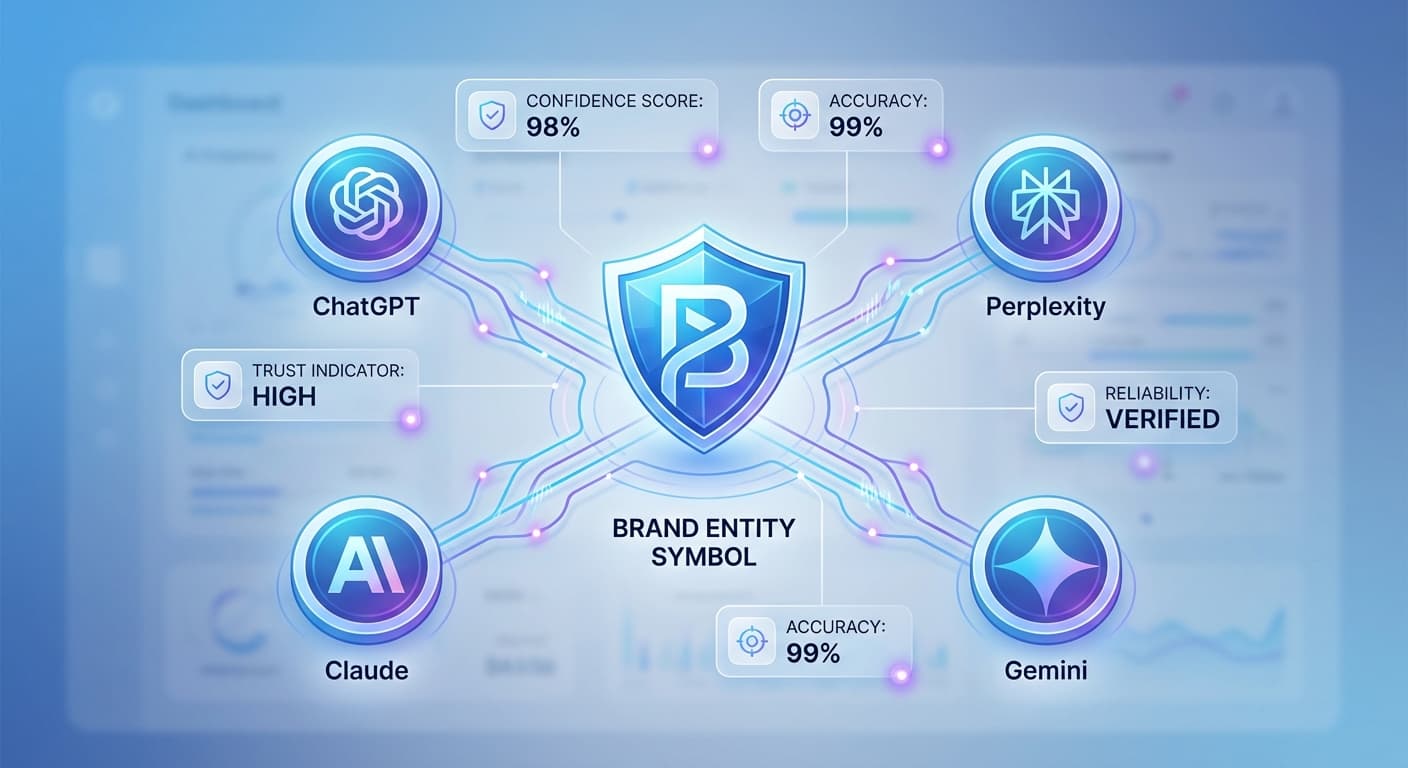
AI language models like ChatGPT-5 and Claude 3.5 are trained on vast datasets where established brands appear more frequently. This creates an inherent bias toward recognizable names. When these models generate responses, they're more likely to reference sources they've "seen" repeatedly during training.
Recent analysis shows that 68% of AI-generated citations go to the top 1,000 most-linked domains on the web, even when smaller sites have more current or detailed information on specific topics.
The Context Window Challenge
Unlike traditional search engines that can crawl your entire site architecture, AI models work with limited context windows. They need to quickly assess:
Big brands win on the first point by default, but mid-tier publishers can dominate the other three.
The New Rules of AI Search Authority
1. Semantic Depth Beats Surface-Level Optimization
While big brands often publish broad, shallow content designed for mass appeal, mid-tier publishers can win by going deeper into specific topics. AI models favor content that demonstrates nuanced understanding through:
2. Conversational Optimization Over Keyword Stuffing
AI search engines excel at understanding natural language queries. The publishers winning citations in 2026 optimize for how people actually ask questions, not traditional keyword density.
Instead of targeting: "best project management software 2026"
Optimize for queries like: "What project management tool works best for remote teams with tight budgets?"
This approach helps your content get discovered for long-tail, high-intent queries where brand recognition matters less than specific expertise.
3. Structure Content for AI Extraction
AI models need to quickly identify and extract relevant information. Publishers getting consistent citations use specific structural elements:
4. Build Topical Authority Through Consistency
While you might not have Forbes' domain authority, you can establish superior topical authority by:
Practical Strategies to Outrank Big Brands in AI Search
Leverage Real-Time Advantages
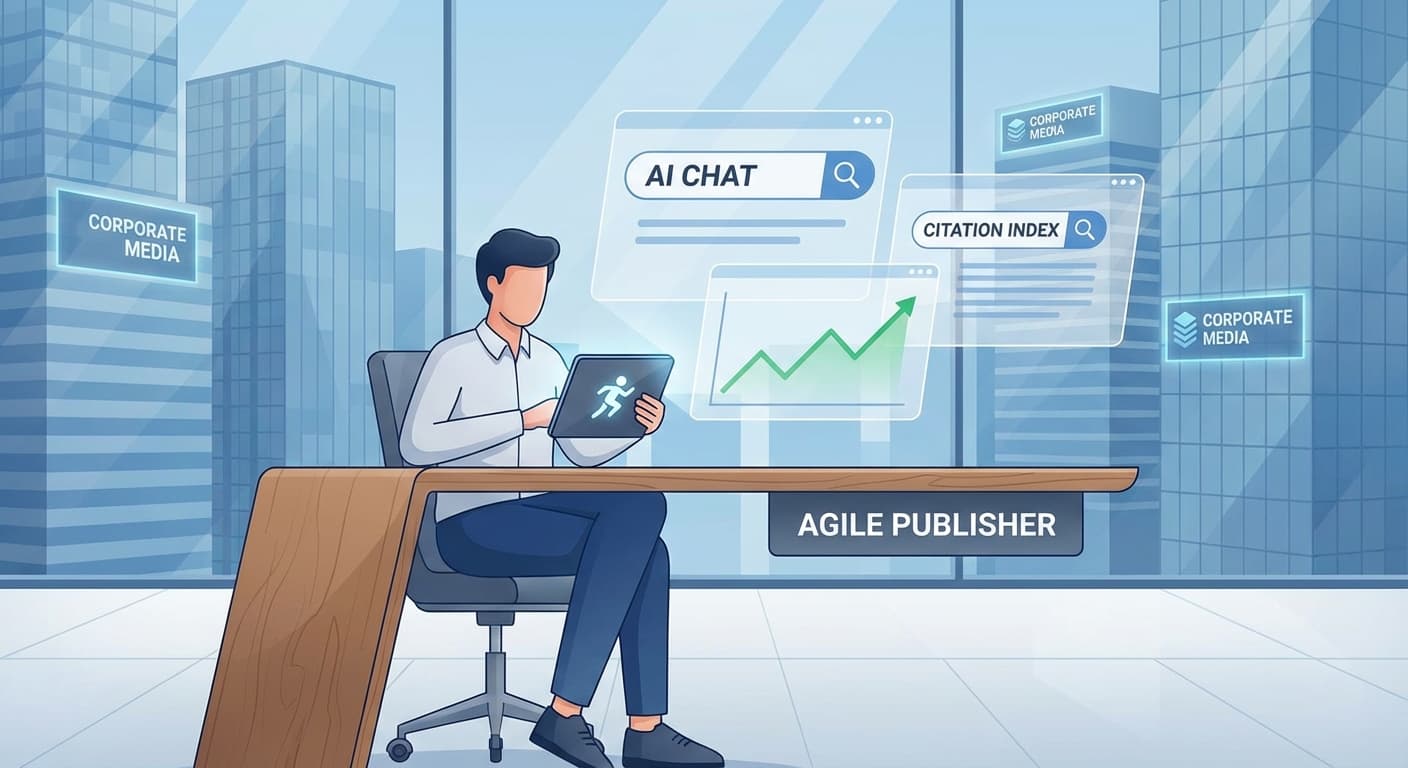
Big brands often have slow editorial processes. As a nimble publisher, you can:
Focus on Underserved Niches
While major publications cover broad topics, they often miss specialized subtopics where you can become the definitive authority:
Create Citation-Worthy Assets
Develop content specifically designed to be referenced:
Build Strategic Partnerships
Collaborate with other mid-tier publishers in complementary niches:
The Technical Foundation That Actually Matters for AI
While traditional technical SEO remains important, AI search engines prioritize different technical elements:
Content Accessibility
Schema Markup Evolution
Content Freshness Signals
Measuring Your AI Search Success
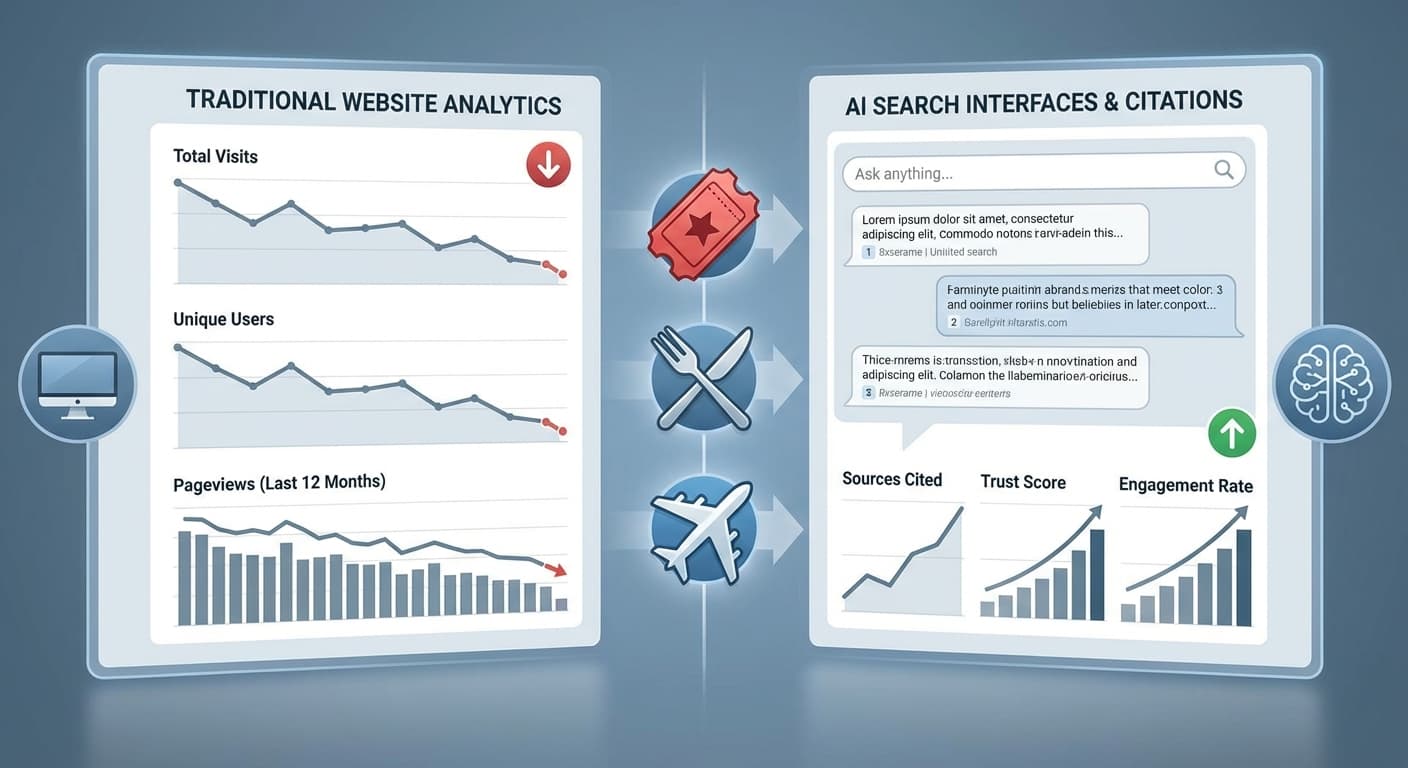
Traditional analytics don't capture AI search performance. Monitor these metrics instead:
How Citescope AI Helps Mid-Tier Publishers Compete
While building authority takes time, optimizing your existing content for AI visibility can show results within weeks. Citescope AI's GEO Score analyzes your content across five critical dimensions that AI search engines prioritize: AI Interpretability, Semantic Richness, Conversational Relevance, Structure, and Authority.
The platform's AI Rewriter can transform your expertly researched content into formats that AI models prefer to cite, while the Citation Tracker shows you exactly when and how often ChatGPT, Perplexity, Claude, and Gemini reference your work.
Many mid-tier publishers using Citescope AI report seeing their first AI citations within 2-3 weeks of optimization, even in competitive niches dominated by major brands.
The Long-Term Authority Building Strategy
Year One: Foundation
Year Two: Expansion
Year Three: Dominance
Ready to Optimize for AI Search?
The opportunity window for mid-tier publishers is still wide open. While big brands rest on their traditional SEO laurels, smart publishers are already building AI search authority through strategic content optimization.
Citescope AI makes this transition straightforward with tools specifically designed for AI visibility. Our free tier includes 3 content optimizations monthly, letting you test the approach risk-free. Start optimizing your best content today and watch your AI citations grow, even in brand-dominated niches.