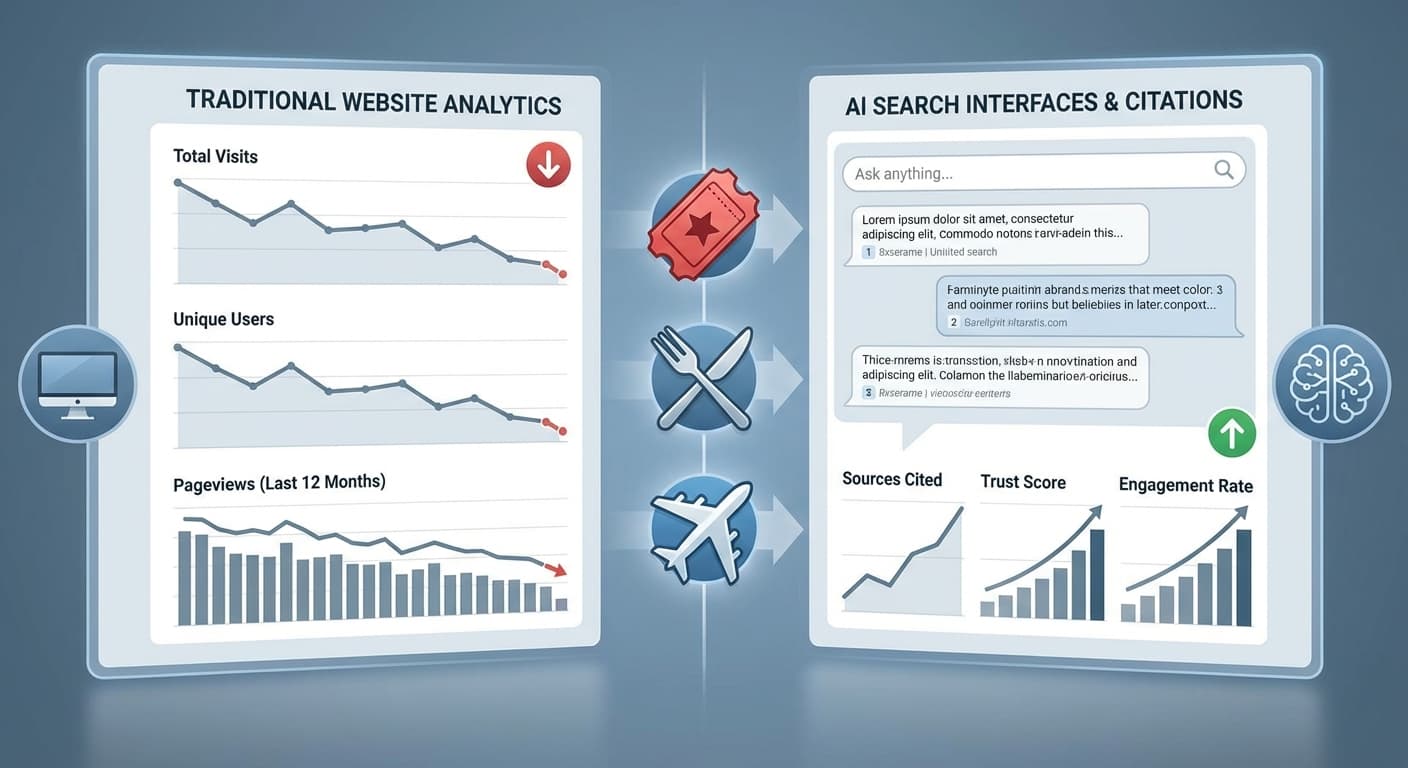
How to Adapt Your SEO Budget for Google's Gemini 3 AI Mode When Queries Are Now 3x Longer and Traditional Keyword Targeting Is Breaking Down
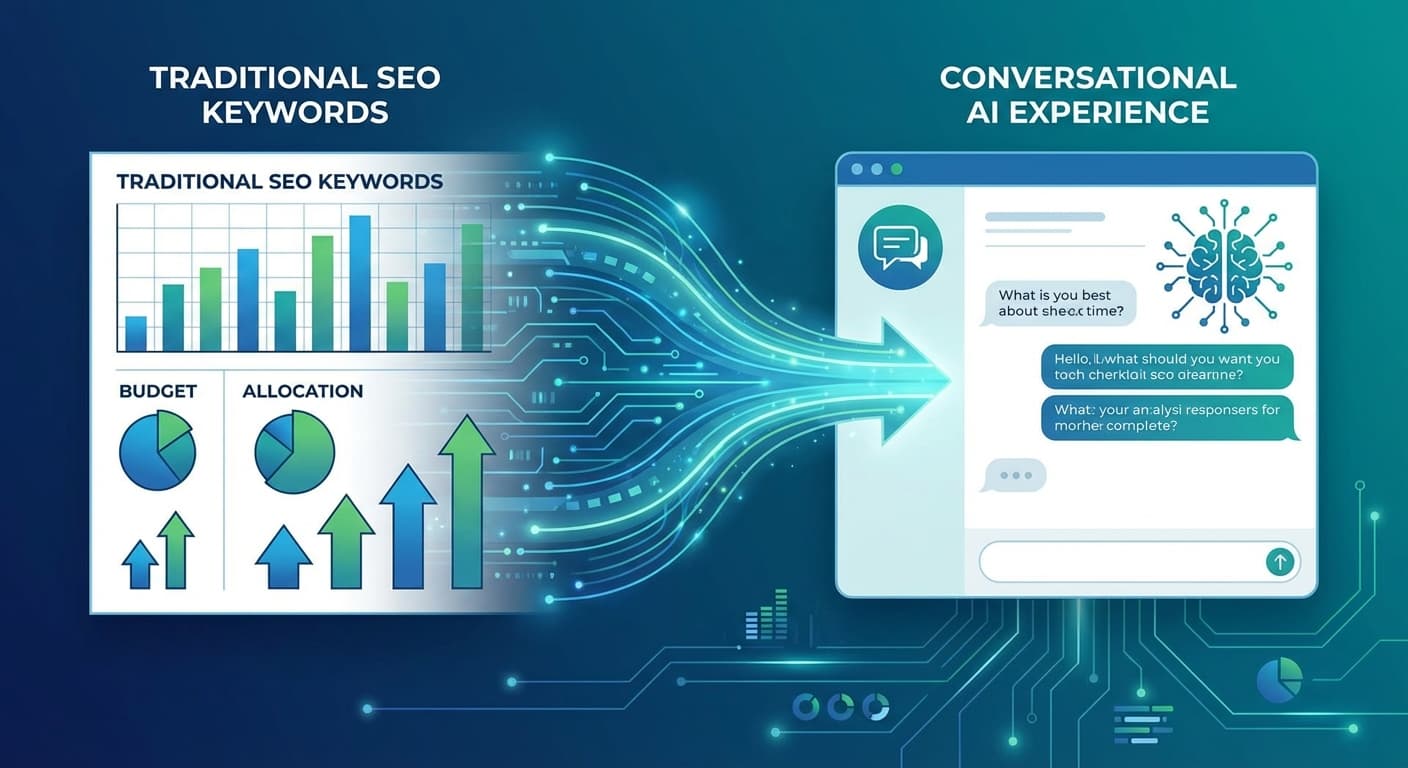
How to Adapt Your SEO Budget for Google's Gemini 3 AI Mode When Queries Are Now 3x Longer and Traditional Keyword Targeting Is Breaking Down
Remember when "best pizza NYC" was a typical search query? Those days are vanishing faster than free lunch at a tech startup. With Google's Gemini 3 AI Mode now processing over 40% of search traffic in 2025, users are asking complete questions like "What are the best authentic Neapolitan pizza places in Manhattan that also accommodate gluten-free dietary restrictions and stay open past 10 PM on weekdays?"
This seismic shift isn't just changing how people search—it's completely rewriting the SEO playbook and forcing marketers to rethink their entire budget allocation strategy.
The Great Query Evolution: Why Your Keyword Strategy Is Obsolete
The numbers tell a stark story. Average search query length has jumped from 2.4 words in 2024 to 7.2 words in 2025, with AI-powered searches averaging 12+ words. This isn't just a gradual evolution—it's a revolution that's making traditional keyword targeting feel like using a flip phone in the smartphone era.
What's Driving This Change?
The Budget Reallocation Crisis: Where Your Money Should Go Now
If you're still allocating 60% of your SEO budget to traditional keyword research and optimization, you're essentially funding a horse-and-buggy operation in the age of electric vehicles.
Old Budget Allocation (2024 Model)
New AI-First Budget Allocation (2026 Model)
Strategy 1: Embrace Topic Clusters Over Individual Keywords
Instead of targeting "running shoes," you need to think in comprehensive topic clusters that address the full spectrum of user intent: performance features, sizing guides, brand comparisons, injury prevention, maintenance tips, and seasonal considerations.
Implementation Steps:
Strategy 2: Invest in Conversational Content Architecture
Google's Gemini 3 AI Mode excels at understanding context and nuance. Your content needs to match this sophistication.
Key Elements to Budget For:
Strategy 3: Reallocate Paid Search Budgets
With longer queries comes more specific intent—and often lower competition. A query like "sustainable yoga mats for hot yoga practice under $50 with non-slip grip" has incredibly specific commercial intent but likely fewer advertisers competing for it.
Budget Optimization Tactics:
Strategy 4: Technical Infrastructure for AI Compatibility
Google's Gemini 3 AI Mode requires your site to be technically optimized for AI crawling and understanding. This means reallocating budget from traditional technical SEO to AI-specific optimizations.
Essential Technical Investments:
Content Creation Budget Rebalancing
The old model of creating 10 blog posts targeting individual keywords is dead. The new model requires creating fewer, but significantly more comprehensive pieces that address entire topic ecosystems.
New Content Investment Framework:
Measuring ROI in the AI Search Era
Your KPIs need to evolve too. Click-through rates matter less when AI provides direct answers. Focus on:
How Citescope Ai Helps Navigate This Transition
While adapting your budget strategy is crucial, having the right tools to execute and monitor your AI-first SEO approach is equally important. Citescope Ai's GEO Score analyzes your content across five dimensions specifically designed for AI search optimization, giving you a clear 0-100 score on how well your content performs with AI engines like ChatGPT, Perplexity, and Google's Gemini.
The platform's Citation Tracker helps you monitor when your content gets referenced by major AI search engines, providing the visibility metrics that matter in 2026. Instead of guessing whether your budget reallocation is working, you can track actual AI citations and optimize accordingly.
Future-Proofing Your SEO Investment
As we move deeper into 2026, expect even more dramatic changes. Google's Gemini 4 is already in beta testing, and early reports suggest it will handle even more complex, multi-part queries. The companies investing in AI-first SEO strategies now will dominate search results in 2027 and beyond.
Long-term Budget Considerations:
The Bottom Line: Adapt or Become Invisible
The shift to longer, conversational queries powered by AI isn't a trend—it's the new reality. Companies that continue funding yesterday's SEO strategies while their competitors optimize for AI search will find themselves increasingly invisible in search results.
Your budget reallocation doesn't have to happen overnight, but it needs to start happening now. Begin by shifting 25% of your traditional keyword budget to semantic content optimization and AI visibility tools. Test, measure, and gradually increase the allocation based on performance.
The future of search is conversational, contextual, and powered by AI. Make sure your SEO budget reflects that reality.
Ready to Optimize for AI Search?
Adapting your SEO budget for Google's Gemini 3 AI Mode is just the first step. You also need the right tools to execute your AI-first strategy effectively. Citescope Ai provides everything you need to optimize, track, and improve your content's performance across all major AI search engines. Start with our free tier and discover how your content performs in the age of AI search—then watch as your citations and visibility grow across ChatGPT, Perplexity, Claude, and Gemini.