GEO Strategy

How to Audit and Fix Cross-Platform AI Citation Inconsistency When Your Brand Ranks #1 in ChatGPT But Doesn't Appear in Perplexity or Google AI Overviews
March 13, 20267 min read
How to Audit and Fix Cross-Platform AI Citation Inconsistency When Your Brand Ranks #1 in ChatGPT But Doesn't Appear in Perplexity or Google AI Overviews

How to Audit and Fix Cross-Platform AI Citation Inconsistency When Your Brand Ranks #1 in ChatGPT But Doesn't Appear in Perplexity or Google AI Overviews

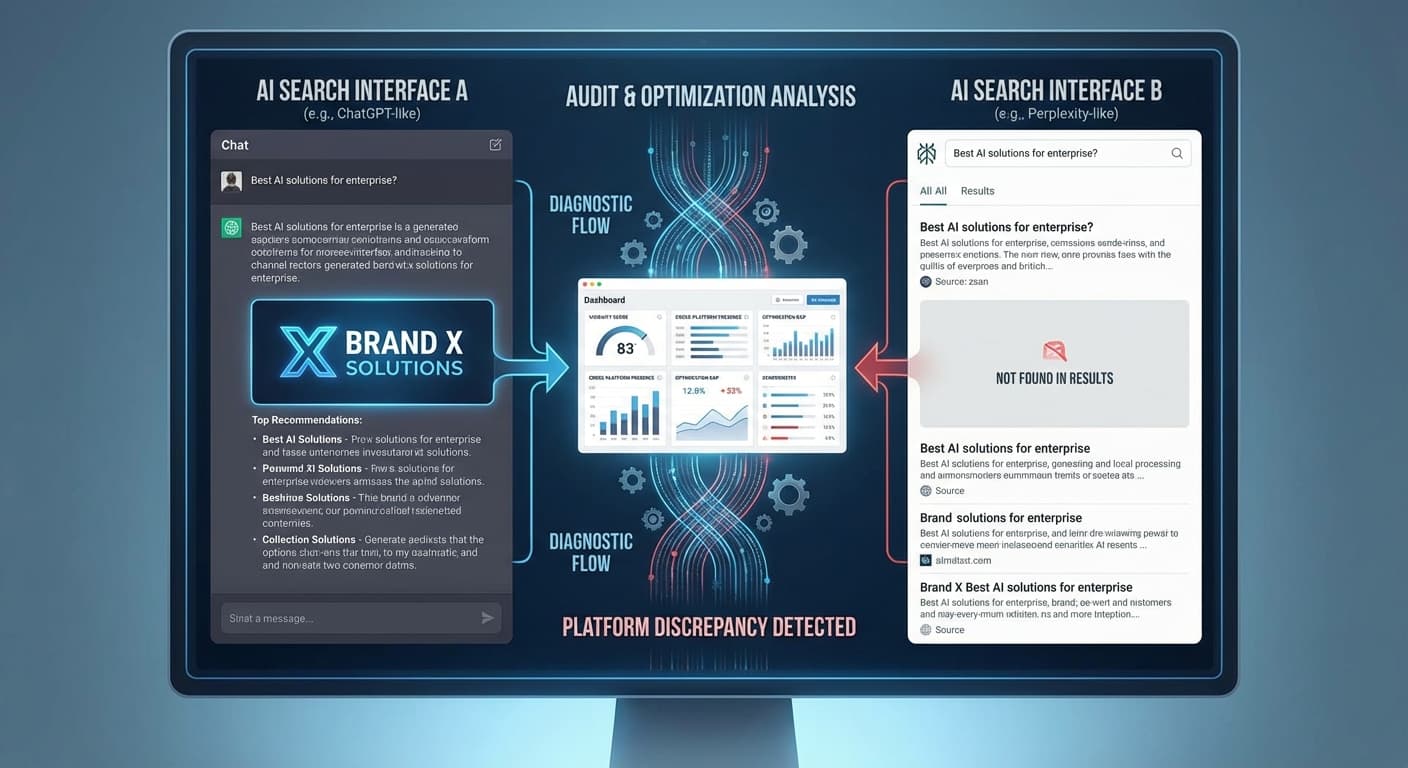
Imagine this: Your brand dominates ChatGPT responses for your target keyword, consistently earning the top citation spot. But when the same query is asked in Perplexity or Google's AI Overviews, your brand is nowhere to be found. Sound familiar? You're experiencing cross-platform AI citation inconsistency—one of the most puzzling challenges facing content marketers in 2026.

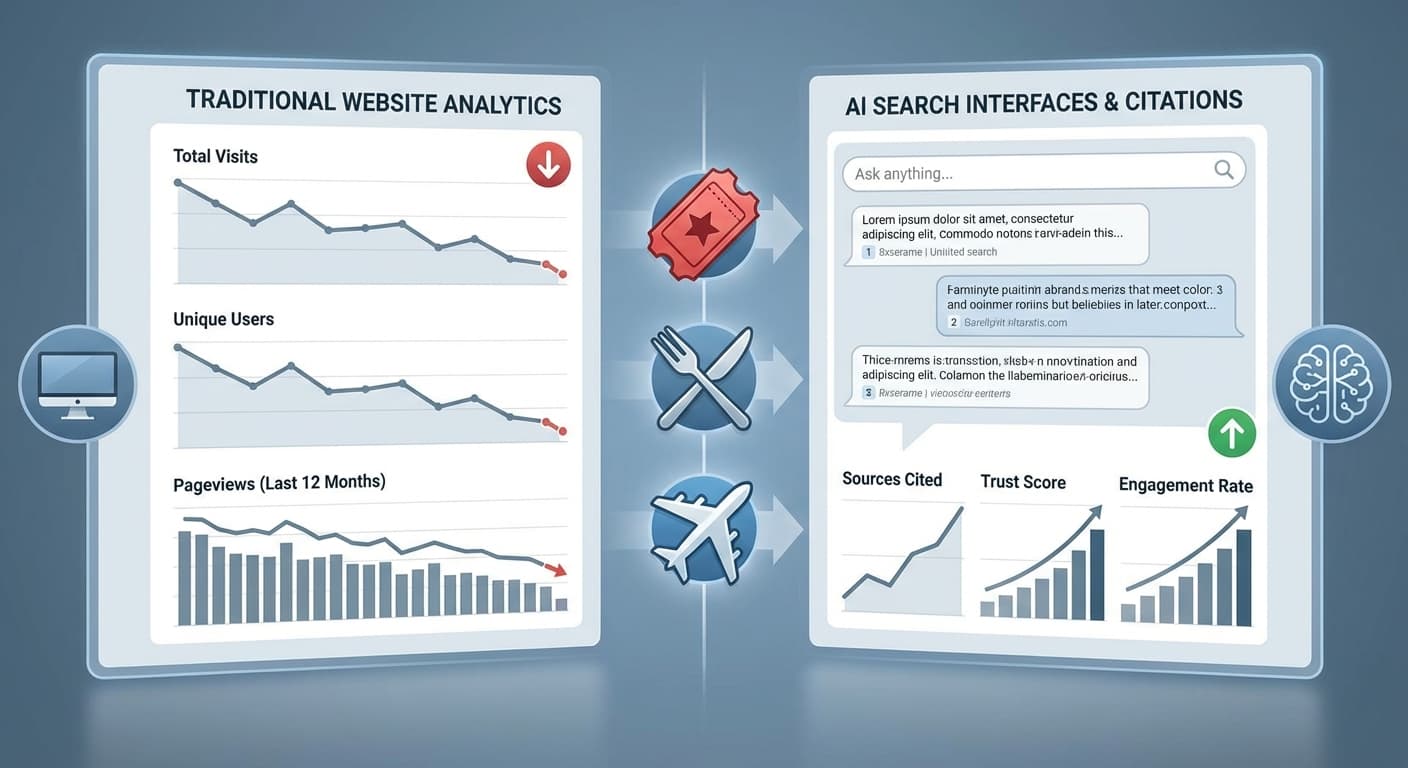
With AI search now accounting for over 35% of all search queries and more than 600 million people using AI engines weekly, this inconsistency isn't just frustrating—it's costing you traffic, leads, and revenue. Recent studies show that 73% of brands experience significant citation variance across different AI platforms, even for identical queries.

Why AI Citation Inconsistency Happens

Before diving into solutions, it's crucial to understand why this phenomenon occurs. Each AI search engine operates with different:

Training Data and Cutoff Dates


  • ChatGPT: Uses a knowledge cutoff with periodic updates, heavily weighted toward conversational and educational content

  • Perplexity: Relies on real-time web crawling and prioritizes recent, authoritative sources

  • Google AI Overviews: Integrates with Google's massive search index, favoring structured data and E-E-A-T signals

  • Claude: Emphasizes factual accuracy and tends to cite academic and established sources
  • Content Processing Algorithms


    Each platform has unique ways of:
  • Interpreting semantic meaning

  • Weighing source authority

  • Prioritizing content freshness

  • Understanding conversational context

  • Processing structured vs. unstructured data
  • Citation Ranking Factors


    What gets you to #1 in ChatGPT might not even register in Perplexity due to different ranking algorithms that consider:
  • Domain authority metrics

  • Content depth and comprehensiveness

  • User engagement signals

  • Technical SEO factors

  • Social proof and backlink profiles
  • Step-by-Step Audit Process for Cross-Platform Citation Analysis

    1. Conduct a Comprehensive Citation Inventory

    Start by systematically testing your target keywords across all major AI platforms:

    Create a testing matrix:

  • List your top 20 target keywords

  • Query each keyword identically across ChatGPT, Perplexity, Google AI Overviews, and Claude

  • Document citation positions (or absence) for each platform

  • Note the specific sources being cited instead of your content
  • Key metrics to track:

  • Citation frequency (how often you appear)

  • Citation position (1st, 2nd, 3rd mention)

  • Citation context (how your brand is referenced)

  • Competitor citation patterns
  • 2. Analyze Content Gaps and Inconsistencies

    For platforms where you're not appearing, examine:

    Content Format Preferences:

  • Does Perplexity favor more recent content with specific date stamps?

  • Is Google AI Overviews prioritizing schema markup and structured data?

  • Are your competitors using formats you're missing (FAQ sections, comparison tables, etc.)?
  • Topical Depth Analysis:

  • Compare the depth of information in sources that do get cited

  • Identify subtopics or angles your content might be missing

  • Look for semantic gaps that prevent AI engines from understanding your expertise
  • 3. Technical SEO and Discoverability Assessment

    Many citation inconsistencies stem from technical issues:

    Crawlability Check:

  • Verify robots.txt isn't blocking AI crawlers

  • Ensure XML sitemaps are updated and submitted

  • Check for crawl errors in Google Search Console
  • Structured Data Audit:

  • Implement relevant schema markup (Article, FAQ, How-to, etc.)

  • Validate structured data using Google's Rich Results Test

  • Add organization schema to establish entity relationships
  • Page Speed and Core Web Vitals:

  • AI engines increasingly factor user experience signals

  • Optimize images, reduce server response times

  • Ensure mobile responsiveness across all content
  • Platform-Specific Optimization Strategies

    Optimizing for Perplexity

    Perplexity's real-time web crawling means freshness and authority are paramount:

    Content Freshness Tactics:

  • Regularly update existing high-performing content with recent data

  • Add publication and last-updated dates prominently

  • Create timely content around trending topics in your niche

  • Build a consistent publishing schedule
  • Authority Building:

  • Secure high-quality backlinks from recently published content

  • Engage with industry discussions and get mentioned in current news

  • Collaborate with other authoritative sites for cross-citations
  • Optimizing for Google AI Overviews

    Google's AI Overviews heavily favor content that already performs well in traditional search:

    E-E-A-T Enhancement:

  • Showcase author credentials and expertise prominently

  • Add author bio pages with relevant qualifications

  • Include expert quotes and original research

  • Build topical authority through comprehensive content clusters
  • Featured Snippet Optimization:

  • Structure content to directly answer common questions

  • Use clear headings that match search intent

  • Implement FAQ sections with concise answers

  • Create comparison tables and bulleted lists
  • Multi-Platform Content Optimization

    Some strategies work across all platforms:

    Semantic SEO Enhancement:

  • Use natural language that matches how people ask AI questions

  • Include related terms and synonyms naturally throughout content

  • Create comprehensive topic coverage that demonstrates expertise

  • Link related concepts within your content ecosystem
  • Conversational Content Design:

  • Write in a tone that sounds natural when read aloud

  • Use question-and-answer formats

  • Include transitional phrases that improve flow

  • Address follow-up questions within the same piece
  • Advanced Troubleshooting Techniques

    Content Cannibalization Analysis

    Sometimes multiple pages compete for the same citation opportunities:

  • Identify pages targeting similar keywords

  • Consolidate thin content into comprehensive resources

  • Use canonical tags to indicate preferred versions

  • Create clear topic silos to avoid confusion
  • Competitor Citation Pattern Analysis

    Study what's working for competitors who appear consistently:

  • Analyze their content structure and formatting

  • Identify common elements in their cited content

  • Look for patterns in their publication timing

  • Examine their backlink and social proof strategies
  • A/B Testing for AI Optimization

    Test different approaches systematically:

  • Create variations of high-priority content

  • Test different headline structures

  • Experiment with content length and depth

  • Monitor citation changes over 30-60 day periods
  • Measuring and Monitoring Success

    Key Performance Indicators

  • Citation Consistency Rate: Percentage of target keywords where you appear across all platforms

  • Average Citation Position: Your typical ranking across all AI engines

  • Citation Growth Rate: Month-over-month improvement in citation frequency

  • Platform-Specific Share of Voice: Your percentage of citations vs. competitors by platform
  • Long-Term Monitoring Strategy

  • Set up automated keyword tracking across platforms

  • Create monthly citation audit reports

  • Monitor competitor citation patterns for insights

  • Track correlation between traditional SEO metrics and AI citations
  • How Citescope Ai Helps

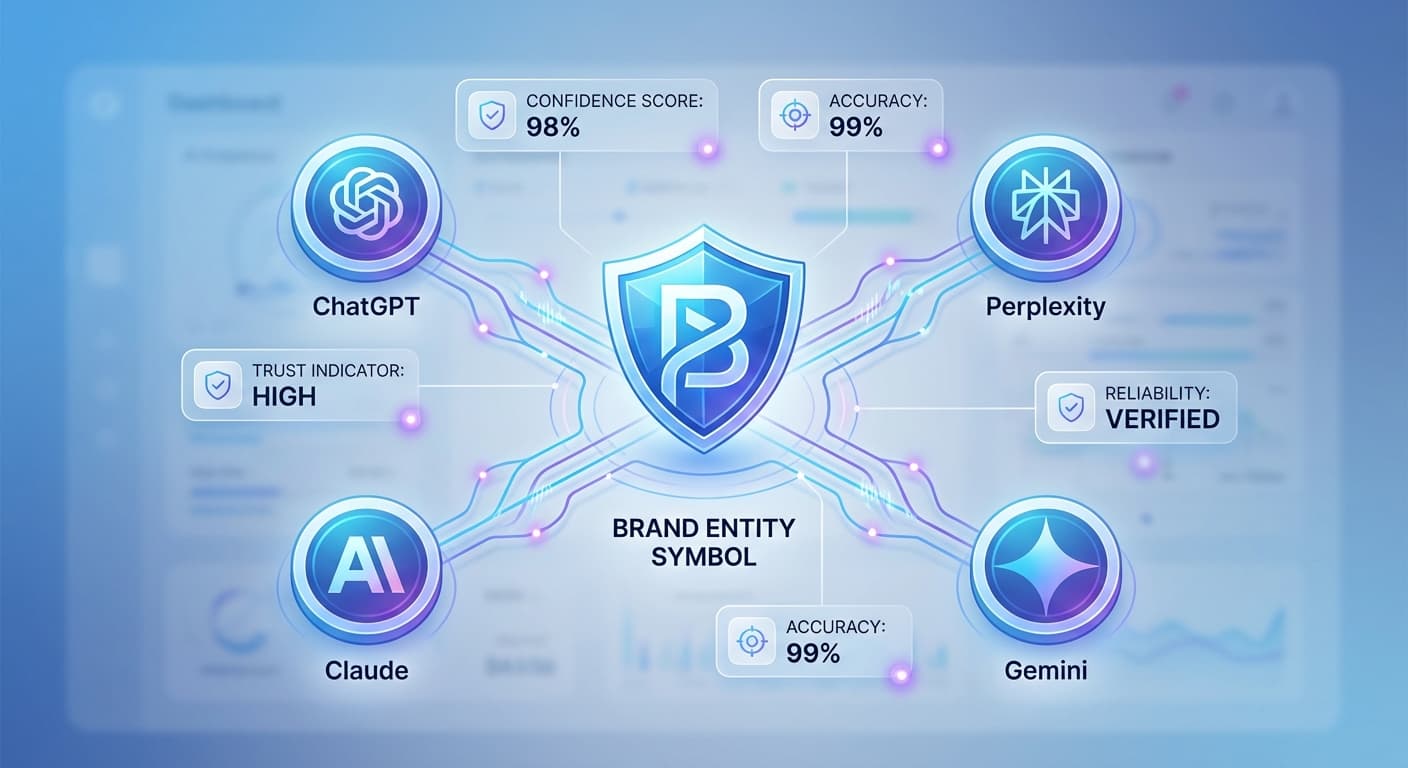
    While manual auditing is possible, it's incredibly time-intensive and prone to human error. Citescope Ai's Citation Tracker automates this entire process, monitoring your content's performance across ChatGPT, Perplexity, Claude, and other AI engines 24/7.

    Our GEO Score analyzes your content across five crucial dimensions that AI engines prioritize: AI Interpretability, Semantic Richness, Conversational Relevance, Structure, and Authority. This gives you a clear 0-100 score showing exactly how well-optimized your content is for AI search.

    The AI Rewriter feature takes the guesswork out of optimization, restructuring your content with one click to improve visibility across all platforms. Instead of manually testing different approaches, you get data-driven recommendations based on what actually works in AI search.

    Implementation Timeline and Expectations

    Weeks 1-2: Audit and Analysis


  • Complete cross-platform citation inventory

  • Identify major gaps and opportunities

  • Prioritize high-impact optimization targets
  • Weeks 3-6: Content Optimization


  • Implement technical SEO improvements

  • Optimize existing high-priority content

  • Create new content to fill identified gaps
  • Weeks 7-12: Monitor and Refine


  • Track citation improvements across platforms

  • Refine strategies based on performance data

  • Scale successful approaches to more content
  • Realistic expectations: Most brands see initial citation improvements within 4-6 weeks, with significant cross-platform consistency achieved within 3 months of consistent optimization efforts.

    Ready to Optimize for AI Search?

    Cross-platform AI citation inconsistency doesn't have to remain a mystery. With the right audit process, platform-specific optimization strategies, and consistent monitoring, you can achieve citation dominance across all major AI search engines.

    Citescope Ai makes this complex process simple with automated tracking, intelligent content analysis, and one-click optimization tools. Ready to see how your content performs across AI platforms? Try Citescope Ai free for 7 days and get your first GEO Score analysis—no credit card required.
    AI search optimizationcross-platform SEOcitation trackingAI visibilitycontent audit

    Track your AI visibility

    See how your content appears across ChatGPT, Perplexity, Claude, and more.

    Start for Free