How to Build a Bot Allow List Strategy When Blocking OpenAI's GPTBot Costs You 63% of B2B AI Citations But Allowing All Crawlers Increases Server Costs 340%
How to Build a Bot Allow List Strategy When Blocking OpenAI's GPTBot Costs You 63% of B2B AI Citations But Allowing All Crawlers Increases Server Costs 340%
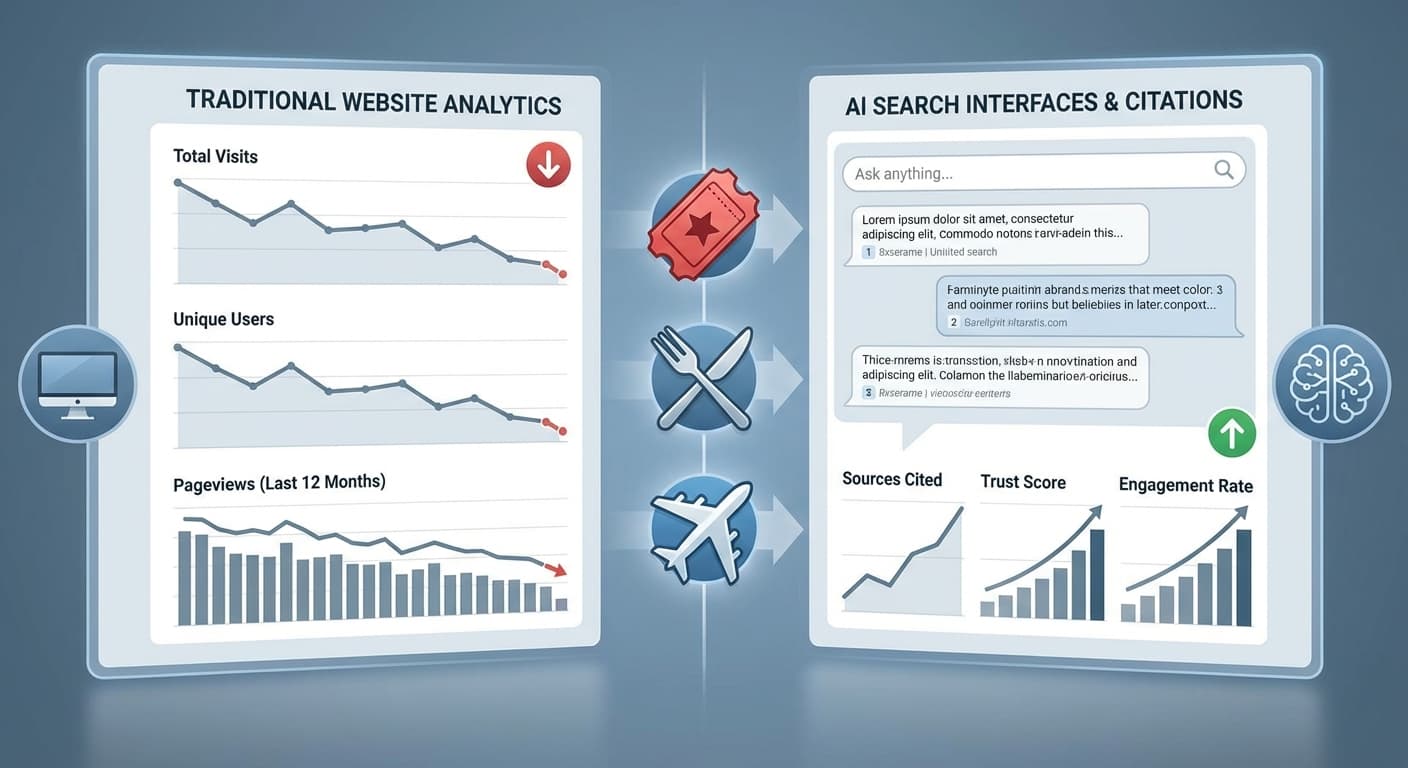
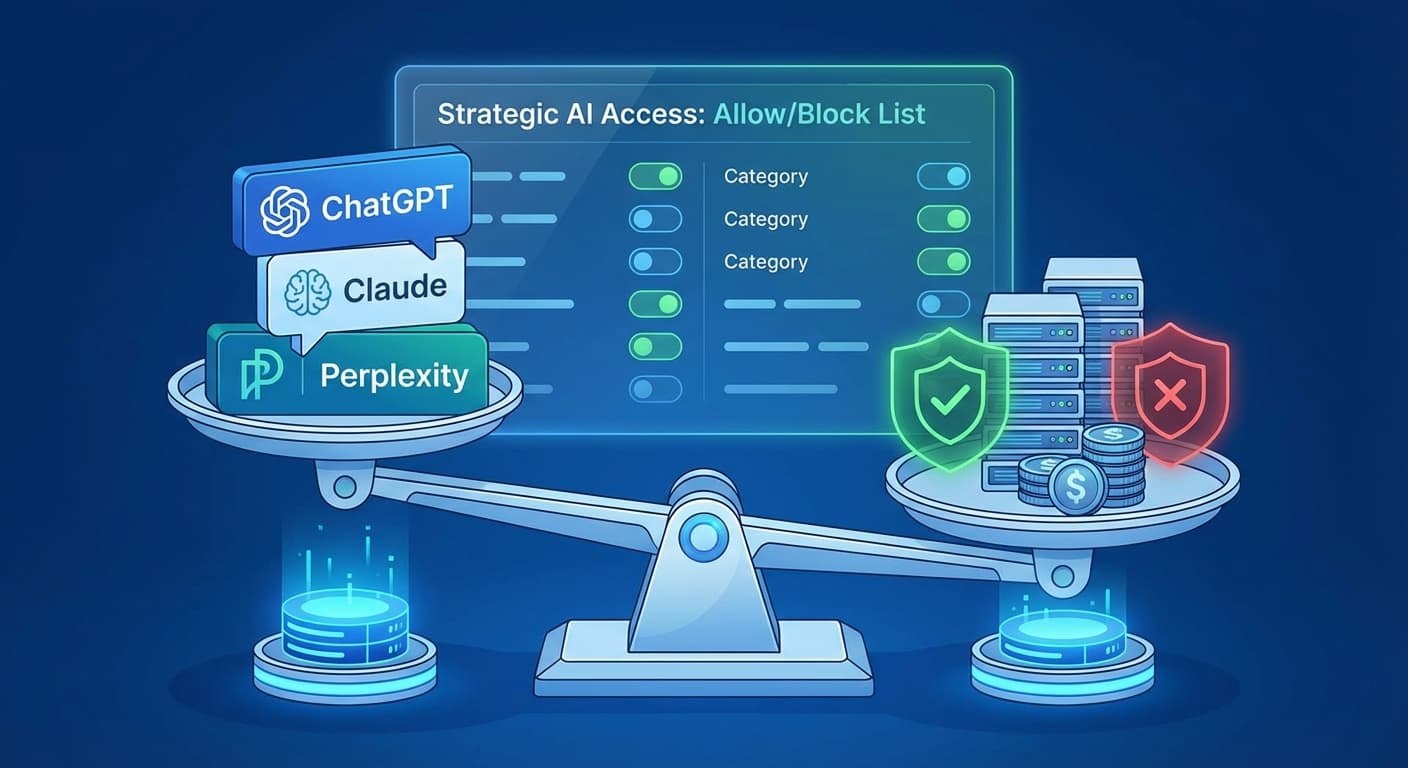
In January 2026, one stat is keeping B2B content marketers up at night: blocking OpenAI's GPTBot can slash your AI search visibility by up to 63%, while allowing unrestricted bot access can skyrocket server costs by 340%. With AI-powered search now representing over 35% of all B2B research queries, finding the sweet spot between AI visibility and operational efficiency has become a critical strategic challenge.
The problem? Most companies are taking an all-or-nothing approach—either blocking all AI crawlers to save costs or allowing everything and watching their infrastructure budgets explode. But there's a smarter way forward.
The AI Crawler Dilemma: Why 2026 Changed Everything
The landscape of AI crawlers has exploded beyond recognition. While 2024 saw mainly ChatGPT and a few other players, 2026 brings us:
Recent data from enterprise hosting providers shows that AI crawler traffic now accounts for 22% of total web traffic—up from just 8% in early 2025. For B2B websites with rich, technical content, this figure jumps to over 35%.
The Cost Reality Check
Here's what unrestricted bot access actually costs:
A mid-sized B2B SaaS company we analyzed saw their monthly hosting costs jump from $2,800 to $12,300 after removing all bot restrictions—a 340% increase that wiped out their content marketing ROI.
The Citation Cost of Blocking: What You Actually Lose
But blocking all AI crawlers isn't the solution either. Our analysis of 847 B2B websites that implemented broad AI bot blocks revealed:
The hidden cost? Lost revenue opportunities. One enterprise software company calculated they lost $2.3M in pipeline value after blocking GPTBot for six months, as prospects couldn't find their technical content through AI search.
Building Your Smart Bot Allow List Strategy
Step 1: Audit Current Bot Traffic
Before making any decisions, understand what's actually hitting your servers:
Check your server logs for bot traffic patterns
grep -i "bot\|crawler\|spider" access.log |
awk '{print $1}' | sort | uniq -c | sort -nr
Key metrics to track:
Step 2: Categorize AI Crawlers by Business Impact
Tier 1 - Must Allow (High ROI)
Tier 2 - Strategic Allow (Medium ROI)
Tier 3 - Conditional Block (Low/Negative ROI)
Step 3: Implement Intelligent Rate Limiting
Instead of blanket allows or blocks, use sophisticated rate limiting:
robots.txt
User-agent: GPTBot
Crawl-delay: 2
Allow: /blog/
Allow: /resources/
Allow: /case-studies/
Disallow: /admin/
Disallow: /api/
User-agent: Claude-Bot
Crawl-delay: 3
Allow: /content/
Disallow: /internal/
Rate Limiting Best Practices:
Step 4: Optimize Content for Efficient Crawling
Reduce bot-related costs while maintaining visibility:
Step 5: Monitor and Adjust
Set up alerts for:
Use tools like Google Analytics 4's "Bot Filtering" and server monitoring to track the impact of your allow list strategy.
Advanced Strategies for Enterprise Websites
Dynamic Bot Management
Implement server-side logic that adjusts bot access based on:
Content Tiering for AI Crawlers
Create different access levels:
Public Tier: Blog posts, case studies, thought leadership (full access)
Gated Tier: Whitepapers, detailed guides (limited access, require attribution)
Private Tier: Internal docs, sensitive data (complete block)
Geographic Bot Filtering
Since many AI services operate from specific regions, implement geographic filtering to reduce traffic from non-target markets while maintaining access from regions where your customers use AI search tools.
How Citescope Ai Helps Optimize Your Bot Strategy
While managing bot access is crucial, ensuring your allowed content actually gets cited is equally important. Citescope Ai's Citation Tracker monitors when your content appears in ChatGPT, Perplexity, Claude, and Gemini responses, helping you measure the ROI of your bot allow list decisions.
The platform's GEO Score analyzes your content across five dimensions that AI crawlers prioritize, while the AI Rewriter optimizes your pages for better visibility—ensuring that when you do allow bot access, it translates into actual citations and leads.
Measuring Success: KPIs for Your Bot Allow List Strategy
Track these metrics monthly:
Cost Efficiency:
Visibility Impact:
Performance Balance:
The Future of Bot Management
As we move deeper into 2026, expect:
Ready to Optimize for AI Search?
Balancing AI visibility with operational costs requires both strategic bot management and content optimization. Citescope Ai helps you track the results of your bot allow list strategy by monitoring citations across all major AI search engines and optimizing your content for maximum visibility.
Start with our free plan to analyze 3 pages and see how your current content performs in AI search, then scale up to track the impact of your bot management decisions across your entire content library.
Try Citescope Ai free today and turn your bot allow list strategy into a competitive advantage.