How to Build a Branded AI Agent Search Strategy When Meta AI Shopping Assistant and Google Gemini Store Mode Launch Direct Product Purchase Recommendations That Bypass Your Website Entirely
How to Build a Branded AI Agent Search Strategy When Meta AI Shopping Assistant and Google Gemini Store Mode Launch Direct Product Purchase Recommendations That Bypass Your Website Entirely
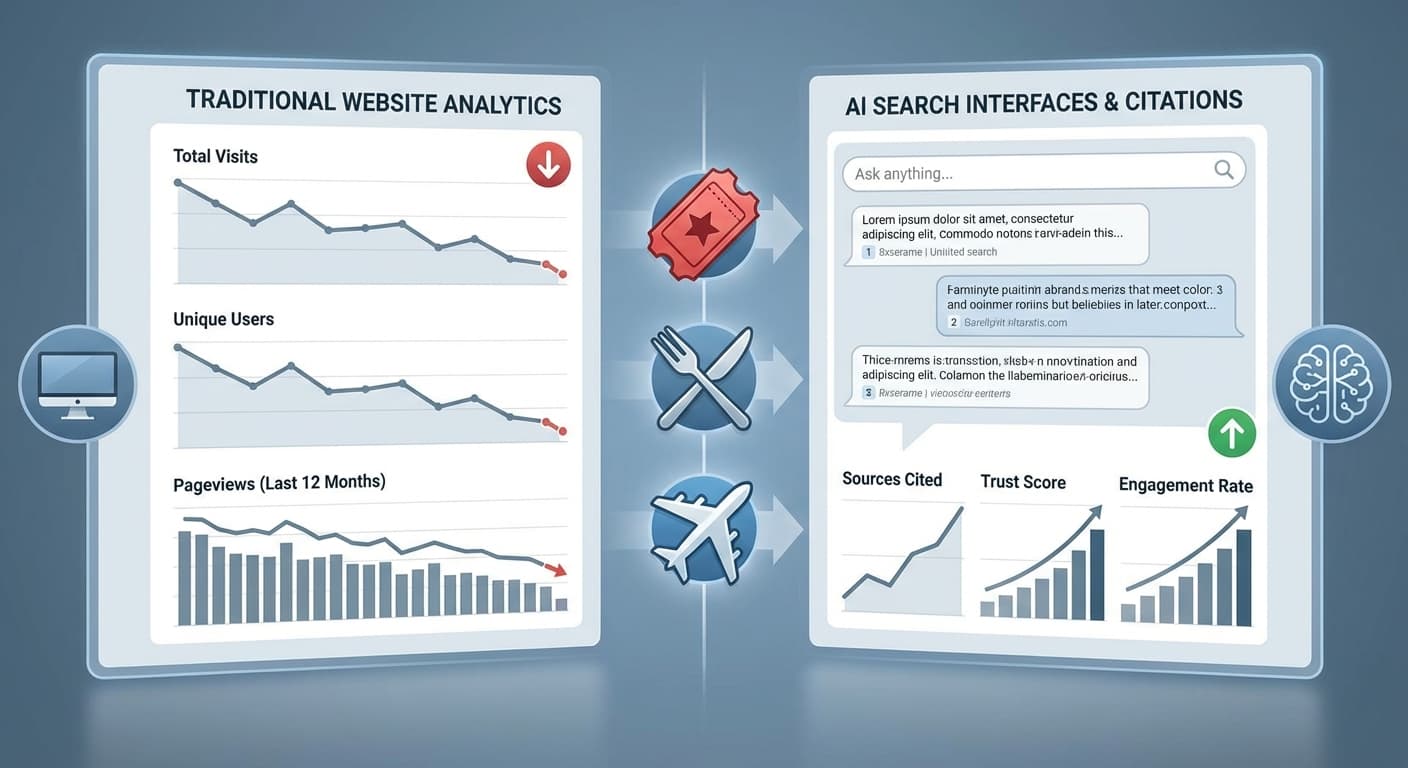
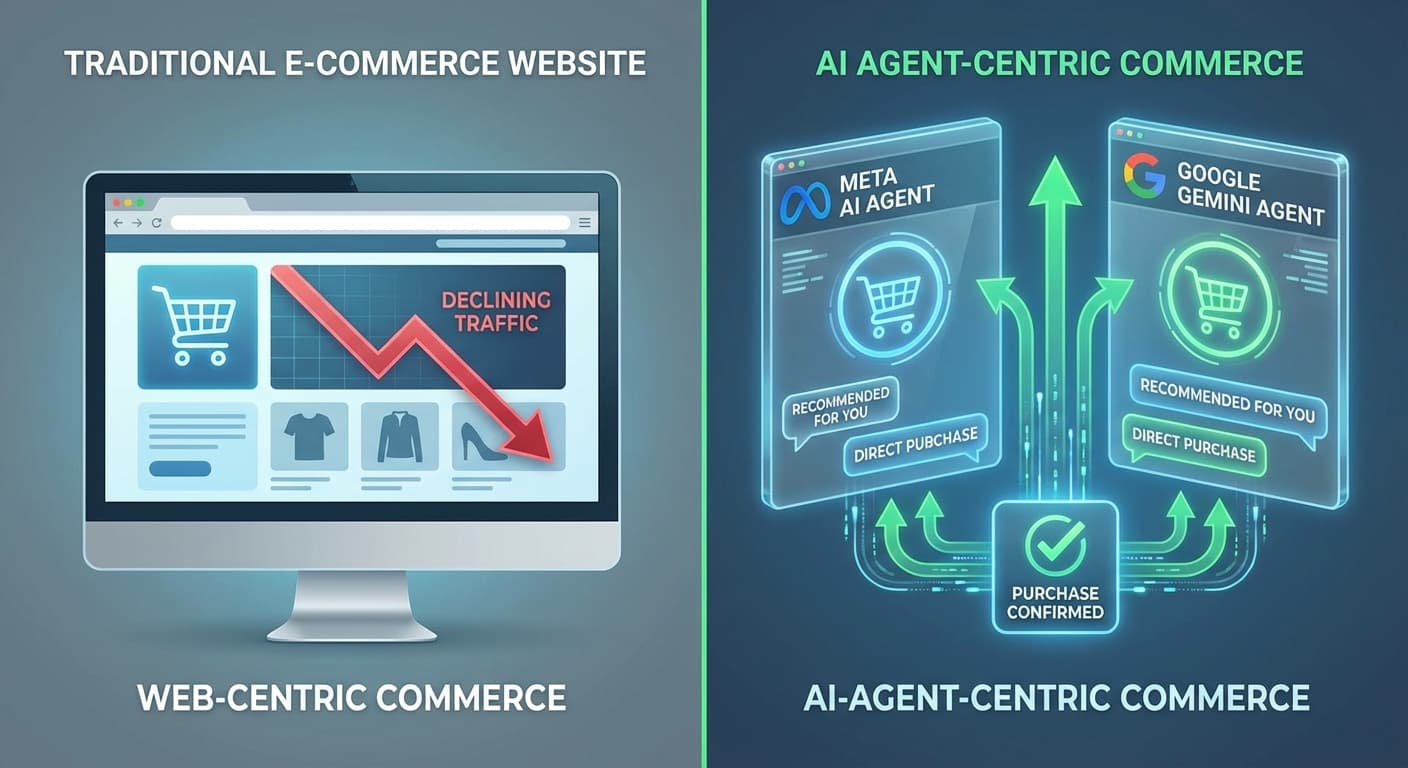
By early 2026, over 40% of product discovery now happens through AI agents rather than traditional search engines. Meta AI Shopping Assistant processes 200+ million product queries monthly, while Google Gemini's Store Mode has fundamentally changed how consumers find and purchase products. But here's the catch: these AI agents are increasingly making direct purchase recommendations that completely bypass your website.
If you're not strategically positioning your brand within AI agent conversations, you're essentially invisible to the fastest-growing segment of digital shoppers. The question isn't whether AI agents will impact your business—it's whether you'll be ready when they do.
The New Reality of AI Agent Commerce
The commerce landscape has shifted dramatically. Traditional SEO focused on ranking #1 in Google search results. Today's challenge is entirely different: ensuring your brand appears in AI agent responses when users ask questions like "What's the best sustainable water bottle under $30?" or "Find me a laptop for video editing within my budget."
Meta AI Shopping Assistant and Google Gemini Store Mode don't just recommend products—they facilitate entire purchase journeys without users ever visiting your website. These AI agents can:
This shift represents the biggest change in e-commerce since the introduction of online shopping carts.
Understanding AI Agent Shopping Behavior
AI agents evaluate products and brands differently than traditional search algorithms. They prioritize:
Conversational Product Descriptions
Instead of keyword-stuffed product titles, AI agents favor natural language descriptions that answer common customer questions. A product described as "Stainless steel water bottle with double-wall insulation that keeps drinks cold for 24 hours" performs better than "Best Insulated Water Bottle - 24oz Stainless Steel - Cold Drinks."
Authority and Trust Signals
AI agents heavily weight:
Contextual Relevance
AI agents excel at understanding context. They consider factors like:
Building Your AI Agent Search Strategy
1. Optimize Your Product Information Architecture
Structure your product data to match how AI agents process information:
Create Conversational Product Schemas
Example:
Instead of: "Material: 18/8 Stainless Steel"
Use: "Made from food-grade 18/8 stainless steel that won't retain flavors or odors"
2. Develop AI-Optimized Content Assets
Product Comparison Guides
Create detailed comparison content that positions your products favorably against competitors. AI agents frequently reference these when making recommendations.
Use Case Scenarios
Develop content that explains when and why customers should choose your products. AI agents use this contextual information to make appropriate recommendations.
FAQ Optimization
Anticipate and answer questions customers might ask AI agents about your products. Common queries include:
3. Build Authority Through Strategic Content Marketing
Industry Thought Leadership
Publish authoritative content that establishes your brand as a category expert. AI agents frequently cite industry leaders when making product recommendations.
Customer Success Stories
Develop detailed case studies and testimonials that demonstrate product value. AI agents use this social proof when evaluating brand credibility.
Educational Content
Create guides and tutorials that help customers understand your product category. This positions your brand as helpful and trustworthy in AI agent evaluations.
4. Implement Multi-Platform Visibility Strategies
Social Commerce Integration
Optimize your presence across social platforms where AI agents source product information:
Review Platform Optimization
Maintain strong presences on review platforms that AI agents reference:
Third-Party Mentions
Actively seek mentions in:
Tools like Citescope Ai can help you track when your optimized content gets cited across different AI platforms, giving you visibility into which strategies are working.
5. Monitor and Adapt Your AI Visibility
Track AI Agent Citations
Regularly monitor how often AI agents mention your brand and products. Key metrics include:
A/B Testing for AI Optimization
Test different approaches to:
Preparing for Future AI Agent Features
As AI agents become more sophisticated, prepare for:
Voice-First Shopping
Optimize for voice queries by using natural speech patterns in your content.
Visual Product Discovery
Implement rich visual content that AI agents can analyze and describe.
Personalized Recommendations
Develop customer segmentation strategies that align with AI personalization algorithms.
Real-Time Inventory Integration
Ensure your product availability data is accessible to AI agents for accurate recommendations.
Common Pitfalls to Avoid
How Citescope Ai Helps
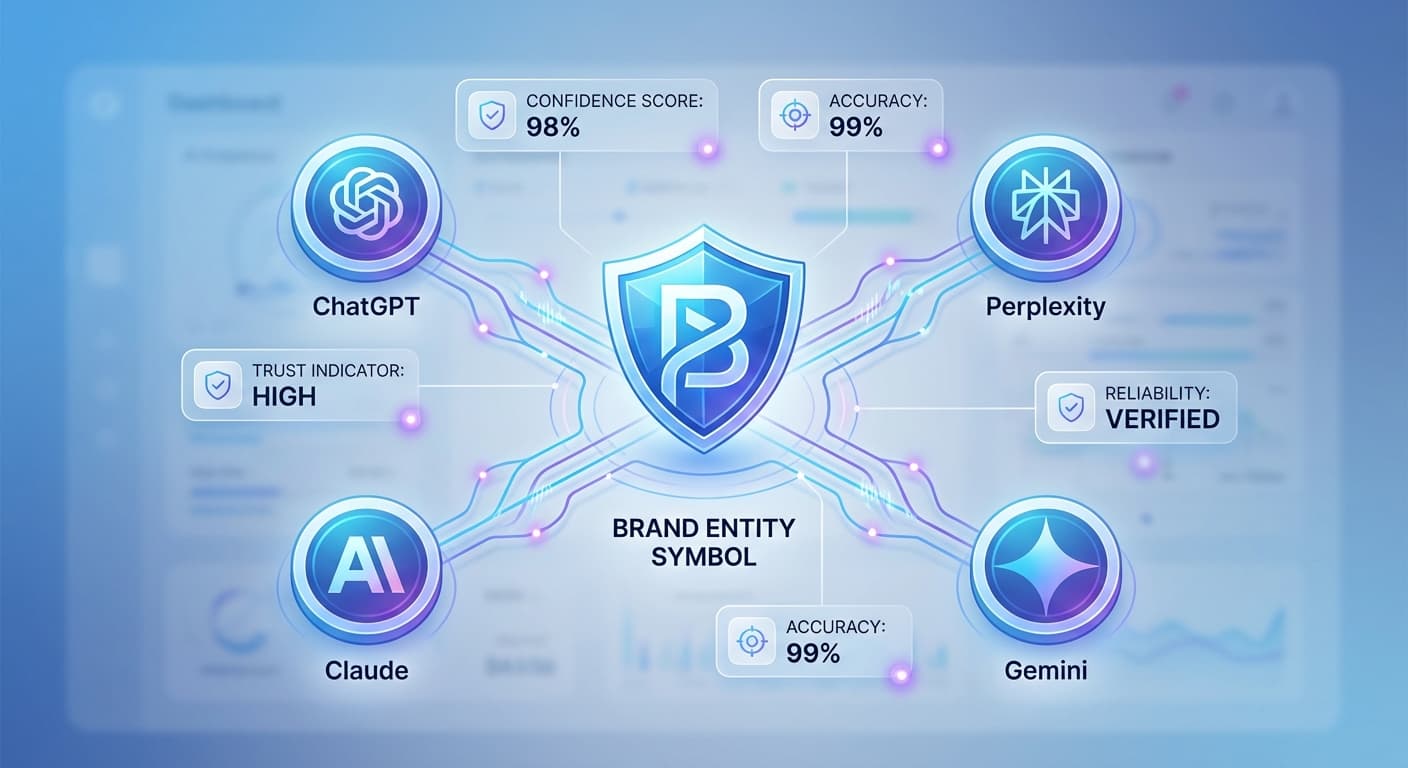
Building an effective AI agent search strategy requires understanding how your content performs across multiple AI platforms. Citescope Ai's Citation Tracker monitors when your brand and products get mentioned by ChatGPT, Perplexity, Claude, and Gemini, giving you real-time insights into your AI visibility.
The platform's GEO Score analyzes your product content across five key dimensions that AI agents prioritize: AI Interpretability, Semantic Richness, Conversational Relevance, Structure, and Authority. This helps you identify exactly what needs optimization to improve your chances of being recommended by AI shopping assistants.
With the AI Rewriter tool, you can transform existing product descriptions and marketing content into formats that AI agents prefer, ensuring your brand stays visible as shopping behavior continues shifting toward AI-powered discovery.
Ready to Optimize for AI Search?
The shift to AI agent commerce isn't coming—it's already here. Brands that adapt their content strategy now will have a significant advantage as Meta AI Shopping Assistant and Google Gemini Store Mode continue expanding their influence over purchase decisions.
Citescope Ai helps you stay ahead of this transition by optimizing your content for AI visibility and tracking your performance across all major AI platforms. Start your free trial today and discover how your brand currently performs in AI search results, then use our optimization tools to improve your visibility before your competitors catch up.