How to Build a Citation Prediction System When Your #1 Rankings Don't Guarantee AI Overview Inclusion
How to Build a Citation Prediction System When Your #1 Rankings Don't Guarantee AI Overview Inclusion
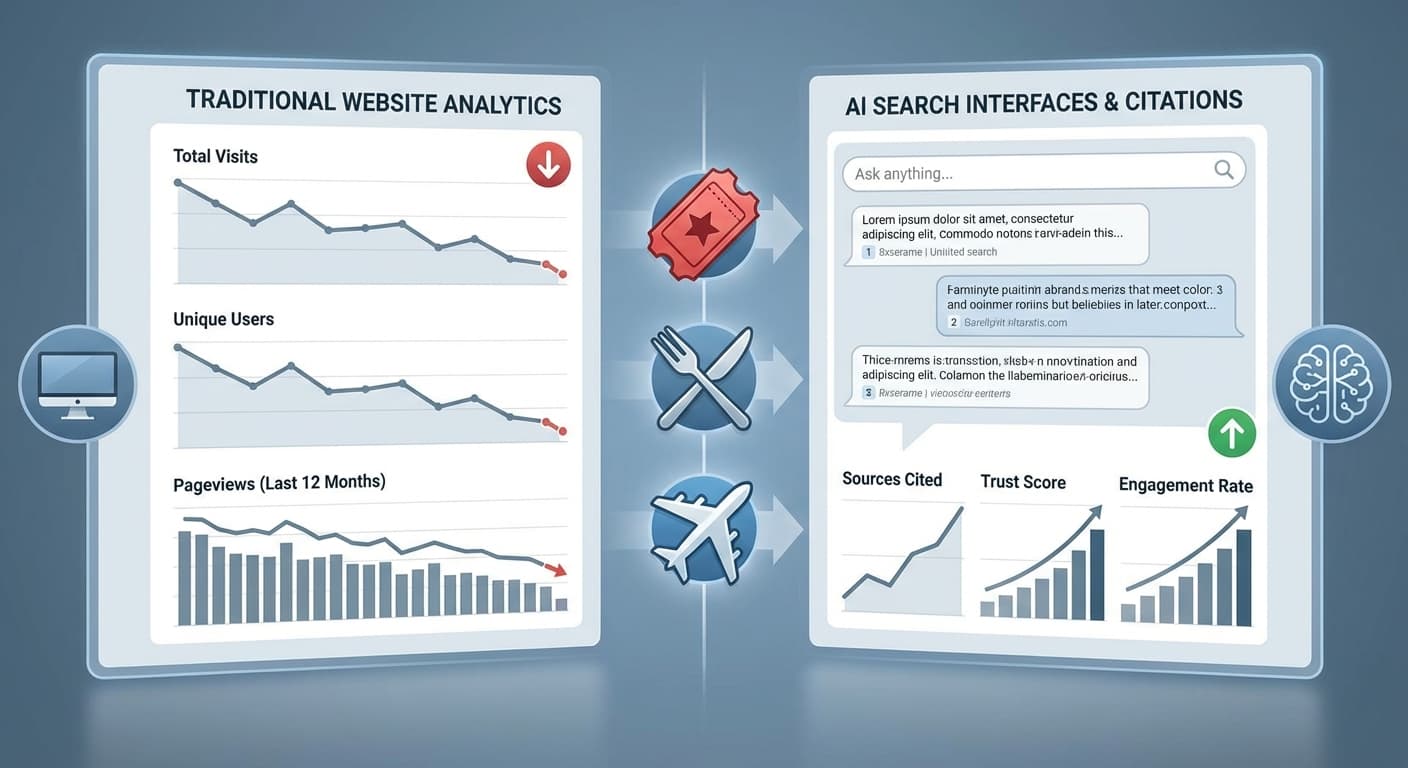
In 2026, a shocking 40% of #1 Google-ranking pages fail to appear in AI overviews generated by ChatGPT, Perplexity, and other AI search engines. This disconnect between traditional search rankings and AI visibility has left content creators scrambling to understand a fundamental shift: the algorithms that power AI search aren't the same ones that determine Google rankings.
While your perfectly optimized blog post might dominate Google's first page, it could be completely invisible when someone asks ChatGPT or Claude the same question. This reality has made citation prediction—the ability to forecast which content will be featured in AI responses—one of the most critical skills for content marketers in 2026.
Why Traditional SEO Tools Fail at Predicting AI Citations
Traditional SEO tools were built for a world where PageRank, keyword density, and backlinks ruled supreme. But AI search engines evaluate content through entirely different lenses:
The AI Evaluation Framework
Semantic Understanding Over Keywords: AI engines prioritize content that demonstrates deep conceptual understanding rather than keyword optimization. They can detect when content provides genuine insights versus surface-level keyword stuffing.
Conversational Relevance: Since 85% of AI searches in 2026 are conversational queries, AI engines favor content written in natural, question-answering formats rather than traditional keyword-optimized structures.
Contextual Authority: Unlike traditional SEO, AI engines assess authority based on how well content fits within the broader context of a query, not just domain authority or backlink profiles.
Structural Clarity: AI engines need to parse and synthesize information quickly. Content with clear hierarchies, definitive statements, and logical flow gets cited more frequently.
Building Your Citation Prediction System: A Step-by-Step Framework
Step 1: Analyze AI Response Patterns
Start by conducting what we call "AI citation audits" across your content:
Step 2: Develop Content Scoring Metrics
Create a scoring system based on AI-friendly content characteristics:
AI Interpretability Score (0-20 points):
Semantic Richness Score (0-20 points):
Conversational Relevance Score (0-20 points):
Authoritative Structure Score (0-20 points):
Technical Optimization Score (0-20 points):
Step 3: Test and Validate Predictions
Once you've scored your content, test your predictions:
Advanced Citation Prediction Techniques
Query Intent Mapping
Map your content to the three primary AI search intent categories:
Informational Queries ("What is...?", "How does...?"):
Comparative Queries ("Best...", "X vs Y", "Alternatives to..."):
Problem-Solving Queries ("How to fix...", "Solutions for..."):
Content Gap Analysis
Identify citation opportunities by analyzing competitor content that consistently gets featured:
Timing and Freshness Factors
AI engines show strong preferences for:
Common Citation Prediction Mistakes to Avoid
Mistake #1: Assuming Google Rankings Translate
Just because content ranks #1 on Google doesn't mean it will be cited by AI engines. Focus on AI-specific optimization factors.
Mistake #2: Over-Optimizing for Keywords
AI engines can detect and often penalize obvious keyword stuffing. Focus on natural language and comprehensive topic coverage.
Mistake #3: Ignoring Content Structure
Poorly structured content, even with great information, often gets passed over by AI engines that need to quickly parse and synthesize information.
Mistake #4: Neglecting Citation Monitoring
Without tracking actual citations, you can't validate or improve your prediction model.
How Citescope Ai Simplifies Citation Prediction
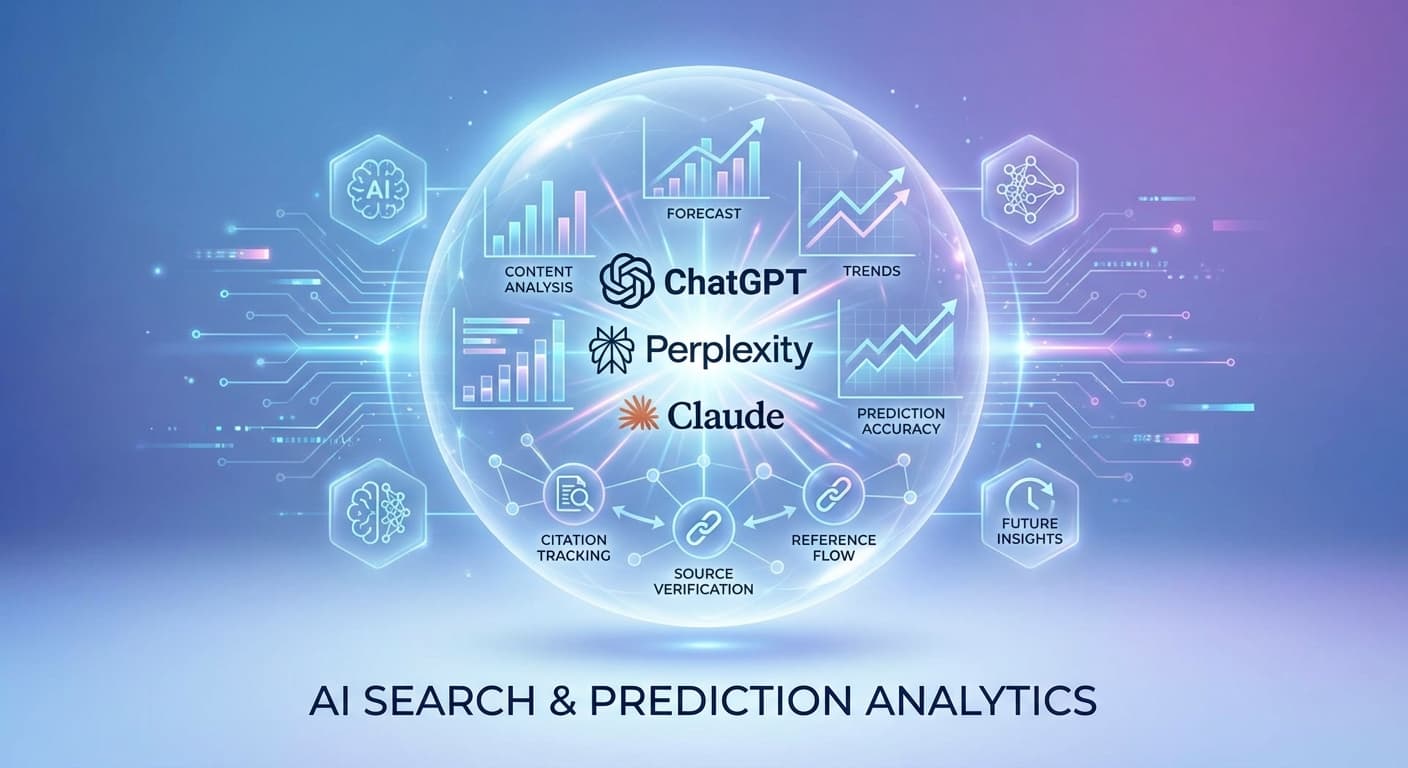
While building a citation prediction system from scratch requires significant time and expertise, Citescope Ai automates this entire process with its comprehensive GEO Score system.
The platform analyzes your content across all five critical dimensions—AI Interpretability, Semantic Richness, Conversational Relevance, Structure, and Authority—providing a single 0-100 score that accurately predicts citation likelihood.
Beyond prediction, Citescope Ai's Citation Tracker monitors when your content actually gets cited across ChatGPT, Perplexity, Claude, and Gemini, allowing you to validate and refine your optimization strategies continuously.
Measuring Success: Key Citation Prediction Metrics
Track these metrics to evaluate your prediction system's effectiveness:
Prediction Accuracy Rate: Percentage of high-scoring content that receives citations within 30 days
Citation Volume Growth: Month-over-month increase in AI engine citations
Query Coverage Expansion: Number of different query types your content addresses
Competitive Citation Share: Your citation frequency compared to competitors in your niche
The Future of Citation Prediction
As AI search continues evolving, citation prediction systems must adapt to:
Ready to Optimize for AI Search?
Building an effective citation prediction system requires constant monitoring, analysis, and optimization—a resource-intensive process that can overwhelm even experienced content teams.
Citescope Ai eliminates this complexity by providing automated content analysis, citation tracking, and optimization recommendations in one comprehensive platform. Our GEO Score system has helped over 10,000 content creators increase their AI citation rates by an average of 340% within 90 days.
Ready to see which of your content will get cited by AI engines? Start your free Citescope Ai trial today and get 3 content optimizations to test the power of predictive AI citation analysis.