How to Build a Citation Share Tracking Strategy When AI Search Engines Recommend Different Brands Across 65% of Conversational Queries But You Can't Measure Which Product Comparisons Are Influencing Purchase Decisions

How to Build a Citation Share Tracking Strategy When AI Search Engines Recommend Different Brands Across 65% of Conversational Queries But You Can't Measure Which Product Comparisons Are Influencing Purchase Decisions
Picture this: A potential customer asks ChatGPT "What's the best project management tool for small teams?" and gets entirely different recommendations than when they ask Claude the same question. Meanwhile, your brand might be mentioned in one AI engine but completely absent from another. With AI search now powering over 30% of all queries in 2026 and 65% of conversational queries yielding different brand recommendations across platforms, marketers are facing an unprecedented challenge: how do you track citation share when the playing field is constantly shifting?
The stakes couldn't be higher. Recent studies show that 78% of consumers trust AI-generated recommendations as much as traditional search results, and Gen Z users make purchase decisions based on AI suggestions 43% more often than previous generations. Yet most brands are flying blind, unable to measure which product comparisons are actually driving conversions.
The Citation Attribution Crisis in AI Search
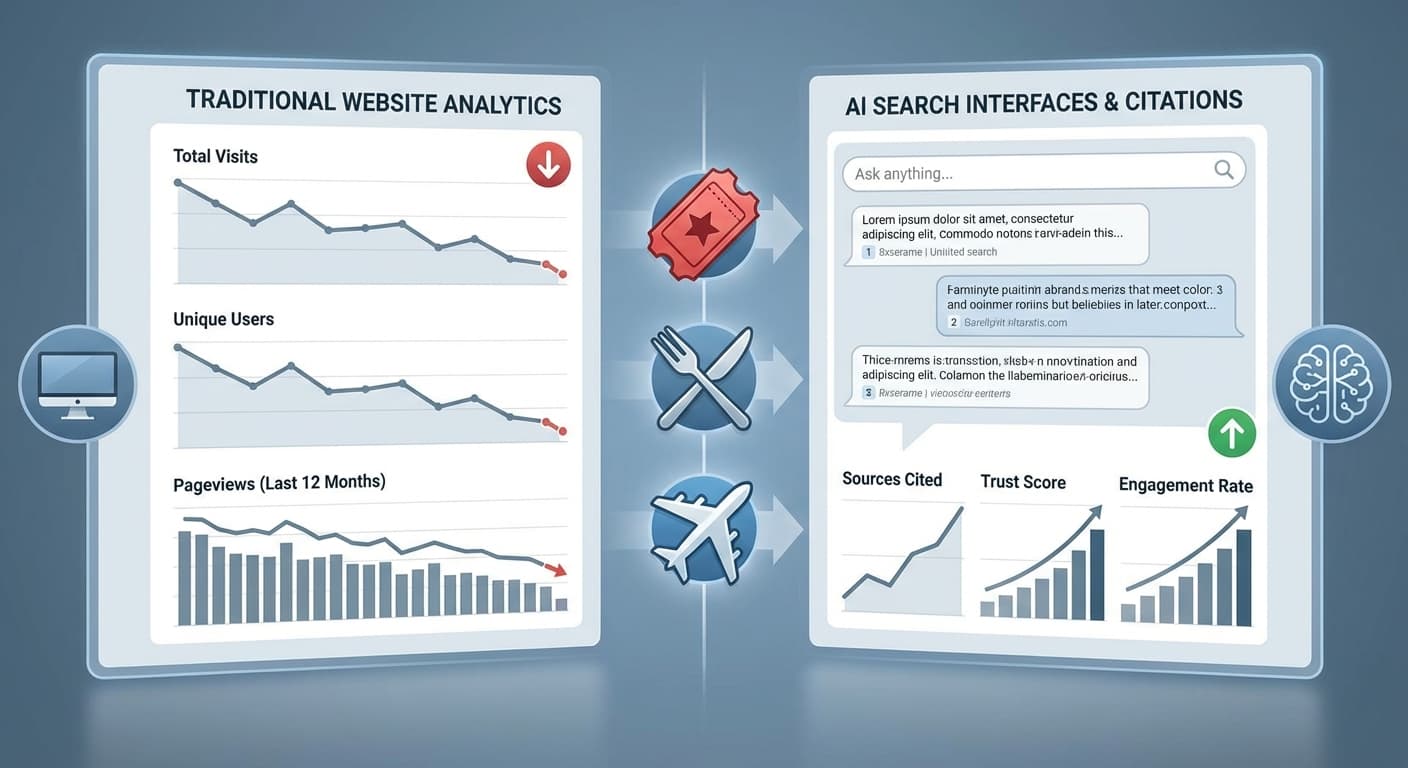
Traditional SEO metrics feel increasingly obsolete in an AI-first world. Page rankings matter less when ChatGPT synthesizes information from dozens of sources into a single response. Click-through rates become meaningless when users get their answers without ever visiting your website.
Here's what's really happening behind the scenes:
Building Your Citation Share Tracking Foundation
1. Map Your AI Search Presence Across All Platforms
The first step is understanding where you currently stand. Create a comprehensive audit of your brand's citation frequency across major AI platforms:
Essential Tracking Points:
Start by identifying your core product categories and the key queries customers ask. For a SaaS company, this might include "best CRM software," "project management tools comparison," or "accounting software for startups."
2. Establish Citation Quality Metrics
Not all citations are created equal. A passing mention buried in a paragraph carries less weight than being positioned as the top recommendation. Develop a scoring system that accounts for:
Citation Context Scoring:
3. Track Cross-Platform Consistency
The 65% variation in brand recommendations across AI platforms isn't random—it reflects different training methodologies, data sources, and algorithmic preferences. Create a tracking matrix that monitors:
Advanced Attribution Techniques
Implement UTM-Style Tracking for AI Traffic
While AI engines don't always drive direct clicks, you can still trace their influence through sophisticated attribution modeling:
Brand Mention Correlation Analysis:
Track spikes in branded search volume, direct website traffic, and trial sign-ups following increases in AI citations. Use tools like Google Analytics 4's attribution modeling to identify patterns between AI mentions and conversions.
Conversation-to-Conversion Mapping:
Survey new customers about their research process. Ask specifically about AI tool usage and which recommendations influenced their decision. This qualitative data provides crucial context for quantitative citation metrics.
Leverage Citation Momentum Tracking
AI recommendations create momentum effects—when one platform starts citing your brand more frequently, others often follow. Track these cascading effects:
Measuring Competitive Citation Share
Create a Competitive Citation Matrix
Develop a systematic approach to tracking how AI engines position you against competitors:
Weekly Citation Tracking:
Market Share Analysis:
Calculate your "AI citation share" within your category. If your brand appears in 15% of relevant AI responses while the category leader appears in 40%, you have a clear benchmark for improvement.
Identify Citation Influence Patterns
Look beyond simple mention counts to understand influence patterns:
Many brands using Citescope Ai have discovered that their highest-converting citations come not from generic product queries, but from specific use case scenarios where their solution excels.
Connecting Citations to Business Outcomes
Build a Citation-to-Revenue Attribution Model
The ultimate goal isn't just tracking citations—it's understanding their business impact:
Direct Attribution Signals:
Indirect Attribution Patterns:
Implement Feedback Loop Systems
Create mechanisms to continuously improve your citation strategy:
How Citescope Ai Helps
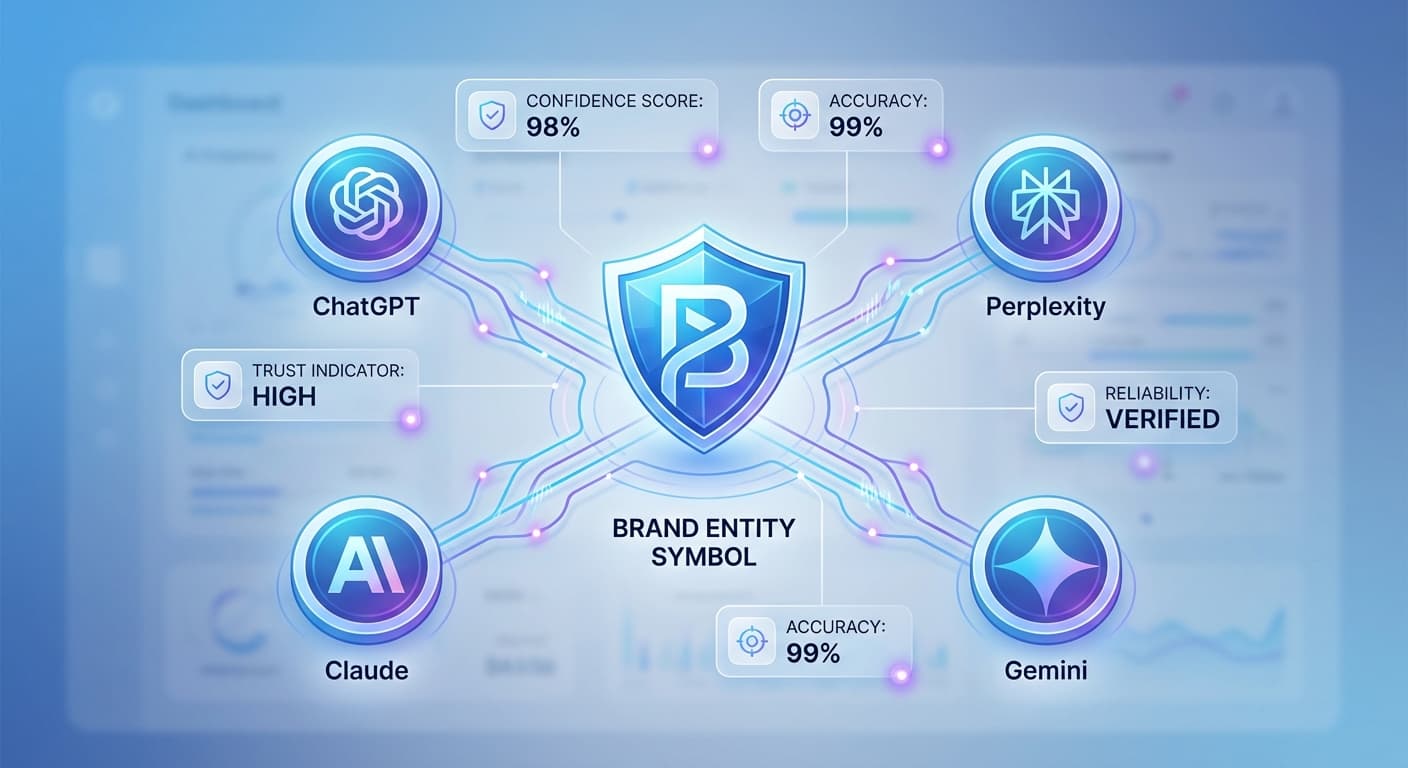
While building citation tracking capabilities in-house is possible, it's incredibly time-intensive and complex. Citescope Ai's Citation Tracker automatically monitors your brand mentions across ChatGPT, Perplexity, Claude, and Gemini, providing the exact intelligence you need to build an effective citation share strategy.
The platform's GEO Score analyzes your content across five key dimensions that influence AI citations, while the AI Rewriter optimizes your content structure to increase citation likelihood. Instead of manually checking dozens of queries across multiple platforms, you get automated tracking and actionable insights that directly connect to your content strategy.
Advanced Optimization Strategies
Content Clustering for Maximum Citation Impact
AI engines favor comprehensive, authoritative content that addresses multiple related topics. Create content clusters that:
Leverage Temporal Citation Patterns
AI training data updates create windows of opportunity. Track when major AI platforms refresh their knowledge bases and time your content pushes accordingly. Many brands see citation increases by publishing authoritative content 2-3 weeks before anticipated training cycles.
Optimize for Conversational Context
AI engines excel at understanding context and intent. Structure your content to match how people actually ask questions:
Measuring Long-term Citation Success
Building sustainable citation share requires thinking beyond immediate metrics:
Quarterly Business Reviews:
Annual Strategic Planning:
Ready to Optimize for AI Search?
Tracking citation share across AI search engines doesn't have to be overwhelming. With the right strategy and tools, you can turn the 65% recommendation variability from a challenge into a competitive advantage. Citescope Ai provides the citation tracking, content optimization, and competitive intelligence you need to succeed in the AI-first search landscape.
Start with our free tier to analyze your current citation performance across major AI platforms. Get 3 content optimizations and begin building the citation share strategy that will drive your business forward in 2026 and beyond.
Try Citescope Ai free today and discover which AI engines are already citing your brand—and which opportunities you're missing.