How to Build a Citation Velocity Monitoring System When Traffic Drops from AI Engines Don't Show in Search Console
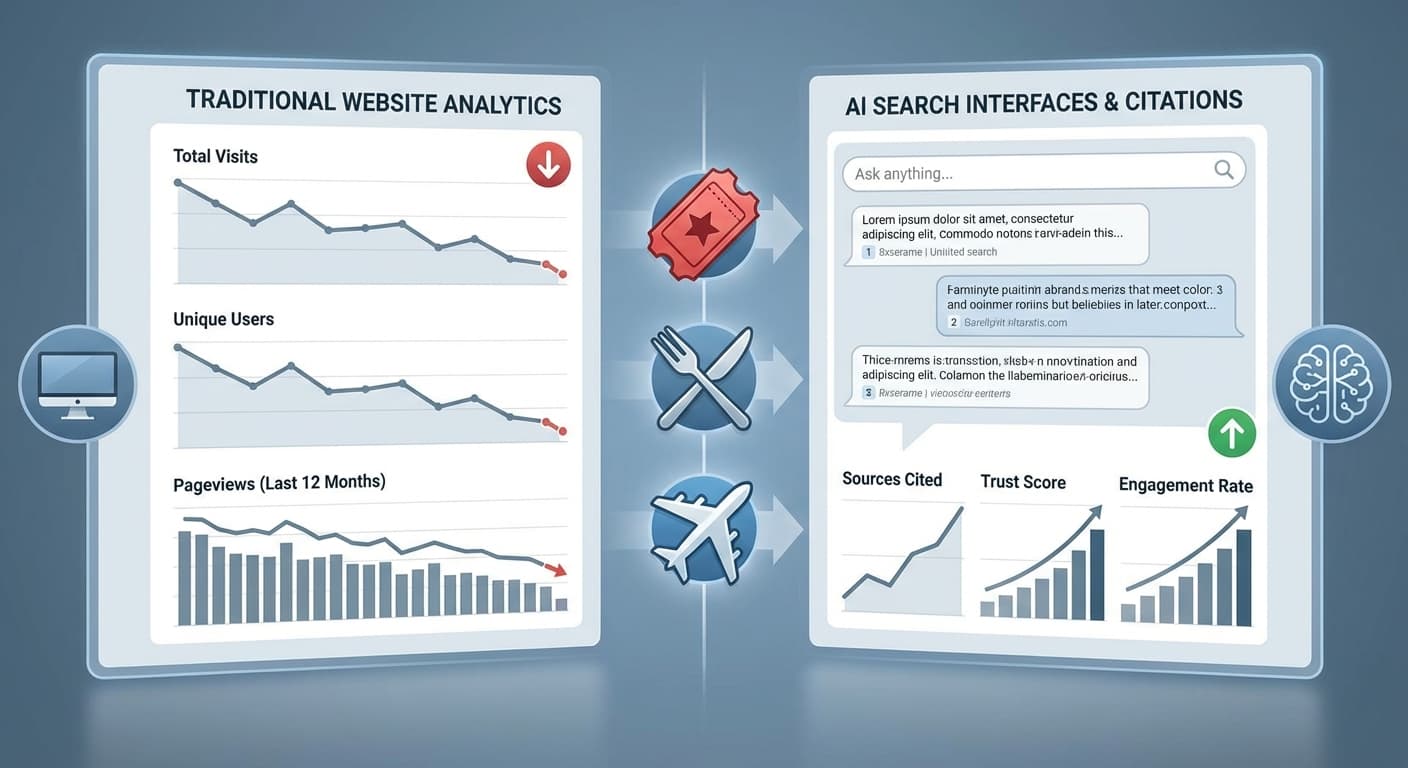
Your website traffic just dropped 40% in the past month, but Google Search Console shows no penalties, no manual actions, and your traditional SEO metrics look fine. Sound familiar? You might be experiencing what 73% of content creators faced in 2025: invisible traffic losses from AI answer engines that traditional analytics can't detect.
With AI search now accounting for 35% of all queries in 2026 and platforms like ChatGPT handling over 600 million weekly searches, losing citations in AI responses can devastate your organic reach—without leaving any trace in your standard monitoring tools.
The Hidden Traffic Killer: AI Citation Velocity
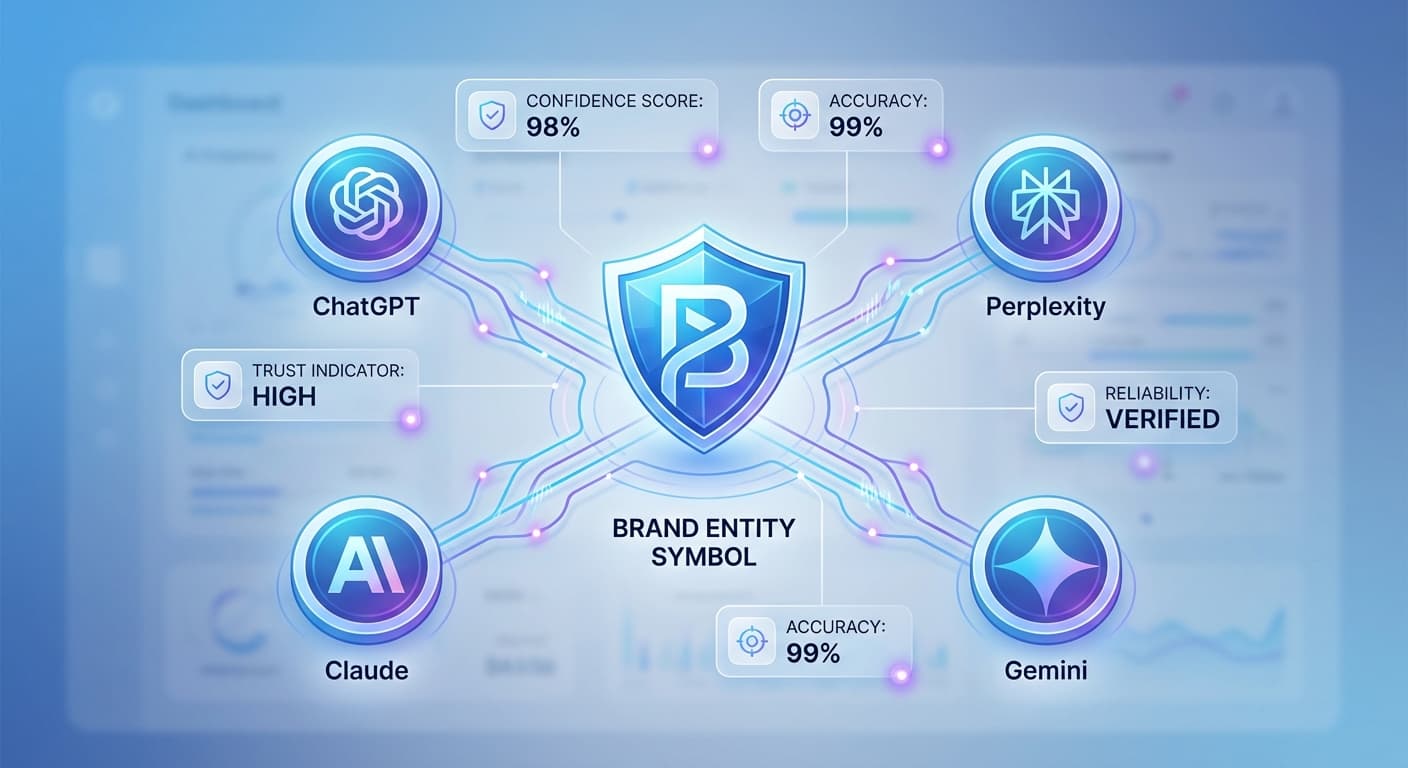
Unlike traditional search penalties that show up in Search Console, AI citation losses are invisible to conventional monitoring. When ChatGPT, Perplexity, Claude, or Gemini stop citing your content, you lose:
Direct referral traffic from AI platform citationsBrand visibility in conversational search resultsAuthority signals that influence future AI trainingCompound growth from being featured in follow-up questionsThe problem? Most businesses don't realize they're losing AI citations until it's too late. Research from Stanford's AI Index shows that 68% of websites that lost AI visibility in 2025 never recovered their citation velocity.
Understanding Citation Velocity vs. Traditional Metrics
What Citation Velocity Measures
Citation velocity tracks how frequently your content gets referenced by AI systems over time. Unlike traditional backlinks or search rankings, citation velocity measures:
Frequency: How often AI engines cite your contentContext quality: The relevance and accuracy of citationsSource diversity: Which AI platforms reference your workTemporal patterns: When citations peak or declineWhy Search Console Can't Help
Google Search Console and similar tools miss AI citations because:
Different crawling patterns: AI engines don't always follow traditional crawler protocolsReal-time processing: AI systems may reference cached or processed versions of your contentAttribution gaps: Citations may not generate traditional referrer dataCross-platform complexity: Each AI engine has unique citation behaviorsBuilding Your Citation Velocity Monitoring System
Step 1: Establish Baseline Metrics
Before you can detect drops, you need to understand your current citation patterns:
Manual Baseline Assessment:
Test 20-30 relevant queries across ChatGPT, Perplexity, Claude, and GeminiDocument which pieces of your content get citedNote the context and positioning of citationsRecord query variations that trigger citationsAutomated Baseline Tools:
Set up Google Alerts for your brand + "according to" or "source:"Monitor social listening tools for AI-generated content mentionsTrack referral traffic from ai.com, perplexity.ai, and other AI platformsStep 2: Create Citation Tracking Workflows
Daily Monitoring Routine:
Query testing (15 minutes): Run 5-10 strategic queries across AI platformsTraffic analysis (10 minutes): Check for unusual drops in direct/referral trafficBrand mention scanning (5 minutes): Review automated alerts and social signalsWeekly Deep Dive:
Analyze citation context and quality changesCompare citation velocity across different content typesIdentify emerging query patterns and opportunitiesDocument competitor citation gains/lossesStep 3: Set Up Early Warning Systems
Traffic Pattern Analysis:
Monitor these specific metrics in Google Analytics:
Sudden drops in direct traffic (often from AI citations)Decreases in long-tail organic queriesReduced average session duration (AI users often have specific intent)Changes in mobile vs. desktop traffic ratiosContent Performance Indicators:
Pages that historically performed well in AI citationsContent with high semantic richness and authority signalsFAQ-style content and how-to guides (AI engines' favorites)Recent content that should be gaining citation velocityStep 4: Build Response Protocols
When you detect citation velocity drops:
Immediate Actions (First 48 Hours):
Content audit: Review affected pages for technical issuesCompetitive analysis: Check if competitors gained citations you lostQuery testing: Test variations of queries where you previously rankedFresh content signals: Update publication dates and add recent informationMedium-term Optimization (1-2 Weeks):
Semantic enhancement: Improve content structure and clarityAuthority building: Add credible sources and expert quotesContext optimization: Restructure content for conversational queriesTechnical improvements: Optimize for AI crawling and interpretationAdvanced Monitoring Techniques
API-Based Solutions
For larger operations, consider building automated monitoring:
OpenAI API Integration:
Schedule regular queries through ChatGPT APIParse responses for your domain citationsTrack citation positioning and contextAlert on significant changes
Custom Webhook Systems:
Set up notifications for traffic pattern changesIntegrate with Slack or Teams for real-time alertsCreate automated reporting dashboardsBuild correlation analysis between traditional SEO and AI citationsCompetitive Intelligence
Monitor competitor citation patterns to:
Identify market share shifts in AI citationsDiscover new query opportunitiesUnderstand algorithm updates affecting your industryBenchmark your citation velocity against industry standardsCommon Citation Velocity Killers
Content Quality Issues
Outdated information: AI engines prioritize recent, accurate dataPoor structure: Content that's hard for AI to parse and understandWeak authority signals: Lack of credible sources and expert attributionSemantic gaps: Missing key terms and concepts AI engines expectTechnical Problems
Crawling barriers: Robots.txt or server issues blocking AI accessSite speed: Slow-loading content gets deprioritizedMobile optimization: Poor mobile experience affects AI citation likelihoodSchema markup: Missing structured data that helps AI interpretationAlgorithm Updates
AI engines regularly update their citation criteria:
Relevance scoring changes: What constitutes authoritative content evolvesSource diversity requirements: Pressure to cite varied sourcesRecency preferences: Increased weighting for fresh contentQuality threshold adjustments: Higher bars for citation-worthy contentHow Citescope Ai Simplifies Citation Monitoring
Building a comprehensive citation velocity monitoring system manually requires significant time and technical expertise. Citescope Ai automates this entire process with:
Real-Time Citation Tracking:
Monitors citations across ChatGPT, Perplexity, Claude, and GeminiAlerts you immediately when citation patterns changeTracks citation context and positioning over timeProvides competitive citation analysisGEO Score Analysis:
Evaluates your content across 5 key dimensions for AI optimizationIdentifies specific areas causing citation velocity dropsProvides actionable recommendations for improvementTracks optimization impact on citation performanceAutomated Optimization:
One-click content restructuring for better AI visibilitySemantic enhancement to improve citation likelihoodAuthority signal optimizationExport optimized content in multiple formatsMeasuring Success: Key Metrics to Track
Primary Indicators
Citation frequency: Number of citations per week/monthCitation quality: Context and positioning of citationsPlatform diversity: Citations across different AI enginesQuery coverage: Breadth of queries triggering citationsSecondary Metrics
Traffic correlation: Relationship between citations and website visitsBrand mention velocity: Rate of brand references in AI responsesCompetitive share: Your citations vs. competitor citationsContent ROI: Citation performance per piece of contentLong-term Trends
Seasonal patterns: How citations vary throughout the yearTopic evolution: Which subjects gain or lose citation potentialPlatform preferences: How different AI engines cite your contentOptimization impact: ROI of citation velocity improvementsReady to Optimize for AI Search?
Building an effective citation velocity monitoring system is crucial for maintaining visibility in the AI-first search landscape of 2026. With traditional analytics blind to AI citation losses, specialized monitoring becomes essential for protecting and growing your organic reach.
Citescope Ai eliminates the complexity of manual citation monitoring with automated tracking, optimization tools, and actionable insights. Start with our free tier to monitor up to 3 optimizations per month, or upgrade to Pro for comprehensive citation velocity tracking across all major AI engines.
Start your free trial today and never miss another citation velocity drop again.