How to Build a Conversion Recovery Strategy When AI Search Engines Launch Embedded Chatbot Assistants That Answer Post-Purchase Questions and Cancel 43% of Customer Success Onboarding Calls
How to Build a Conversion Recovery Strategy When AI Search Engines Launch Embedded Chatbot Assistants That Answer Post-Purchase Questions and Cancel 43% of Customer Success Onboarding Calls
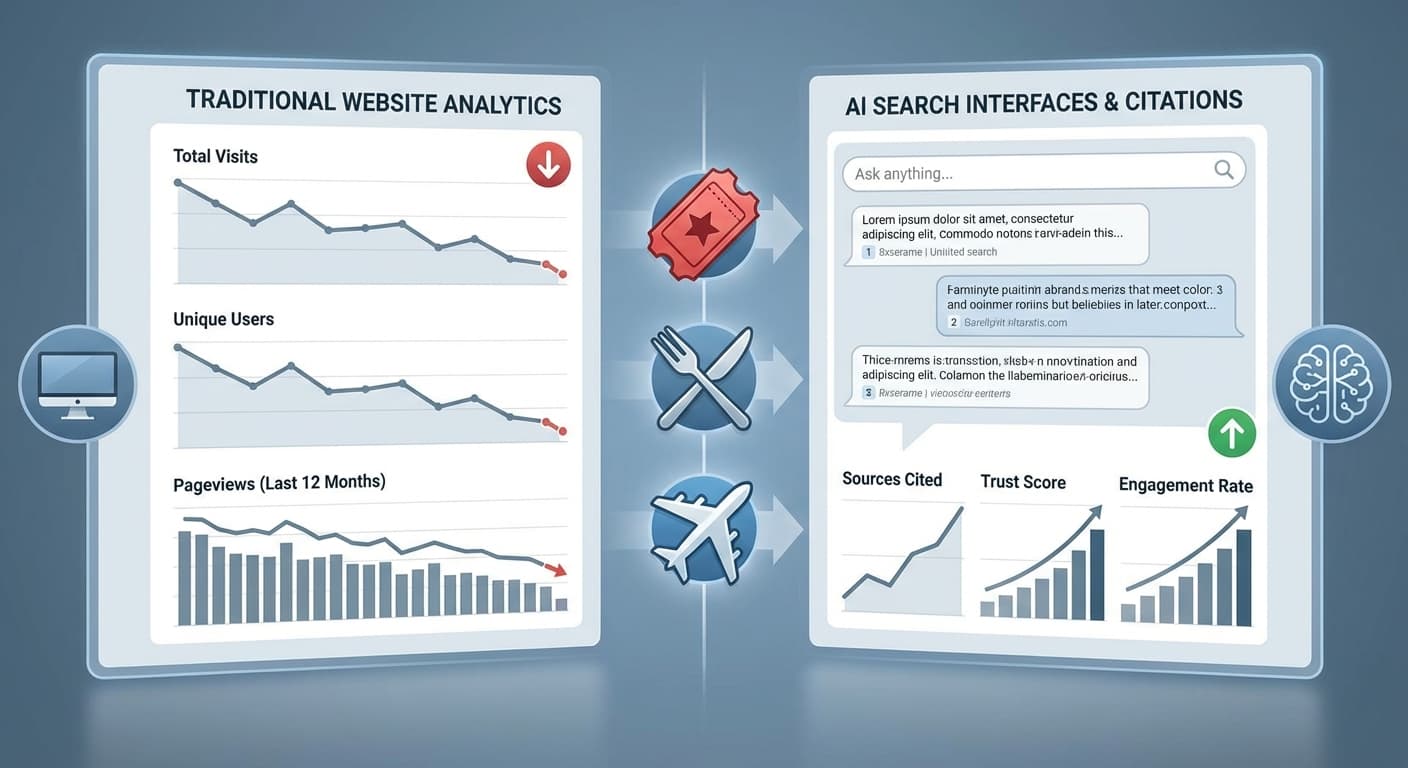
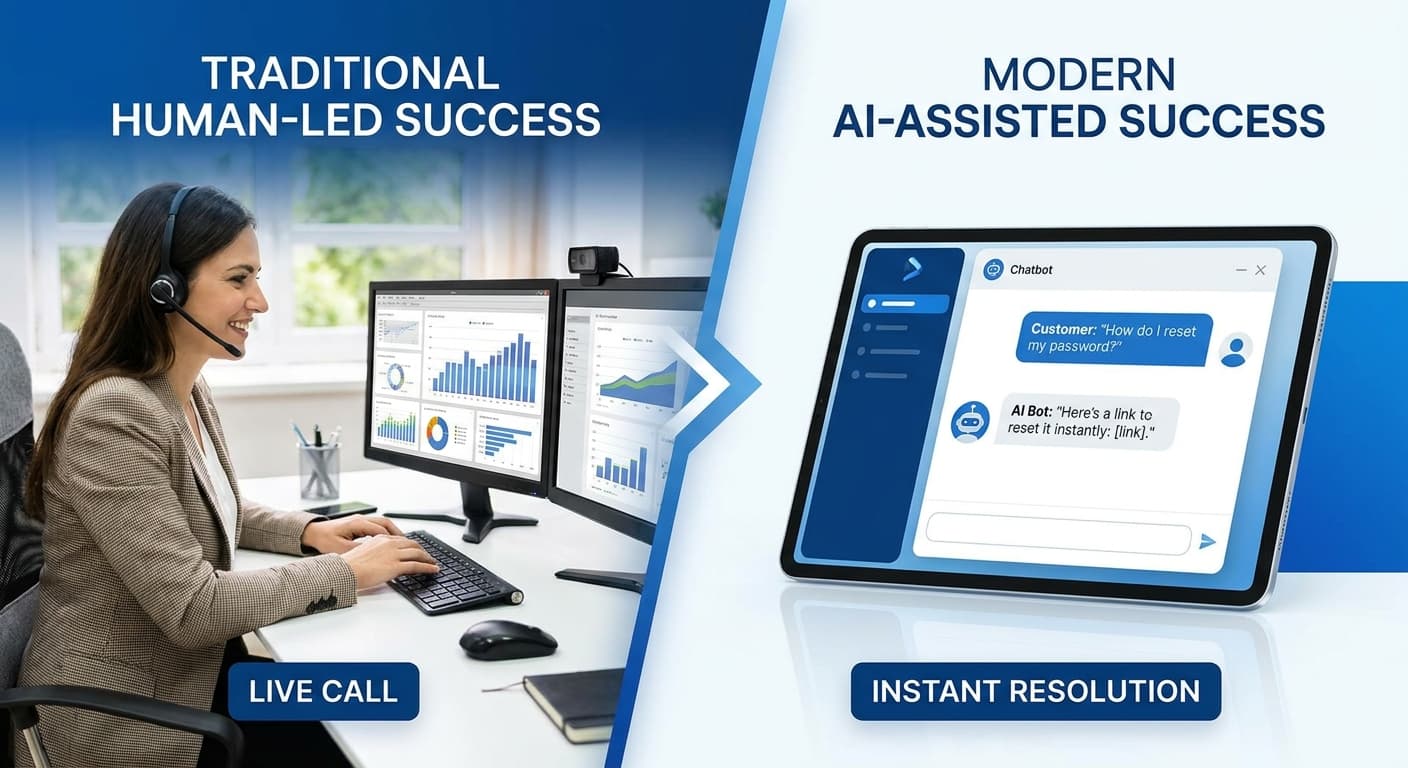
By January 2026, AI search engines have fundamentally transformed the customer journey. Recent data shows that 43% of scheduled customer success onboarding calls are now being canceled because customers get their questions answered instantly through AI chatbot assistants embedded directly in search results. While this shift presents challenges for traditional customer success teams, it also creates unprecedented opportunities for businesses that adapt quickly.
The New Reality: AI Is Intercepting Your Customer Journey
The statistics paint a clear picture of this dramatic shift:
This isn't just changing how customers find information—it's completely reshaping the conversion and retention funnel.
Understanding the Impact on Your Conversion Recovery
When customers can instantly get answers to questions like "How do I integrate this with Salesforce?" or "What's the difference between the Pro and Enterprise plans?" without talking to your team, traditional conversion recovery strategies fall short.
The Traditional vs. AI-Era Customer Journey
Traditional Path:
2026 AI-Era Path:
Building Your AI-Era Conversion Recovery Strategy
1. Create AI-Discoverable Success Content
Your first priority should be ensuring that when customers search for help, they find your authoritative content, not generic advice from competitors or outdated forum posts.
Key Content Types to Develop:
AI Optimization Best Practices:
2. Implement Proactive Engagement Triggers
Since you can't rely on onboarding calls to identify at-risk customers, you need new early warning systems.
Smart Trigger Points:
3. Develop AI-Assisted Customer Success Workflows
Instead of fighting AI, make it work for your customer success team.
Hybrid Approach Strategies:
4. Build Authority in AI Search Results
The goal isn't just to be found—it's to be the definitive source that AI engines cite when customers ask questions about your industry or product category.
Authority-Building Tactics:
When optimizing content for AI discoverability, tools like Citescope Ai can analyze your content across five key dimensions—AI Interpretability, Semantic Richness, Conversational Relevance, Structure, and Authority—giving you a clear GEO Score to guide improvements.
5. Create Value-Added Touchpoints
Since basic onboarding questions are handled by AI, your human touchpoints need to provide higher-level value.
Next-Level Engagement Strategies:
6. Leverage AI Search Data for Customer Insights
AI search behavior provides unprecedented insight into customer needs and pain points.
Data Points to Track:
7. Optimize for Voice and Conversational Queries
As AI assistants become more conversational, optimize your content for natural language queries.
Conversational Optimization Examples:
Measuring Success in the AI Era
Traditional metrics like "onboarding call attendance" become less relevant. Focus on:
How Citescope Ai Helps
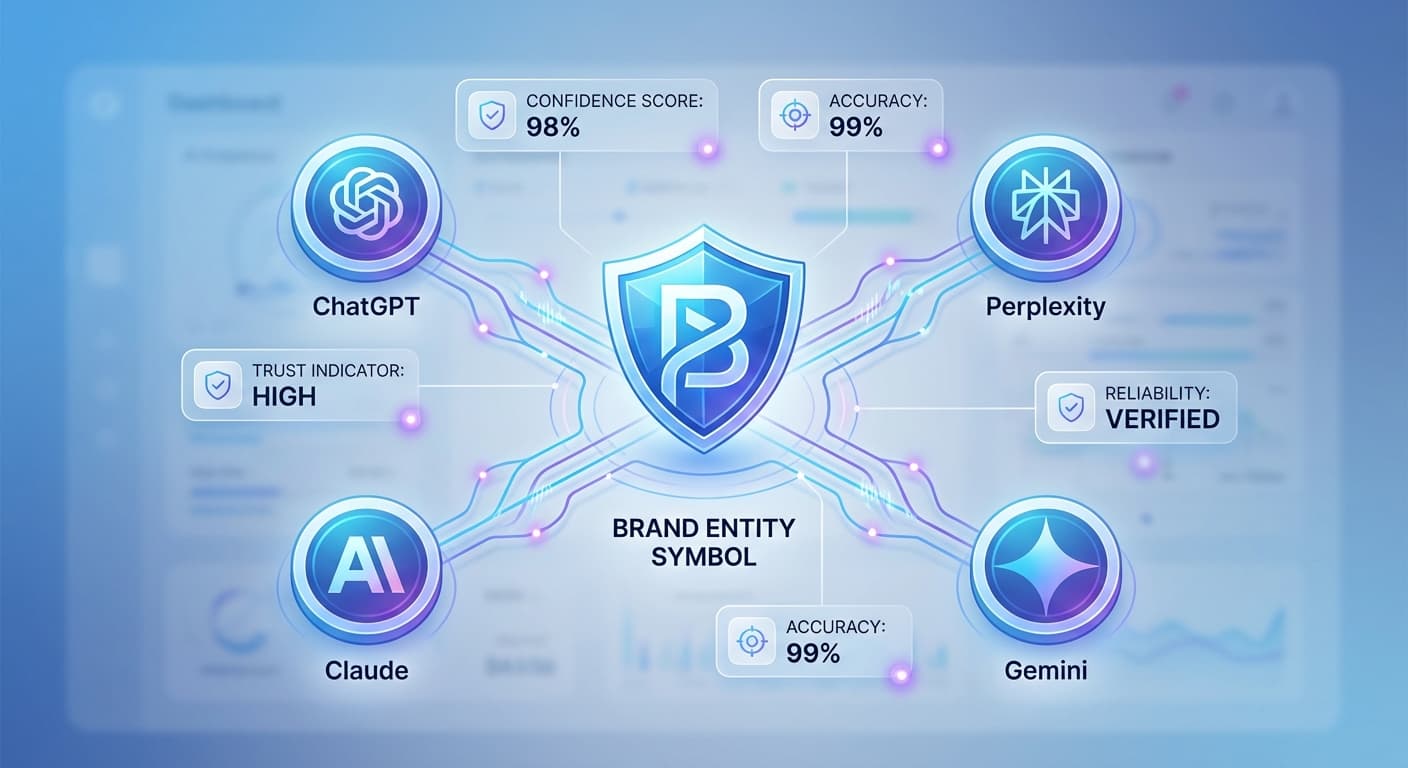
Navigating this shift requires understanding how AI search engines discover, interpret, and cite your content. Citescope Ai's Citation Tracker monitors when your content gets cited by ChatGPT, Perplexity, Claude, and Gemini, helping you understand which pieces are most effective at reaching customers during their moment of need.
The platform's AI Rewriter can transform your existing onboarding materials into AI-optimized content that's more likely to surface when customers search for help. This one-click optimization restructures your content for better AI visibility while maintaining your expertise and brand voice.
The Competitive Advantage
Companies that adapt quickly to this AI-first customer journey will gain significant advantages:
Implementation Timeline
Week 1-2: Audit existing content and identify gaps
Week 3-4: Optimize top 20 pieces of customer success content for AI search
Week 5-6: Implement new engagement triggers and monitoring systems
Week 7-8: Launch AI-assisted customer success workflows
Ongoing: Monitor performance and iterate based on AI citation data
Ready to Optimize for AI Search?
The shift to AI-powered customer journeys isn't coming—it's here. While 43% fewer onboarding calls might seem like a crisis, it's actually an opportunity to build more efficient, scalable customer success systems that deliver better experiences.
Citescope Ai helps you navigate this transition by ensuring your content gets discovered and cited by AI search engines when your customers need help most. Start with our free tier to optimize your first three pieces of customer success content, then scale up as you see results.
Try Citescope Ai free today and turn AI search disruption into your competitive advantage.