GEO Strategy

How to Build a Cross-Channel AI Visibility Strategy When 25% of Searches Will Bypass Your Website by End of 2026
January 25, 20267 min read
How to Build a Cross-Channel AI Visibility Strategy When 25% of Searches Will Bypass Your Website by End of 2026

How to Build a Cross-Channel AI Visibility Strategy When 25% of Searches Will Bypass Your Website by End of 2026

By the end of 2026, analysts predict that 25% of all search queries will never reach a traditional website. Instead, users will get their answers directly from AI search engines like ChatGPT, Perplexity, Claude, and Gemini—without ever clicking through to your carefully crafted landing pages.

This seismic shift in search behavior isn't coming—it's already here. With over 600 million weekly ChatGPT users and 73% of Gen Z now using AI for search, the question isn't whether you should optimize for AI visibility, but how to build a comprehensive strategy that captures attention across all these emerging channels.

The New Reality of AI-First Search

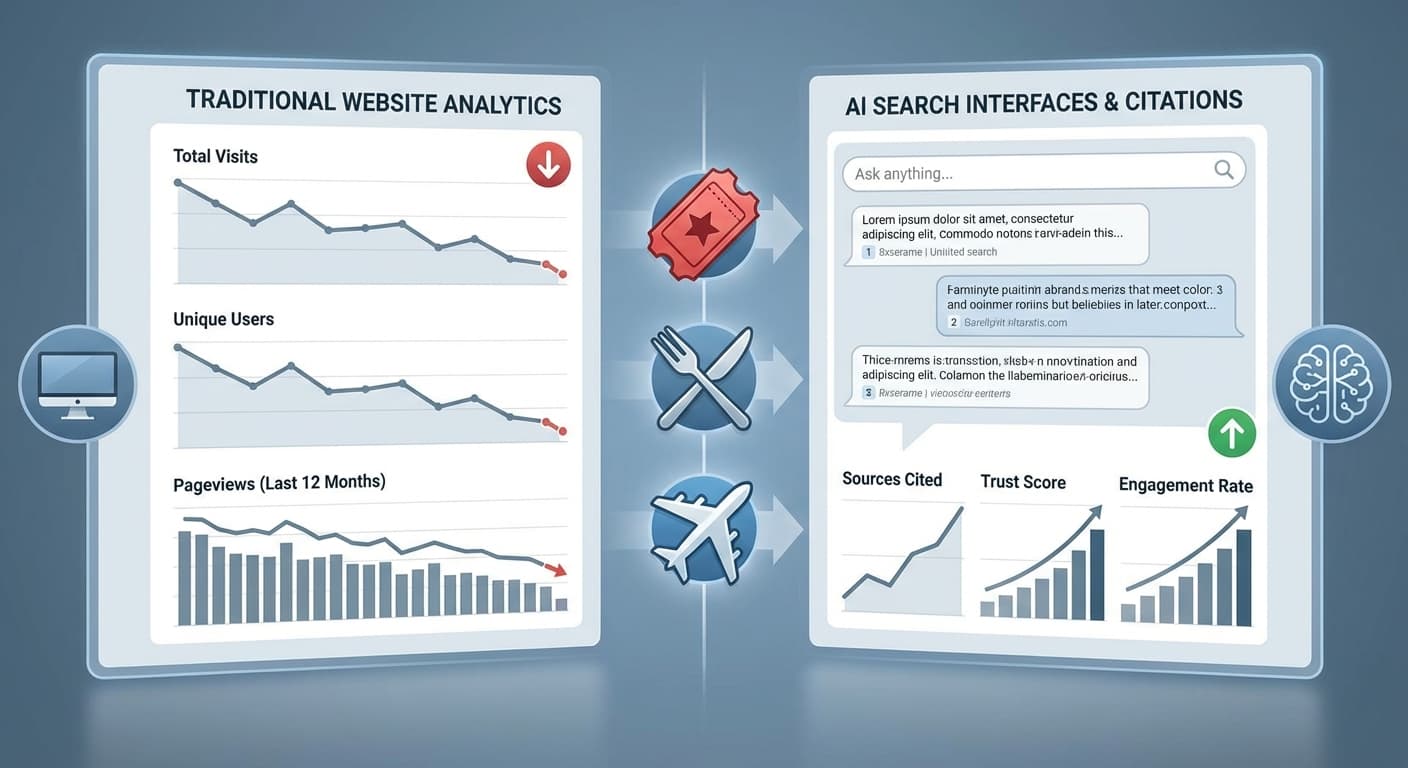
Traditional SEO focused on getting users to your website. AI search optimization focuses on getting your content cited as the authoritative source, even when users never visit your site. This fundamental shift requires a completely different approach to content strategy.

Here's what's happening in 2026:

  • AI search queries have grown 340% year-over-year across major platforms

  • 67% of professionals now use AI search engines for work-related research

  • Direct website traffic has declined 18% as more queries are answered conversationally

  • Citation-based authority is becoming more valuable than traditional backlinks
  • Understanding Cross-Channel AI Visibility

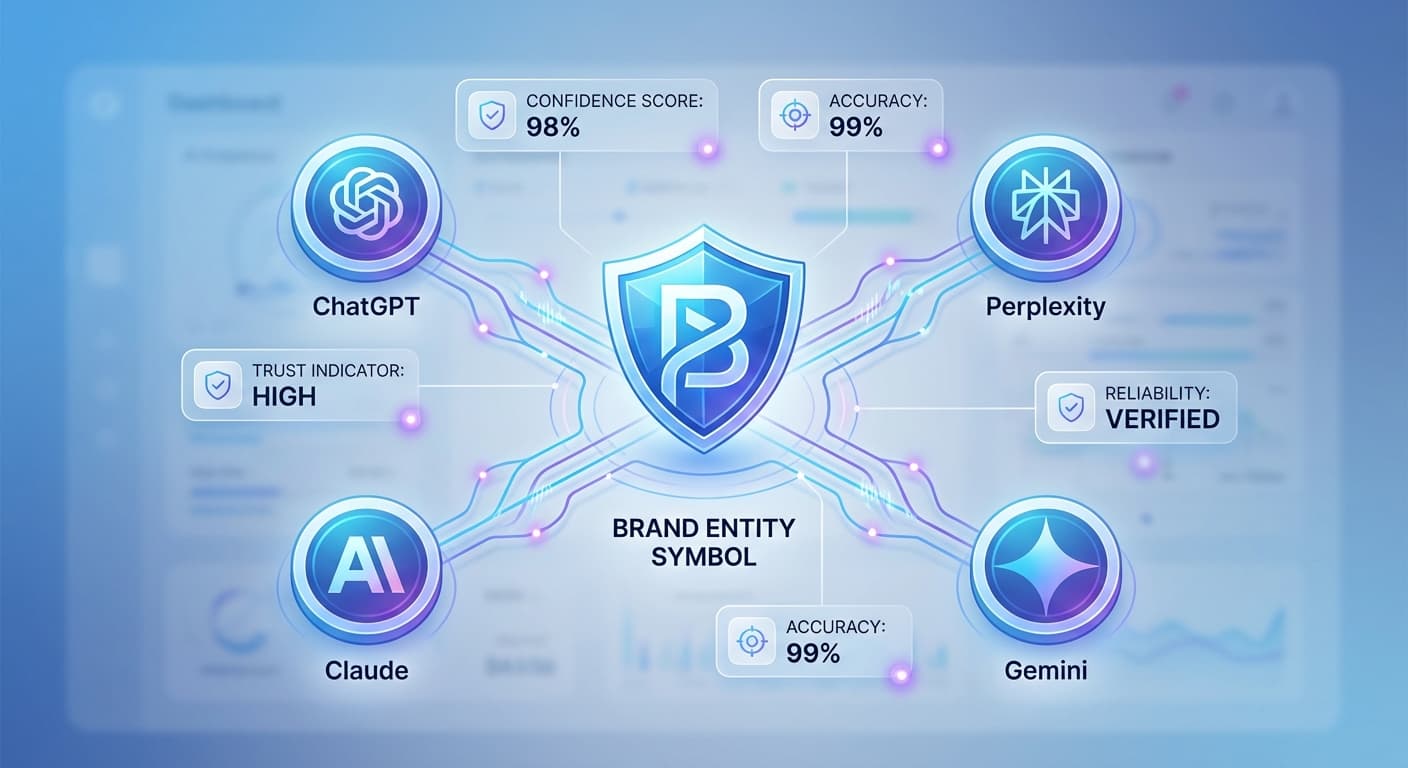
    Cross-channel AI visibility means ensuring your content can be discovered, understood, and cited across multiple AI search platforms simultaneously. Each platform has its own preferences:

    ChatGPT's Content Preferences


  • Conversational, question-answering format

  • Well-structured data with clear hierarchies

  • Recent, authoritative sources with citations

  • Content that directly addresses user intent
  • Perplexity's Algorithm Focus


  • Real-time information and current events

  • Technical accuracy and source credibility

  • Multi-perspective coverage of topics

  • Clear, factual statements without fluff
  • Claude's Content Analysis


  • Nuanced, thoughtful analysis

  • Comprehensive coverage with context

  • Ethical considerations and balanced viewpoints

  • Well-researched, scholarly sources
  • Gemini's Indexing Priorities


  • Multi-modal content (text, images, video)

  • Local and personalized information

  • Integration with Google's knowledge graph

  • Fresh content with regular updates
  • Building Your Cross-Channel Strategy

    1. Audit Your Current AI Visibility

    Before optimizing, understand where you stand. Test your key topics across different AI platforms:

  • Search for your main topics on ChatGPT, Perplexity, Claude, and Gemini

  • Note which competitors are being cited

  • Identify gaps where your expertise isn't being recognized

  • Document the different answer formats each platform prefers
  • 2. Create AI-Optimized Content Formats

    Different AI engines prefer different content structures. Create multiple versions of your key content:

    The FAQ Format: Perfect for ChatGPT's conversational nature

  • Start with common questions your audience asks

  • Provide comprehensive, direct answers

  • Use natural language patterns
  • The Technical Brief: Ideal for Perplexity's fact-focused approach

  • Lead with key statistics and data points

  • Include methodology and source citations

  • Structure with clear headings and subheadings
  • The Analysis Piece: Suited for Claude's analytical preferences

  • Provide multiple perspectives on complex topics

  • Include context and implications

  • Address potential counterarguments
  • The Multi-Modal Guide: Optimized for Gemini's comprehensive approach

  • Combine text with visual elements

  • Include step-by-step processes

  • Add location or time-specific information when relevant
  • 3. Implement Semantic Richness Strategies

    AI engines understand context better than traditional search engines. Enhance your content's semantic richness:

  • Use Entity Recognition: Clearly define key terms, people, and concepts

  • Add Contextual Links: Connect related concepts within your content

  • Include Relevant Examples: Provide concrete illustrations of abstract concepts

  • Create Topic Clusters: Build comprehensive coverage around core themes
  • 4. Optimize for AI Interpretability

    Make your content easy for AI to parse and understand:

  • Use clear, descriptive headings (H2, H3) that summarize content sections

  • Include bulleted lists for key points and takeaways

  • Add structured data markup where applicable

  • Create clear topic sentences that summarize paragraphs

  • Use transition phrases that show relationships between ideas
  • Tools like Citescope Ai can analyze your content across these interpretability factors, providing a GEO Score that measures how well AI engines can understand and cite your content.

    5. Build Authority Signals

    AI engines rely heavily on authority indicators:

  • Expert Authorship: Clearly identify subject matter experts

  • Source Citations: Link to authoritative, recent sources

  • Regular Updates: Keep information current and accurate

  • Peer Recognition: Encourage industry citations and mentions
  • 6. Monitor and Track Performance

    Unlike traditional SEO, AI visibility requires monitoring across multiple platforms:

  • Track when your content gets cited by different AI engines

  • Monitor the context in which you're being referenced

  • Identify which content formats perform best on each platform

  • Adjust strategy based on citation patterns
  • Advanced Optimization Techniques

    Platform-Specific Customization

    Create platform-optimized versions of your core content:

  • ChatGPT Optimization: Focus on conversational flow and direct answers

  • Perplexity Enhancement: Emphasize data accuracy and source credibility

  • Claude Adaptation: Add analytical depth and multiple perspectives

  • Gemini Integration: Include multimedia elements and local relevance
  • Content Syndication Strategy

    Distribute your AI-optimized content across multiple channels:

  • Industry publications and guest posting

  • Professional social networks (LinkedIn, industry forums)

  • Podcast appearances and interviews

  • Speaking engagements and webinars

  • Email newsletters and thought leadership series
  • Performance Measurement Framework

    Establish metrics that matter for AI visibility:

  • Citation Frequency: How often you're referenced across platforms

  • Citation Context: The quality and relevance of citations

  • Topic Authority: Your recognized expertise in key subject areas

  • Cross-Platform Reach: Visibility across multiple AI engines

  • Engagement Depth: How thoroughly your content is referenced
  • How Citescope Ai Helps

    Building a cross-channel AI visibility strategy requires specialized tools that understand how different AI engines evaluate content. Citescope Ai provides:

  • GEO Score Analysis: Comprehensive scoring across 5 key dimensions that AI engines prioritize

  • AI Rewriter: One-click optimization that adapts your content for better AI visibility

  • Multi-Platform Citation Tracking: Monitor when your content gets cited across ChatGPT, Perplexity, Claude, and Gemini

  • Export Flexibility: Download optimized content in multiple formats for different distribution channels
  • The platform helps you understand not just whether your content is AI-optimized, but specifically how to improve it for better performance across different AI search engines.

    Common Pitfalls to Avoid

    Over-Optimization for One Platform


    Don't focus exclusively on one AI engine. Each platform has different preferences, and a balanced approach yields better overall results.

    Ignoring Content Quality


    AI engines are sophisticated—they can detect and penalize low-quality, keyword-stuffed content. Focus on genuine value and expertise.

    Neglecting Updates


    AI engines favor fresh, current information. Regularly update your content to maintain visibility.

    Forgetting Human Readers


    While optimizing for AI is crucial, remember that humans still consume your content. Balance AI optimization with readability and engagement.

    The Future of AI Search

    As we move deeper into 2026, expect these trends to accelerate:

  • More sophisticated AI understanding of context and nuance

  • Increased importance of real-time, authoritative information

  • Growing integration between different AI platforms

  • Enhanced multimedia and multi-modal search capabilities
  • Ready to Optimize for AI Search?

    The shift to AI-first search isn't slowing down—it's accelerating. While 25% of searches may bypass websites by end of 2026, brands that build comprehensive AI visibility strategies now will capture the attention of users across all these emerging channels.

    Citescope Ai makes it easy to optimize your content for AI search engines with tools specifically designed for this new landscape. Start with our free tier to optimize up to 3 pieces of content per month, or upgrade to Pro for unlimited optimizations and advanced citation tracking.
    Start optimizing your content for AI search engines today →

    AI search optimizationcross-channel strategyAI visibilitysearch engine evolutioncontent marketing 2026

    Track your AI visibility

    See how your content appears across ChatGPT, Perplexity, Claude, and more.

    Start for Free