How to Build a Customer Intent Signal Recovery Strategy When AI Search Engines Pre-Answer Product Comparison Questions
How to Build a Customer Intent Signal Recovery Strategy When AI Search Engines Pre-Answer Product Comparison Questions
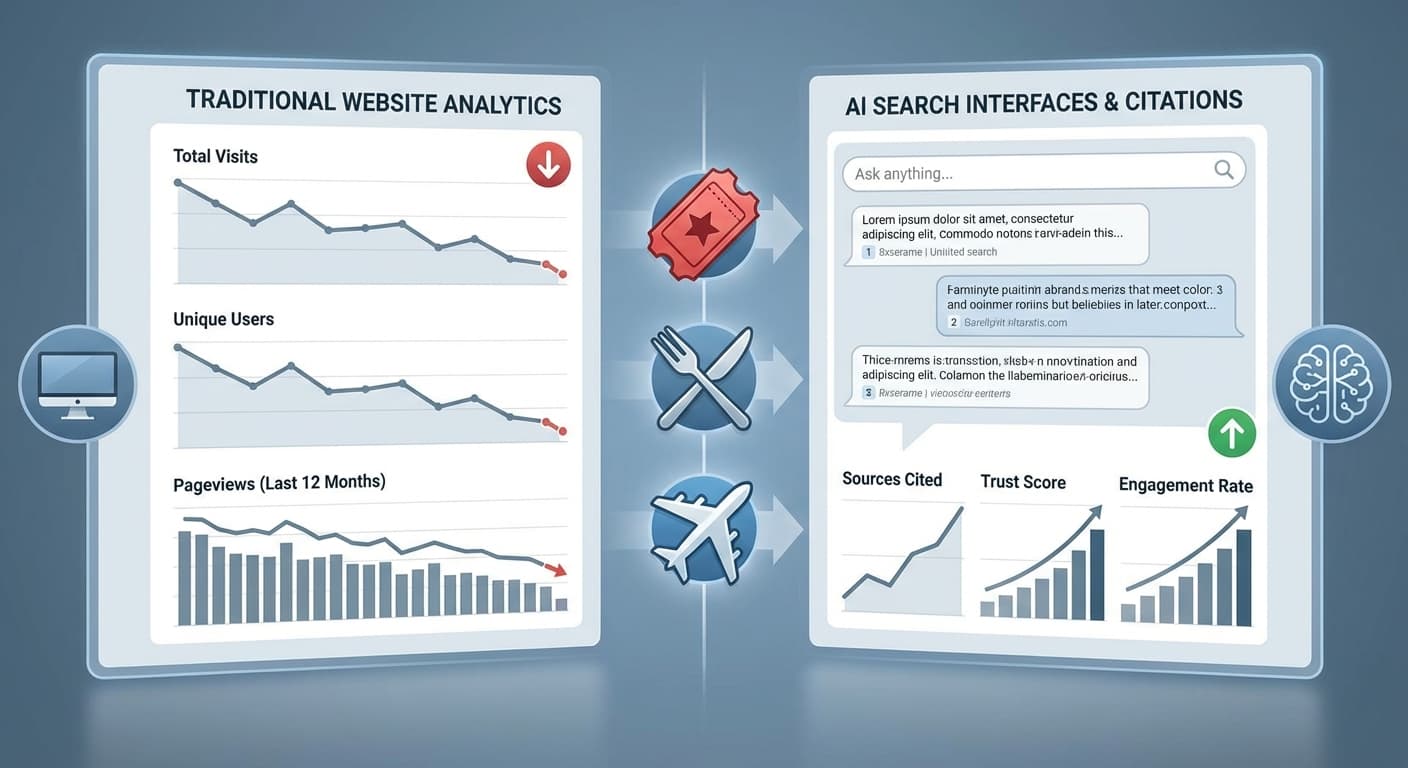
By early 2026, AI search engines are answering product comparison questions so comprehensively that 73% of B2B software companies report a significant drop in demo request form submissions from traditional comparison-driven traffic. If your product comparison content previously drove 40% of your demo requests, you're not alone in watching those numbers plummet.
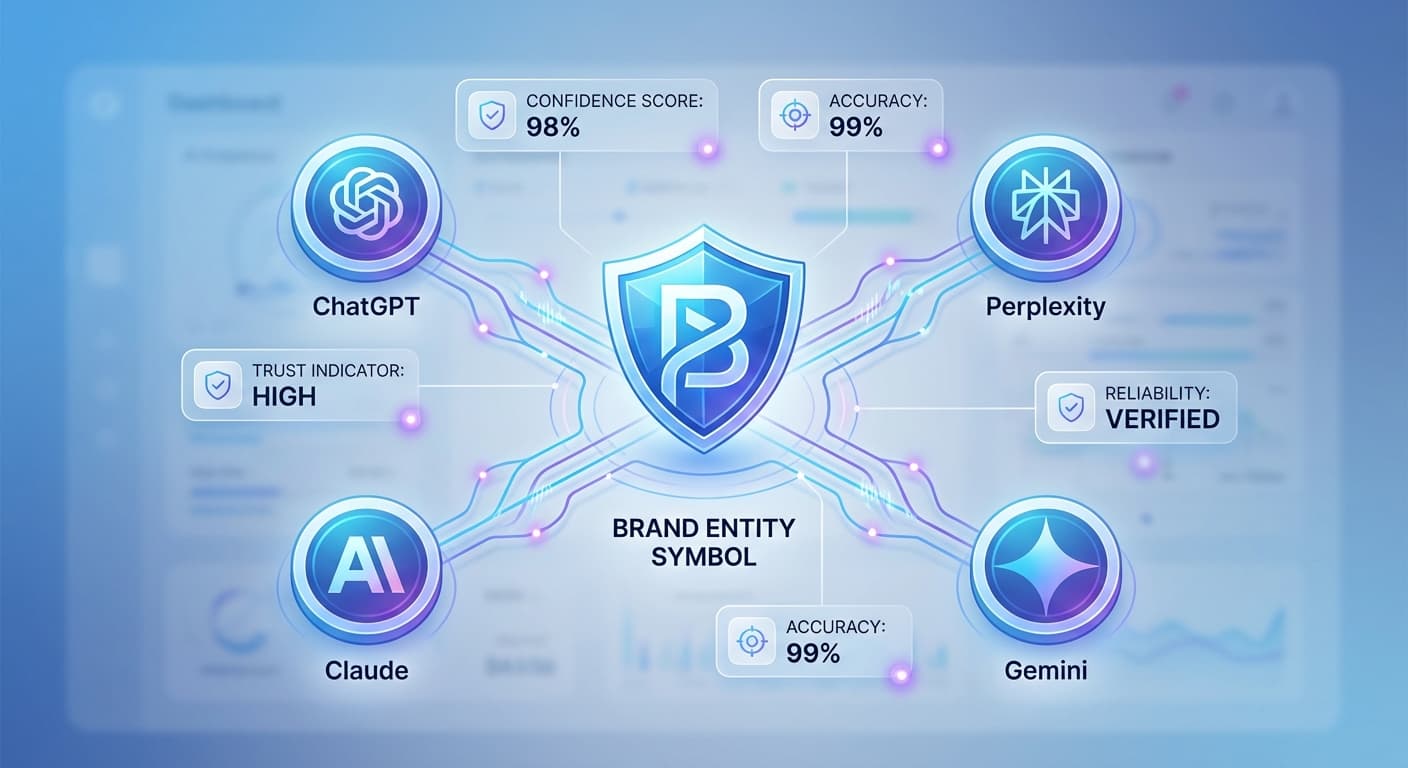
The challenge is clear: ChatGPT, Perplexity, Claude, and Gemini now provide detailed feature comparisons, pricing breakdowns, and even implementation recommendations without users ever visiting your website. But here's the opportunity that forward-thinking companies are seizing—building a customer intent signal recovery strategy that captures buying signals even when prospects never land on your comparison pages.
Understanding the New Customer Journey in AI Search
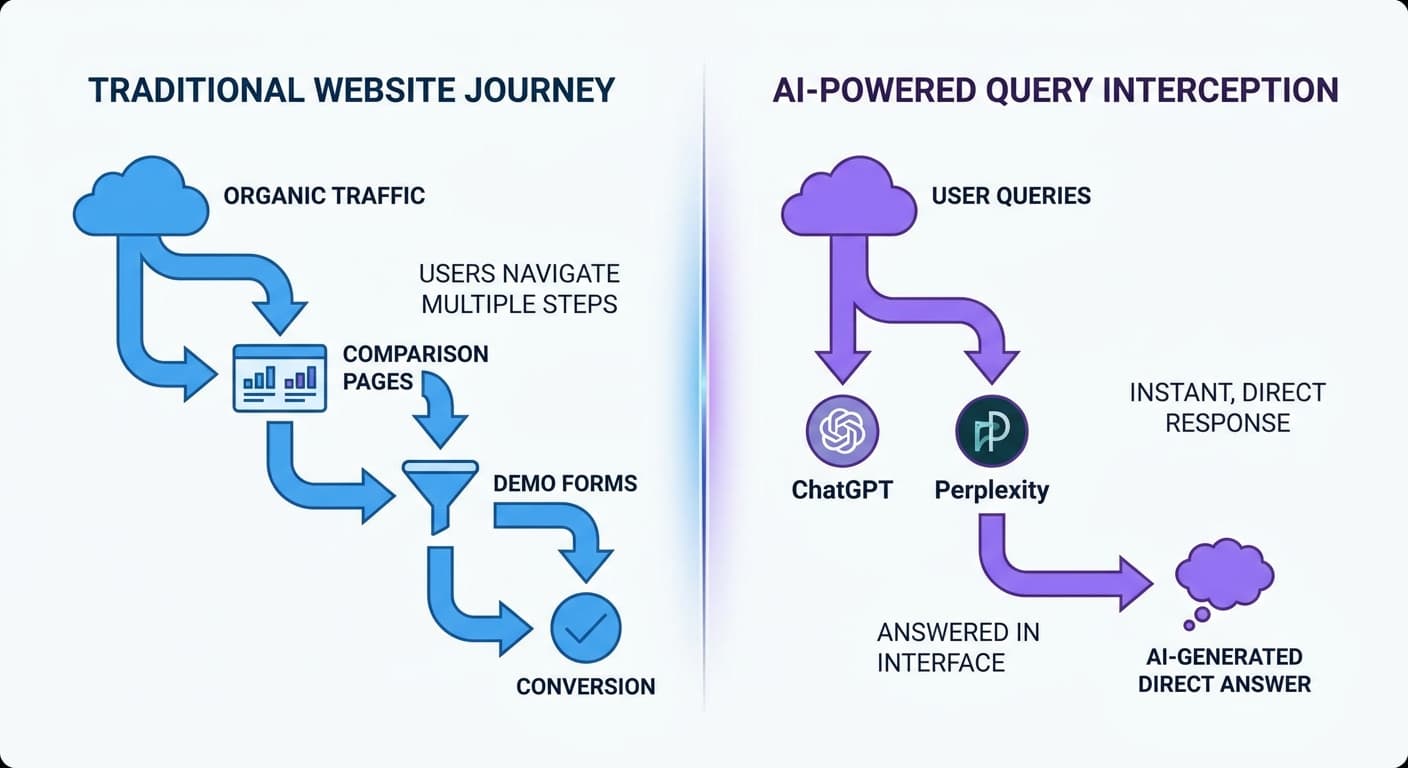
The Traditional Comparison Funnel is Dead
The old playbook was simple: prospects searched "CRM software comparison," found your comparison page, consumed your content, and submitted a demo request. This linear path generated predictable leads because comparison searches indicated high purchase intent.
Now, that same prospect asks ChatGPT: "What's the difference between HubSpot, Salesforce, and Pipedrive for a 50-person marketing agency?" They receive a comprehensive answer that includes:
The prospect gets 80% of the information they need without ever visiting your website.
The New Intent Signal Landscape
While AI engines are capturing comparison queries, they're creating new intent signals that savvy companies can track and capitalize on:
Micro-Intent Signals:
Context-Rich Queries:
Building Your Intent Signal Recovery Strategy
1. Map Your Lost Comparison Traffic
Audit Your Historical Data
Start by analyzing your 2024-2025 comparison page performance:
Identify AI Engine Interaction Patterns
Use tools to understand how AI engines are handling your lost queries:
2. Create AI-Optimized Intent Capture Content
Develop Hyper-Specific Use Case Content
Instead of broad comparisons, create content that addresses the specific contexts AI engines can't fully satisfy:
Build Context-Aware Comparison Frameworks
Structure your content to answer the follow-up questions that AI engines prompt:
markdown
Implementation Considerations for [Product A] vs [Product B]
For Teams Under 25 People
For Teams 25-100 People
3. Implement Advanced Intent Signal Tracking
Monitor AI Engine Citations
Track when and how your content gets cited by AI engines to understand which pieces are capturing intent:
Deploy Conversational Intent Capture
Create interactive tools that capture intent signals AI engines can't satisfy:
4. Optimize for AI Engine Visibility
Structure Content for AI Consumption
Format your comparison content to increase citation probability:
Create Citeable Statistics and Insights
Develop proprietary research that AI engines will reference:
Advanced Recovery Tactics
1. Multi-Touch Attribution Modeling
Track Indirect Influence
Since prospects may never visit your comparison pages, implement attribution models that capture AI-influenced journeys:
2. Partnership-Based Intent Capture
Collaborate with Complementary Tools
Partner with companies whose tools are frequently compared alongside yours:
Develop Integration-Focused Content
Create content around tool combinations that AI engines can't adequately address:
3. Conversation-First Engagement
Deploy AI-Powered Chatbots
Use chatbots that can engage prospects who arrive from AI search with comparison questions still unresolved:
Create Comparison-Specific Landing Pages
Develop pages optimized for post-AI-search engagement:
How Citescope Ai Helps with Intent Signal Recovery
While building your intent signal recovery strategy, you need visibility into how AI engines are handling your content. Citescope Ai's Citation Tracker monitors when your comparison content gets cited by ChatGPT, Perplexity, Claude, and Gemini, helping you understand which pieces are still capturing AI-driven traffic.
The platform's GEO Score analyzes your comparison content across five dimensions—AI Interpretability, Semantic Richness, Conversational Relevance, Structure, and Authority—giving you a clear roadmap for optimization. When AI engines do cite your content, you want to ensure it's structured for maximum impact and includes clear pathways back to your conversion points.
Measuring Recovery Success
Key Performance Indicators
Direct Metrics:
Indirect Metrics:
Long-term Indicators:
Monthly Recovery Assessment
Conduct monthly reviews of your recovery strategy:
Future-Proofing Your Strategy
Prepare for Continued AI Evolution
As AI search engines become more sophisticated, your recovery strategy must evolve:
Anticipate Enhanced AI Capabilities
Invest in Proprietary Data and Insights
Ready to Optimize for AI Search?
The shift from traditional comparison traffic to AI-mediated research represents both a challenge and an opportunity. Companies that build comprehensive intent signal recovery strategies now will maintain their competitive advantage as AI search continues to evolve.
Citescope Ai helps you navigate this transition by providing the visibility and optimization tools you need to capture intent signals even when prospects never visit your comparison pages. Our Citation Tracker shows you exactly when and how AI engines reference your content, while our AI Rewriter optimizes your comparison content for maximum AI visibility.
Start recovering your lost intent signals today with Citescope Ai's free tier—track up to 3 content optimizations per month and see how AI engines are handling your most important comparison content. Ready to scale your recovery strategy? Upgrade to Pro for unlimited optimizations and comprehensive citation monitoring across all major AI platforms.