GEO Strategy

How to Build a Customer Journey Recovery Strategy When AI Answer Engines Solve Problems in Chat Without Ever Directing Users to Your Landing Pages
April 18, 20266 min read
How to Build a Customer Journey Recovery Strategy When AI Answer Engines Solve Problems in Chat Without Ever Directing Users to Your Landing Pages

How to Build a Customer Journey Recovery Strategy When AI Answer Engines Solve Problems in Chat Without Ever Directing Users to Your Landing Pages

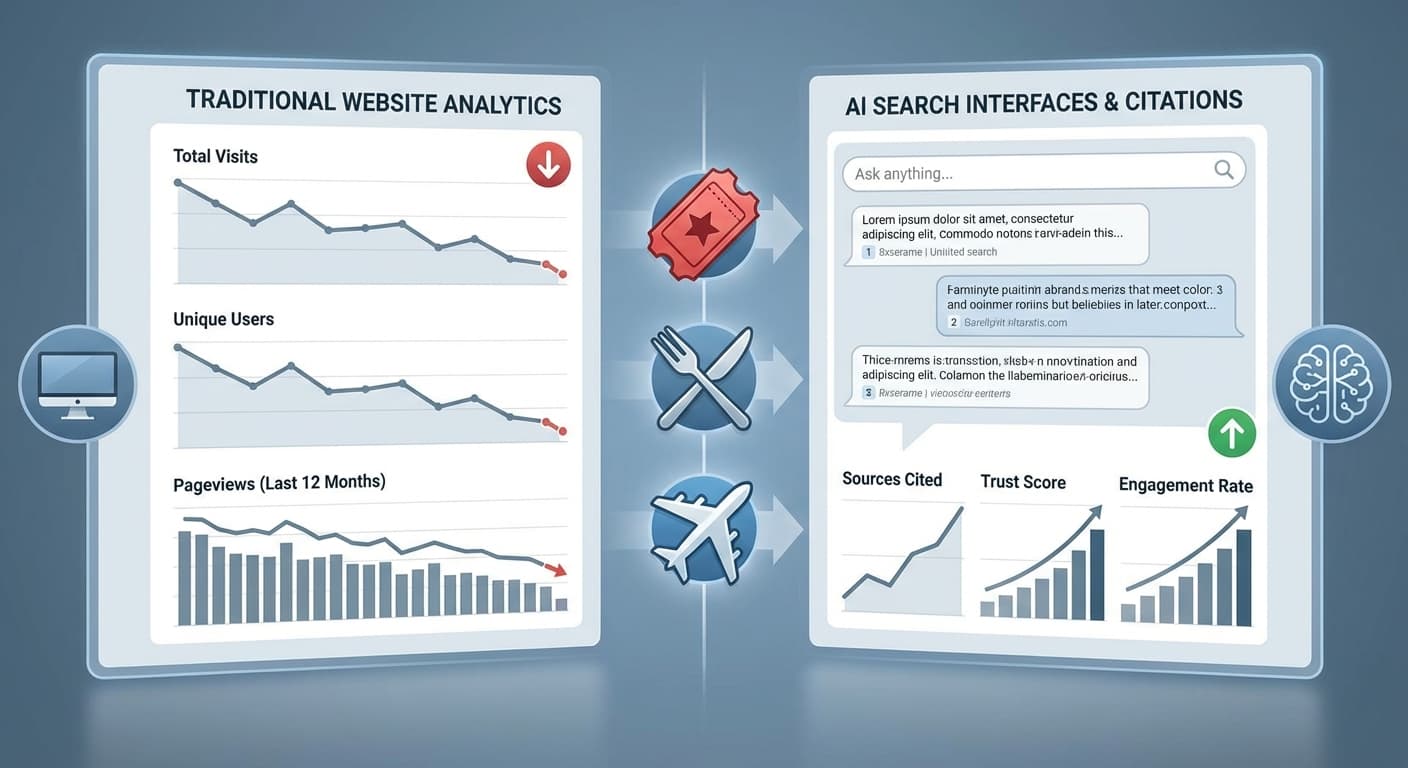
Did you know that 73% of consumers now start their problem-solving journey with AI chatbots rather than traditional search engines? By 2026, AI answer engines like ChatGPT, Perplexity, Claude, and Gemini have fundamentally disrupted the customer journey, often providing complete solutions without users ever visiting your website.

This shift represents both a crisis and an opportunity. While traditional conversion funnels are breaking down, smart businesses are adapting their strategies to reclaim lost touchpoints and build new pathways to customer acquisition.

The New Reality: AI Engines Are Keeping Customers Away

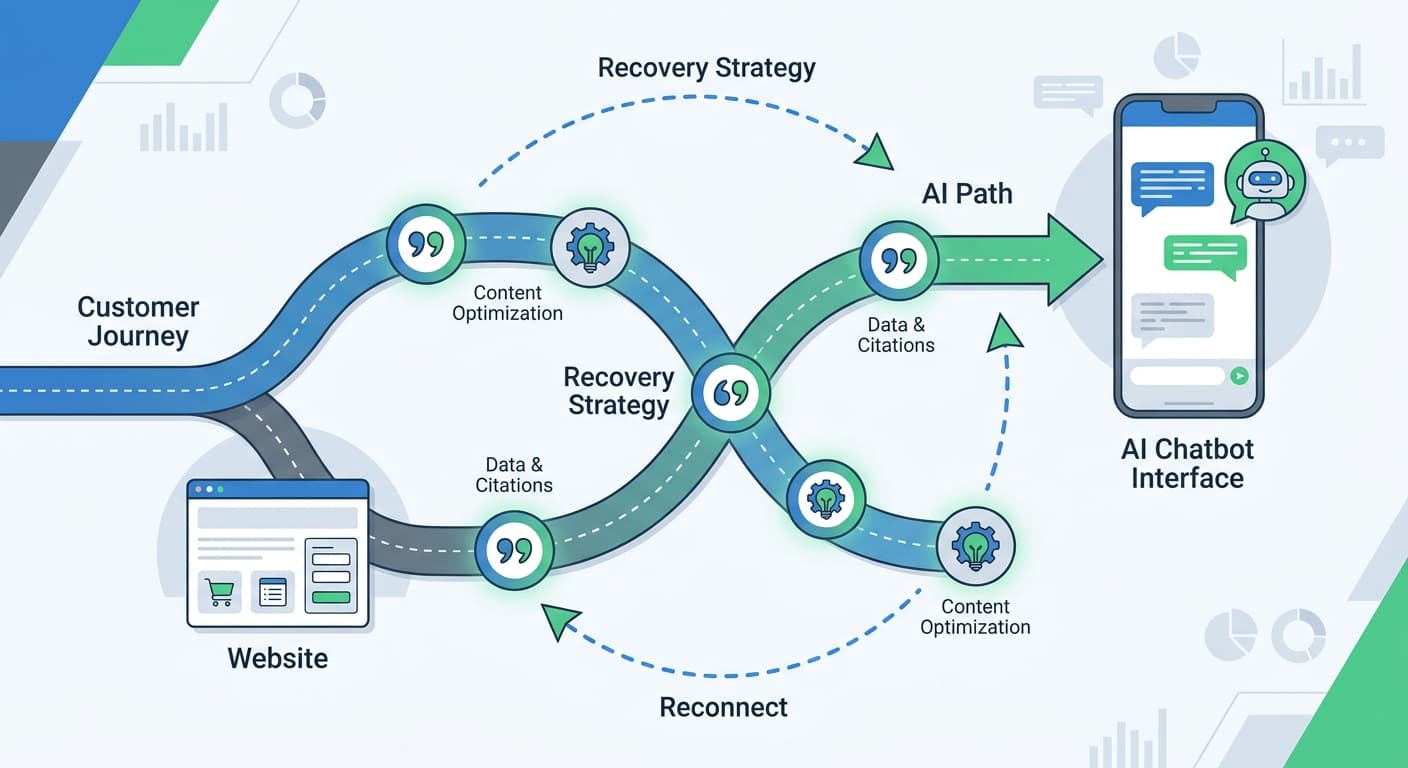
The traditional customer journey used to look like this: Problem → Search → Click → Website → Convert. Today's reality is starkly different: Problem → AI Chat → Solution → Done.

Recent data shows that:

  • 67% of AI search queries result in zero clicks to external websites

  • Users spend an average of 8.3 minutes getting answers from AI engines versus 2.1 minutes on traditional search

  • 45% of B2B buyers complete their entire research phase using AI tools alone
  • This "zero-click" phenomenon means businesses are losing crucial touchpoints where they previously captured leads, built relationships, and demonstrated expertise.

    Understanding the Three Types of Lost Customer Interactions

    1. Information Seekers


    Users who would have visited your blog posts, guides, or FAQ pages now get answers directly from AI engines. These interactions represented early-stage awareness and education opportunities.

    2. Problem Solvers


    Customers seeking specific solutions previously landed on your product pages or case studies. AI engines now provide alternative solutions or generic advice without brand attribution.

    3. Comparison Shoppers


    Buyers who used to visit multiple websites to compare options now ask AI engines for recommendations, often receiving unbiased comparisons that don't favor any particular brand.

    The Customer Journey Recovery Framework

    Step 1: Become the Primary Source

    Instead of fighting AI engines, become their preferred source. This means:

    Create Citation-Worthy Content

  • Develop comprehensive, authoritative resources that AI engines want to reference

  • Include unique data, research, and insights that can't be found elsewhere

  • Structure content with clear headings, bullet points, and concise explanations
  • Optimize for AI Comprehension

  • Use natural language that mirrors how people ask questions

  • Answer questions completely within your content

  • Provide context and examples that AI engines can easily parse
  • Step 2: Embed Strategic CTAs Within Citations

    When your content gets cited, ensure it includes subtle nudges toward deeper engagement:

    Contact Information Integration

  • Include your company name naturally within expert quotes

  • Mention specific tools, products, or services as part of the solution

  • Add "according to [Your Company]" attribution in data points
  • Value-Added References

  • Create downloadable resources that require email signup

  • Mention free trials or consultations within your content

  • Reference exclusive tools or calculators available on your website
  • Step 3: Create AI-First Content Formats

    Conversational Content Architecture

  • Write content that mirrors natural conversation patterns

  • Use Q&A formats that directly address user queries

  • Include follow-up questions that encourage deeper exploration
  • Multi-Layered Information Density

  • Provide quick answers for AI engines to cite

  • Include deeper analysis for users who want more detail

  • Link to comprehensive resources for complete solutions
  • Step 4: Implement Cross-Channel Recovery Tactics

    Social Media Amplification

  • Share AI-optimized content across social platforms

  • Use hashtags that align with common AI search queries

  • Create short-form content that complements your comprehensive pieces
  • Email Marketing Integration

  • Build newsletters around topics frequently searched in AI engines

  • Create email sequences that expand on commonly cited content

  • Use AI-generated insights as email subject lines and hooks
  • Paid Media Adaptation

  • Target users who mention AI tools in their search behavior

  • Create ads that acknowledge AI usage: "Got an AI answer? Here's what it didn't tell you..."

  • Retarget users who engage with AI-cited content
  • Advanced Recovery Strategies

    Reverse Engineering AI Citations

    Monitor Your Citation Performance
    Track when and how often your content appears in AI responses. Understanding these patterns helps you:

  • Identify which content formats get cited most frequently

  • Discover gaps in your current content strategy

  • Optimize high-performing content for even better visibility
  • Competitive Citation Analysis
    Study which competitors get cited for your target topics and analyze:

  • Content structure and format differences

  • Unique angles or data points they provide

  • How they position their brand within the content
  • Building AI-Resistant Touchpoints

    Some interactions are harder for AI engines to replace entirely:

    Interactive Experiences

  • Calculators and assessment tools

  • Interactive demos and trials

  • Personalized consultations and audits
  • Community and Relationship Building

  • Online communities and forums

  • Webinars and live events

  • Personal brand building for key team members
  • Exclusive and Proprietary Content

  • Original research and surveys

  • Insider industry insights

  • Proprietary methodologies and frameworks
  • How Citescope AI Helps

    Building an effective customer journey recovery strategy requires deep insights into how AI engines interact with your content. Citescope AI provides the tools you need to:

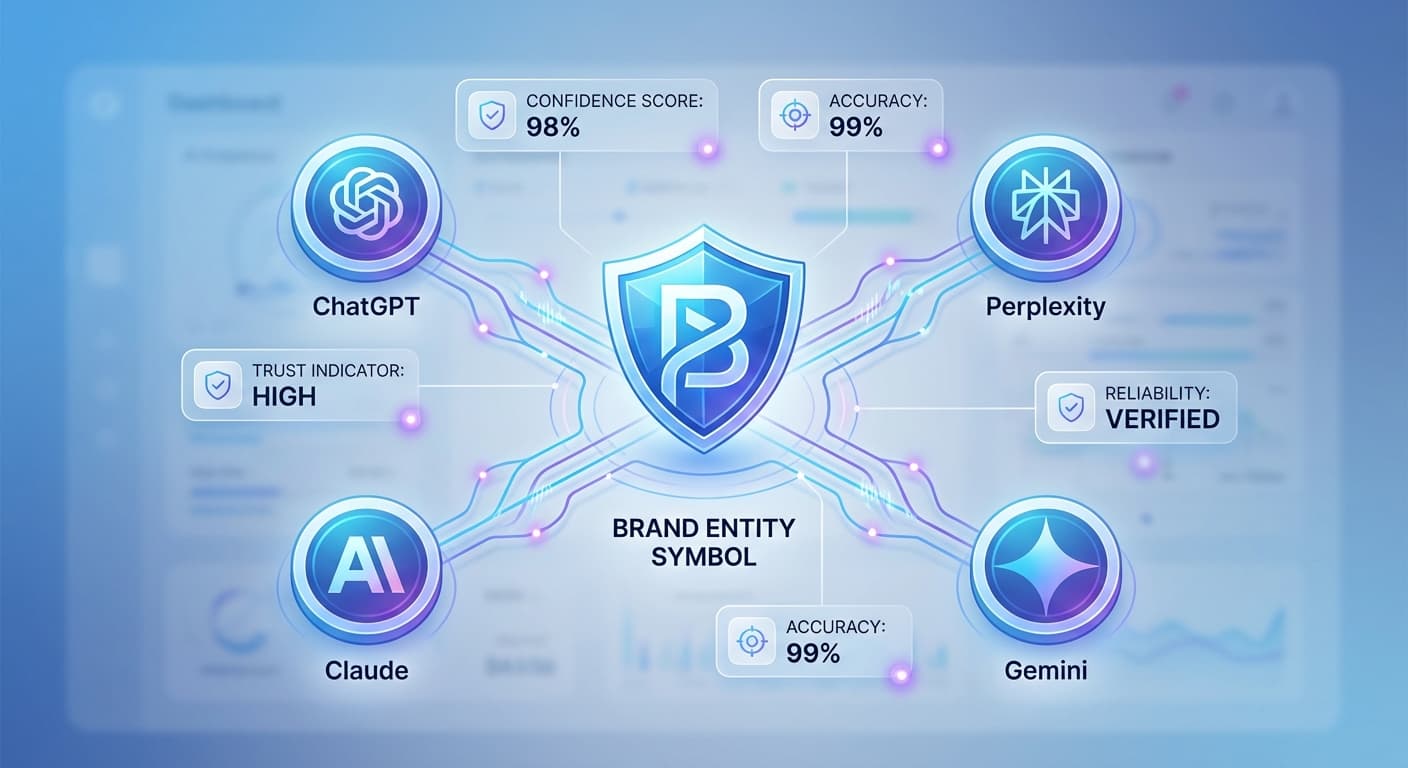
  • Track Citation Performance: Monitor when ChatGPT, Perplexity, Claude, and Gemini cite your content, helping you understand which pieces are most effective at reaching customers through AI channels

  • Optimize Content Structure: Use the GEO Score to analyze your content across five dimensions crucial for AI visibility, ensuring your recovery content gets noticed and cited

  • Measure Recovery Success: Track the correlation between AI citations and downstream conversions, proving the ROI of your recovery efforts
  • Measuring Recovery Strategy Success

    Primary Metrics


  • Citation Rate: Percentage of your content that gets cited by AI engines

  • Attribution Quality: How prominently your brand appears in AI responses

  • Downstream Conversions: Users who eventually convert after AI interaction
  • Secondary Metrics


  • Brand Mention Frequency: How often your company name appears in AI responses

  • Content Amplification: Social shares and links generated by AI-cited content

  • Search Visibility: Improved traditional search rankings from AI-optimized content
  • Long-term Indicators


  • Market Authority: Recognition as a go-to source for industry information

  • Customer Acquisition Cost: Reduced CAC through improved organic visibility

  • Sales Cycle Efficiency: Faster conversions due to pre-educated prospects
  • The Future of Customer Journey Recovery

    As AI engines become more sophisticated, recovery strategies must evolve. Emerging trends include:

  • AI Agent Integration: Preparing for AI agents that can complete transactions on behalf of users

  • Voice and Video Optimization: Adapting content for emerging AI interface formats

  • Real-time Personalization: Creating content that adapts based on AI-detected user intent
  • Ready to Optimize for AI Search?

    The customer journey isn't disappearing—it's transforming. Success in 2026 requires a proactive approach to AI optimization and citation tracking. Citescope AI helps you reclaim lost touchpoints by ensuring your content gets cited by leading AI engines, complete with detailed analytics to measure your recovery success.

    Start building your customer journey recovery strategy today with a free Citescope AI account. Track your citations, optimize your content, and turn AI disruption into competitive advantage.
    AI search optimizationcustomer journeycitation trackingcontent strategyAI engines

    Track your AI visibility

    See how your content appears across ChatGPT, Perplexity, Claude, and more.

    Start for Free