How to Build a Decision-Stage Query Interception Strategy When AI Search Engines Answer Constraint-Rich Commercial Questions Before Users Ever Reach Your Product Page
How to Build a Decision-Stage Query Interception Strategy When AI Search Engines Answer Constraint-Rich Commercial Questions Before Users Ever Reach Your Product Page
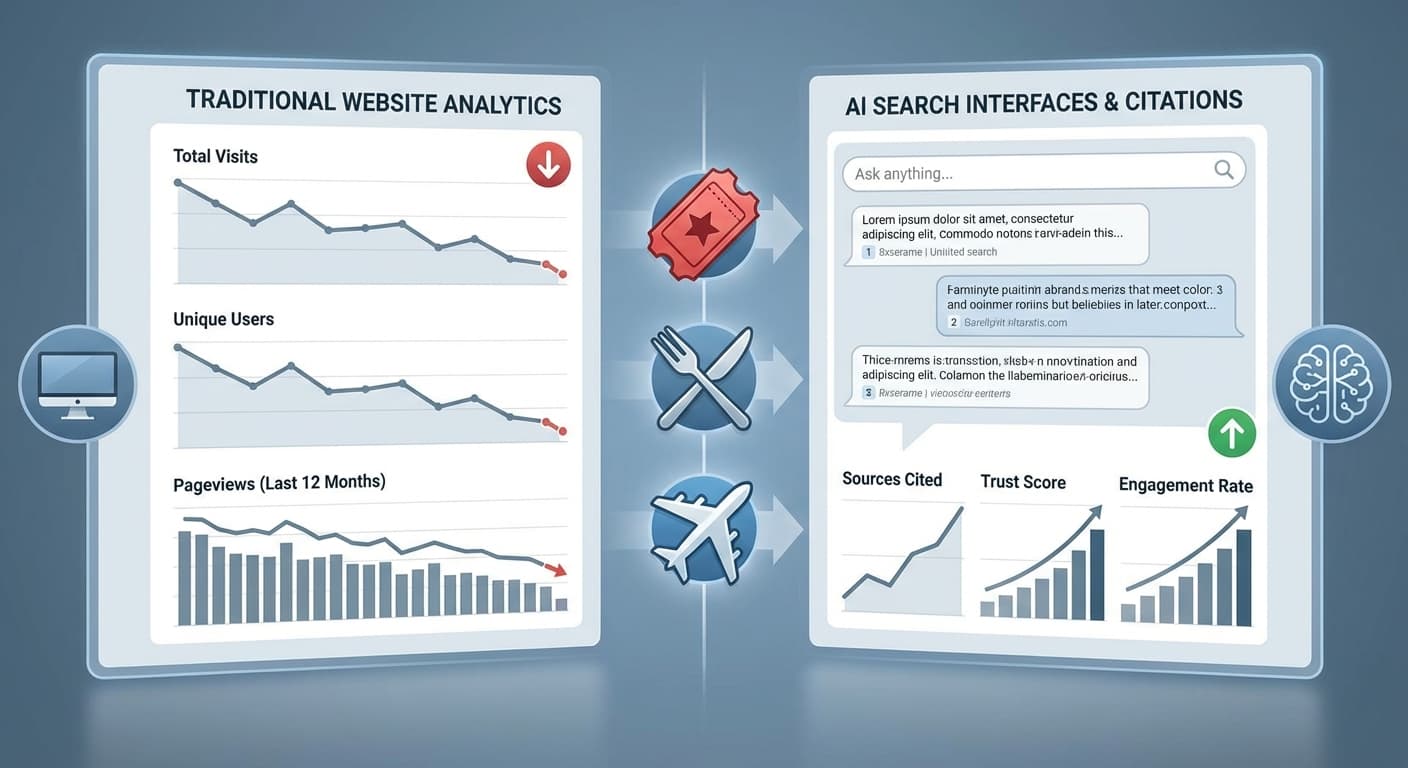
By 2026, over 65% of commercial searches now involve AI-powered engines like ChatGPT, Perplexity, and Claude. These tools are increasingly answering detailed, constraint-rich commercial questions—complete with product recommendations, pricing comparisons, and purchase guidance—before users ever click through to brand websites. The result? A fundamental shift in how purchase decisions are made, with AI engines becoming the new gatekeepers of commercial intent.
For businesses, this presents both a massive challenge and an unprecedented opportunity. While traditional SEO focused on ranking high in search results, the new game is about getting your content cited and featured within AI responses themselves. This is what we call "decision-stage query interception"—positioning your brand to be the authoritative source when AI engines answer high-intent commercial questions.
The Commercial Query Revolution: What's Changed in 2026
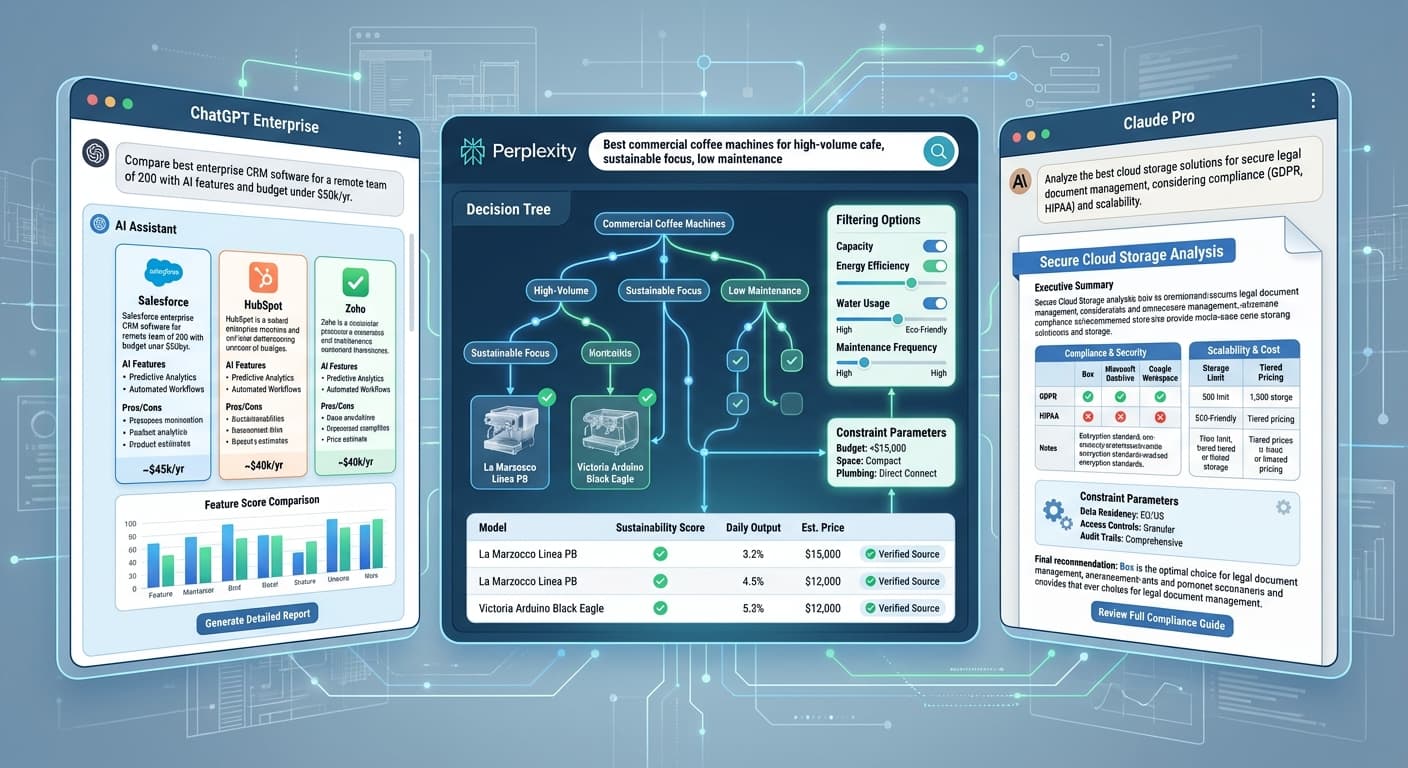
AI search engines have evolved far beyond simple question-and-answer tools. They now handle complex commercial queries like:
These constraint-rich queries represent high-value commercial intent, often occurring when prospects are in the final stages of their buying journey. Unlike broad searches, these queries indicate users who know exactly what they need and are ready to make decisions based on AI-provided recommendations.
The stakes couldn't be higher. Research from 2025 shows that 78% of B2B buyers now trust AI-generated product recommendations, and 43% make final purchase decisions based solely on AI search results without visiting vendor websites.
Understanding Decision-Stage Query Interception
Decision-stage query interception involves strategically positioning your content to be the primary source AI engines cite when answering specific, high-intent commercial questions about your product category.
This strategy differs from traditional SEO in several key ways:
Traditional SEO vs. AI Query Interception
Traditional SEO Focus:
AI Query Interception Focus:
The goal isn't necessarily to drive immediate traffic, but to ensure your brand becomes the definitive source when AI engines need to answer complex commercial questions in your space.
Building Your Query Interception Strategy: A Step-by-Step Framework
Step 1: Map High-Intent Commercial Query Patterns
Start by identifying the specific constraint combinations your prospects use when they're ready to buy. These typically follow patterns like:
Create a comprehensive list of these query patterns by:
Step 2: Create Constraint-Specific Content Hubs
For each high-value query pattern, develop dedicated content that directly addresses the specific constraints mentioned. This isn't about creating generic product pages, but rather comprehensive guides that acknowledge and solve for specific limitations.
Example Structure:
Step 3: Optimize for AI Interpretability
AI engines favor content that's structured for easy interpretation and extraction. This means:
Use Clear, Scannable Formatting:
Include Definitive Statements:
Provide Context and Reasoning:
AI engines prefer content that explains the "why" behind recommendations, not just lists of features.
Step 4: Build Topical Authority Through Interconnected Content
Create content clusters around your core commercial query themes. If you're targeting "project management for creative teams," develop supporting content like:
This approach signals to AI engines that you're a comprehensive authority on the topic, increasing the likelihood of citation for related queries.
Step 5: Implement Strategic Internal Linking
Connect your constraint-specific content through strategic internal linking that follows natural question progressions. For example:
This helps AI engines understand the relationship between different pieces of your content and increases the chances of multiple citations within a single AI response.
Advanced Optimization Techniques
Semantic Clustering for Maximum Coverage
Group related commercial queries into semantic clusters to ensure comprehensive coverage. For instance, if targeting "affordable CRM solutions," also optimize for:
This approach captures the full spectrum of how prospects might phrase their constraints.
Question-Answer Optimization
Structure content to directly answer the most common follow-up questions AI engines encounter:
- "How much does it cost?"
- "What features are included?"
- "How easy is it to set up?"
- "Does it integrate with payment processors?"
By addressing these predictable follow-ups within your content, you increase the chances of comprehensive citation.
Competitive Differentiation Content
Create content that helps AI engines understand why your solution is optimal for specific constraints, especially compared to alternatives:
Measuring Success: Key Metrics for Query Interception
Track the effectiveness of your strategy through:
Citation Metrics
Engagement Metrics
Competitive Metrics
How Citescope AI Helps
Building an effective query interception strategy requires understanding how AI engines interpret and prioritize your content. Citescope AI's GEO Score analyzes your content across five critical dimensions that directly impact AI citation likelihood:
The platform's AI Rewriter then optimizes your content with one-click restructuring, ensuring your constraint-specific pages are formatted for maximum AI visibility. The Citation Tracker monitors when your content gets referenced by ChatGPT, Perplexity, Claude, and Gemini, giving you real-time feedback on your interception strategy's effectiveness.
Implementation Timeline and Quick Wins
Week 1-2: Research and Planning
Week 3-4: Content Development
Month 2-3: Monitoring and Refinement
Ongoing: Scale and Optimize
Ready to Optimize for AI Search?
The shift toward AI-powered commercial search isn't coming—it's already here. Brands that master decision-stage query interception now will have a significant advantage as this trend accelerates throughout 2026 and beyond.
Citescope AI makes it simple to optimize your content for AI search engines with tools designed specifically for the new era of search. Start with our free tier to analyze and optimize 3 pieces of content per month, or upgrade to Pro for comprehensive citation tracking and unlimited optimizations.
Ready to intercept high-intent commercial queries before your competitors do? Start your free Citescope AI trial today and begin building your query interception strategy.