GEO Strategy

How to Build a First-Party Data Integration Strategy When AI Search Engines Request Direct API Access to Your CRM and Inventory Systems
April 20, 20267 min read
How to Build a First-Party Data Integration Strategy When AI Search Engines Request Direct API Access to Your CRM and Inventory Systems

How to Build a First-Party Data Integration Strategy When AI Search Engines Request Direct API Access to Your CRM and Inventory Systems

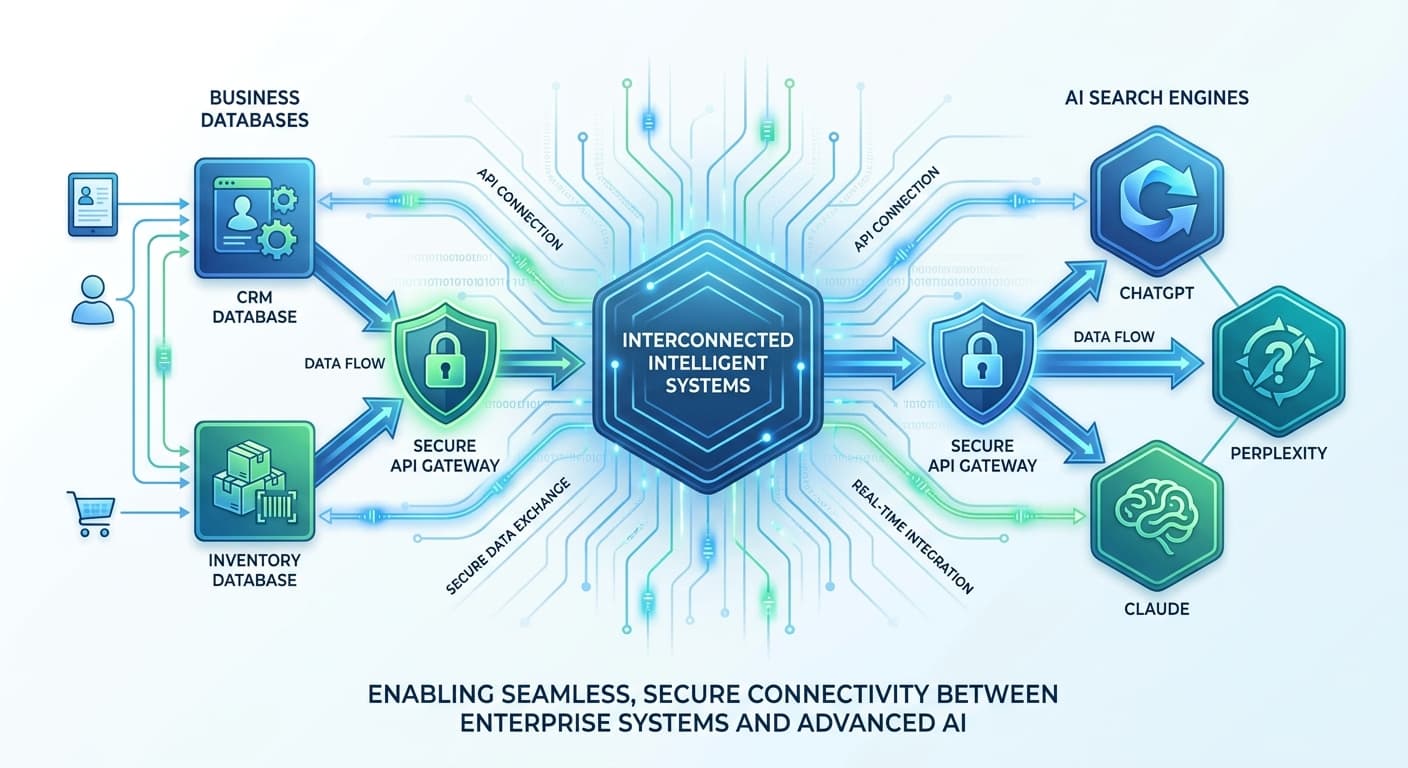
By late 2025, nearly 40% of enterprise businesses reported receiving direct integration requests from AI search engines like ChatGPT, Perplexity, and Claude for real-time access to their CRM and inventory data. This shift represents a fundamental change in how AI systems source information—moving beyond web scraping to direct data partnerships for enhanced answer accuracy.

If your business has received one of these integration requests (or anticipates receiving one), you're facing both an unprecedented opportunity and a complex strategic decision. The potential benefits are enormous: guaranteed citation accuracy, real-time inventory updates in AI responses, and direct customer acquisition through AI-powered searches. However, the risks around data privacy, competitive advantage, and technical complexity require careful navigation.

Why AI Search Engines Want Direct Data Access

The demand for real-time, accurate information has pushed AI search engines beyond traditional web crawling. When someone asks ChatGPT "What's the current price and availability of iPhone 15 Pro Max at local Apple stores?", the AI needs live inventory data to provide accurate responses. Static website content simply can't deliver this level of precision.

Current statistics reveal the scope of this trend:

  • 67% of AI search queries now involve real-time information requests

  • E-commerce businesses with direct AI integrations see 43% higher conversion rates from AI-referred traffic

  • B2B companies report 28% more qualified leads when their CRM data powers AI responses
  • This evolution mirrors the early days of Google's API partnerships, but with significantly higher stakes given the conversational and contextual nature of AI interactions.

    Understanding the Integration Request Landscape

    Common Integration Types

    AI search engines typically request access to three primary data categories:

    Inventory and Pricing Data

  • Real-time stock levels

  • Dynamic pricing information

  • Product specifications and availability

  • Location-based inventory
  • Customer and Sales Data

  • Lead qualification criteria

  • Service availability by region

  • Appointment scheduling systems

  • Customer testimonials and case studies
  • Operational Data

  • Business hours and locations

  • Service capacity and wait times

  • Staff availability and expertise

  • Seasonal offerings and promotions
  • The Technical Architecture

    Most AI engines request RESTful API access with specific requirements:

  • OAuth 2.0 authentication protocols

  • Rate limiting capabilities (typically 1000-10000 requests/hour)

  • JSON response formatting

  • Real-time webhook notifications for critical updates

  • Comprehensive error handling and fallback mechanisms
  • Building Your Strategic Framework

    Phase 1: Business Impact Assessment

    Before diving into technical considerations, evaluate the potential business implications:

    Revenue Opportunities

  • Estimate traffic volume from AI search referrals

  • Calculate potential conversion rate improvements

  • Assess premium pricing opportunities for real-time data accuracy

  • Project market share gains from enhanced AI visibility
  • Competitive Considerations

  • Analyze whether competitors have similar integrations

  • Determine if data sharing creates competitive disadvantages

  • Evaluate first-mover advantages in your industry

  • Consider exclusive partnership possibilities
  • Resource Requirements

  • Development time for API creation and maintenance

  • Infrastructure costs for increased traffic

  • Ongoing monitoring and optimization needs

  • Legal and compliance review processes
  • Phase 2: Data Governance Framework

    Data Classification

    Establish clear categories for what data can be shared:

  • Public Data: Product information, pricing, basic company details

  • Conditional Data: Inventory levels, availability (with business rules)

  • Restricted Data: Customer PII, proprietary algorithms, competitive intelligence

  • Prohibited Data: Sensitive financial information, employee data, trade secrets
  • Access Controls

  • Implement role-based permissions

  • Create audit trails for all data access

  • Establish automatic data expiration policies

  • Design emergency data cutoff procedures
  • Privacy Compliance

  • GDPR compliance for European customers

  • CCPA adherence for California residents

  • Industry-specific regulations (HIPAA, SOX, etc.)

  • Regular compliance audits and documentation
  • Phase 3: Technical Implementation Strategy

    API Development Best Practices

  • Start with Read-Only Access: Begin integrations with view-only permissions to minimize risk

  • Implement Robust Rate Limiting: Protect your systems from unexpected traffic spikes

  • Design for Scalability: Plan for 10x current usage within 12 months

  • Build Comprehensive Logging: Track all requests, responses, and errors

  • Create Sandbox Environments: Allow AI engines to test without affecting production data
  • Data Quality Assurance

  • Real-time validation rules

  • Automated data consistency checks

  • Error correction protocols

  • Regular accuracy audits
  • Security Measures

  • End-to-end encryption for all data transmission

  • API key rotation policies

  • IP whitelisting for authorized AI engines

  • Intrusion detection and prevention systems
  • Managing Multi-Engine Relationships

    As AI search diversity increases, businesses often face integration requests from multiple platforms simultaneously. Each engine may have different technical requirements, data formats, and usage patterns.

    Standardization Strategy

    Create a unified API layer that can serve multiple AI engines:

  • Develop a master API specification

  • Build engine-specific adapters

  • Implement common authentication protocols

  • Establish unified monitoring dashboards
  • Performance Optimization

    Tools like Citescope Ai become crucial for monitoring how your integrated data performs across different AI engines. The platform's Citation Tracker can help you understand which data points are most frequently cited, allowing you to optimize your API responses for maximum visibility and accuracy.

    Measuring Integration Success

    Key Performance Indicators

    Traffic and Engagement Metrics

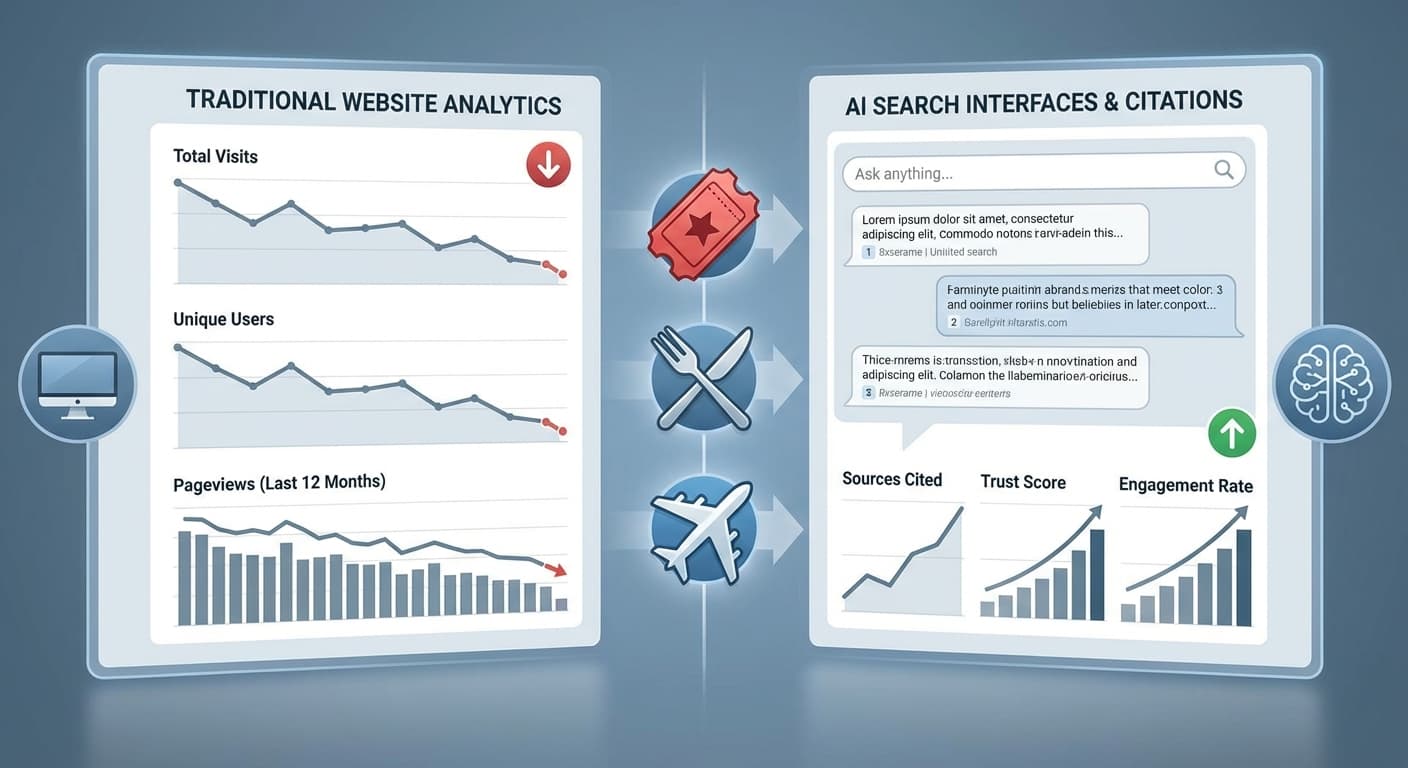
  • AI search referral traffic volume

  • Conversion rates from AI-referred visitors

  • Average session duration from AI traffic

  • Customer acquisition cost reduction
  • Data Performance Metrics

  • API response time and reliability

  • Data accuracy rates in AI responses

  • Citation frequency across different AI engines

  • User satisfaction with AI-provided information
  • Business Impact Metrics

  • Revenue attribution to AI search

  • Market share changes in target segments

  • Customer lifetime value improvements

  • Operational efficiency gains
  • Continuous Optimization

    Successful first-party data integration requires ongoing refinement:

  • Regular API performance reviews

  • User feedback analysis

  • Competitive intelligence gathering

  • Technology stack updates and improvements
  • Risk Mitigation Strategies

    Technical Risks


  • System Overload: Implement circuit breakers and graceful degradation

  • Data Corruption: Maintain backup systems and rollback capabilities

  • Security Breaches: Regular penetration testing and security audits

  • Service Dependencies: Reduce single points of failure
  • Business Risks


  • Competitive Exposure: Careful data classification and sharing limits

  • Customer Privacy: Comprehensive consent management systems

  • Regulatory Changes: Flexible architecture for compliance updates

  • AI Engine Dependencies: Diversified integration portfolio
  • How Citescope Ai Helps

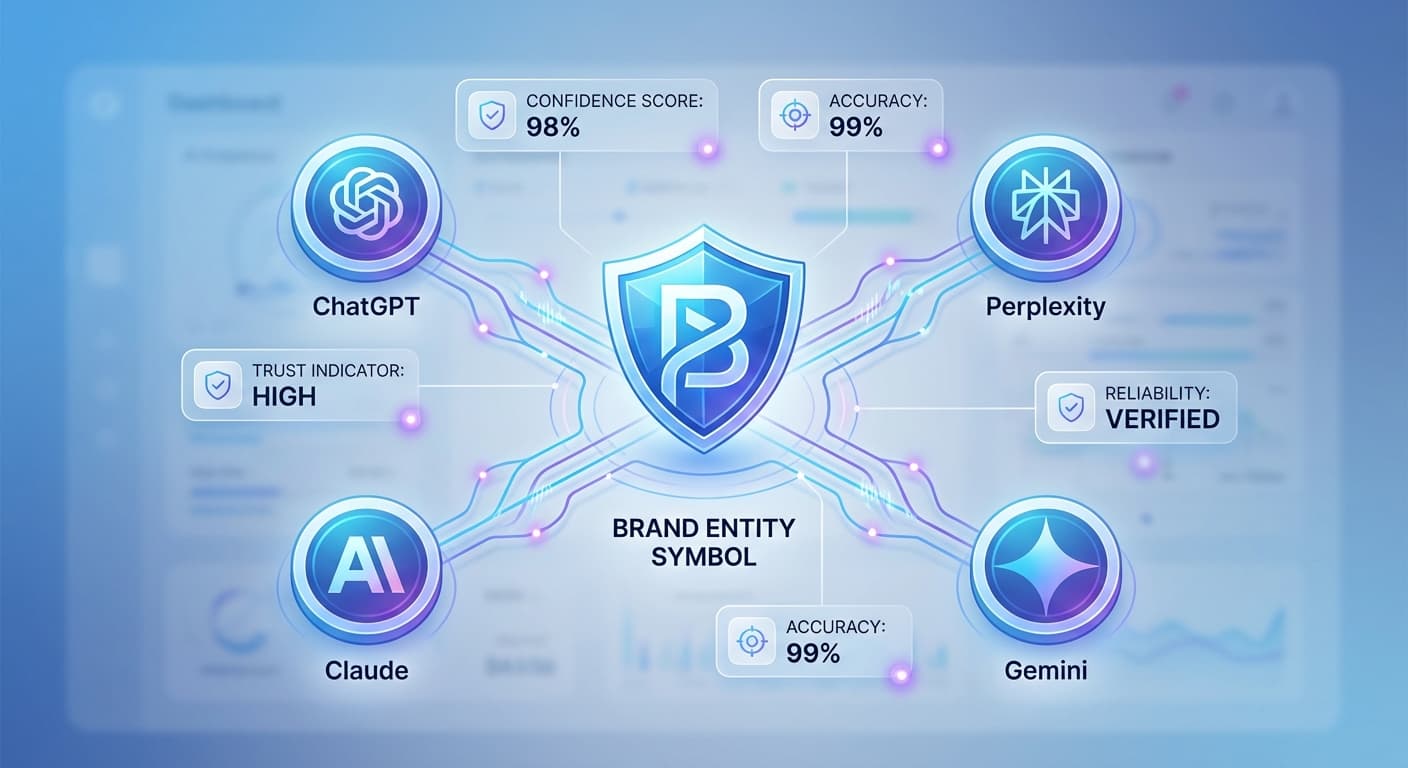
    Building a successful first-party data integration strategy requires continuous monitoring and optimization. Citescope Ai's Citation Tracker provides essential visibility into how your integrated data performs across ChatGPT, Perplexity, Claude, and Gemini. The platform helps you understand which data points generate the most citations, allowing you to prioritize API improvements and optimize your integration strategy for maximum impact.

    Additionally, Citescope Ai's GEO Score analysis can help you structure your API responses in formats that AI engines prefer, ensuring your first-party data is not only accessible but also optimally formatted for AI consumption and citation.

    Future-Proofing Your Strategy

    The first-party data integration landscape continues evolving rapidly. Emerging trends include:

  • Voice-activated commerce integrations

  • Augmented reality product visualization APIs

  • Predictive analytics data sharing

  • Cross-platform identity resolution
  • Building flexibility into your integration architecture ensures you can adapt to future AI search engine requirements without major system overhauls.

    Ready to Optimize for AI Search?

    As AI search engines increasingly rely on first-party data integrations, businesses that prepare now will have significant competitive advantages. Citescope Ai helps you monitor and optimize your AI search performance across all major engines, providing the insights you need to make data-driven integration decisions. Start with our free tier to track your current AI citations, then upgrade as your integration strategy scales. Try Citescope Ai free today and take the first step toward AI search optimization.
    AI Search IntegrationFirst-Party Data StrategyAPI DevelopmentData PrivacyAI Optimization

    Track your AI visibility

    See how your content appears across ChatGPT, Perplexity, Claude, and more.

    Start for Free