How to Build a Knowledge Graph Authority Strategy When AI Search Engines Prioritize Structured Entity Relationships Over Traditional Backlink Signals
How to Build a Knowledge Graph Authority Strategy When AI Search Engines Prioritize Structured Entity Relationships Over Traditional Backlink Signals
In May 2026, Google's latest algorithmic update sent shockwaves through the SEO community—but perhaps not for the reasons you'd expect. While traditional SEO professionals scrambled to understand changes to PageRank signals, a more fundamental shift was quietly revolutionizing how AI search engines like ChatGPT, Perplexity, Claude, and Gemini determine content authority.
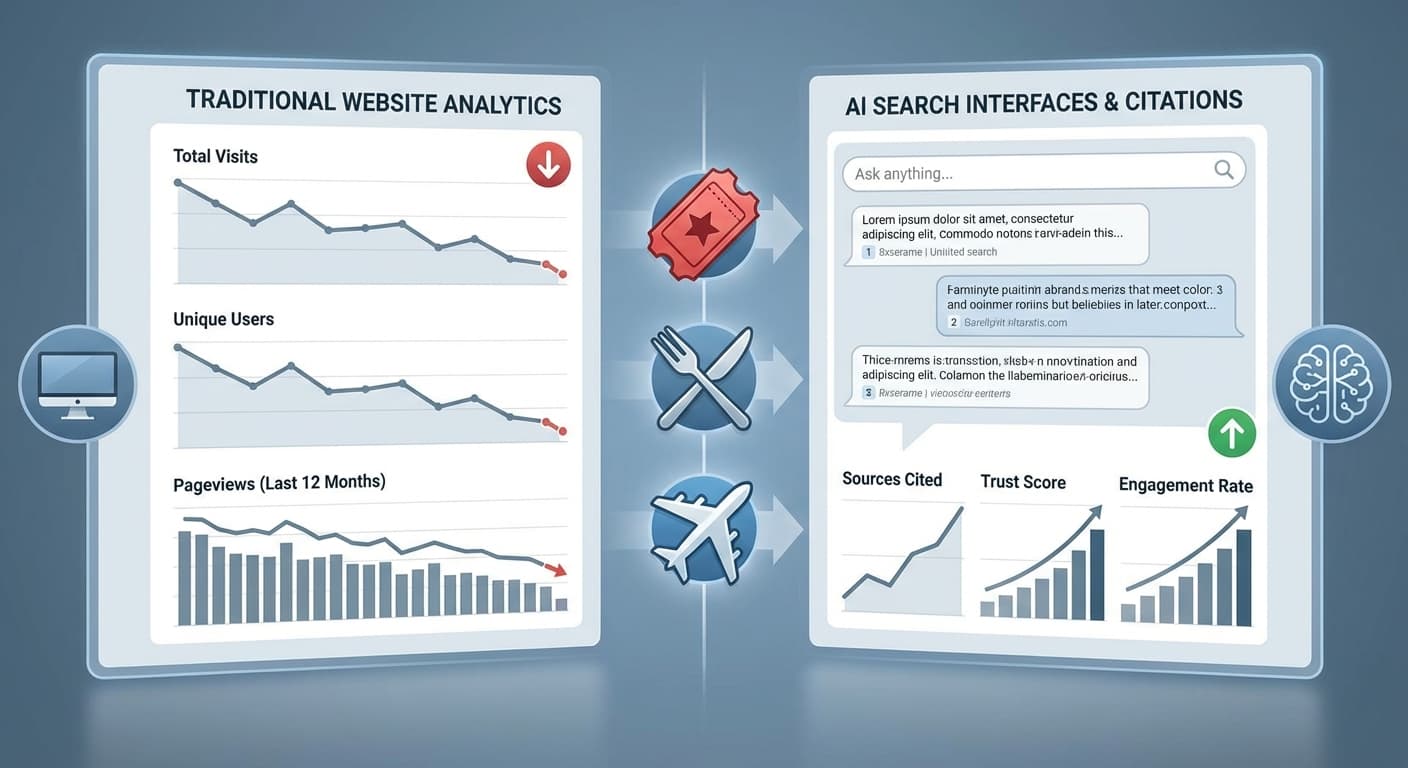
The numbers tell the story: AI search now accounts for 35% of all search queries, with over 800 million weekly active users across major AI platforms. But here's the kicker—these engines increasingly rely on structured entity relationships within knowledge graphs rather than traditional backlink profiles to determine content credibility and citation worthiness.
The Seismic Shift: From Links to Entity Relationships
Traditional SEO taught us that backlinks were the currency of authority. The more high-quality sites that linked to your content, the more authoritative search engines deemed your pages. But AI search engines operate fundamentally differently.
Why AI Search Engines Prefer Entity-Based Authority:
In 2026, when ChatGPT cites a source, it's not primarily looking at that page's backlink profile. Instead, it's evaluating how well the content establishes clear entity relationships and positions itself within broader knowledge networks.
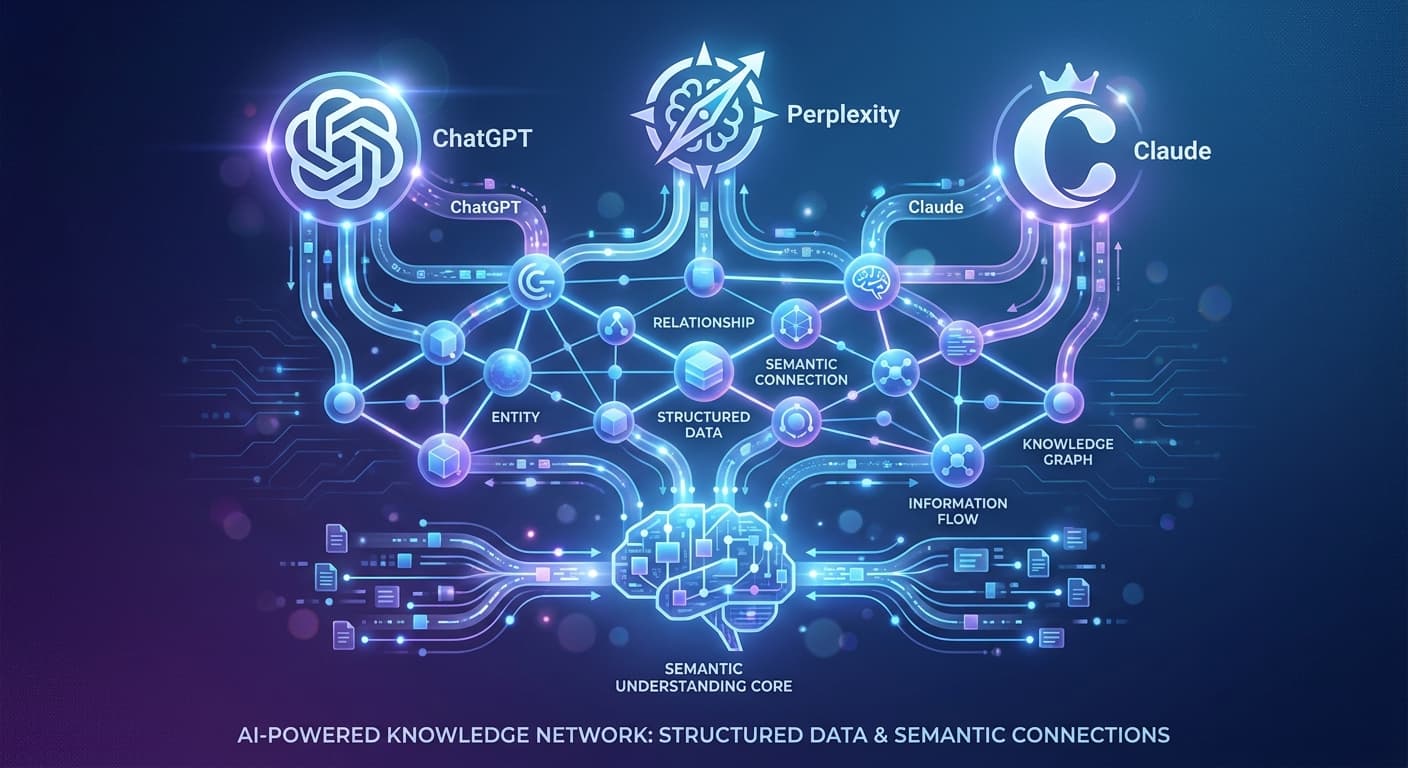
Understanding Knowledge Graph Authority
Knowledge graph authority isn't about who links to you—it's about how clearly you establish your expertise within specific entity clusters and semantic networks.
The Four Pillars of Knowledge Graph Authority
Consider this example: A cybersecurity blog discussing "zero trust architecture" gains knowledge graph authority not through backlinks, but by clearly defining zero trust as an entity, mapping its relationships to related concepts (network segmentation, identity verification, least privilege), and positioning it within the broader cybersecurity knowledge network.
Building Your Knowledge Graph Authority Strategy
1. Entity-First Content Planning
Start every content project by identifying core entities and their relationships:
Entity Identification Process:
Practical Example:
For a fintech company writing about "decentralized finance," map entities like:
2. Structured Data Implementation
AI search engines increasingly rely on structured data to understand entity relationships. JSON-LD markup has become critical for knowledge graph visibility.
Essential Schema Types for 2026:
Advanced Tip: Use nested entity schemas to show complex relationships. For example, a "Course" schema that includes "instructor" (Person), "organization" (Organization), and "about" (Thing) properties creates rich entity networks.
3. Semantic Relationship Building
Move beyond keyword optimization to relationship optimization:
Relationship Types to Emphasize:
4. Authority Entity Association
Associate your content with established authoritative entities:
Citation and Attribution Strategies:
When Citescope Ai analyzes content for AI visibility, our GEO Score specifically evaluates how well content establishes these authoritative entity connections across our five core dimensions.
5. Cross-Platform Entity Consistency
Ensure entity information remains consistent across all digital touchpoints:
Consistency Checkpoints:
Advanced Knowledge Graph Techniques
Dynamic Entity Clustering
Create content clusters around entity relationships rather than traditional keyword themes:
Traditional Approach: Content cluster around "email marketing" keyword
Entity-Based Approach: Content cluster around email marketing entity relationships:
Temporal Entity Optimization
AI search engines increasingly consider temporal aspects of entity relationships:
Multi-Modal Entity Integration
Expand beyond text to include:
Measuring Knowledge Graph Authority Success
Key Performance Indicators
Tracking and Analytics
Monitor knowledge graph performance through:
Common Knowledge Graph Authority Mistakes
Avoid These Pitfalls:
The Future of Knowledge Graph Authority
As we move through 2026, expect AI search engines to become even more sophisticated in entity relationship evaluation. Emerging trends include:
How Citescope Ai Helps
Building knowledge graph authority requires sophisticated analysis of how AI search engines interpret your content's entity relationships. Citescope Ai's platform specifically addresses this challenge:
GEO Score Analysis: Our five-dimensional scoring system evaluates semantic richness and AI interpretability, helping you understand how well your content establishes entity relationships.
AI Rewriter Optimization: Our one-click optimization tool restructures content to better emphasize entity relationships and semantic connections that AI search engines prioritize.
Citation Tracking: Monitor when ChatGPT, Perplexity, Claude, and Gemini cite your content, giving you direct feedback on your knowledge graph authority performance.
Multi-format Export: Optimize content for various platforms while maintaining consistent entity markup and structured data across all distribution channels.
Ready to Optimize for AI Search?
Knowledge graph authority represents the future of content discovery in AI search engines. As traditional SEO signals lose relevance, entity-based authority strategies become essential for maintaining visibility and credibility.
Citescope Ai helps you navigate this transition with tools specifically designed for AI search optimization. Start building your knowledge graph authority today with our free tier—analyze up to 3 pieces of content monthly and see how your entity relationships measure up. Ready to scale your AI visibility strategy? Explore our Pro and Enterprise plans for comprehensive knowledge graph optimization.
Start your free Citescope Ai analysis today and transform your content for the AI search era.