How to Build a Micro-Niche Topical Authority Strategy When List Placements Drive 64% of AI Citations
How to Build a Micro-Niche Topical Authority Strategy When List Placements Drive 64% of AI Citations
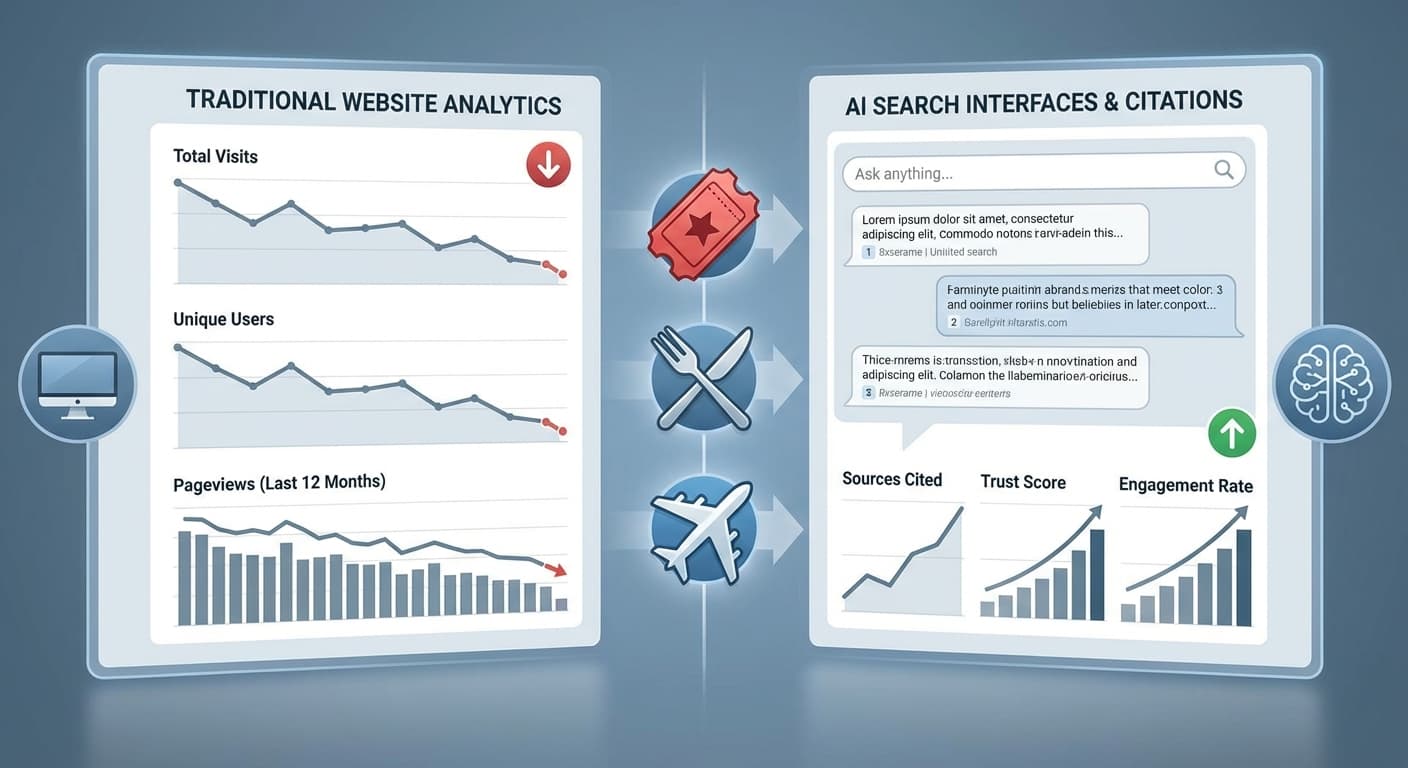
In 2026, a staggering revelation has emerged from AI search analytics: authoritative list placements account for 41-64% of all citations across ChatGPT, Perplexity, and Google's AI-powered search. This isn't just a statistic—it's a complete paradigm shift that's redefining how content creators approach topical authority.
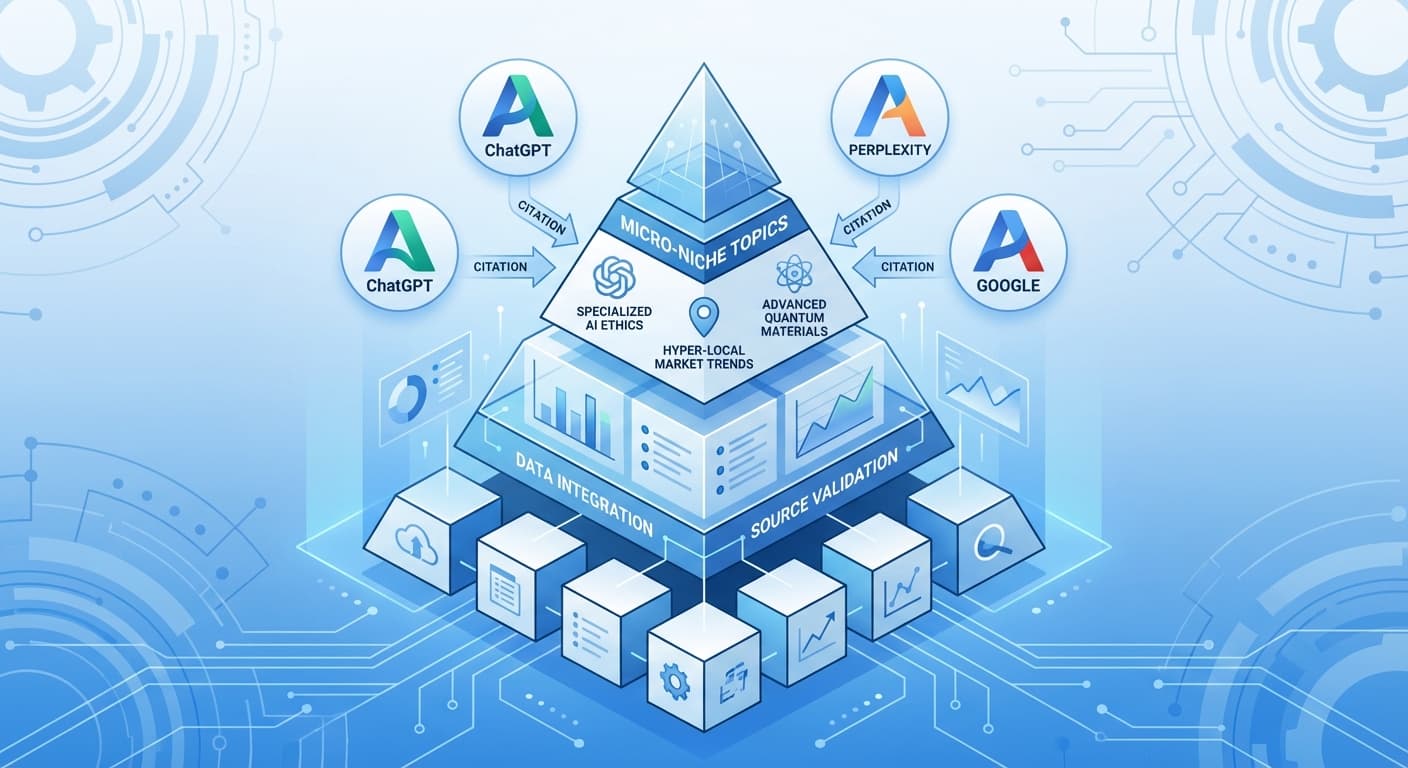
While traditional SEO focused on broad keyword dominance, the AI search era rewards laser-focused expertise in micro-niches. The brands and creators winning AI citations aren't trying to be everything to everyone—they're becoming the definitive authority on highly specific topics, then systematically earning placements in the authoritative lists that AI engines trust most.
Why Micro-Niche Authority Matters More Than Ever in AI Search
AI search engines don't browse the internet the way humans do. They rely heavily on structured, authoritative content that clearly demonstrates expertise. When ChatGPT or Perplexity needs to answer a question about "sustainable packaging for e-commerce," they don't pull from generic marketing blogs—they cite the definitive resources that have established clear authority in that exact micro-niche.
The data backs this up:
The Anatomy of Citation-Worthy List Placements
Not all lists are created equal in the eyes of AI. The lists that consistently earn citations across ChatGPT, Perplexity, and Google share specific characteristics:
Comprehensive Coverage Within Constraints
The most cited lists don't try to cover everything—they exhaustively cover everything within their specific niche. For example, "The Complete Guide to Shopify Apps for Dropshipping" performs better than "Best E-commerce Tools."
Data-Driven Rankings
AI engines favor lists that include:
Structured Format Optimization
Lists that earn consistent AI citations follow predictable patterns:
Building Your Micro-Niche Authority Strategy: A Step-by-Step Framework
Step 1: Identify Your Citation-Worthy Micro-Niche
Start by analyzing where AI engines are already citing content in your broader industry. Look for gaps where:
Pro tip: Use tools to analyze what topics ChatGPT and Perplexity are currently citing in your industry. Look for patterns in the micro-niches that consistently earn mentions.
Step 2: Map the List Landscape
Before creating content, audit existing authoritative lists in your micro-niche:
Step 3: Create Your Cornerstone List Content
Your authority-building strategy should center around 3-5 comprehensive list pieces that become the definitive resources in your micro-niche:
Format Examples That Consistently Get Cited:
Step 4: Optimize for AI Interpretability
Structure your content so AI engines can easily parse and reference it:
Essential Elements:
Step 5: Build Supporting Content Clusters
Once your cornerstone lists are published, create supporting content that reinforces your authority:
Advanced Tactics for Maximizing List Citations
The "Living Document" Approach
The highest-cited lists are treated as living documents rather than static posts. Set up systems to:
Cross-Platform Syndication Strategy
Don't limit your lists to your website. Strategic syndication can multiply your citation opportunities:
Data Partnership Approach
Collaborate with tools and platforms to access exclusive data for your lists. AI engines heavily favor content with unique, first-party data that can't be found elsewhere.
How Citescope Ai Helps You Dominate Micro-Niche Citations
Building citation-worthy list content requires more than good writing—it needs optimization for how AI engines actually interpret and reference content. Citescope Ai's GEO Score analyzes your list content across five critical dimensions that directly impact citation likelihood:
The AI Rewriter feature specifically optimizes list content by restructuring it into the formats that earn the most citations, while the Citation Tracker shows you exactly which of your lists are being referenced and by which AI engines.
Measuring Success: Key Metrics for Micro-Niche Authority
Track these metrics to gauge your micro-niche authority building progress:
Direct Citation Metrics:
Authority Indicators:
Engagement Signals:
The Future of List-Based Authority Building
As AI search continues to evolve, the importance of authoritative list placements will only grow. We're already seeing AI engines become more sophisticated in how they evaluate and cite sources, with increasing preference for:
The micro-niche authorities who adapt to these trends while maintaining their focus on comprehensive, data-driven list content will continue to dominate AI citations in 2026 and beyond.
Ready to Optimize for AI Search?
Building micro-niche topical authority through strategic list placements isn't just about following best practices—it's about optimizing your content for how AI engines actually interpret and cite sources. Citescope Ai gives you the insights and optimization tools you need to create list content that consistently earns citations across ChatGPT, Perplexity, Claude, and Gemini. Start with our free tier to analyze your first three pieces of content and see exactly how to improve your AI citation potential.