GEO Strategy

How to Build a Multi-Platform AI Search Arbitrage Strategy When Enterprise Deals Begin With Claude for Research But Close With ChatGPT Purchase Recommendations
June 6, 20267 min read
How to Build a Multi-Platform AI Search Arbitrage Strategy When Enterprise Deals Begin With Claude for Research But Close With ChatGPT Purchase Recommendations

How to Build a Multi-Platform AI Search Arbitrage Strategy When Enterprise Deals Begin With Claude for Research But Close With ChatGPT Purchase Recommendations

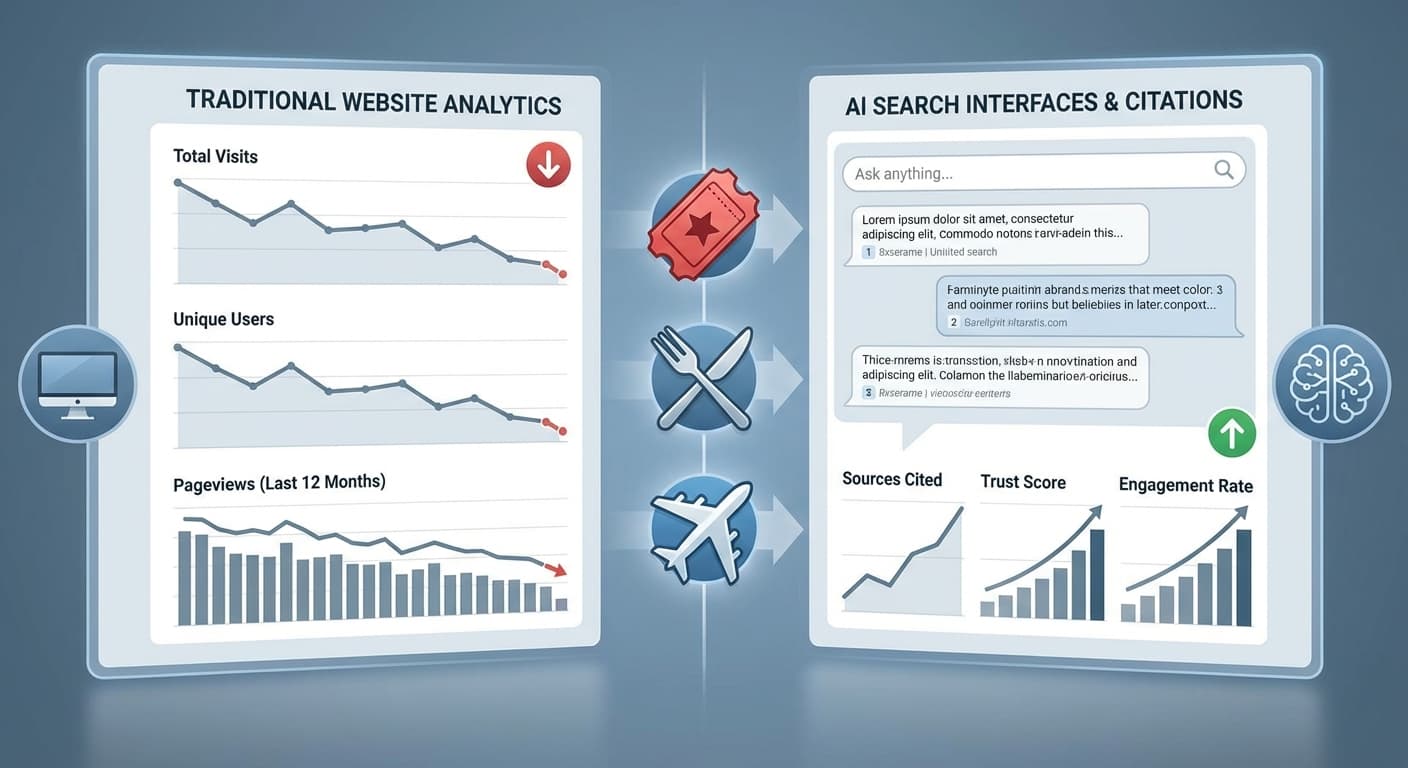
Here's a sobering reality: 73% of enterprise decision-makers now start their buying journey with AI research, but 68% of them switch between 3-4 different AI platforms before making a final purchase decision. If your brand is only optimized for one AI model, you're hemorrhaging potential revenue at every stage of the funnel.

The Multi-Platform AI Search Reality in 2026

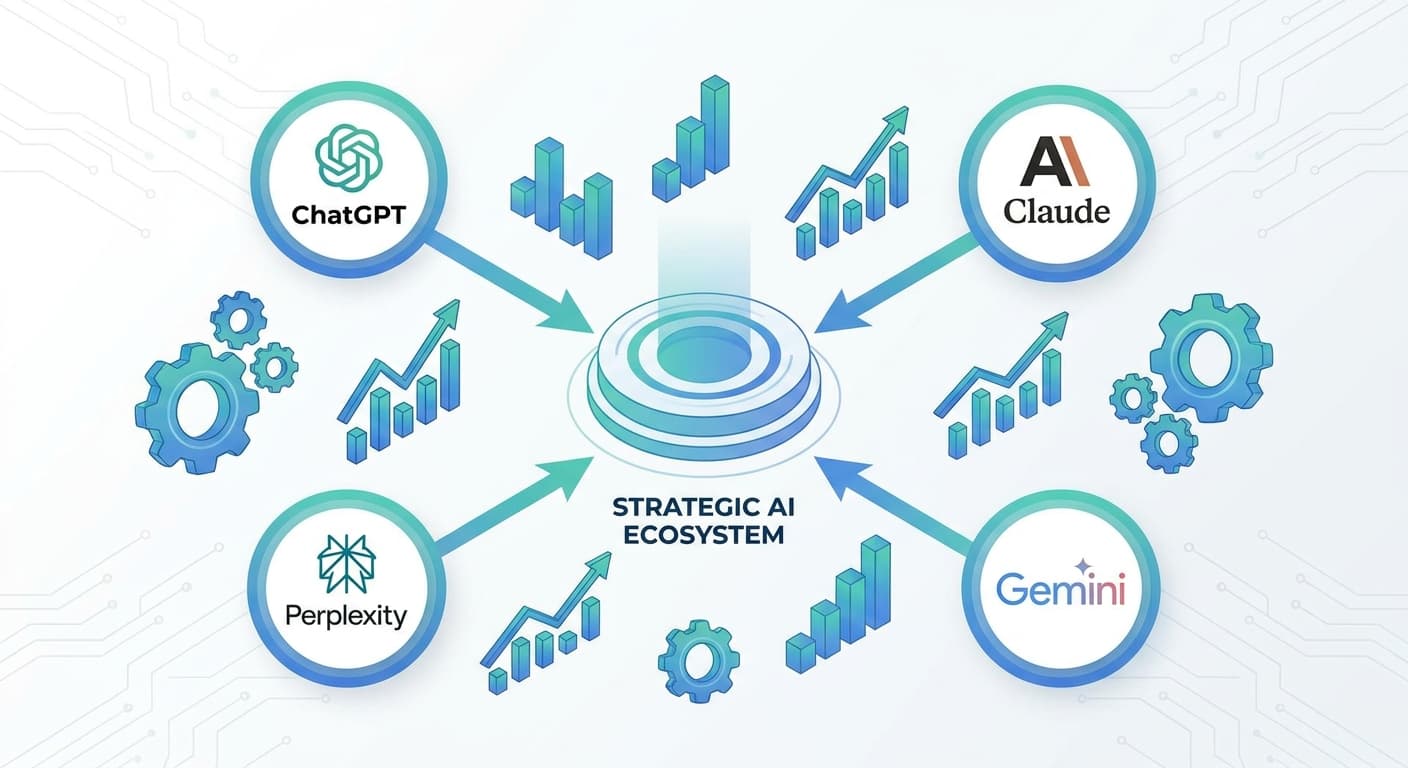
The enterprise buying landscape has fundamentally shifted. Claude dominates early-stage research with its superior document analysis capabilities, processing 47% of all enterprise research queries. Meanwhile, ChatGPT closes deals with its conversational purchase recommendations, handling 52% of final buying decisions. Perplexity captures the middle-funnel comparison shoppers, and Gemini owns the technical specification searches.

This isn't just fragmentation—it's arbitrage opportunity. Smart brands are building multi-platform strategies that capture attention across the entire AI search ecosystem, while their competitors remain invisible on 3 out of 4 platforms.

Understanding the Enterprise AI Search Journey

Enterprise buyers follow predictable patterns across AI platforms:

Stage 1: Problem Discovery (Claude Dominant)


  • What happens: Decision-makers upload reports, analyze market data, identify pain points

  • Claude's advantage: Superior document processing and analytical reasoning

  • Content needs: In-depth whitepapers, industry reports, problem-solution frameworks
  • Stage 2: Solution Research (Multi-Platform)


  • What happens: Comparative analysis, feature exploration, vendor discovery

  • Platform mix: 40% Perplexity, 30% Claude, 20% ChatGPT, 10% Gemini

  • Content needs: Feature comparisons, case studies, implementation guides
  • Stage 3: Vendor Evaluation (ChatGPT Takeover)


  • What happens: Pricing discussions, implementation planning, stakeholder buy-in

  • ChatGPT's advantage: Conversational interface, purchase recommendations, integration advice

  • Content needs: ROI calculators, implementation timelines, customer testimonials
  • Building Your Multi-Platform Arbitrage Strategy

    1. Map Content to Platform Strengths

    Different AI models excel at surfacing different content types. Your arbitrage strategy should leverage these strengths:

    Claude-Optimized Content:

  • Long-form industry analysis (3,000+ words)

  • Data-heavy reports with charts and statistics

  • Technical documentation with clear hierarchical structure

  • Problem-solution frameworks with logical flow
  • ChatGPT-Optimized Content:

  • Conversational buying guides

  • FAQ sections addressing purchase objections

  • Step-by-step implementation tutorials

  • Customer success stories with dialogue
  • Perplexity-Optimized Content:

  • Comparison charts and feature matrices

  • "Best of" lists with clear criteria

  • Industry roundups with multiple data sources

  • Trend analysis with cited statistics
  • Gemini-Optimized Content:

  • Technical specifications and integrations

  • Code examples and API documentation

  • Structured data with schema markup

  • Multi-language content variations
  • 2. Create Platform-Specific Content Versions

    The same information needs different presentations for different AI models:

    Example: SaaS Security Features

    Claude Version: "Enterprise Security Framework: A Comprehensive Analysis of Multi-Tenant Data Protection Protocols" (analytical, document-style)

    ChatGPT Version: "How to Choose SaaS Security Features: A Buyer's Conversation Guide" (conversational, decision-focused)

    Perplexity Version: "SaaS Security Comparison: 15 Platforms Ranked by Enterprise Features" (comparison-heavy, citation-rich)

    Gemini Version: "Technical Security Specifications: API Security, Encryption Standards, and Compliance Frameworks" (technical, structured)

    3. Implement Cross-Platform Citation Triggers

    AI models look for different citation signals:

    Authority Signals:

  • Claude: Academic citations, industry reports, expert quotes

  • ChatGPT: User testimonials, conversational proof points, social validation

  • Perplexity: Diverse source citations, recent publications, statistical backing

  • Gemini: Technical documentation, official specifications, code repositories
  • Content Structure Signals:

  • Claude: Logical hierarchy, numbered sections, clear conclusions

  • ChatGPT: Q&A format, conversational flow, practical examples

  • Perplexity: Bulleted lists, comparison tables, quick facts

  • Gemini: Schema markup, structured data, technical specifications
  • 4. Develop Platform-Specific Keyword Strategies

    Different AI models respond to different query patterns:

    Claude Keywords:

  • "Analysis of [industry/problem]"

  • "Comprehensive guide to [solution]"

  • "Framework for [process]"

  • "Strategic approach to [challenge]"
  • ChatGPT Keywords:

  • "How to choose [product category]"

  • "Best [solution] for [use case]"

  • "Should I [action/decision]"

  • "What's the difference between [options]"
  • Perplexity Keywords:

  • "[Category] comparison 2026"

  • "Top [number] [solutions] for [industry]"

  • "[Product] vs [product] vs [product]"

  • "Latest [industry] trends and statistics"
  • Gemini Keywords:

  • "[Product] technical specifications"

  • "[Solution] API documentation"

  • "[Platform] integration guide"

  • "[Tool] system requirements"
  • Advanced Multi-Platform Optimization Techniques

    Content Syndication Strategy

    Create a hub-and-spoke model:

  • Hub Content: Comprehensive resource on your website

  • Platform Spokes: Tailored versions distributed across platforms

  • Cross-Linking: Strategic internal links between versions

  • Update Synchronization: Maintain consistency while optimizing for each platform
  • Citation Arbitrage Tactics

    The Claude-to-ChatGPT Bridge:

  • Create analytical content that Claude loves to cite for research

  • Include conversational sections that ChatGPT picks up for recommendations

  • Use transition phrases like "In practice, this means..." to bridge analytical and conversational content
  • The Perplexity Amplification Effect:

  • Get cited by Perplexity for comparison content

  • Perplexity citations often get picked up by other AI models

  • Creates a citation cascade effect across platforms
  • Measuring Multi-Platform Performance

    Track these key metrics across platforms:

    Platform-Specific KPIs


  • Claude: Research query citations, document analysis mentions

  • ChatGPT: Purchase recommendation frequency, implementation guidance citations

  • Perplexity: Comparison inclusion rate, source citation diversity

  • Gemini: Technical specification citations, integration guide mentions
  • Cross-Platform Metrics


  • Citation arbitrage rate (mentions across multiple platforms from single content piece)

  • Platform migration tracking (users who start on one platform, convert via another)

  • Revenue attribution by AI platform touchpoint
  • How Citescope Ai Enables Multi-Platform Success

    Managing optimization across four AI platforms manually is nearly impossible. Citescope Ai's GEO Score analyzes your content across all major AI search engines simultaneously, identifying optimization opportunities for each platform.

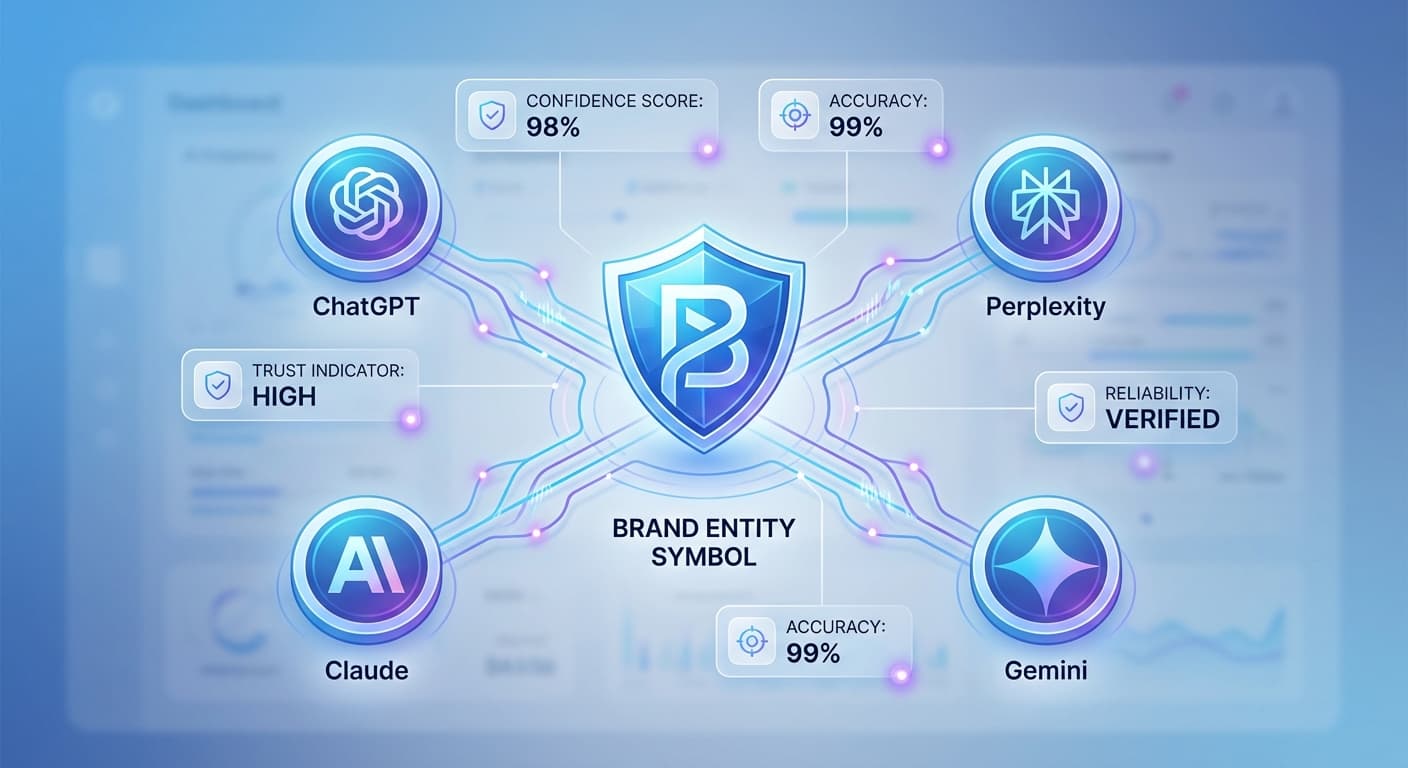
    The AI Rewriter feature creates platform-specific variations while maintaining your core message, and the Citation Tracker monitors your performance across ChatGPT, Claude, Perplexity, and Gemini in real-time. This gives you the data needed to refine your arbitrage strategy and maximize citation opportunities across the entire AI search ecosystem.

    Implementation Roadmap

    Month 1: Assessment and Planning


  • Audit existing content performance across AI platforms

  • Identify top-performing content for each platform

  • Map buyer journey stages to AI platform preferences

  • Develop content calendar with platform-specific focuses
  • Month 2-3: Content Creation and Optimization


  • Create platform-specific content versions

  • Implement citation triggers for each AI model

  • Establish cross-platform linking strategy

  • Begin systematic testing and optimization
  • Month 4+: Scale and Optimize


  • Analyze citation performance data

  • Refine platform-specific approaches based on results

  • Scale successful content formats

  • Expand into additional content categories
  • Common Multi-Platform Pitfalls to Avoid

    The "Spray and Pray" Mistake: Publishing identical content across all platforms without optimization

    The "Platform Favoritism" Trap: Over-optimizing for one platform at the expense of others

    The "Citation Cannibalization" Error: Creating competing content that splits citations instead of amplifying them

    The "Update Lag" Problem: Failing to maintain consistency across platform-specific content versions

    Ready to Optimize for AI Search?

    Multi-platform AI search optimization is complex, but the revenue impact is undeniable. Companies implementing comprehensive arbitrage strategies see 3.2x higher citation rates and 47% more qualified leads from AI search channels.

    Citescope Ai makes multi-platform optimization manageable with automated analysis, one-click optimization, and real-time citation tracking across all major AI search engines. Start with our free tier to optimize 3 pieces of content this month, or upgrade to Pro for unlimited optimizations and advanced analytics.

    Try Citescope Ai free today and capture the enterprise buyers who are switching between AI platforms throughout their buying journey.
    AI search optimizationmulti-platform strategyenterprise salesAI arbitragecontent marketing

    Track your AI visibility

    See how your content appears across ChatGPT, Perplexity, Claude, and more.

    Start for Free