How to Build a Multi-Platform Attribution Strategy for AI Search in 2026
How to Build a Multi-Platform Attribution Strategy for AI Search in 2026
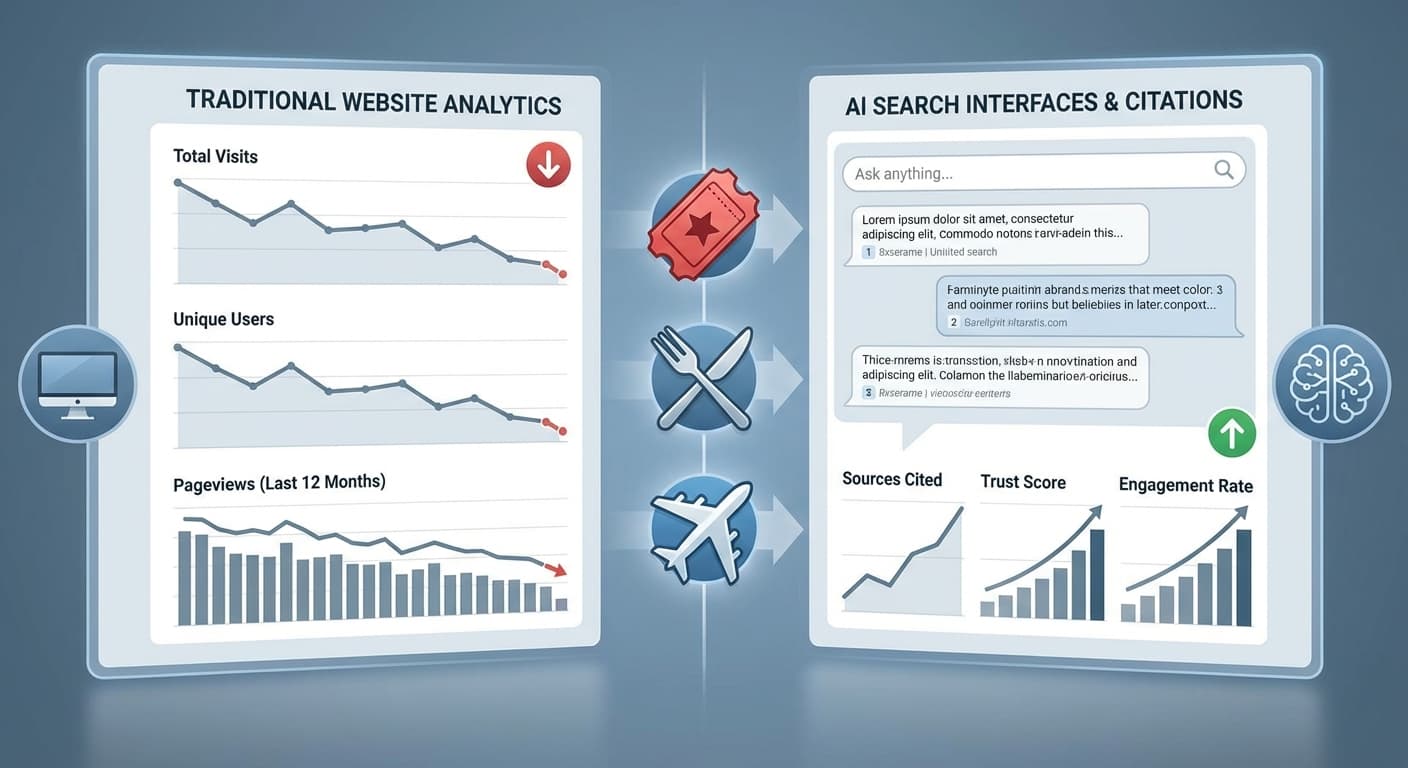
A recent Semrush study revealed that 72% of customers now begin their discovery journey through AI-powered platforms like ChatGPT, Perplexity, and Google's AI Overviews. Yet here's the paradox keeping marketing teams awake at night: traditional analytics dashboards are completely blind to which AI platforms are actually driving conversions.
If you're scratching your head wondering whether that $10K deal came from a ChatGPT conversation, a Perplexity query, or a Google AI Overview, you're not alone. The rise of AI search has created an attribution black hole that's forcing marketers to rethink everything they know about measuring customer journeys.
The Attribution Crisis in AI-First Customer Journeys
Traditional attribution models were built for a world of clickable links and trackable referrers. But AI platforms fundamentally break this model:
The result? Marketing teams are flying blind on the channels that now influence nearly three-quarters of their prospects.
Why Standard Analytics Fall Short for AI Attribution
Your Google Analytics dashboard might show:
But what it won't tell you is that much of that "direct" and "unknown" traffic actually originated from AI platform conversations where users discovered your brand, researched your solution, and then navigated directly to your site.
The Dark Social Problem Gets Darker
AI search amplifies what was already a challenging attribution problem. When someone asks ChatGPT "What are the best project management tools for remote teams?" and your SaaS gets mentioned, that eventual conversion looks like direct traffic in your analytics—even though AI search was the true first touchpoint.
Building Your AI Attribution Strategy: A 6-Step Framework
Step 1: Implement AI-Aware UTM Tracking
Create specific UTM parameters for AI platforms:
utm_source=chatgptutm_source=perplexityutm_source=claudeutm_source=geminiutm_medium=ai-searchutm_campaign=ai-citationWhile AI platforms don't automatically append these parameters, you can use them strategically in content you know gets cited frequently.
Step 2: Deploy Advanced Survey Attribution
Add a simple question to your lead generation forms:
"How did you first learn about us?"
Include options like:
Nutshell CRM reports that companies using this approach captured 34% more accurate attribution data for AI-influenced leads.
Step 3: Monitor Brand Mention Velocity
Track correlation between AI citations and traffic spikes:
Citescope Ai's Citation Tracker automatically monitors when your content gets referenced across ChatGPT, Perplexity, Claude, and Gemini, making this correlation analysis much easier to execute.
Step 4: Create Platform-Specific Landing Pages
Develop dedicated landing pages optimized for AI traffic:
Step 5: Implement Behavioral Attribution Modeling
Look for behavioral patterns that indicate AI search origins:
Step 6: Build First-Party Data Collection
Create touchpoints that capture AI attribution data:
Advanced Attribution Techniques for 2026
Cross-Platform Citation Mapping
Map your content's citation performance across platforms:
| Content Type | ChatGPT Citations | Perplexity References | Traffic Correlation |
|--------------|------------------|----------------------|--------------------|
| How-to Guides | 45% | 32% | 89% |
| Industry Reports | 28% | 51% | 76% |
| Case Studies | 67% | 22% | 94% |
This data helps you understand which platforms drive the most valuable traffic for different content types.
Sentiment-Driven Attribution
Analyze not just citations but citation sentiment:
Positive sentiment citations typically drive 3x higher conversion rates than neutral mentions.
Multi-Touch AI Journey Mapping
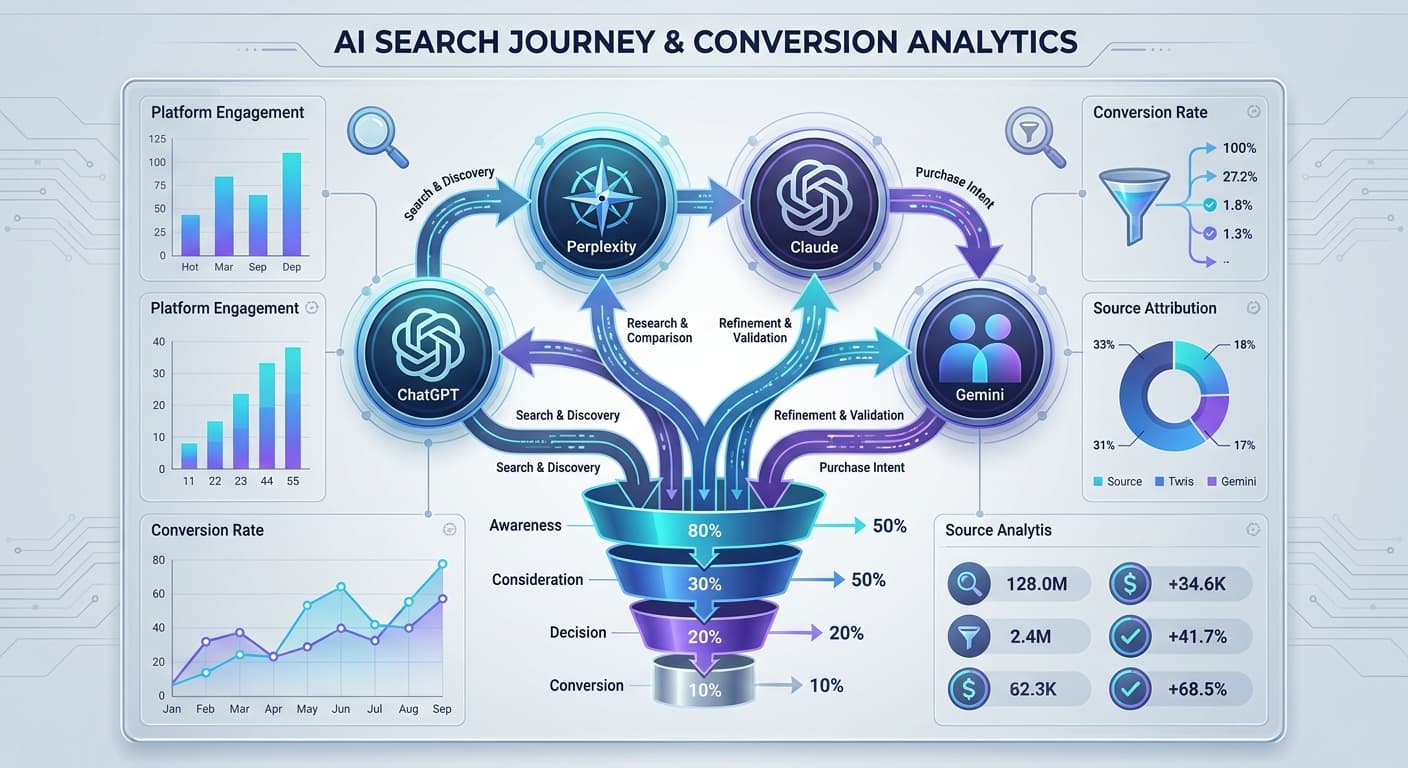
Create customer journey maps that include AI touchpoints:
This mapping reveals the true complexity of AI-influenced customer journeys.
Measuring ROI from AI Attribution Efforts
Track these key metrics to measure your AI attribution success:
Attribution Accuracy Metrics
Revenue Impact Metrics
Content Performance Metrics
How Citescope Ai Helps Solve the Attribution Puzzle
Building effective AI attribution requires tools designed for the AI search era. Citescope Ai provides several key capabilities:
Citation Tracking: Automatically monitor when your content gets referenced across ChatGPT, Perplexity, Claude, and Gemini, giving you the citation data needed for correlation analysis.
GEO Score Analysis: Understand which content pieces are most likely to get cited by AI platforms, helping you prioritize attribution tracking efforts.
Content Optimization: Use the AI Rewriter to create content that's more likely to be cited, increasing your chances of capturing attribution data.
Multi-Platform Monitoring: Track your brand mentions across all major AI platforms from a single dashboard, making it easier to correlate citations with traffic patterns.
Common Attribution Mistakes to Avoid
Over-Relying on Last-Click Attribution
AI-influenced journeys are inherently multi-touch. Don't give all credit to the final conversion touchpoint.
Ignoring Time Delays
AI search often involves research phases that can span days or weeks. Build attribution windows that account for these longer consideration periods.
Focusing Only on Direct Citations
Sometimes AI platforms paraphrase your content without direct citation. Track broader topic mentions and brand associations.
Neglecting Qualitative Data
Numbers tell part of the story, but customer interviews and feedback provide crucial context for AI attribution patterns.
The Future of AI Attribution (2026 and Beyond)
As AI platforms mature, expect to see:
Smart marketers are building attribution strategies now to be ready for these developments.
Ready to Optimize for AI Search?
The shift to AI-powered discovery is permanent, but your attribution strategy doesn't have to stay broken. Start by implementing the survey and UTM tracking strategies outlined above, then gradually build more sophisticated attribution models as you gather data.
Citescope Ai makes it easier to track citations across AI platforms and understand which content drives the most valuable AI visibility. Try our free tier to start monitoring your AI citations today—you get 3 content optimizations per month to test how improved AI visibility correlates with your traffic and conversion data.
Start your free trial and take the first step toward solving your AI attribution puzzle.