How to Build a Predictive AI Citation Forecasting Model for 2026 Budget Planning
How to Build a Predictive AI Citation Forecasting Model for 2026 Budget Planning
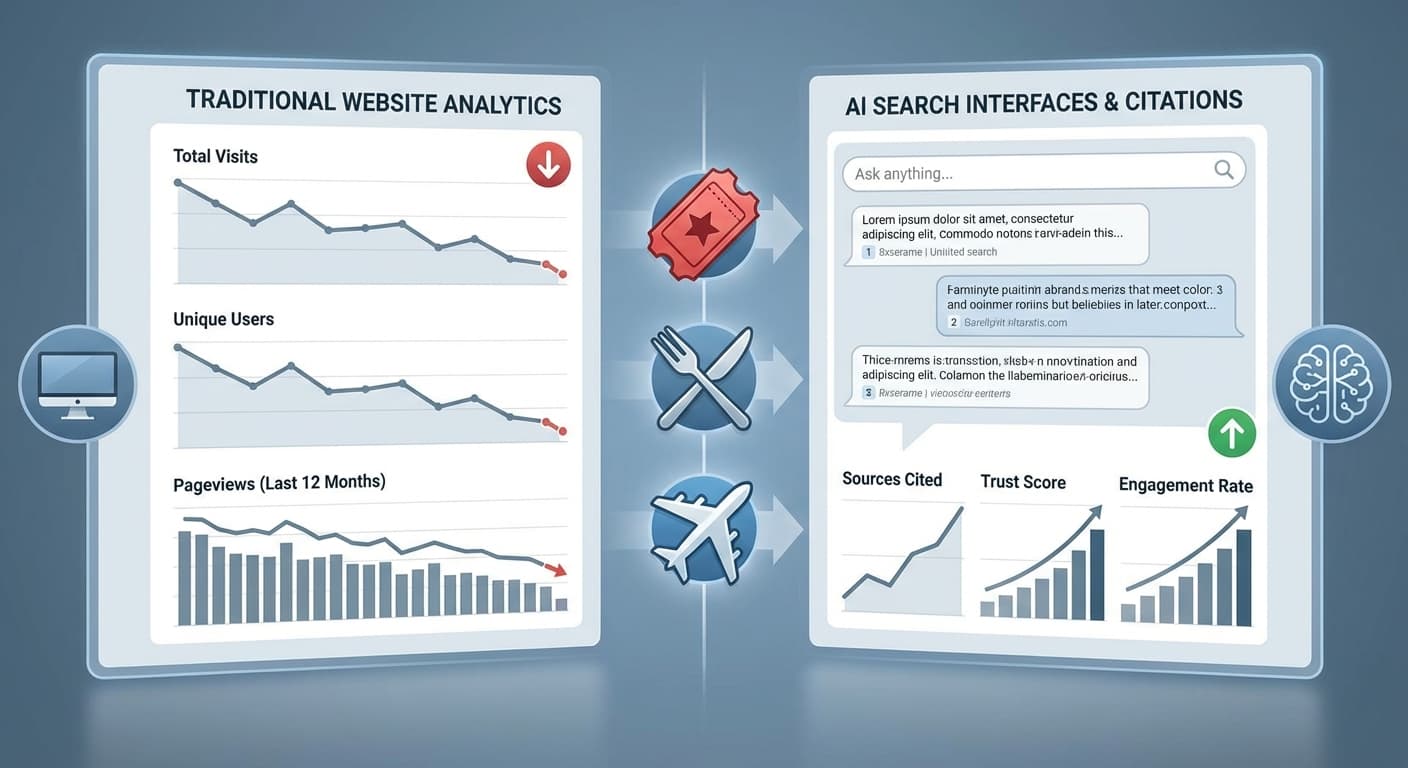
As we kick off Q1 2026, content marketing teams are grappling with a fundamental challenge: traditional SEO forecasting models are failing spectacularly in the age of AI search. With ChatGPT processing over 2 billion queries monthly and Perplexity handling 150 million searches per week, the rules of content visibility have been completely rewritten.
The harsh reality? Your 2025 forecasting models are already obsolete. Answer engines like ChatGPT, Claude, and Gemini are updating their algorithms monthly—sometimes weekly—making traditional 90-day SEO projections about as accurate as weather forecasts for next Christmas.
The Problem with Traditional Forecasting in AI Search
Traditional SEO forecasting relied on relatively stable Google algorithm updates that happened quarterly or annually. Marketing teams could confidently project traffic growth, keyword rankings, and content performance months in advance.
But AI search engines operate differently:
Building Your AI Citation Forecasting Framework
Step 1: Establish Baseline Citation Metrics
Before you can predict future performance, you need to understand your current AI visibility. Start by tracking these key metrics:
Primary Citation Metrics:
Secondary Performance Indicators:
Step 2: Identify Citation Pattern Variables
Successful AI forecasting requires understanding the variables that influence citation probability:
Content Structure Variables:
Authority Signals:
Contextual Factors:
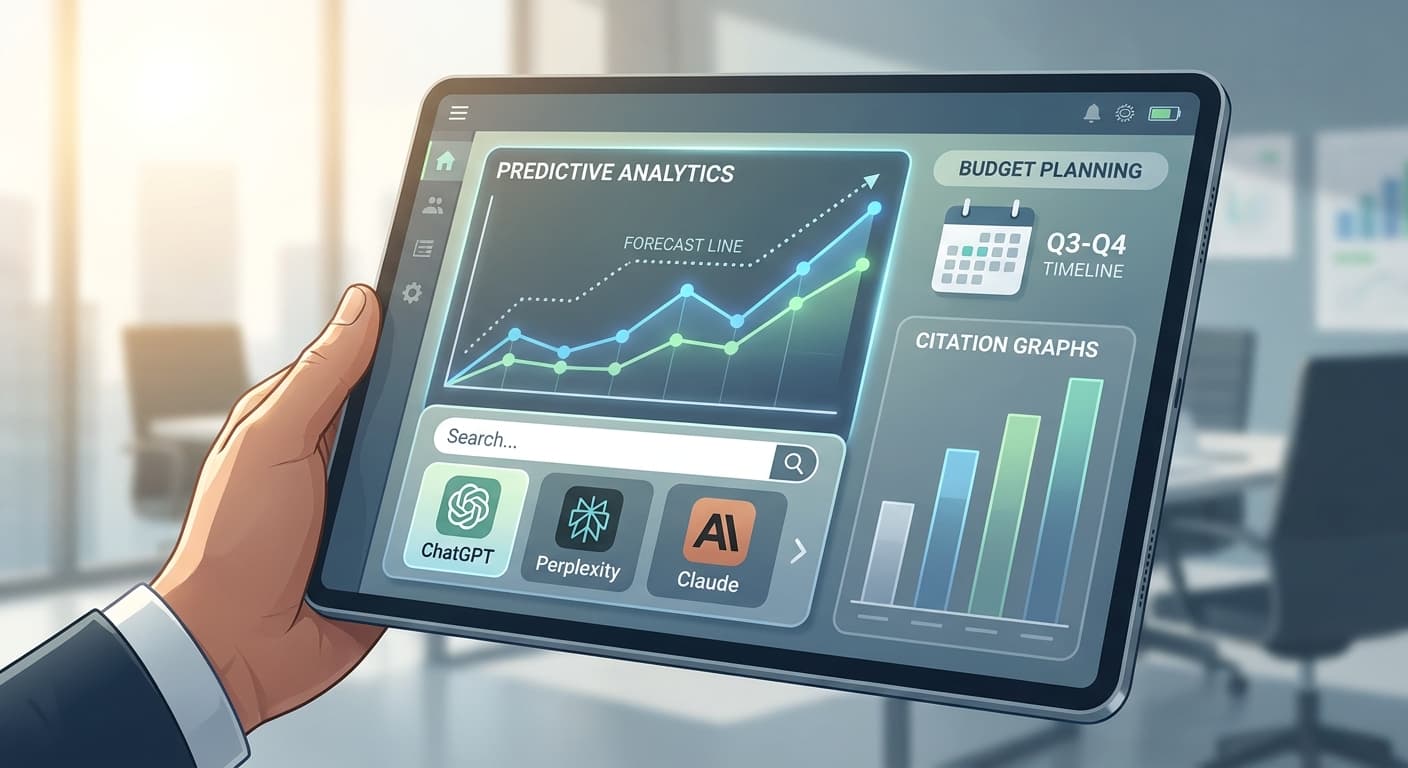
Step 3: Create Your Predictive Model
#### The Multi-Variable Approach
Rather than relying on single metrics, build a weighted scoring system:
- Average monthly citations over past 6 months
- Citation growth/decline trends
- Platform preference patterns
- AI interpretability scores
- Semantic richness indicators
- Structural optimization metrics
- Competitive landscape changes
- Trending topic alignment
- Seasonal demand fluctuations
#### Sample Forecasting Formula
Predicted Monthly Citations =
(Historical Average × 0.4) +
(Content Quality Score × 0.35) +
(Market Trend Multiplier × 0.25)
Step 4: Account for Algorithm Volatility
Given the rapid pace of AI engine updates, build flexibility into your forecasts:
Conservative Scenario (70% confidence):
Optimistic Scenario (30% confidence):
Crisis Scenario (Risk Planning):
Advanced Forecasting Techniques
Cohort-Based Prediction
Group your content into cohorts based on:
Track how each cohort performs over time to identify patterns that inform future predictions.
Sentiment-Weighted Forecasting
Not all citations are equal. A positive mention in an AI response carries different value than a neutral reference. Weight your predictions based on:
Cross-Platform Correlation Analysis
Different AI engines have distinct preferences. Analyze correlation patterns:
Implementing Your Forecasting System
Month 1: Data Collection
Month 2: Model Development
Month 3: Optimization & Scaling
How Citescope Ai Simplifies Citation Forecasting
Building a predictive model from scratch is complex and time-intensive. Citescope Ai streamlines this process by providing:
The platform's AI Rewriter also helps optimize content proactively, improving citation probability before publication.
Common Forecasting Pitfalls to Avoid
Over-Reliance on Historical Data
While past performance informs future predictions, AI search moves too quickly to rely solely on historical trends. Balance historical data with real-time market signals.
Ignoring Platform Differences
Treating all AI engines equally leads to inaccurate forecasts. Each platform has distinct citation preferences and user behaviors.
Underestimating Volatility
AI search is inherently more volatile than traditional SEO. Build wider confidence intervals and multiple scenarios into your forecasts.
Focusing Only on Volume
Citation quantity matters, but quality and context are equally important for business impact. Track both volume and value metrics.
Measuring Forecast Accuracy
Track these metrics to improve your forecasting over time:
Ready to Optimize for AI Search?
Building accurate AI citation forecasts is crucial for 2026 budget planning, but it requires sophisticated tracking and analysis capabilities. Citescope Ai provides the tools content teams need to monitor, predict, and optimize their AI search performance.
Start with our free tier to track up to 3 content optimizations per month, or upgrade to Pro ($39/month) for comprehensive citation forecasting and competitive intelligence. Ready to transform your content strategy for the AI search era? Try Citescope Ai free today and build forecasts you can actually trust.