GEO Strategy

How to Build a Predictive Intent Content Strategy When AI Search Engines Are Forecasting User Needs
March 5, 20267 min read
How to Build a Predictive Intent Content Strategy When AI Search Engines Are Forecasting User Needs

How to Build a Predictive Intent Content Strategy When AI Search Engines Are Forecasting User Needs

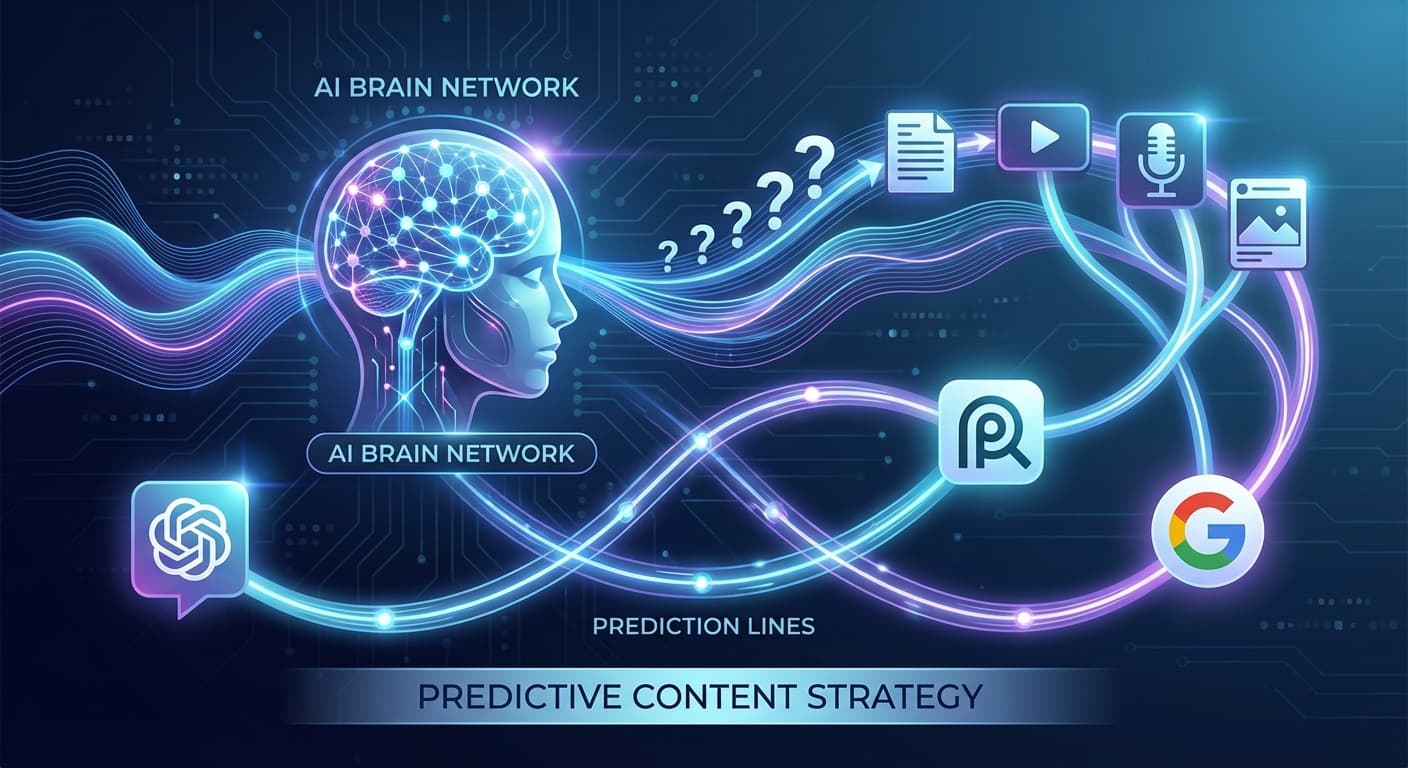
By late 2025, something remarkable happened: AI search engines stopped waiting for users to finish typing. Google's AI Mode now suggests complete questions after just two words, Perplexity predicts entire research journeys, and ChatGPT anticipates follow-up queries before users ask them. With AI search now handling over 35% of all queries and 73% of Gen Z relying on AI for discovery, we've entered the era of predictive search.

This shift changes everything about content strategy. Traditional keyword research assumes people know what they're looking for. But when AI engines forecast intent and surface content proactively, your strategy needs to think three steps ahead.

The New Reality: AI Engines That Think Ahead

In January 2026, the average AI search session involves 4.2 related queries that users never explicitly typed. Perplexity's "Related" suggestions drive 45% of follow-up searches, while Google's AI Mode completes thoughts for 60% of partial queries.

Here's what this means for content creators:

  • Intent clustering is expanding rapidly: One query now triggers 8-12 related content recommendations

  • Context matters more than keywords: AI engines analyze user behavior patterns, not just search terms

  • Predictive pathways drive traffic: Content gets discovered through AI-suggested journeys, not direct searches

  • Semantic relationships rule: AI engines connect concepts across topics in ways traditional SEO never could
  • Building Your Predictive Intent Framework

    1. Map Intent Progressions, Not Just Keywords

    Traditional keyword research captures snapshots. Predictive intent mapping traces entire user journeys. Start by identifying the progression of questions your audience asks:

    Example: SaaS Marketing Manager Journey

  • Initial awareness: "What is AI SEO?"

  • Deeper exploration: "How do I optimize content for ChatGPT?"

  • Solution research: "Best AI content optimization tools"

  • Implementation: "How to track AI search citations"
  • For each stage, create content that anticipates the next logical question. When someone reads about AI SEO basics, your content should seamlessly guide them toward optimization techniques.

    2. Leverage Semantic Question Clusters

    AI search engines excel at connecting related concepts. Instead of targeting individual keywords, build content around semantic clusters.

    Traditional approach: Target "content marketing strategy"
    Predictive approach: Create comprehensive content addressing:

  • Content strategy fundamentals

  • Distribution channel optimization

  • Performance measurement frameworks

  • Team workflow optimization

  • Technology stack integration
  • This clustering approach increases your chances of appearing in AI-generated response threads and "Related" sections.

    3. Create Context-Rich Content Architecture

    AI engines analyze content structure to understand relationships. Use clear hierarchical organization:

  • H2 headings: Address primary intent variations

  • H3 subheadings: Cover related questions and edge cases

  • Internal linking: Connect concepts across your content library

  • Definition blocks: Explain technical terms for context
  • 4. Anticipate Follow-Up Questions

    Every piece of content should answer the original query plus 3-5 logical follow-ups. Use these frameworks:

    The "What's Next" Framework:

  • Primary question: Answer the main query

  • Implementation: "How do I actually do this?"

  • Troubleshooting: "What if this doesn't work?"

  • Optimization: "How can I improve results?"

  • Scaling: "How do I expand this approach?"
  • The "Context Expansion" Framework:

  • Beginner context: Fundamental concepts

  • Intermediate context: Advanced strategies

  • Expert context: Edge cases and optimizations

  • Industry context: Specific applications
  • Advanced Predictive Strategies

    Conversational Content Structure

    AI search engines favor content that mirrors natural conversation patterns. Structure your content like you're having a dialogue:

  • Start with acknowledgment: "You're probably wondering about..."

  • Provide clear answers: "Here's exactly what you need to know..."

  • Address concerns: "But what about..."

  • Offer next steps: "Once you've implemented this..."
  • Intent Signal Integration

    Modern AI engines analyze multiple signals beyond text:

  • Behavioral patterns: How users typically progress through topics

  • Seasonal trends: When certain questions peak throughout the year

  • Industry cycles: How business needs evolve

  • Technology adoption: How new tools create new questions
  • Track these signals and create content calendars that anticipate demand spikes.

    Multi-Modal Intent Prediction

    By 2026, AI search increasingly combines text, voice, and visual queries. Your content strategy should account for:

  • Voice search patterns: Longer, more conversational queries

  • Visual search integration: Content that complements image and video results

  • Mixed-mode queries: Questions that combine multiple input types
  • Tools and Techniques for Predictive Research

    AI-Powered Research Methods

  • ChatGPT Journey Mapping: Ask ChatGPT to predict related questions for any topic

  • Perplexity Pattern Analysis: Study how Perplexity clusters related searches

  • Claude Content Gaps: Use Claude to identify missing information in your content
  • Traditional Tools with Predictive Applications

  • Answer The Public: Identify question progression patterns

  • AlsoAsked: Map related question hierarchies

  • Google Search Console: Analyze impression data for near-miss queries

  • Reddit/Forum Mining: Discover natural conversation progressions
  • Content Validation Techniques

    Before publishing, test your predictive intent coverage:

  • AI Engine Testing: Query each major AI platform with your target questions

  • Gap Analysis: Identify questions you haven't addressed

  • Flow Testing: Ensure logical progression between topics

  • Context Verification: Confirm your content provides sufficient background
  • How Citescope Ai Enhances Predictive Intent Strategy

    While building predictive intent content is crucial, ensuring AI engines can properly interpret and cite your content is equally important. Citescope Ai's GEO Score analyzes your content across five dimensions that directly impact predictive discoverability:

  • AI Interpretability: How easily can AI engines parse your content structure?

  • Semantic Richness: Does your content cover related concepts comprehensively?

  • Conversational Relevance: Is your content structured for natural AI responses?

  • Authority Signals: Do you demonstrate expertise across the intent spectrum?

  • Structure Optimization: Is your content organized for predictive pathways?
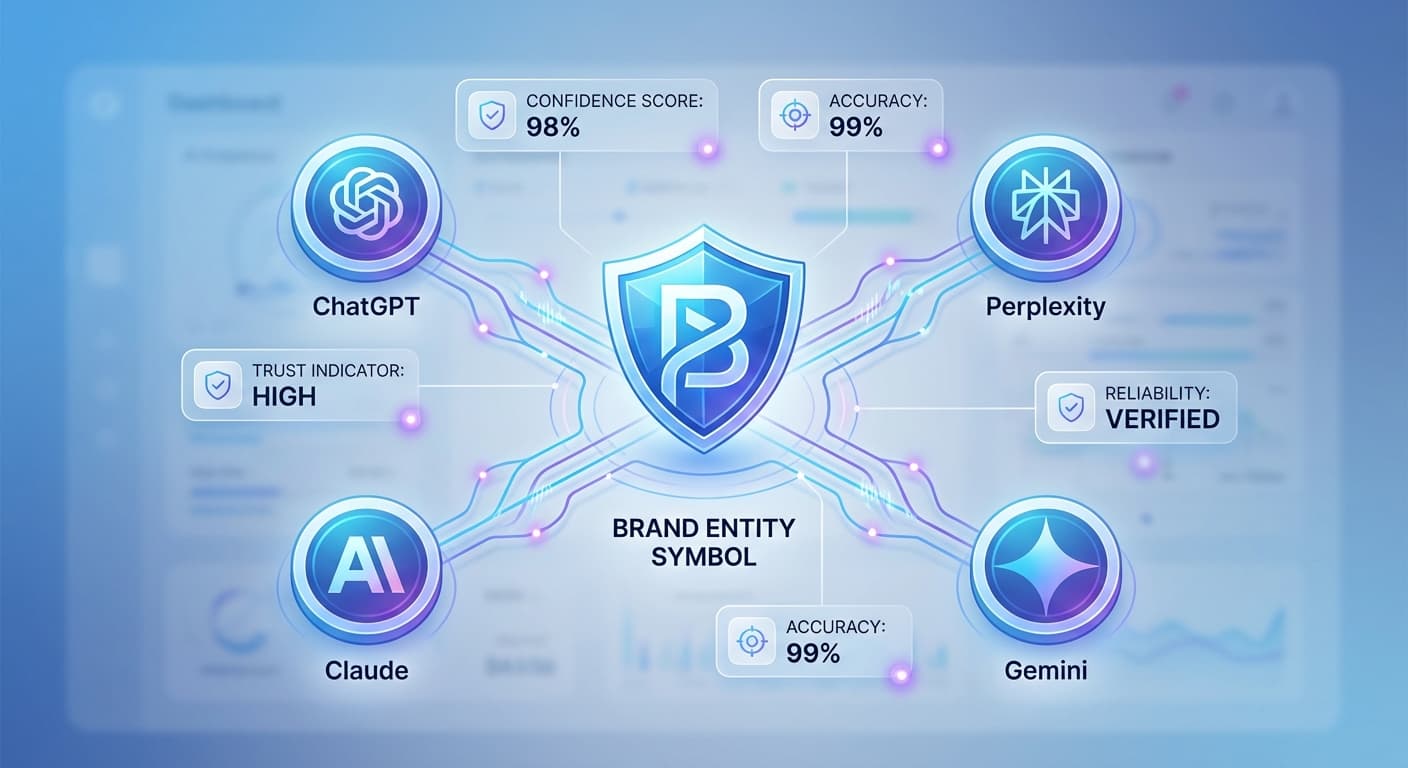
  • The platform's Citation Tracker also helps you understand which pieces of your predictive content strategy are working, showing exactly when and how ChatGPT, Perplexity, Claude, and Gemini reference your content in their predictive suggestions.

    Measuring Predictive Intent Success

    Key Metrics to Track

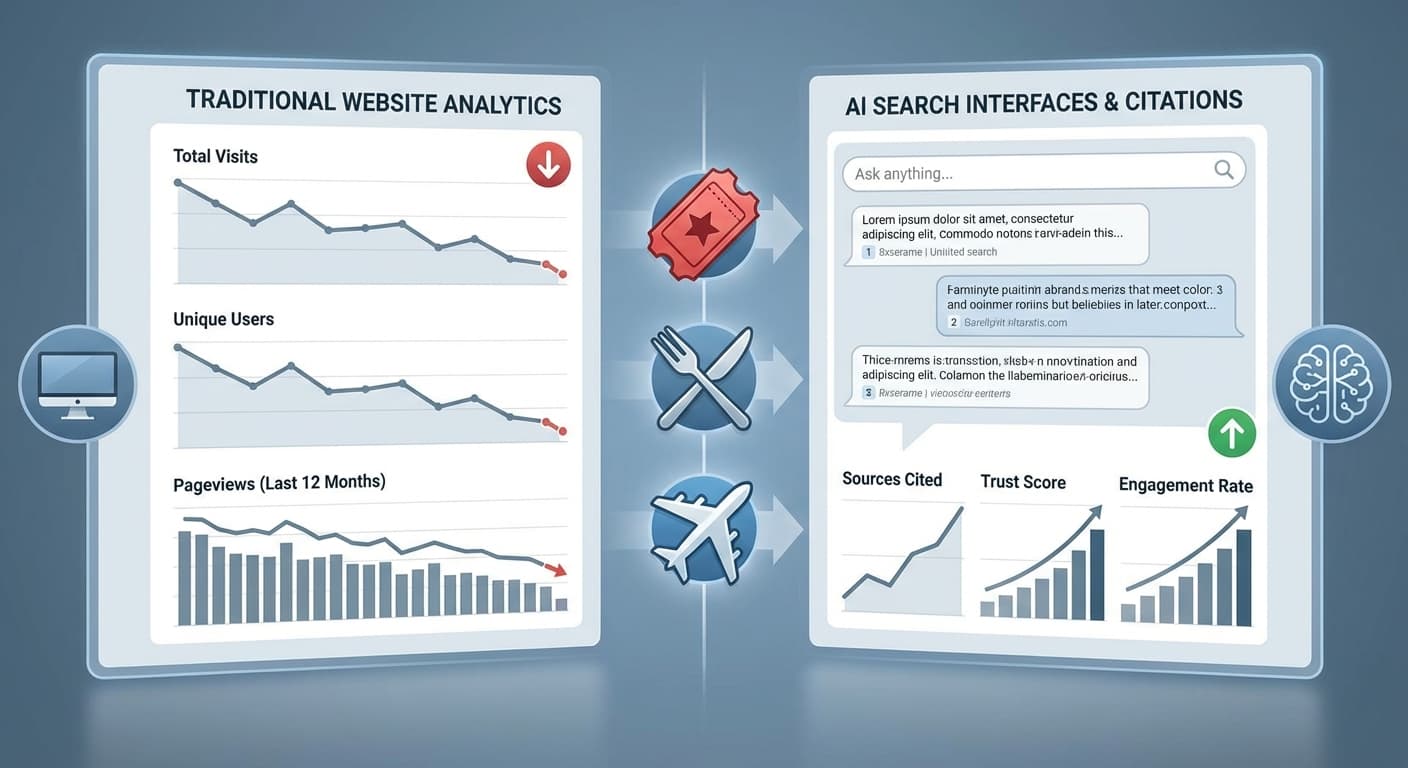
  • AI Citation Rate: How often your content appears in AI-generated responses

  • Intent Progression: Percentage of users who follow predicted content journeys

  • Related Question Coverage: How many follow-up queries your content addresses

  • Semantic Ranking: Your visibility for related, non-targeted keywords

  • Cross-Platform Performance: Consistency across different AI search engines
  • Performance Optimization

    Regularly audit your predictive intent performance:

  • Monthly Intent Mapping: Update your understanding of user journey progressions

  • Quarterly Content Gaps: Identify missing pieces in your predictive coverage

  • AI Engine Testing: Verify your content performs across all major platforms

  • Competitive Analysis: Study how competitors address similar intent clusters
  • The Future of Predictive Content Strategy

    As AI search engines become more sophisticated, predictive capabilities will expand further. By mid-2026, expect to see:

  • Personal AI Assistants: Customized content recommendations based on individual user patterns

  • Real-Time Intent Prediction: AI engines that adapt predictions based on current events and trends

  • Cross-Platform Intent Sync: Unified user journeys across multiple AI platforms

  • Automated Content Suggestions: AI engines that directly suggest content creation opportunities
  • Content creators who master predictive intent strategies now will have significant advantages as these capabilities evolve.

    Ready to Optimize for AI Search?

    Building a predictive intent content strategy requires understanding both user behavior and AI engine capabilities. Citescope Ai helps you bridge this gap with tools designed specifically for the AI search era. Our GEO Score ensures your content is structured for predictive discoverability, while our Citation Tracker shows you exactly how AI engines are using your content in their responses.

    Start optimizing your content for predictive intent today. Try Citescope Ai's free tier and see how your content performs across ChatGPT, Perplexity, Claude, and Gemini. Your future audience is already searching – make sure they find you.
    predictive intentAI search strategycontent optimizationsemantic SEOuser journey mapping

    Track your AI visibility

    See how your content appears across ChatGPT, Perplexity, Claude, and more.

    Start for Free