How to Build a Predictive Intent SEO Framework When AI Search Engines Anticipate User Needs Before Queries Are Even Typed
How to Build a Predictive Intent SEO Framework When AI Search Engines Anticipate User Needs Before Queries Are Even Typed
By 2026, AI search engines have evolved far beyond simple keyword matching. With ChatGPT processing over 500 million weekly queries and Perplexity handling 100+ million monthly searches, these platforms now predict user intent before questions are even fully formed. This shift represents the most significant change in search behavior since Google's PageRank algorithm—and it's forcing marketers to completely rethink their SEO strategies.
Traditional SEO focused on what users typed. Predictive intent SEO focuses on what users think but haven't yet articulated. The challenge? Building content that satisfies needs users didn't even know they had.
The Evolution from Reactive to Predictive Search
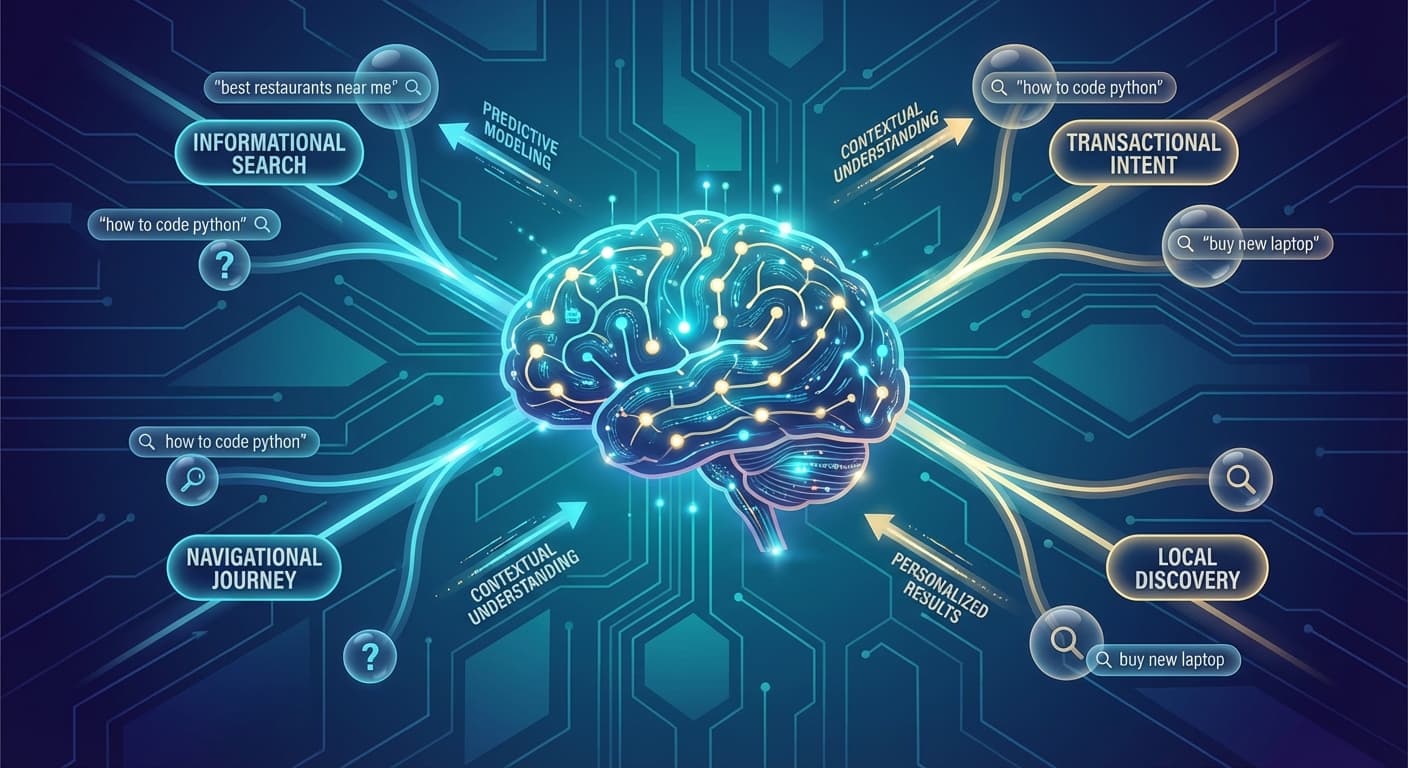
In 2026, AI search engines don't just answer questions—they anticipate them. When someone starts typing "best project management," Claude already knows they're likely comparing tools, considering team size, evaluating pricing, and wondering about integrations. This predictive capability stems from analyzing millions of similar query patterns and user behaviors.
Why Traditional Keyword Research Falls Short
The old SEO playbook relied heavily on:
But AI engines now surface content based on:
This means your content must satisfy not just the stated query, but the unstated needs surrounding it.
Building Your Predictive Intent Framework
Step 1: Map the Complete User Journey
Start by understanding that every query exists within a larger decision-making process. For example, someone searching "CRM software" might actually need:
Create content that addresses the entire journey, not just the obvious search terms.
Step 2: Develop Intent Prediction Models
Analyze your audience's behavior patterns to predict their next questions:
Question Clustering: Group related queries to identify intent patterns
Behavioral Triggers: Identify what prompts users to search
Progression Mapping: Track how users move through topics
Step 3: Create Anticipatory Content Architecture
Structure your content to answer questions before they're asked:
The Hub and Spoke Model:
Predictive FAQ Integration:
Don't just answer common questions—answer the questions people should be asking:
Context-Rich Markup:
Use structured data to help AI engines understand relationships:
Step 4: Optimize for AI Engine Understanding
AI search engines parse content differently than traditional search. They look for:
Semantic Completeness: Does your content address all aspects of a topic?
Conversational Patterns: Structure content like helpful dialogue
Authority Signals: Establish credibility through multiple indicators
Advanced Predictive Techniques
Emotional Intent Mapping
Beyond logical needs, predict emotional states that drive searches:
Anxiety-driven queries: "Is [solution] reliable?"
Ambition-driven queries: "Best practices for [advanced topic]"
Urgency-driven queries: "Quick fixes for [problem]"
Create content that addresses both the practical need and emotional state.
Seasonal and Cyclical Prediction
Analyze when certain intents peak:
Plan content calendars around these predictable cycles.
Cross-Platform Intent Analysis
Different AI engines serve different user intents:
Tailor content variations for each platform's strengths.
Measuring Predictive Intent Success
Track metrics that indicate you're successfully anticipating needs:
Engagement Depth:
Intent Satisfaction:
Predictive Accuracy:
How Citescope AI Helps Build Your Predictive Framework
While building a predictive intent framework requires strategic thinking, the execution can be streamlined with the right tools. Citescope AI's GEO Score analyzes your content across five key dimensions that align perfectly with predictive intent optimization:
The Citation Tracker feature helps you monitor which pieces of your predictive content are being cited by AI engines, giving you insight into which anticipatory approaches are working best.
Common Pitfalls to Avoid
Over-Optimization: Don't stuff content with every possible related topic—focus on genuine user value.
Assumption-Based Predictions: Base your predictive framework on data, not assumptions about user behavior.
Static Framework: User intents evolve—regularly update your predictive models based on new data.
Platform Neglect: Different AI engines have different prediction capabilities—don't optimize for just one.
The Future of Predictive Intent SEO
As AI search engines become more sophisticated, predictive capabilities will only improve. We're moving toward a world where search engines might initiate conversations based on predicted needs rather than waiting for queries.
The content creators who succeed will be those who master the art of anticipation—understanding not just what users search for, but what they need before they even realize they need it.
Building a predictive intent SEO framework isn't just about staying ahead of algorithm changes—it's about creating genuinely helpful content that serves users at exactly the right moment in their journey. When you can predict and satisfy user needs before they're even articulated, you're not just optimizing for AI search engines—you're providing exceptional user value.
Ready to Optimize for AI Search?
Building a predictive intent framework requires both strategic thinking and tactical execution. Citescope AI's comprehensive suite of tools can help you analyze, optimize, and track your predictive SEO efforts across all major AI search engines. Start with our free tier to test your content's GEO Score and see how well you're anticipating user needs. Try Citescope AI today and transform your content from reactive to predictive.