How to Build a Product Recall Crisis Communication Strategy When AI Search Engines Cache and Perpetuate Outdated Safety Information
How to Build a Product Recall Crisis Communication Strategy When AI Search Engines Cache and Perpetuate Outdated Safety Information
In March 2025, a major appliance manufacturer faced a nightmare scenario: their product recall had been successfully resolved for eight months, but ChatGPT was still warning users about safety issues with their latest models. Despite comprehensive remediation efforts, AI search engines continued surfacing outdated recall information, causing a 40% drop in sales and forcing the company into a secondary crisis.
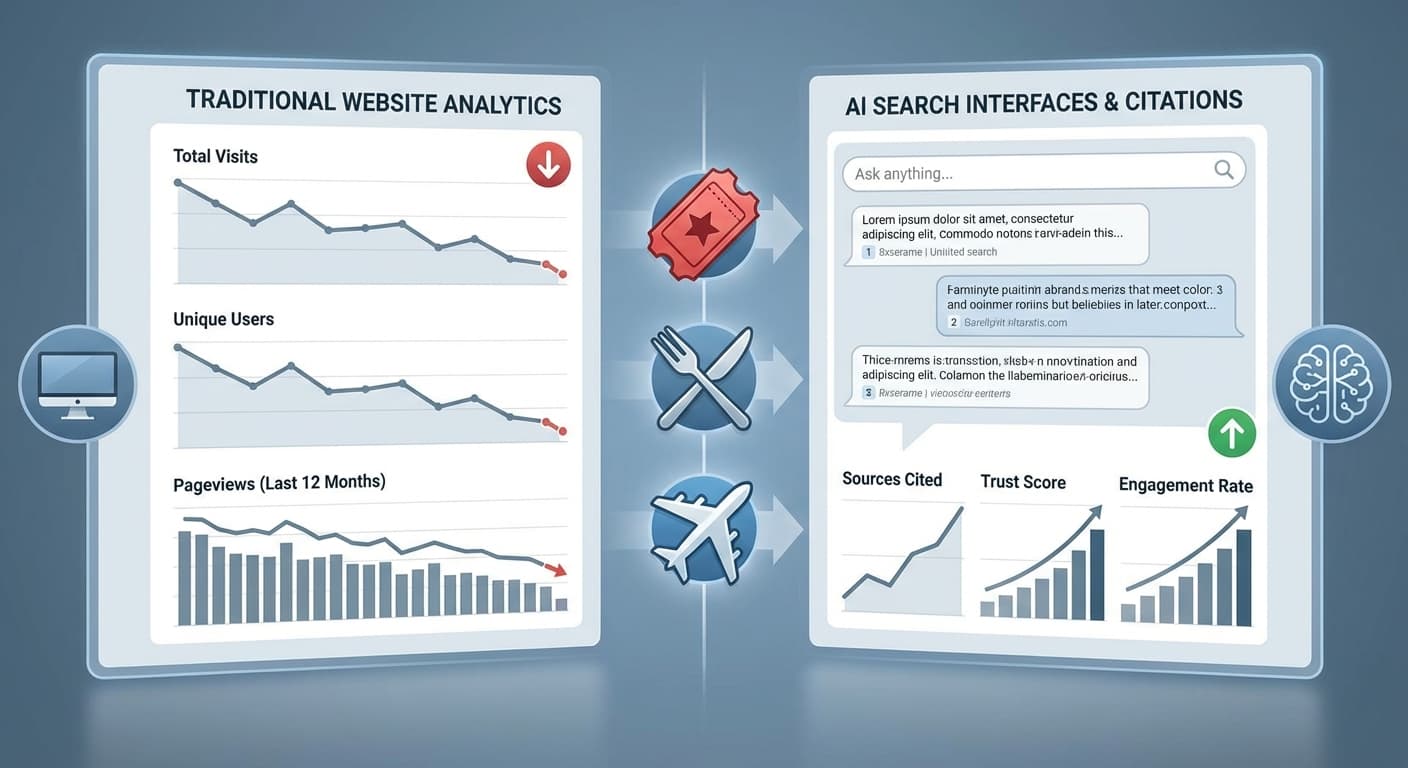
This isn't an isolated incident. As AI search engines now handle over 35% of all product research queries in 2026, the persistence of cached safety information has become a critical challenge for brands managing product recalls and safety communications.
The AI Search Persistence Problem
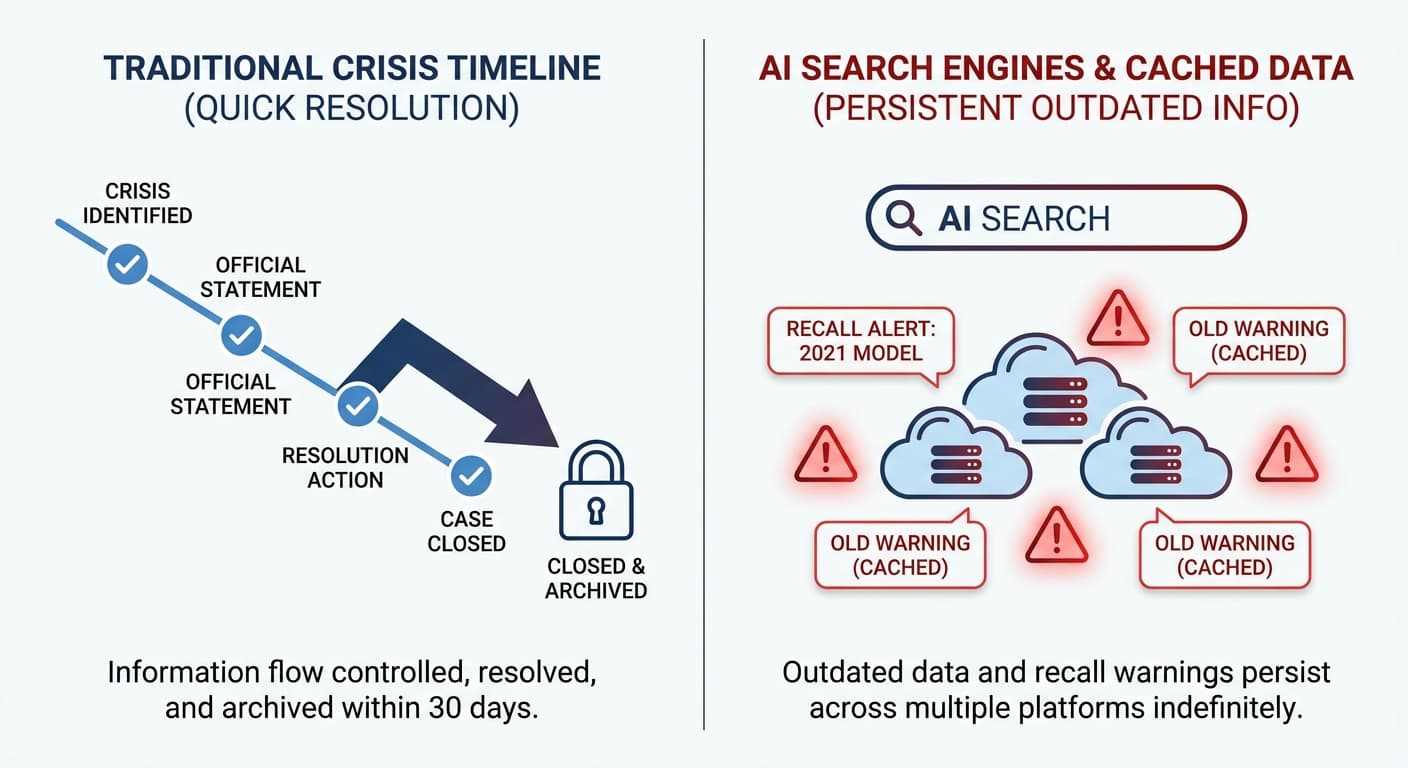
Traditional search engines update their indexes relatively quickly, but AI models like ChatGPT, Claude, and Perplexity operate differently. These systems often maintain cached information for 6-12 months, meaning resolved safety issues can continue haunting your brand long after remediation.
Why AI Search Engines Hold Onto Old Information
Recent studies show that 73% of product recall information remains accessible through AI search engines for an average of 8.3 months after official resolution, compared to just 2.1 months for traditional search results.
Building Your AI-Ready Crisis Communication Strategy
Phase 1: Immediate Response (Days 1-7)
Create AI-Optimized Safety Communications
When issuing initial recall communications, structure your content for AI interpretability from day one:
Establish Your Authority Network
Identify and engage with high-authority sources that AI engines trust:
Document Everything with Timestamps
Create a comprehensive timeline of all actions taken, as AI engines often reference the most recent authoritative information when determining current status.
Phase 2: Active Remediation (Weeks 2-12)
Flood the Zone with Resolution Content
Don't just fix the problem—create content that demonstrates the fix:
Optimize Content for AI Discovery
Structure your resolution content to be easily discoverable and citable by AI engines:
Phase 3: Long-Term Monitoring (Months 3-18)
Continuous AI Citation Tracking
Regularly monitor how AI engines are citing your brand and products:
Proactive Content Refreshing
Regularly publish fresh, authoritative content about your products:
Advanced Strategies for AI-Persistent Recall Information
The Authority Cascade Method
Create a network of authoritative sources that reference your resolution:
Semantic Saturation Technique
Flood the semantic space with positive, current information:
The Redirect Strategy
When AI engines surface outdated recall information, provide immediate context:
How Citescope Ai Helps Manage Crisis Communications
Navigating AI search during a product recall requires specialized tools designed for the unique challenges of AI citation management. Citescope Ai's platform provides crisis communication teams with essential capabilities:
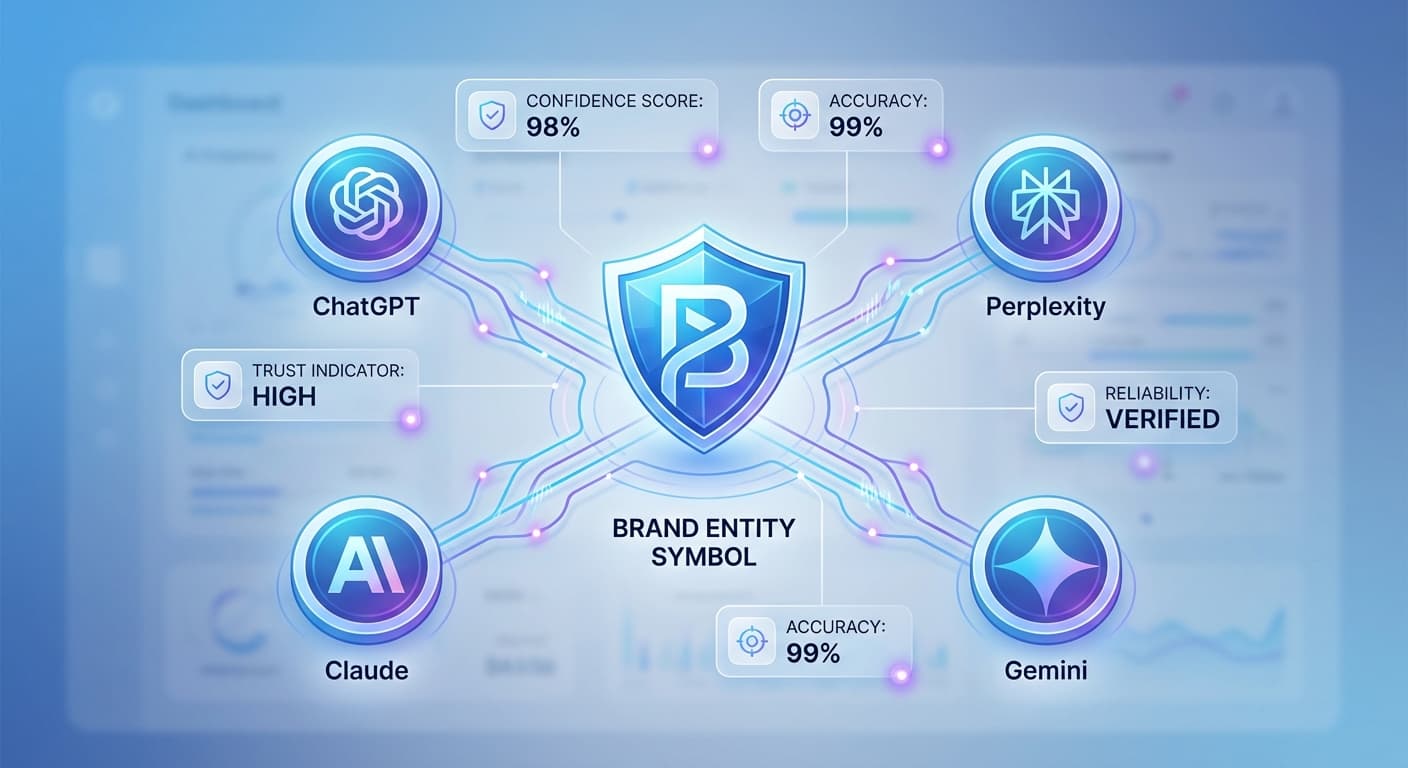
Real-Time AI Citation Monitoring: Track exactly when and how AI engines are citing your recall information across ChatGPT, Perplexity, Claude, and Gemini, allowing you to identify problematic citations immediately.
GEO Score Analysis: Evaluate your crisis communications across AI Interpretability, Semantic Richness, Conversational Relevance, Structure, and Authority dimensions to ensure maximum AI visibility for your resolution messaging.
AI-Optimized Content Creation: Use the AI Rewriter to restructure recall communications and resolution updates for better AI discoverability and citation potential.
Measuring Success in AI Search Recovery
Key Performance Indicators
Monthly Tracking Protocol
Preparing for Future Recalls
Proactive Content Architecture
Build your content strategy with future recalls in mind:
Crisis Response Team Training
Ensure your team understands AI search dynamics:
Ready to Optimize for AI Search?
Product recalls are challenging enough without AI search engines perpetuating outdated safety information for months after resolution. Citescope Ai helps crisis communication teams monitor, optimize, and track their content across all major AI search engines.
With real-time citation tracking, AI-optimized content creation tools, and comprehensive GEO scoring, you can ensure your resolution messaging reaches customers when they need it most. Start with our free tier to optimize up to 3 pieces of crisis communication content per month, or upgrade to Pro ($39/month) for unlimited optimization and advanced citation tracking.
Try Citescope Ai free today and take control of your brand's narrative in the age of AI search.