How to Build a Prompt Engineering Defense Strategy Against AI-Powered Paywall Bypass Attempts

How to Build a Prompt Engineering Defense Strategy Against AI-Powered Paywall Bypass Attempts
By early 2026, over 2 million custom GPTs have been created, with sophisticated users increasingly training AI models to synthesize premium content from multiple sources to bypass paywalls. Are you prepared for this new frontier of content protection?
As AI search engines process over 15 billion queries monthly and users become more sophisticated in their prompt engineering, content creators face an unprecedented challenge: protecting premium content from AI-powered synthesis attacks. This isn't just about traditional web scraping anymore—it's about users crafting elaborate prompts that piece together your exclusive insights from fragments scattered across AI training data.
The New Threat Landscape: AI-Powered Content Synthesis
The traditional paywall worked because users needed direct access to your content. Now, with advanced prompt engineering, users are:
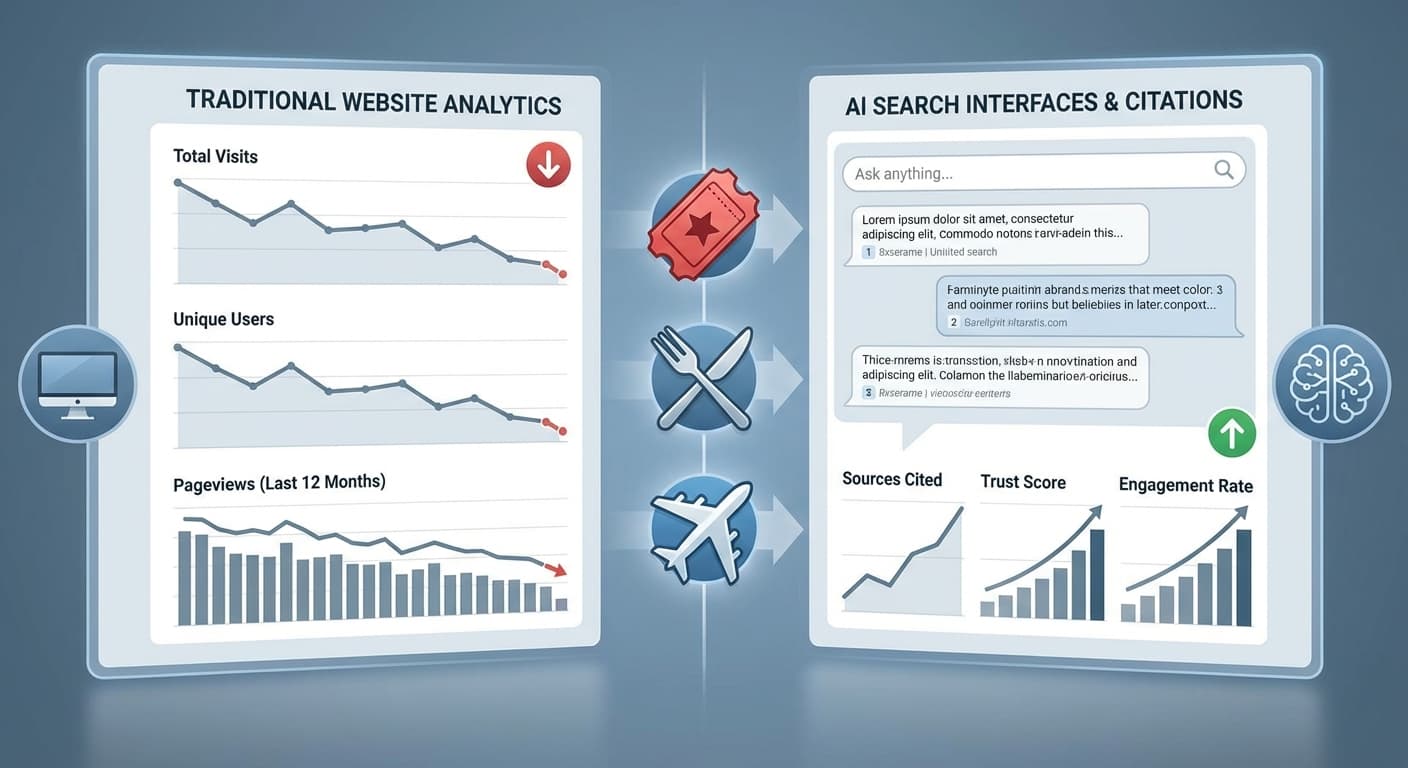
Recent studies show that 40% of premium content publishers have detected suspicious AI-driven traffic patterns, with users spending minimal time on pages while extracting maximum value through AI assistants.
Understanding Prompt Engineering Attack Vectors
The Reconstruction Attack
Users prompt AI engines like: "Based on the introduction and conclusion visible in search results from [Your Site], what are the likely middle arguments and supporting data?"
The Cross-Reference Synthesis
Sophisticated prompts that combine: "Take the methodology from Site A's preview, the data points from Site B's abstract, and the conclusions from Site C's summary to create a comprehensive analysis."
The Iterative Extraction
Multiple targeted prompts that gradually build a complete picture: "What can you infer about [specific topic] from the meta descriptions and headers of premium articles on [your domain]?"
Building Your Prompt Engineering Defense Strategy
1. Implement Strategic Content Fragmentation
Never put your most valuable insights in publicly accessible areas:
Instead of: "Our analysis reveals that 73% of companies using this specific framework see 40% revenue growth"
Use: "Companies implementing our proprietary framework report significant revenue improvements—the specific metrics will surprise you"
2. Create AI-Resistant Content Architecture
Structure your content to make AI synthesis difficult:
3. Deploy Honeypot Content
Strategically place misleading information in publicly accessible areas:
This forces AI synthesis attempts to include inaccurate information, making the reconstructed content less valuable than your authentic premium offering.
4. Monitor AI Engine Citation Patterns
Track how AI search engines are citing your content to identify potential vulnerabilities. Look for:
Advanced Defense Techniques
Dynamic Content Watermarking
Embed unique, trackable elements in your content that help you identify when AI systems have processed and regurgitated your premium insights:
Multi-Layer Authentication Strategies
Content Relationship Mapping
Make your premium content more valuable as a complete system:
Technical Implementation Guidelines
1. Optimize for Legitimate AI Citations
While defending against misuse, ensure legitimate AI engines can properly cite your content when appropriate. This requires careful balance in your content structure and metadata.
2. Implement Smart Previews
Create preview content that:
3. Monitor and Adapt
Regularly analyze:
Tools like Citescope Ai's Citation Tracker can help monitor when and how AI engines are citing your content, giving you visibility into potential synthesis attempts and helping you refine your defense strategy.
Legal and Ethical Considerations
Fair Use vs. Commercial Synthesis
Understand the difference between legitimate AI citations and commercial content synthesis. Develop clear terms of service that address:
Building Positive AI Relationships
Rather than viewing AI as purely adversarial, consider:
How Citescope Ai Helps
Citescope Ai's comprehensive platform helps content creators navigate this complex landscape:
GEO Score Analysis: Understand how AI engines interpret your content across five key dimensions, helping you optimize for legitimate citations while maintaining protection against misuse.
Citation Tracker: Monitor when ChatGPT, Perplexity, Claude, and Gemini cite your content, giving you real-time visibility into potential synthesis attempts and helping you identify which content pieces need stronger protection.
AI Rewriter: Optimize your public-facing content to be compelling for AI engines while keeping your most valuable insights protected behind paywalls.
Multi-format Export: Easily create different versions of your content for different access levels, ensuring consistent protection across all platforms.
Measuring Defense Effectiveness
Key Metrics to Track
Continuous Improvement
Your defense strategy should evolve with AI capabilities:
Future-Proofing Your Strategy
As AI continues to evolve, consider:
Ready to Optimize for AI Search?
Protecting your premium content from AI-powered synthesis attacks requires sophisticated strategy and the right tools. Citescope Ai provides the visibility and optimization capabilities you need to maintain competitive advantage in the age of AI search.
Start with our free tier to analyze how AI engines currently interact with your content, then upgrade to Pro or Enterprise for comprehensive protection and optimization features. Don't let sophisticated prompt engineering undermine your content strategy—take control of your AI visibility today.