How to Build a Prompt-Level Attribution Strategy When AI Search Engines Cite Your Brand in 40% of Variations But You Can't Identify Which Query Patterns Drive Conversions
How to Build a Prompt-Level Attribution Strategy When AI Search Engines Cite Your Brand in 40% of Variations But You Can't Identify Which Query Patterns Drive Conversions
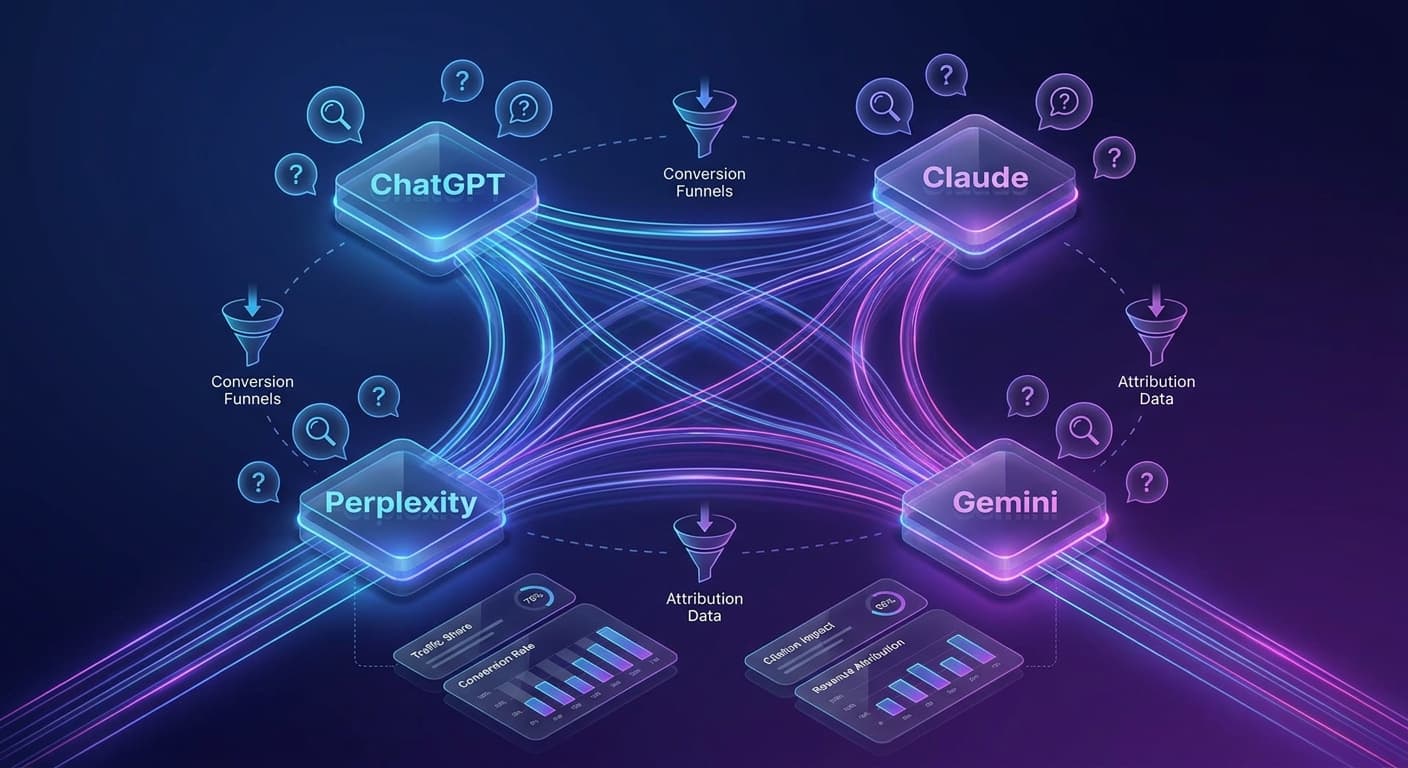
In 2026, with over 70% of Gen Z turning to AI search engines for their queries and AI-powered platforms handling 35% of all search traffic, brands are facing a new attribution nightmare. You know your brand is being cited by ChatGPT, Claude, Perplexity, and Gemini, but connecting those mentions to actual conversions feels like trying to solve a puzzle with half the pieces missing.
If you're seeing citations in 40% of AI-generated responses but struggling to identify which specific query patterns drive revenue, you're not alone. This challenge has become the #1 pain point for content marketers in the AI search era, according to recent industry surveys.
The AI Attribution Challenge: Why Traditional Methods Fall Short
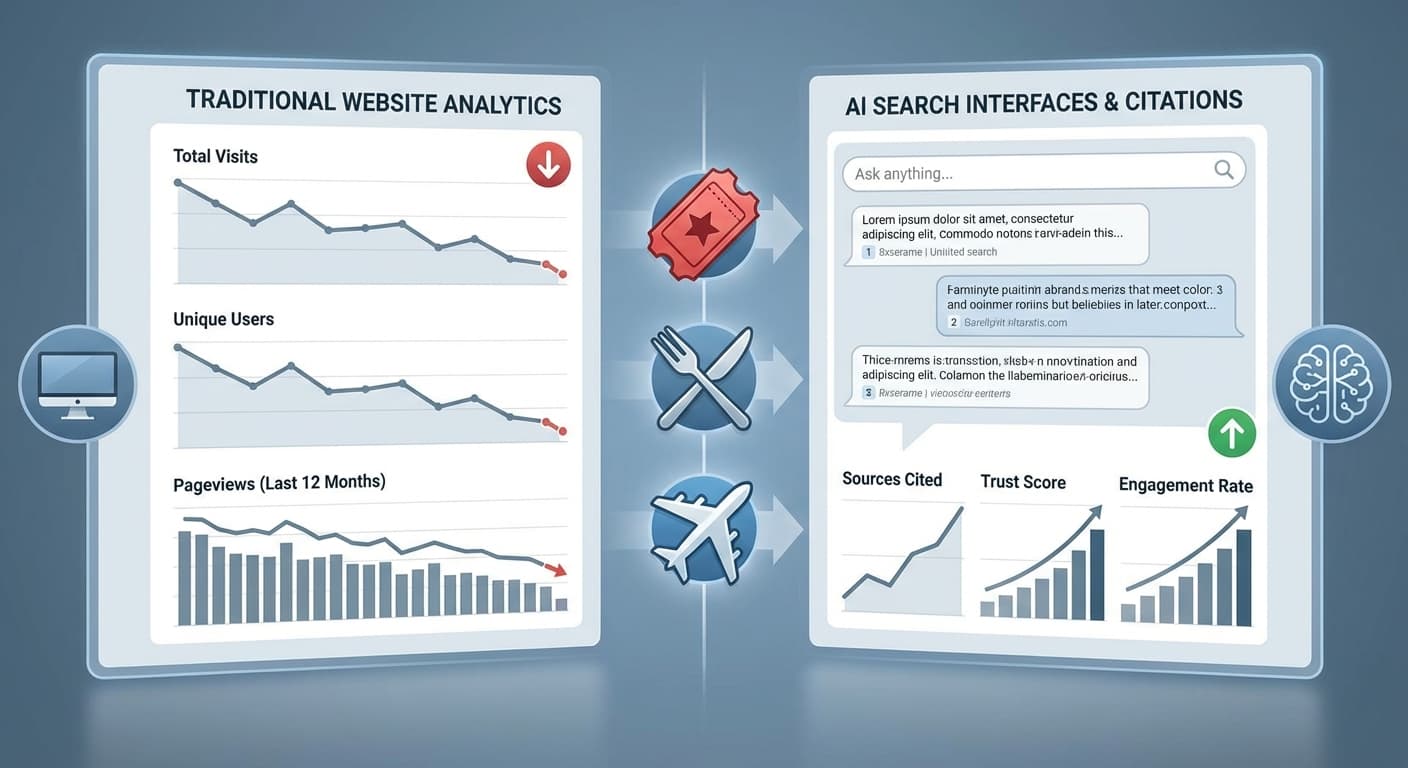
Traditional attribution models were built for a world where users clicked through search results. But AI search engines don't always provide clickable links – they synthesize information and present answers directly. When ChatGPT cites your brand in a response about "best project management tools," how do you track whether that mention led to a conversion three days later?
The problem compounds when you consider that AI engines interpret queries differently than traditional search. A user might ask "what's the most reliable way to track team productivity" and receive a response citing your brand, but you'd never connect that specific phrasing to your "productivity software" keyword strategy.
The Hidden Conversion Paths
In 2026, we're seeing three primary conversion paths from AI citations:
Building Your Prompt-Level Attribution Framework
Creating an effective attribution strategy for AI search requires a fundamentally different approach. Here's how to build a system that actually works:
Step 1: Map Your Citation Landscape
Before you can attribute conversions, you need visibility into where and how your brand appears in AI responses. Start by:
This foundational mapping reveals which types of queries generate citations and helps you understand your current AI search footprint.
Step 2: Create Attribution Markers
Since traditional UTM parameters don't work for AI citations, you need new ways to connect mentions to conversions:
#### Content Fingerprinting
Create unique, trackable elements in your content that only appear when AI engines cite specific pieces. This could include:
#### Multi-Touch Journey Mapping
Implement tracking that captures:
Step 3: Implement Cross-Channel Correlation
The key to AI attribution lies in connecting multiple data points:
Website Analytics Enhancement:
Customer Survey Integration:
Sales Team Feedback Loops:
Advanced Attribution Tactics for 2026
Query Pattern Analysis
Use AI tools to analyze your own customer conversations and identify the language patterns that indicate AI-influenced research:
Content Performance Correlation
Develop metrics that connect your content's AI performance to business outcomes:
Tools like Citescope Ai can help you monitor these metrics systematically, providing insights into which content pieces drive the most valuable citations across different AI platforms.
Predictive Attribution Modeling
Build models that predict conversion probability based on:
Measuring Success: KPIs for AI Attribution
Your attribution strategy needs measurable outcomes. Track these key metrics:
Immediate Indicators
Conversion Indicators
Long-term Brand Metrics
How Citescope Ai Helps
Building an effective prompt-level attribution strategy requires the right tools and data. Citescope Ai addresses the core challenges of AI search attribution by:
Comprehensive Citation Tracking: Monitor your brand mentions across ChatGPT, Perplexity, Claude, and Gemini with detailed context about query types and response positioning.
GEO Score Analytics: Understand which content optimizations lead to better citation performance with our proprietary scoring system that analyzes AI interpretability and authority signals.
Pattern Recognition: Identify the query patterns and content types that drive your most valuable citations, helping you focus optimization efforts where they'll have the biggest impact.
Multi-Platform Insights: Get unified reporting across all major AI search engines, making it easier to correlate citation patterns with conversion data from your other analytics tools.
With Citescope Ai's citation tracking and content optimization features, you can build the foundation for effective AI search attribution without starting from scratch.
Implementation Roadmap: Getting Started This Quarter
Week 1-2: Foundation Building
Week 3-4: Data Collection Setup
Month 2: Pattern Analysis
Month 3: Strategy Refinement
The Future of AI Attribution
As AI search engines evolve, attribution will become more sophisticated. We're already seeing experiments with:
The brands that master prompt-level attribution now will have a significant competitive advantage as AI search continues to grow. While the challenge is complex, the opportunity to build more accurate, insightful attribution models has never been greater.
Ready to Optimize for AI Search?
Don't let valuable AI citations go unmeasured. Citescope Ai provides the citation tracking and content optimization tools you need to build effective attribution strategies for AI search engines. Start with our free tier to monitor your first citations, then upgrade to Pro for comprehensive analytics and optimization features. Try Citescope Ai free today and transform your AI search attribution challenges into competitive advantages.