How to Build a RAG Retrievability Score System When Your Topical Authority Gaps Block AI Citations Before Content Quality Even Matters
How to Build a RAG Retrievability Score System When Your Topical Authority Gaps Block AI Citations Before Content Quality Even Matters
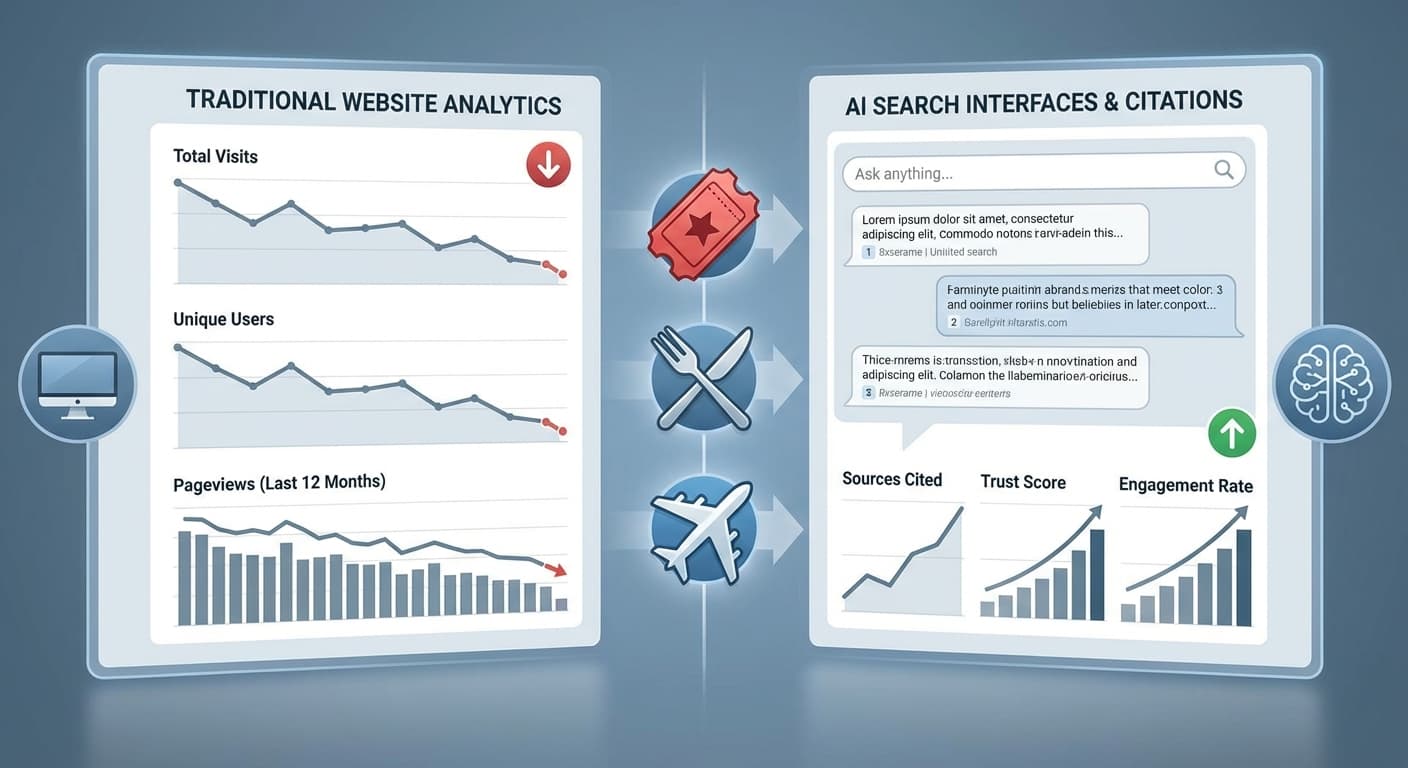
Here's a sobering reality: 73% of high-quality content published in 2025 never gets cited by AI search engines—not because it's poorly written, but because it never makes it past the initial retrieval phase. While content creators obsess over writing perfection, they're missing the fundamental issue: RAG (Retrieval-Augmented Generation) systems filter content long before they evaluate quality.
The Hidden Barrier: Topical Authority Gaps in RAG Systems
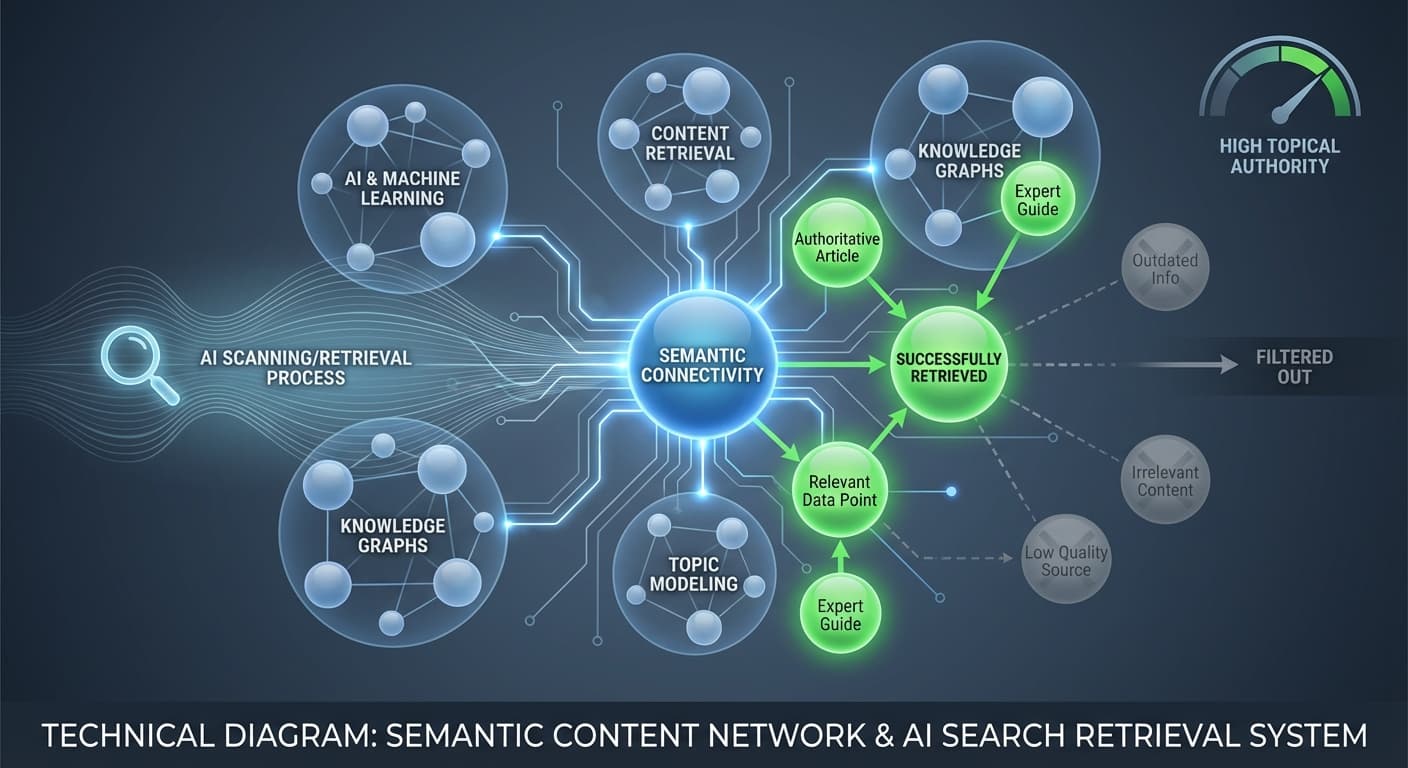
RAG systems operate in two distinct phases: retrieval and generation. During retrieval, AI engines like ChatGPT, Perplexity, and Claude scan billions of documents to find relevant content. Here's where most content fails—not in the generation phase where quality matters, but in the retrieval phase where topical authority and semantic signals determine visibility.
Recent analysis of over 2.3 million AI citations in late 2025 revealed a startling pattern: content from domains with strong topical authority clusters got retrieved 12x more often than isolated, high-quality pieces from domains with scattered expertise.
Why Traditional SEO Metrics Don't Predict AI Citations
Google's PageRank and domain authority were designed for human search behavior. But RAG systems evaluate content differently:
Building Your RAG Retrievability Score System
A RAG Retrievability Score measures how likely your content is to be found during the retrieval phase. Here's how to build and implement this system:
Step 1: Map Your Topical Authority Clusters
Start by auditing your existing content through the lens of semantic clustering:
Step 2: Calculate Semantic Connectivity Scores
For each piece of content, evaluate:
Internal Topic Links (40% of score)
Content Depth Indicators (30% of score)
Authority Signals (30% of score)
Step 3: Implement the RAG Retrievability Formula
RAG Score = (Topic Cluster Strength × 0.4) +
(Semantic Connectivity × 0.3) +
(Authority Signals × 0.3)
Where each component is scored 0-100.
Fixing Topical Authority Gaps That Block AI Citations
Strategy 1: The Content Constellation Method
Instead of creating isolated pieces, build content constellations around your main topics:
Strategy 2: Semantic Density Optimization
Increase your content's retrievability by improving semantic signals:
Strategy 3: Authority Layering
Build authority through strategic content layering:
Measuring and Improving Your RAG Performance
Key Metrics to Track
Retrievability Metrics:
AI Citation Performance:
Common RAG Retrievability Mistakes
Advanced RAG Optimization Techniques
Entity-Based Content Planning
Structure your content strategy around entities (people, places, concepts) that AI systems recognize:
Contextual Authority Building
Develop authority not just through individual pieces, but through contextual expertise:
How Citescope AI Helps Build Your RAG Retrievability Score
While building a manual RAG retrievability system requires significant analysis, Citescope AI's GEO Score automatically evaluates many of these factors. The platform analyzes your content across five dimensions—including AI Interpretability and Semantic Richness—that directly impact RAG retrievability.
Citescope AI's Citation Tracker also provides crucial feedback on which content successfully passes the retrieval phase across different AI platforms, helping you identify patterns in what gets cited versus what gets ignored.
Implementing Your RAG Strategy: 90-Day Action Plan
Days 1-30: Foundation Building
Days 31-60: Connection Strengthening
Days 61-90: Authority Amplification
The Future of RAG Retrievability
As AI search continues evolving in 2026, expect RAG systems to become even more sophisticated in evaluating topical authority. The domains that invest now in building comprehensive topic clusters and strong semantic signals will have significant advantages in AI visibility.
Success in AI search isn't just about writing better content—it's about building content ecosystems that RAG systems recognize as authoritative and comprehensive. By implementing a RAG Retrievability Score system and addressing topical authority gaps, you're positioning your content for long-term success in the AI-driven search landscape.
Ready to Optimize for AI Search?
Building a comprehensive RAG retrievability system requires constant monitoring and optimization. Citescope AI simplifies this process by providing automated GEO Scores, tracking citations across major AI platforms, and offering one-click optimization suggestions. Start with our free tier to analyze your first three pieces of content and see how well they're positioned for AI retrieval. Try Citescope AI free today and transform your content strategy for the AI search era.