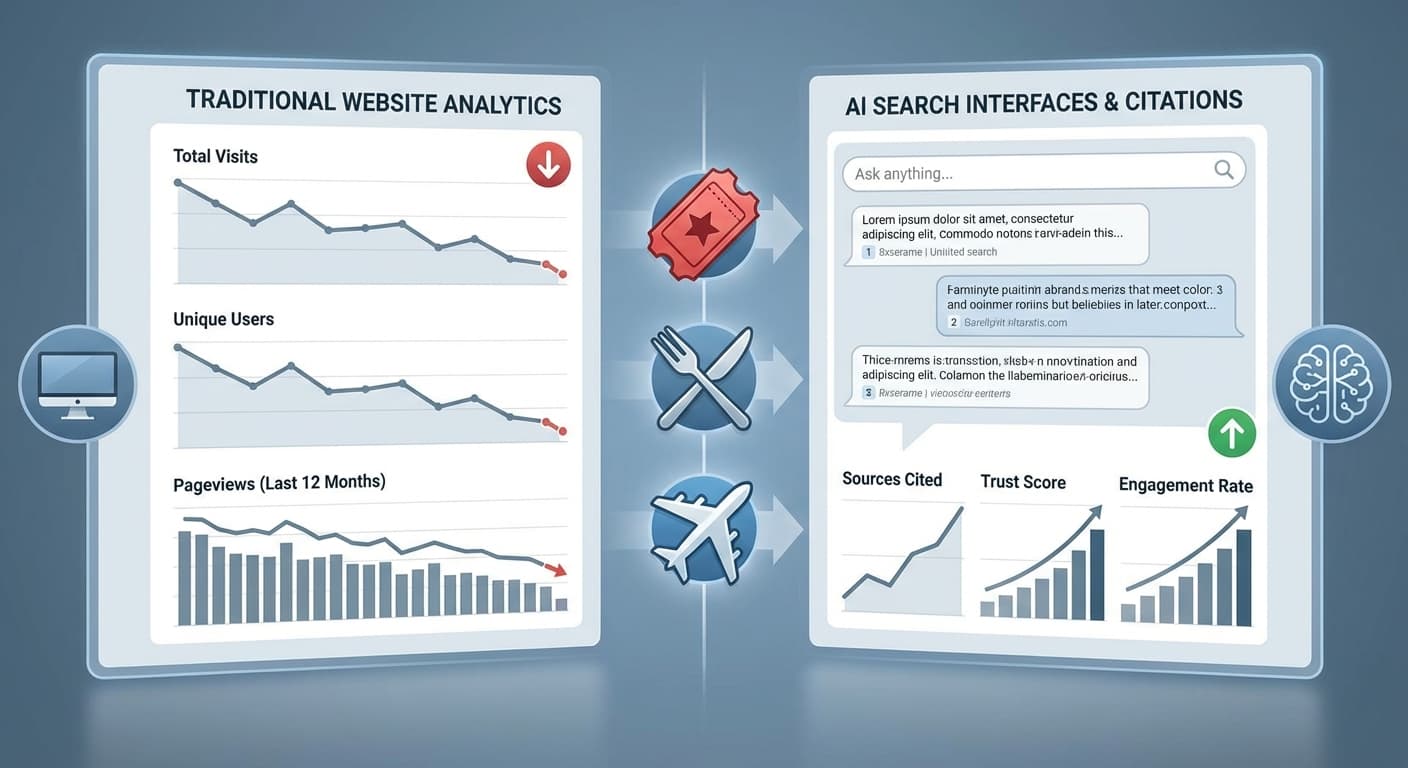
How to Build a Referral Traffic Recapture Strategy When AI Search Engines Strip UTM Parameters and Attribution Data From 78% of Inbound Links
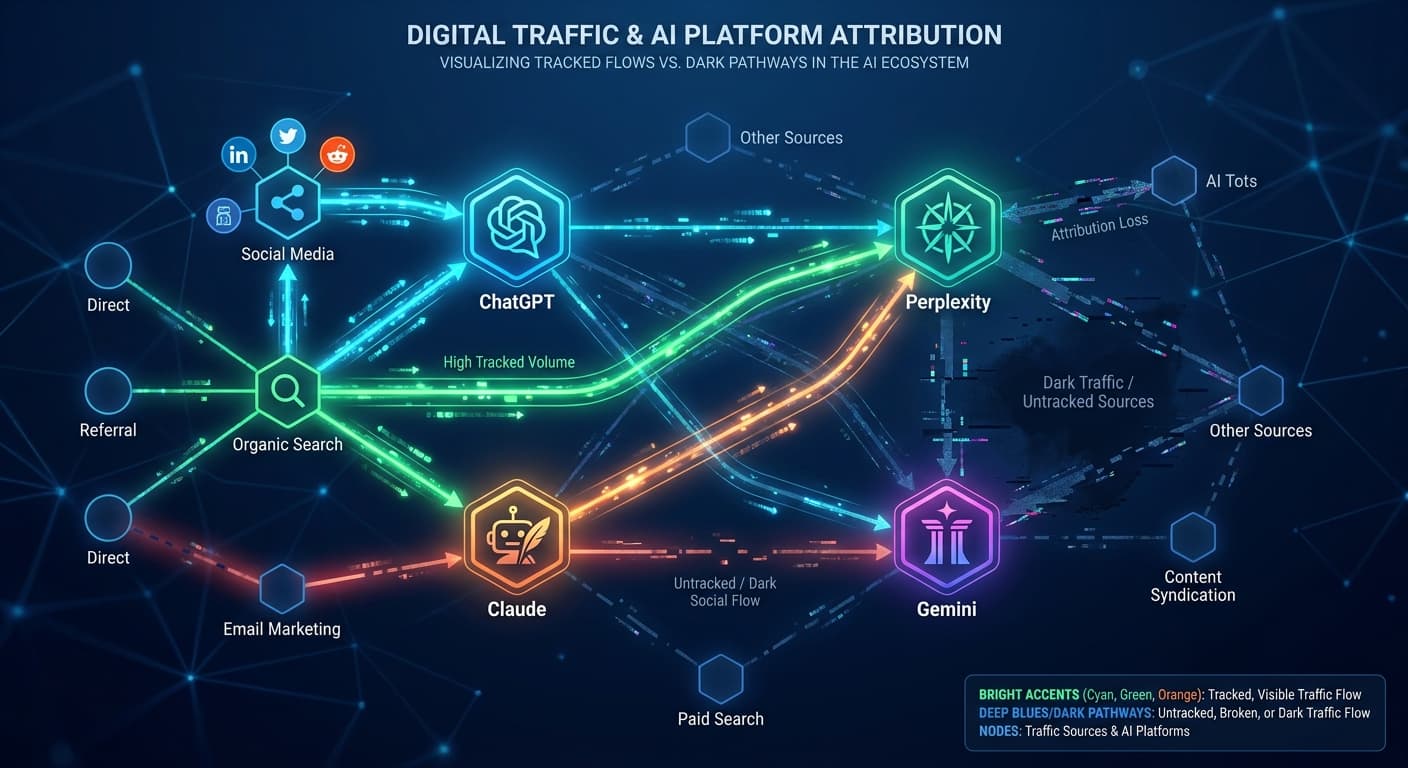
How to Build a Referral Traffic Recapture Strategy When AI Search Engines Strip UTM Parameters and Attribution Data From 78% of Inbound Links
Imagine this: Your content marketing team just discovered that nearly 80% of your referral traffic from AI search engines is coming through completely "dark" – no UTM parameters, no attribution data, and no way to track which campaigns are actually driving results. Welcome to the reality of 2026, where AI search platforms like ChatGPT, Perplexity, Claude, and Gemini are fundamentally changing how users discover and interact with content.
With over 600 million weekly active users across major AI platforms and AI search now representing 35% of all search queries, the traditional attribution models that content marketers have relied on for decades are crumbling. But here's the opportunity: smart marketers are already building robust recapture strategies to track, attribute, and optimize their AI-driven traffic.
The Attribution Crisis: Why Traditional Tracking Fails in AI Search
AI search engines operate fundamentally differently from traditional search engines. When ChatGPT or Perplexity cites your content, they don't simply pass through your carefully crafted UTM parameters. Instead, they:
The result? A massive blind spot in your analytics where high-quality, AI-driven traffic appears as "direct" or "unknown" sources.
The Real Impact on Marketing ROI
This attribution gap isn't just a reporting inconvenience – it's creating real business problems:
Building Your AI Traffic Recapture Strategy: A 6-Step Framework
Step 1: Implement Multi-Touch Attribution Models
Traditional last-click attribution is dead in the AI era. Instead, build a multi-touch model that accounts for AI interactions:
Set up cross-platform tracking:
Create AI-specific conversion funnels:
Step 2: Deploy Advanced URL Strategies
Since UTM parameters get stripped, you need smarter URL structures:
Use subfolder-based tracking:
yourdomain.com/ai-content/topic-name
yourdomain.com/chatgpt/resource-hub
yourdomain.com/perplexity/guides
Implement dynamic content serving:
Step 3: Leverage First-Party Data Collection
When third-party attribution fails, first-party data becomes crucial:
Deploy smart lead magnets:
Build attribution surveys:
Step 4: Create Content Fingerprinting Systems
When AI engines cite your content, create systems to detect and track these mentions:
Monitor AI platform citations:
Create unique content identifiers:
Step 5: Optimize for AI Platform-Specific Behaviors
Different AI platforms have different citation behaviors. Tailor your approach:
ChatGPT optimization:
Perplexity optimization:
Claude and Gemini optimization:
This is where tools like Citescope Ai become invaluable – by analyzing your content across AI Interpretability, Semantic Richness, and other crucial dimensions, you can optimize for better citation rates across all platforms.
Step 6: Build Conversion-Focused Landing Experiences
Create AI-aware user flows:
Optimize for intent capture:
Advanced Tactics: Going Beyond Basic Attribution
Behavioral Pattern Analysis
AI-referred users often exhibit distinct behavioral patterns:
Track these patterns in your analytics to identify AI traffic even without explicit attribution.
Content Performance Correlation
Create systems to correlate content performance with AI optimization efforts:
How Citescope Ai Helps Solve the Attribution Challenge
While building a comprehensive recapture strategy requires multiple tools and approaches, Citescope Ai addresses several critical components:
Citation Tracking Across AI Platforms: Our Citation Tracker monitors when your content gets cited by ChatGPT, Perplexity, Claude, and Gemini, giving you direct visibility into AI-driven attribution that traditional analytics miss.
Content Optimization for Better Citation Rates: The GEO Score analyzes your content across five crucial dimensions, helping you create content that AI engines are more likely to cite and reference. Better citation rates mean more trackable traffic.
AI-Optimized Content Creation: The AI Rewriter tool restructures your existing content for better AI visibility, increasing the likelihood that your optimized content will be cited with proper attribution.
Measuring Success: KPIs for Your Recapture Strategy
Track these metrics to measure your attribution recapture success:
Primary Metrics:
Secondary Metrics:
The Future of AI Attribution: Preparing for What's Next
As AI search continues to evolve, expect:
The brands that build robust attribution recapture strategies now will be best positioned to capitalize on these future developments.
Ready to Optimize for AI Search?
The attribution crisis in AI search is real, but it's not insurmountable. By implementing a comprehensive recapture strategy, you can regain visibility into your AI-driven traffic and optimize your content marketing investments accordingly.
Citescope Ai helps solve the attribution puzzle by providing direct citation tracking across major AI platforms, optimizing your content for better citation rates, and giving you the tools to build a more effective AI search strategy. Start with our free tier (3 optimizations per month) to see how AI search optimization can improve your attribution visibility.
Try Citescope Ai free today and start recapturing the dark traffic that's hiding your best marketing results.