How to Build a Referral Traffic Recovery Strategy When AI Search Engines Launch Direct Messaging Features
How to Build a Referral Traffic Recovery Strategy When AI Search Engines Launch Direct Messaging Features
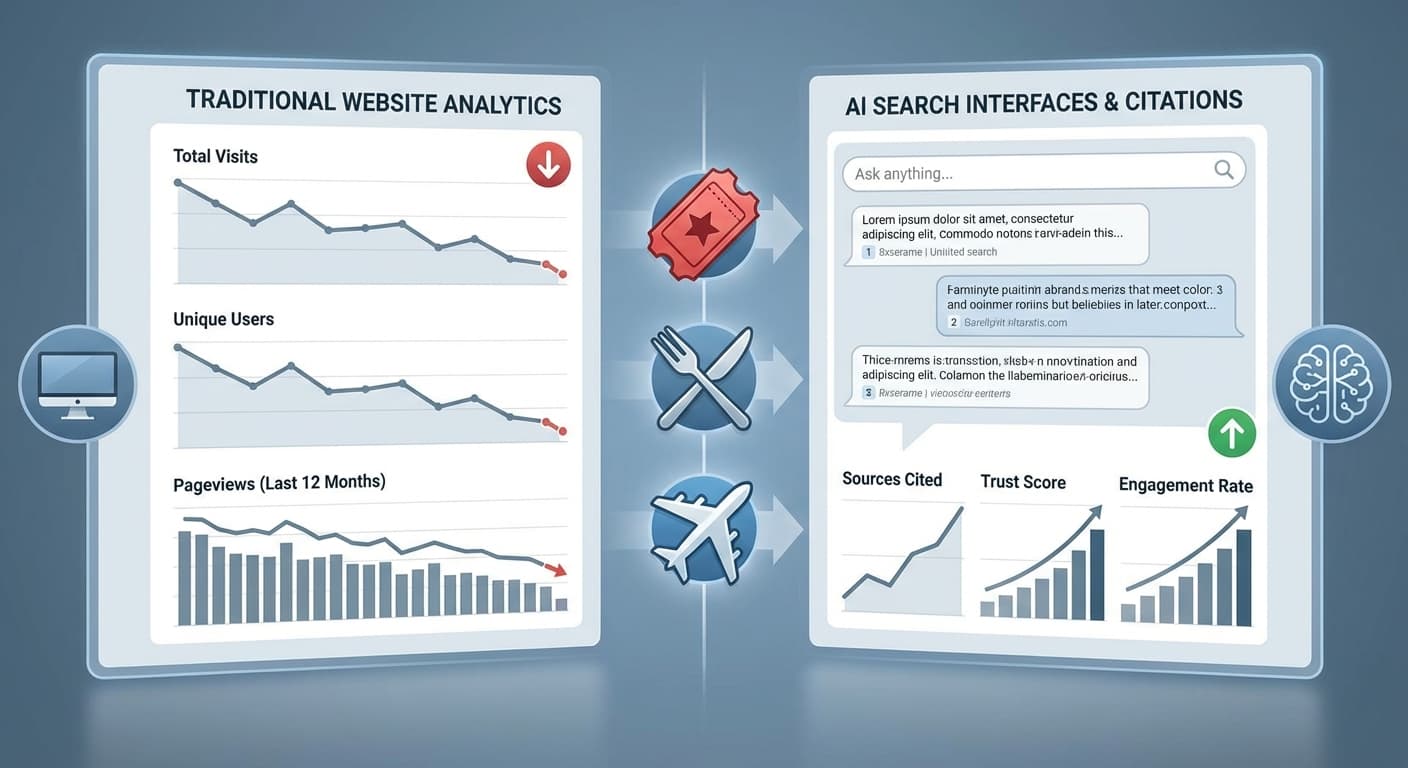
By early 2026, AI search engines like ChatGPT, Perplexity, and Claude have fundamentally transformed how users consume information. With over 600 million weekly active users across AI platforms and conversational features now allowing users to dive deeper without ever leaving the interface, content creators are facing a stark reality: referral traffic from AI search has dropped by an average of 45% since these messaging features launched.
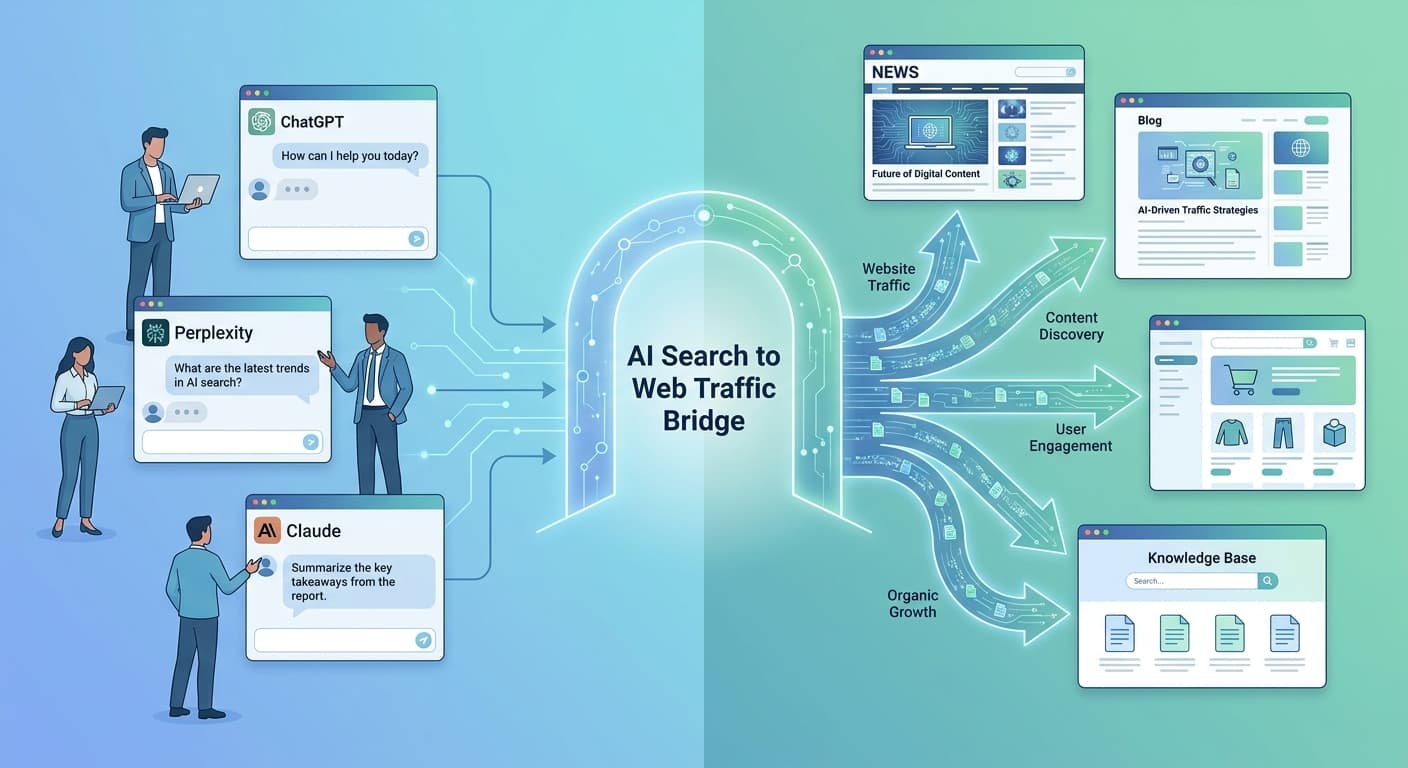
The writing is on the wall. When users can have extended conversations, ask follow-up questions, and get personalized explanations directly within AI platforms, the traditional click-through model is becoming obsolete. But this shift doesn't have to spell doom for your content strategy—it's an opportunity to evolve.
The New Reality of AI Search Behavior
In 2026, user behavior patterns have shifted dramatically. Research shows that 78% of Gen Z users now prefer conversational AI interactions over traditional search results, and the average session time on AI platforms has increased to 12 minutes—compared to just 3 minutes on traditional search engines.
Here's what's happening:
The result? Content that once drove thousands of monthly visitors now generates citations without clicks.
Understanding the Citation-to-Click Gap
The most successful content creators in 2026 have learned to distinguish between two metrics that were once closely aligned:
While citation frequency continues to grow (indicating your content's authority and relevance), click-through rates have plummeted. The key to recovery lies in understanding why users would still choose to leave an AI platform to visit your site.
Building Your Traffic Recovery Framework
H2: Create "Conversation Starters" Rather Than "Conversation Enders"
Traditional content aimed to provide complete, comprehensive answers. In the AI age, the most successful content creates intrigue and encourages deeper exploration.
Strategies that work:
H2: Develop Platform-Specific Content Hooks
Different AI engines have different strengths and user behaviors. Your recovery strategy should account for these differences:
For ChatGPT users:
For Perplexity users:
For Claude users:
H2: Implement the "Value Ladder" Content Strategy
Successful traffic recovery in 2026 requires thinking of your content as part of a value ladder rather than standalone pieces.
Level 1: AI-Optimized Snippets
Perfect for AI citation, these provide immediate value but hint at deeper insights available on your site.
Level 2: Gateway Content
Mid-depth pieces that answer follow-up questions and naturally lead to more comprehensive resources.
Level 3: Destination Content
In-depth, interactive, or exclusive content that provides value impossible to replicate in AI conversations.
Tools like Citescope Ai can help you optimize your Level 1 content for maximum citation potential while ensuring it effectively drives traffic to your higher-value pieces.
Advanced Recovery Tactics for 2026
H3: The "Incomplete Answer" Strategy
Structure your content so that AI engines will naturally indicate when additional information is available elsewhere. This involves:
H3: Cross-Platform Citation Amplification
When your content gets cited by one AI engine, leverage that authority to boost visibility across others:
H3: The "Behind the Scenes" Approach
Share the methodology, process, or story behind your insights. AI engines excel at sharing conclusions but struggle to replicate the journey of discovery.
Examples:
Measuring Success in the New Landscape
Traditional metrics need updating for AI-first content strategy:
Legacy metrics to track:
New metrics to prioritize:
How Citescope Ai Helps
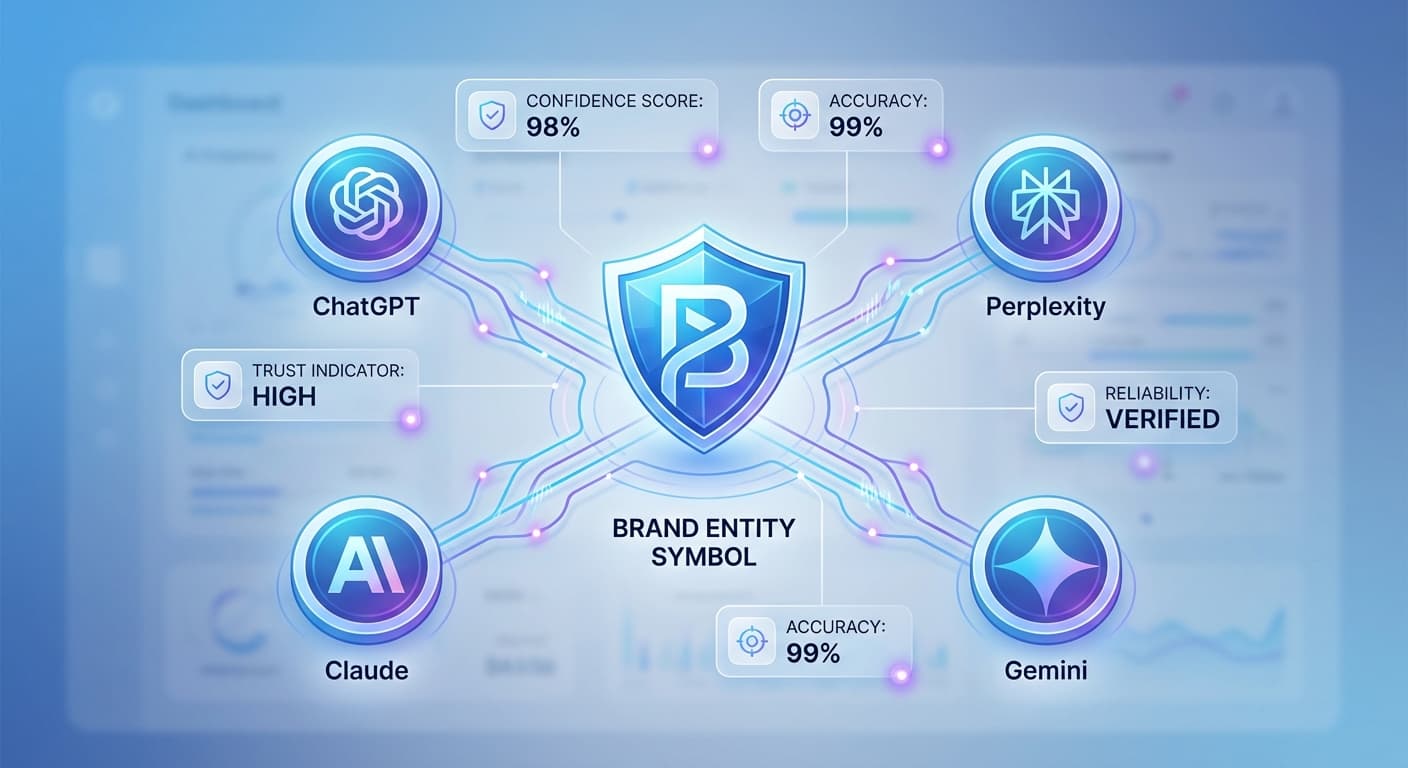
Navigating this new landscape requires tools designed for the AI-first world. Citescope Ai's Citation Tracker monitors when your content gets referenced across ChatGPT, Perplexity, Claude, and Gemini, helping you identify which pieces are generating citations without clicks.
The platform's GEO Score analyzes your content across five key dimensions—including Conversational Relevance and AI Interpretability—to help you create content that not only gets cited but encourages users to visit your site. The AI Rewriter can help you restructure existing high-performing content to include the "conversation starter" elements that drive clicks in 2026.
Future-Proofing Your Content Strategy
As AI search continues evolving, successful content creators are those who view citation without clicks not as a problem to solve, but as an opportunity to demonstrate value before earning visits.
Key principles for long-term success:
The traffic recovery strategies that work in 2026 aren't about fighting AI search engines—they're about understanding how to complement them while providing unique value that keeps users coming back to your site.
Ready to Optimize for AI Search?
The shift to conversational AI search isn't slowing down, but neither should your content strategy. Citescope Ai helps content creators and marketers navigate this new landscape with tools designed specifically for AI visibility and citation tracking.
Start with our free tier to analyze up to 3 pieces of content per month, or upgrade to Pro for comprehensive optimization across your entire content library. See how your content performs across all major AI search engines and get actionable insights to drive both citations and clicks.
Try Citescope Ai free today and turn your AI citations into sustainable traffic growth.