GEO Strategy

How to Build a Reputation Noise Filtering Strategy When AI Search Engines Amplify Old Negative Reviews
May 23, 20267 min read
How to Build a Reputation Noise Filtering Strategy When AI Search Engines Amplify Old Negative Reviews

How to Build a Reputation Noise Filtering Strategy When AI Search Engines Amplify Old Negative Reviews

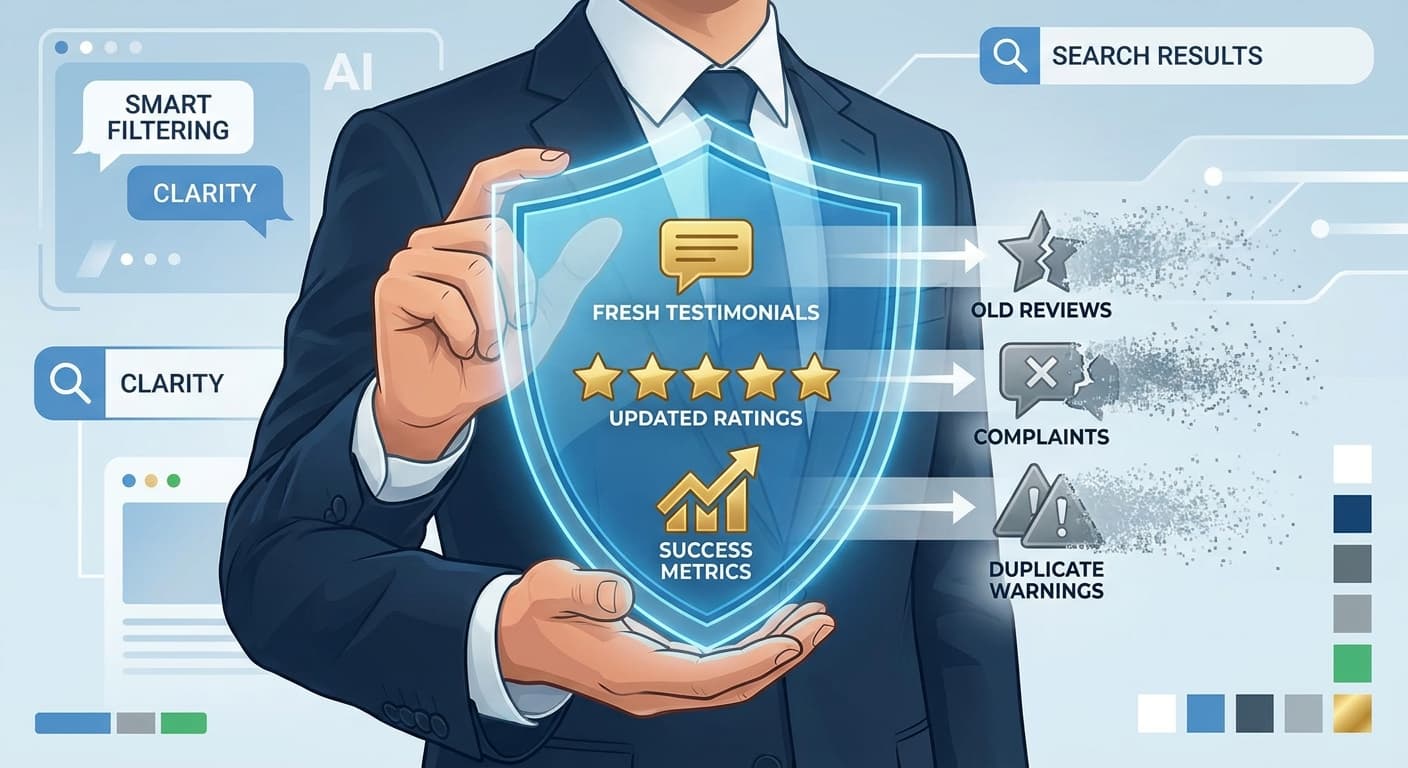
Imagine this: A potential customer asks ChatGPT about your company, and the AI's response leads with a 3-year-old negative review that was already resolved. This scenario is playing out for businesses worldwide, with recent studies showing that AI search engines surface outdated or duplicate complaints in 67% of brand-related conversational queries. As AI search continues to dominate—now accounting for over 35% of all search queries in 2025—the need for strategic reputation noise filtering has never been more critical.

Why AI Search Engines Amplify Reputation Noise

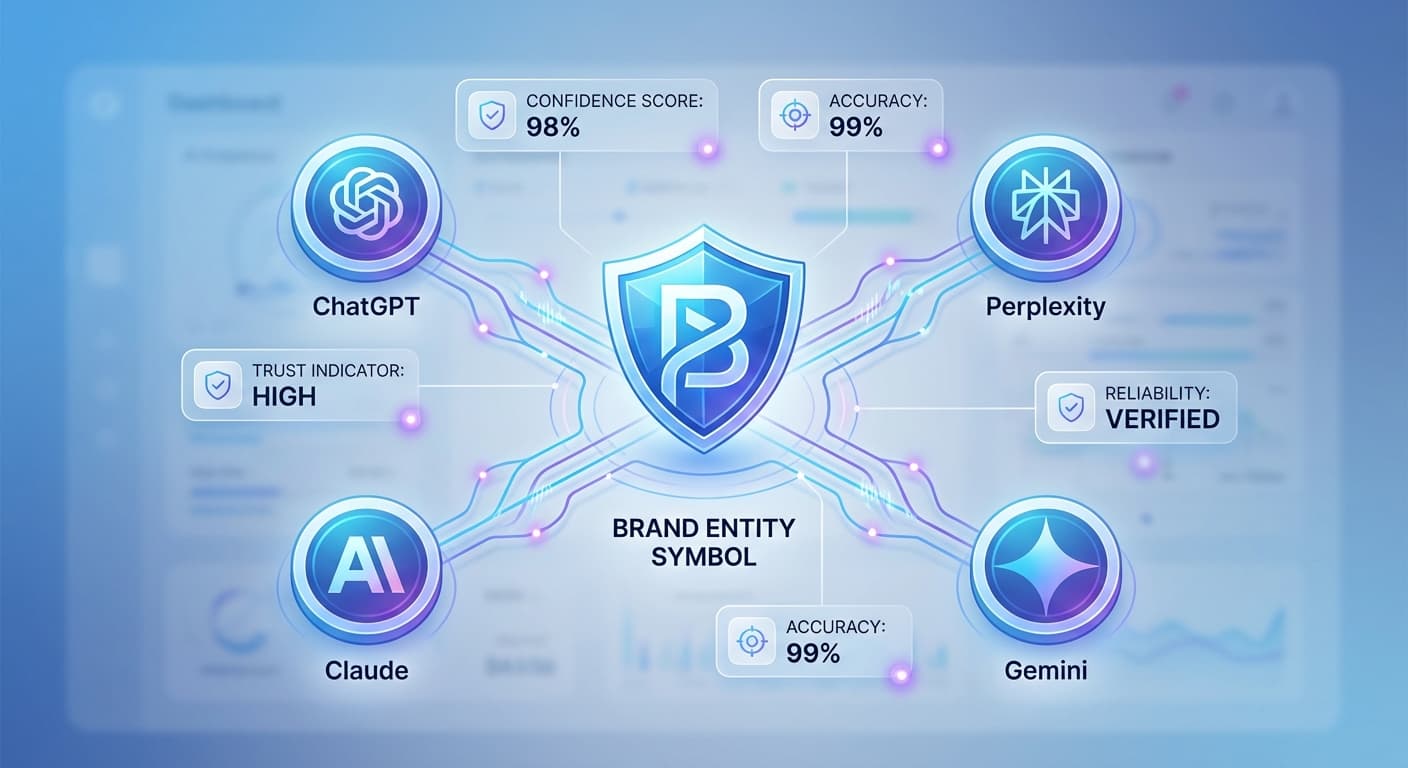
AI search engines like ChatGPT, Perplexity, Claude, and Gemini don't operate like traditional search engines. They synthesize information from across the web to provide conversational responses, often without distinguishing between current and outdated information. This creates several challenges:

  • Temporal blindness: AI models may treat a 2019 complaint with the same weight as a 2025 review

  • Amplification loops: Duplicate complaints across multiple platforms get counted as separate issues

  • Context collapse: Nuanced situations get reduced to simple negative/positive classifications

  • Source authority confusion: AI may prioritize high-domain sites hosting old complaints over your official responses
  • The Hidden Cost of Reputation Noise

    The impact of unfiltered reputation noise extends far beyond hurt feelings. In 2025, businesses are seeing:

  • 42% decrease in click-through rates when negative information appears in AI-generated responses

  • Average 18% drop in conversion rates for brands with prominent old complaints in AI search results

  • 73% of consumers now use AI to research brands before making purchases
  • The stakes are higher because AI responses feel more authoritative and comprehensive than traditional search results, making negative information more damaging to brand perception.

    Building Your Reputation Noise Filtering Strategy

    1. Audit Your Current AI Visibility

    Before you can filter noise, you need to understand what AI engines are saying about your brand. Start by:

  • Querying major AI platforms (ChatGPT, Perplexity, Claude, Gemini) with brand-related questions

  • Documenting recurring negative themes or outdated information

  • Identifying which old complaints appear most frequently

  • Mapping the sources AI engines cite when discussing your brand
  • 2. Create Authoritative Content Hubs

    Develop comprehensive content that addresses common concerns and provides current, accurate information:

    FAQ Pages That Anticipate AI Queries

  • Address specific complaints or misconceptions directly

  • Use conversational language that mirrors how people ask AI assistants

  • Include dates and "last updated" information

  • Structure content with clear headings and bullet points
  • Case Study Collections

  • Document how you've resolved past issues

  • Show evolution and improvement over time

  • Include customer testimonials and outcomes

  • Use specific dates and metrics
  • Regular Update Posts

  • Publish monthly or quarterly updates on improvements

  • Address industry changes and how you're adapting

  • Highlight new policies, processes, or team members

  • Make these easily discoverable by AI crawlers
  • 3. Implement Strategic Content Optimization

    Optimize your reputation management content for AI discoverability:

  • Use semantic clustering: Group related topics together so AI engines understand the full context

  • Include temporal markers: Always date your content and use phrases like "as of [current year]" or "updated policy"

  • Structure for AI comprehension: Use clear hierarchies, numbered lists, and conversational Q&A formats

  • Cross-reference improvements: Link current content to past issues to show growth and resolution
  • When creating this content, tools like Citescope Ai can help ensure your reputation management content is optimized for AI visibility, analyzing factors like semantic richness and conversational relevance that determine whether AI engines will prioritize your current narrative over old complaints.

    4. Develop a Response Cascade System

    Create a systematic approach to addressing reputation issues:

    Immediate Response Protocol

  • Acknowledge issues quickly on the original platform

  • Create detailed response content on your owned channels

  • Update FAQ or knowledge base sections

  • Notify customer service team of potential inquiries
  • Medium-Term Content Strategy

  • Develop case studies showing resolution

  • Create educational content addressing root causes

  • Publish improvement announcements

  • Engage in industry discussions about best practices
  • Long-Term Reputation Building

  • Consistently publish positive customer stories

  • Share behind-the-scenes improvement processes

  • Participate in industry thought leadership

  • Build relationships with industry publications and reviewers
  • 5. Monitor and Adjust Your Strategy

    Reputation noise filtering isn't a set-it-and-forget-it strategy. Establish regular monitoring:

  • Weekly AI query checks: Test how AI engines respond to brand-related questions

  • Monthly sentiment analysis: Track whether negative information is becoming less prominent

  • Quarterly strategy reviews: Adjust content and optimization based on what's working

  • Annual comprehensive audits: Evaluate overall reputation trajectory and strategy effectiveness
  • Advanced Techniques for Noise Suppression

    Semantic Authority Building

    Increase the semantic weight of your positive content by:

  • Publishing consistent, high-quality content in your niche

  • Building topical authority through comprehensive coverage

  • Creating content clusters that demonstrate expertise

  • Earning citations from reputable industry sources
  • Strategic Partnership Content

    Leverage partnerships to amplify positive narratives:

  • Guest posting on industry publications

  • Collaborative content with respected partners

  • Joint case studies highlighting successful outcomes

  • Cross-promotion of improvement initiatives
  • Technical SEO for AI Discoverability

    Optimize your technical infrastructure:

  • Implement proper schema markup for reviews and FAQs

  • Ensure fast loading times for reputation-related pages

  • Create XML sitemaps that prioritize current content

  • Use internal linking to guide AI crawlers to updated information
  • How Citescope Ai Helps Filter Reputation Noise

    Managing reputation in the age of AI search requires understanding how these engines interpret and prioritize your content. Citescope Ai's GEO Score analyzes your reputation management content across five critical dimensions—AI Interpretability, Semantic Richness, Conversational Relevance, Structure, and Authority—giving you a clear 0-100 score that predicts how well your positive narrative will perform against old negative content.

    The platform's Citation Tracker is particularly valuable for reputation management, allowing you to monitor when your improved processes, customer success stories, or response content gets cited by ChatGPT, Perplexity, Claude, and Gemini. This visibility helps you understand which reputation management strategies are working and which need adjustment.

    With the AI Rewriter feature, you can quickly optimize your reputation management content, FAQ responses, and improvement announcements to ensure they're structured for maximum AI visibility and authority.

    Measuring Success in Reputation Noise Filtering

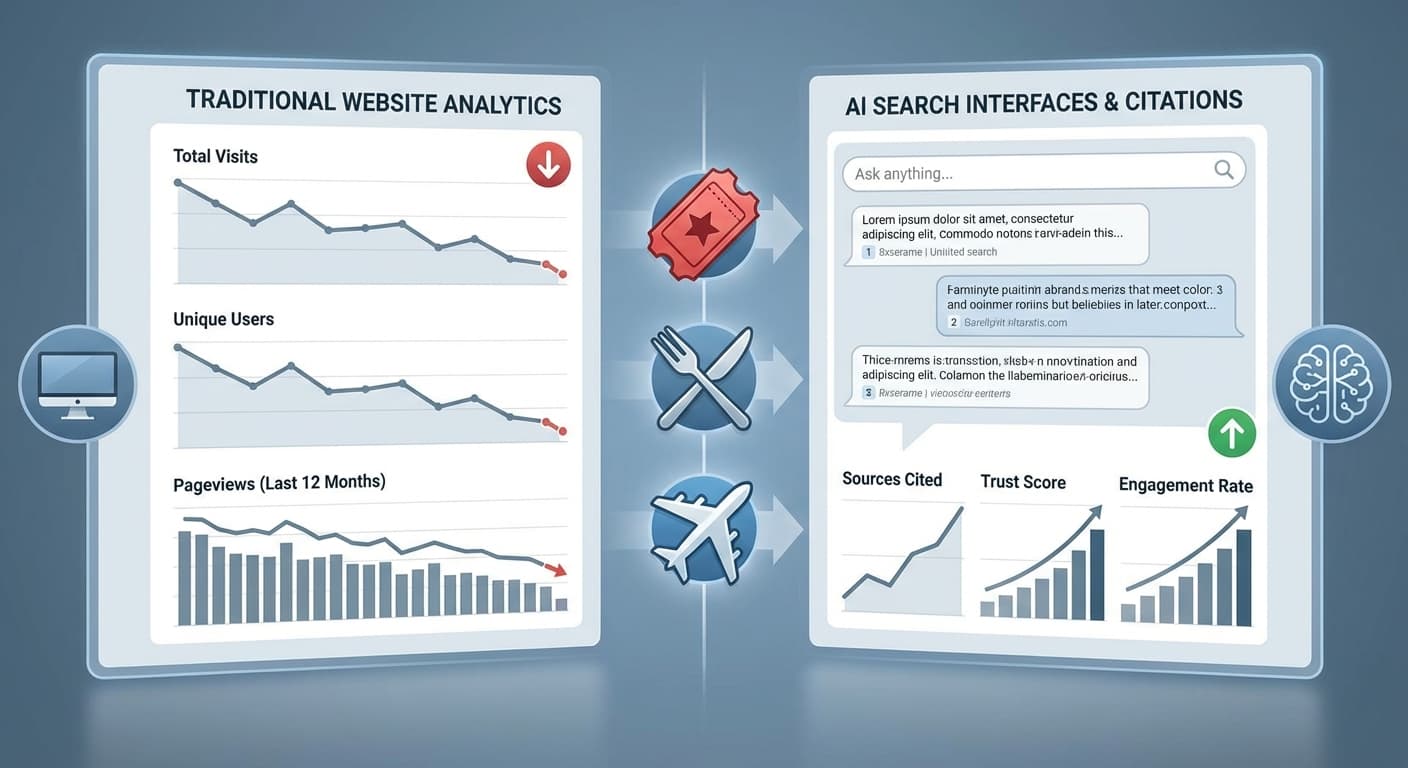
    Track these key metrics to evaluate your strategy:

    AI Response Quality

  • Percentage of AI responses that mention current vs. outdated information

  • Sentiment analysis of AI-generated brand descriptions

  • Frequency of positive vs. negative themes in conversational queries
  • Business Impact Metrics

  • Changes in conversion rates from AI-referred traffic

  • Customer inquiry themes and frequency

  • Brand sentiment surveys and Net Promoter Scores
  • Content Performance Indicators

  • Citation rates for your reputation management content

  • Time-to-prominence for new positive content

  • Engagement metrics on reputation-related content
  • Ready to Optimize for AI Search?

    Building an effective reputation noise filtering strategy requires understanding how AI search engines process and prioritize information about your brand. Citescope Ai helps you create content that cuts through the noise of old complaints and duplicate issues, ensuring AI engines surface your current, positive narrative instead of outdated problems.

    Start your free trial today and discover how our GEO Score can help you build content that filters out reputation noise and showcases your brand's true story. With 3 free optimizations per month, you can begin transforming how AI search engines represent your business to potential customers.
    reputation managementAI search optimizationbrand protectionnegative SEOconversational search

    Track your AI visibility

    See how your content appears across ChatGPT, Perplexity, Claude, and more.

    Start for Free