How to Build a Retention Attribution Model When AI Answer Engines Provide Perfect Answers That Eliminate Repeat Website Visits
How to Build a Retention Attribution Model When AI Answer Engines Provide Perfect Answers That Eliminate Repeat Website Visits
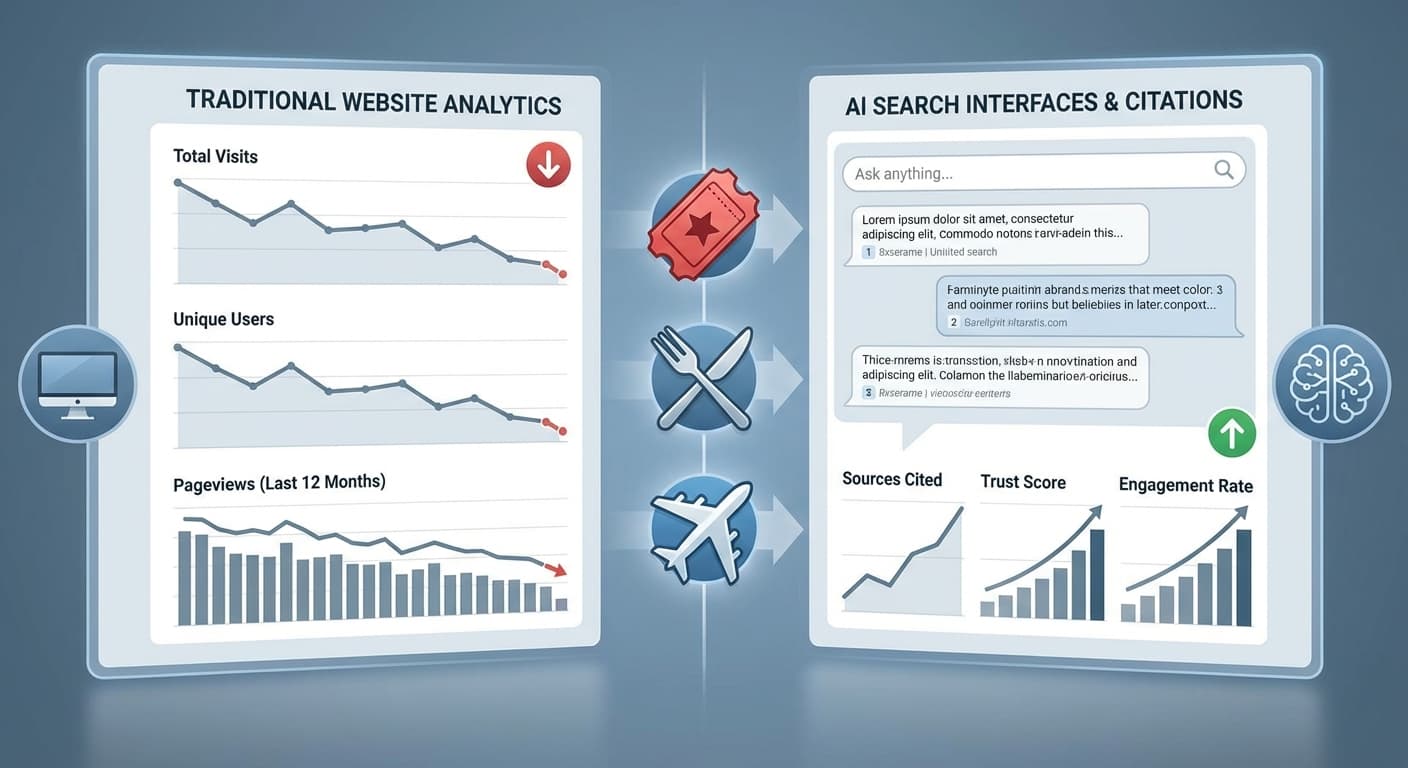
Here's a sobering statistic: By early 2026, AI answer engines like ChatGPT, Perplexity, and Claude are handling over 40% of information queries—and 73% of users report they no longer visit websites when AI provides complete answers. Your customers are still engaging with your brand, but they're doing it through AI intermediaries, making traditional attribution models as obsolete as flip phones.
If your marketing team is still celebrating traffic spikes while revenue attribution becomes increasingly murky, you're not alone. Most companies are experiencing what we call "attribution decay"—the gradual breakdown of traditional metrics as AI answer engines become the primary touchpoint between brands and customers.
The Attribution Crisis: Why Traditional Models Are Failing
The shift to AI-mediated search has created three critical attribution blind spots:
1. The Invisible Customer Journey
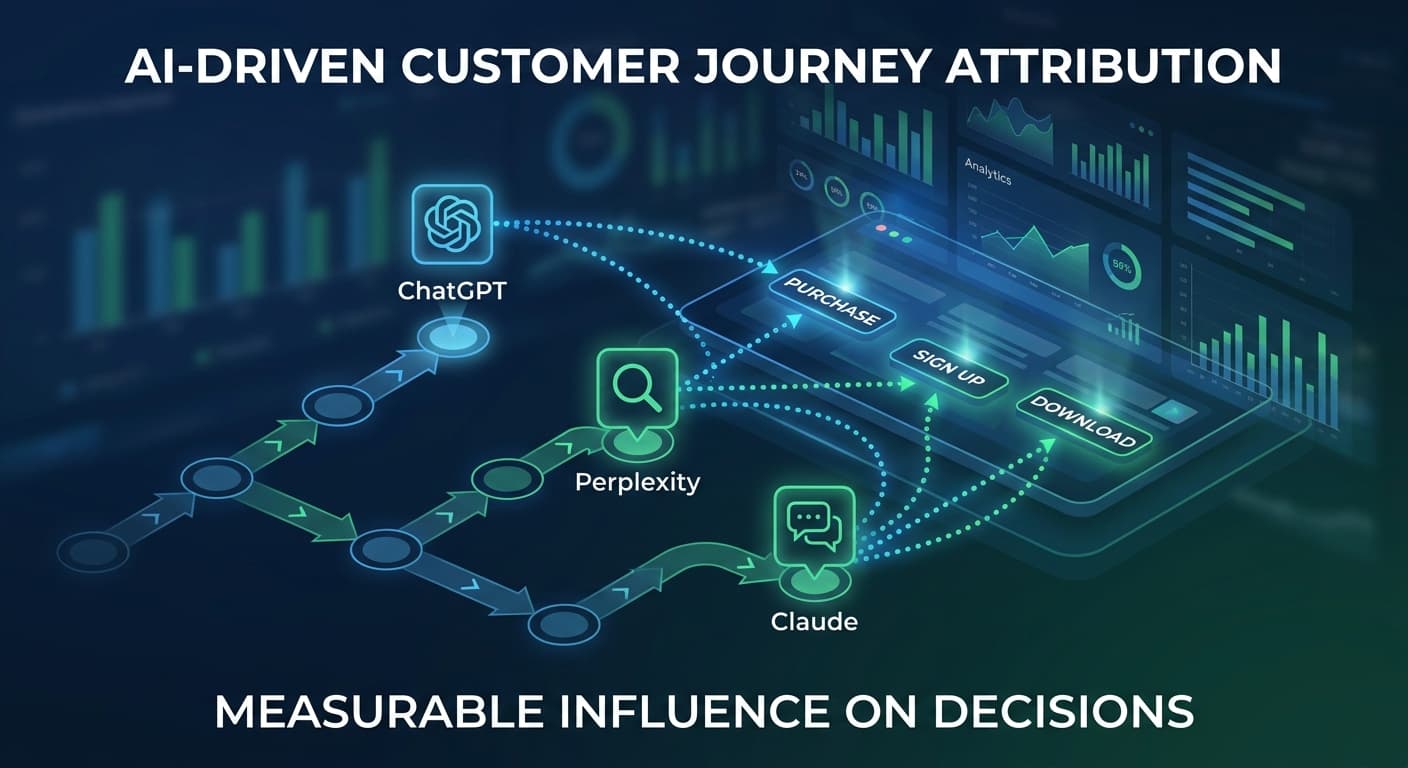
Customers now research, compare, and even make initial decisions entirely within AI interfaces. A potential buyer might ask Claude about "best project management software for remote teams," receive a comprehensive comparison citing your content, and proceed directly to your pricing page—skipping your blog, resources, and traditional funnel entirely.
2. Citation Without Traffic
When ChatGPT cites your pricing guide in response to a query about "SaaS pricing strategies," you've influenced a buying decision without generating a single page view. Traditional analytics show zero attribution, but your content drove real business value.
3. The Multi-Touch Invisibility Problem
A customer's journey might include:
Your attribution model credits "direct traffic," missing the AI-powered awareness and consideration phases entirely.
Building an AI-Era Retention Attribution Model
Successful attribution in 2026 requires tracking influence, not just traffic. Here's how to build a model that captures the full customer journey:
Step 1: Implement Citation-Based Attribution
Traditional attribution stops at the last click. AI-era attribution starts with first mention. Track when your content gets cited by AI engines using:
Primary Metrics:
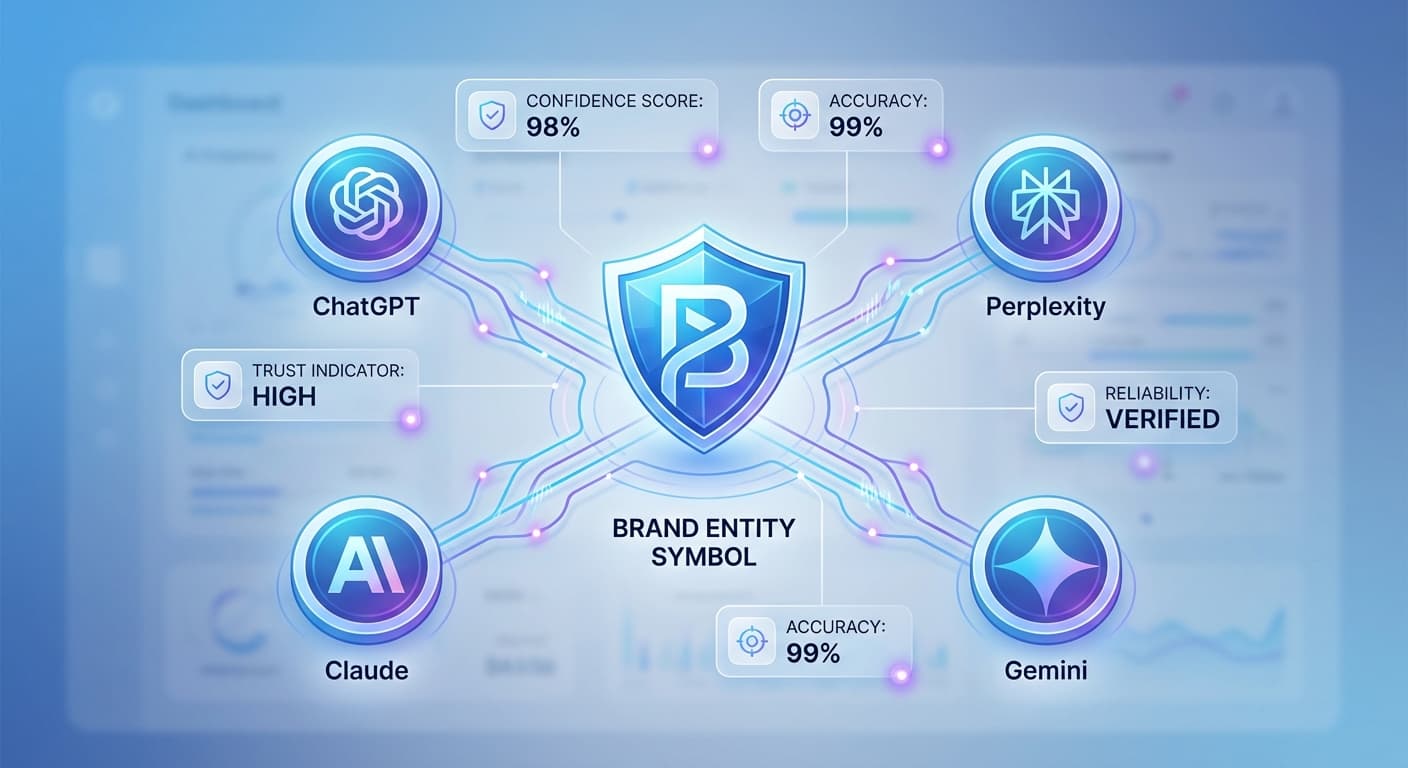
Implementation: Set up monitoring for brand and content mentions across ChatGPT, Perplexity, Claude, and Gemini. Tools like Citescope Ai's Citation Tracker provide real-time monitoring of when your content gets referenced in AI responses, giving you visibility into this previously dark funnel.
Step 2: Create AI-Influenced Customer Cohorts
Segment customers based on their likely AI interaction patterns:
High AI-Influence Indicators:
Medium AI-Influence Indicators:
Step 3: Implement Probabilistic Attribution Modeling
When direct tracking fails, smart estimation fills the gaps. Build models that assign attribution probability based on:
Market-Level Indicators:
Customer-Level Signals:
Step 4: Deploy Cross-Platform Identity Resolution
Connect the dots between AI interactions and website behavior:
Technical Implementation:
Behavioral Tracking:
Metrics That Matter: KPIs for AI-Influenced Attribution
Shift your team's focus from vanity metrics to influence indicators:
Content Performance Metrics
Customer Journey Metrics
Revenue Attribution Metrics
Practical Implementation: 90-Day Rollout Plan
Days 1-30: Foundation Building
Days 31-60: Model Development
Days 61-90: Optimization and Scaling
How Citescope Ai Helps Solve the Attribution Puzzle
Building an AI-era attribution model requires visibility into how your content performs across AI platforms. Citescope Ai's Citation Tracker monitors when your content gets referenced by ChatGPT, Perplexity, Claude, and Gemini, providing the foundation data needed for accurate attribution modeling.
The platform's GEO Score also helps predict which content pieces are most likely to get cited, allowing you to optimize for AI visibility while building more accurate attribution models. Instead of guessing about AI influence, you get concrete data about when and how your content drives conversations that lead to conversions.
Common Implementation Challenges and Solutions
Challenge 1: Executive Buy-In
Problem: Leadership wants to see traditional traffic metrics
Solution: Present attribution recovery as revenue recovery. Show how much previously "direct" traffic likely came from AI influence
Challenge 2: Technical Complexity
Problem: Attribution modeling requires significant technical resources
Solution: Start with simplified probabilistic models. Use existing tools and gradually build sophistication
Challenge 3: Data Quality
Problem: AI platforms provide limited visibility into user behavior
Solution: Focus on patterns and probabilities rather than perfect tracking. Combine multiple data sources for comprehensive view
The Future of Marketing Attribution
By 2027, industry experts predict that 60% of B2B buying decisions will involve AI research phases. Companies that adapt their attribution models now will have a significant competitive advantage in understanding and optimizing their true marketing ROI.
The winners won't be those who generate the most website traffic—they'll be the ones who create the most influential content in AI responses and can accurately measure that influence.
Ready to Optimize for AI Search?
Stop flying blind in the AI era. Citescope Ai helps you track citations across all major AI platforms, optimize your content for better AI visibility, and build the attribution models you need to prove marketing ROI in 2026. Start with our free tier—3 optimizations per month, no credit card required. See exactly how your content performs in AI responses and start building better attribution models today.