How to Build a Sales Call Conversion Recovery Strategy When AI Search Engines Launch Autonomous Booking Agents
How to Build a Sales Call Conversion Recovery Strategy When AI Search Engines Launch Autonomous Booking Agents
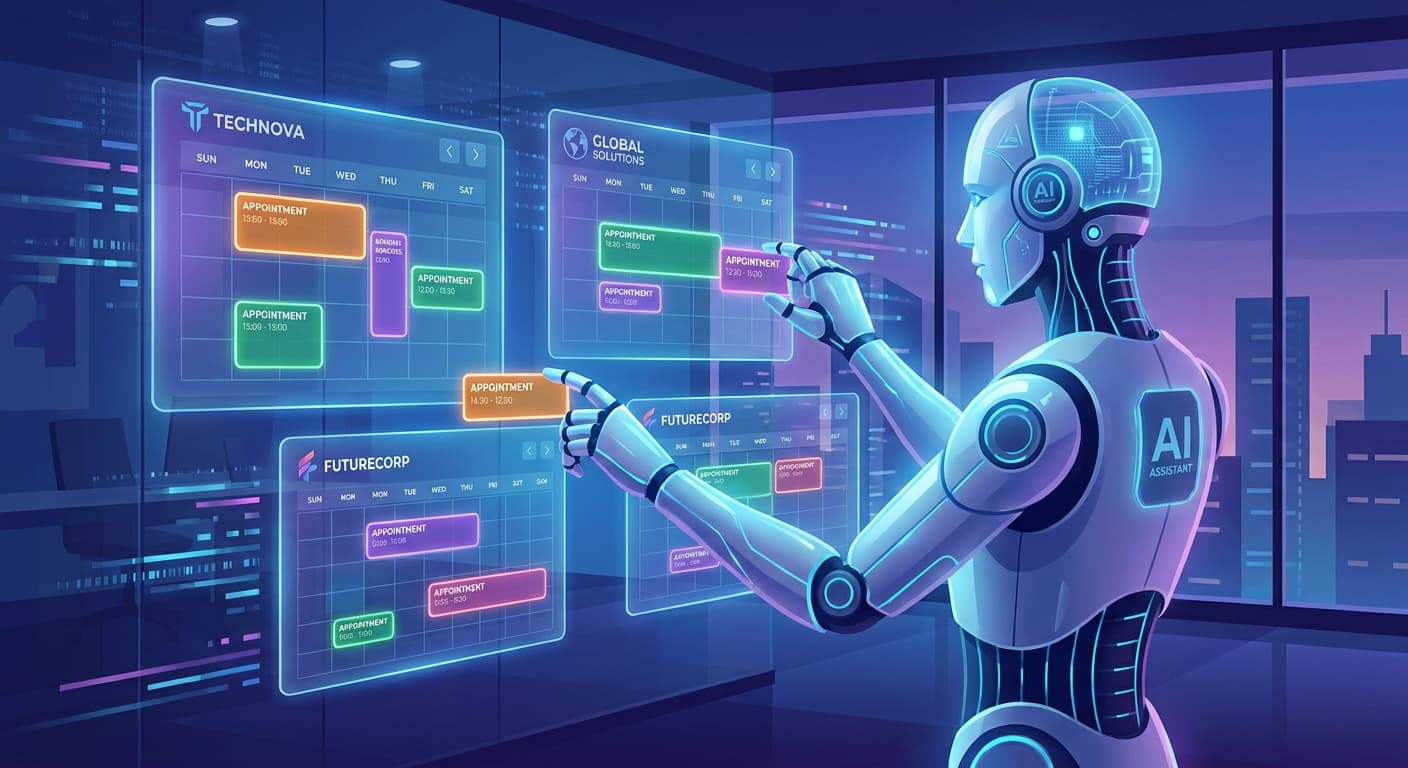
Imagine this scenario: A prospect asks ChatGPT, "What's the best CRM software for a 50-person team?" Instead of just providing recommendations, the AI responds with information about three solutions—and automatically books discovery calls with all three vendors based on the user's calendar availability. By the time your prospect considers visiting your website, they've already scheduled meetings with your competitors.
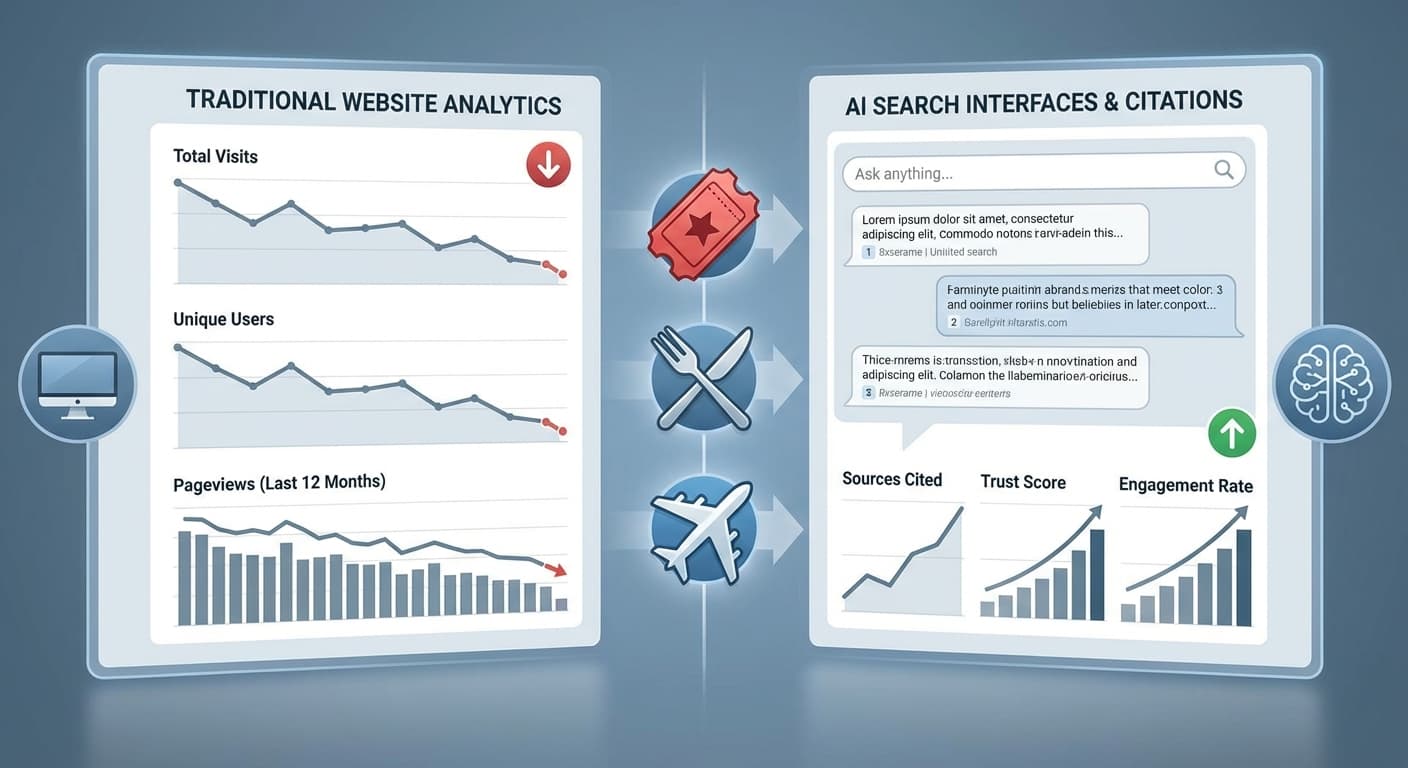
This isn't science fiction—it's the direction AI search is heading in 2026. With autonomous booking agents on the horizon and AI search queries now representing over 35% of all search traffic, businesses need to prepare for a fundamental shift in how prospects discover and engage with solutions.
The Rise of Autonomous AI Booking Agents
AI search engines are evolving beyond simple question-and-answer interactions. The next generation of AI assistants will be able to:
While this technology is still emerging, early indicators suggest we could see autonomous booking capabilities integrated into major AI platforms by late 2026 or early 2027. For sales teams, this represents both a massive opportunity and a potential threat.
Why Traditional Lead Generation Will Struggle
The traditional sales funnel assumes prospects will:
Autonomous booking agents compress this timeline dramatically. Prospects might go from initial question to booked discovery calls in minutes, not days or weeks. This creates several challenges:
The Speed Problem
By the time you reach out to a lead who filled out a form, they may have already had three discovery calls with competitors.
The Information Asymmetry
AI agents will have comprehensive data about your solution, pricing, and positioning—potentially more than your own prospects initially had.
The Comparison Trap
Prospects will likely book calls with multiple vendors simultaneously, making differentiation even more critical.
Building Your Conversion Recovery Strategy
1. Optimize for AI Citation and Positioning
The foundation of any recovery strategy starts with ensuring your content gets cited by AI search engines in the first place. When AI agents recommend solutions, they typically cite 3-5 sources. Your goal is to be among them.
Key tactics:
When potential customers ask AI about solutions in your category, you want to ensure your content is not only cited but positioned favorably against competitors.
2. Develop Lightning-Fast Response Protocols
When autonomous booking becomes reality, speed will be everything. Develop systems that can:
3. Create "First Call Advantage" Content
Since prospects may have multiple calls scheduled, your goal is to be the first and most memorable interaction. Develop:
Pre-call sequences:
Discovery call frameworks:
4. Implement Competitive Intelligence Systems
When AI agents book multiple calls, you need to understand the competitive landscape for each prospect:
5. Build AI-Native Sales Content
Traditional sales collateral assumes prospects know little about your solution. AI-educated prospects arrive with different needs:
Create content for AI-informed buyers:
6. Develop Post-Call Nurture Sequences
With multiple vendors competing for attention, your post-call follow-up becomes critical:
Advanced Recovery Tactics
The Preemptive Strike
Monitor brand mentions and competitor citations in AI responses. When you notice gaps in your AI visibility, immediately create content that addresses those specific scenarios.
The Value-First Approach
Offer valuable resources (assessments, audits, strategy sessions) that competitors can't easily replicate. This creates differentiation beyond product features.
The Partnership Play
Build relationships with complementary solution providers who might get cited alongside your category. Create joint content that positions your solution favorably in multi-vendor scenarios.
Measuring Recovery Strategy Success
Track these key metrics to optimize your approach:
How Citescope Ai Helps
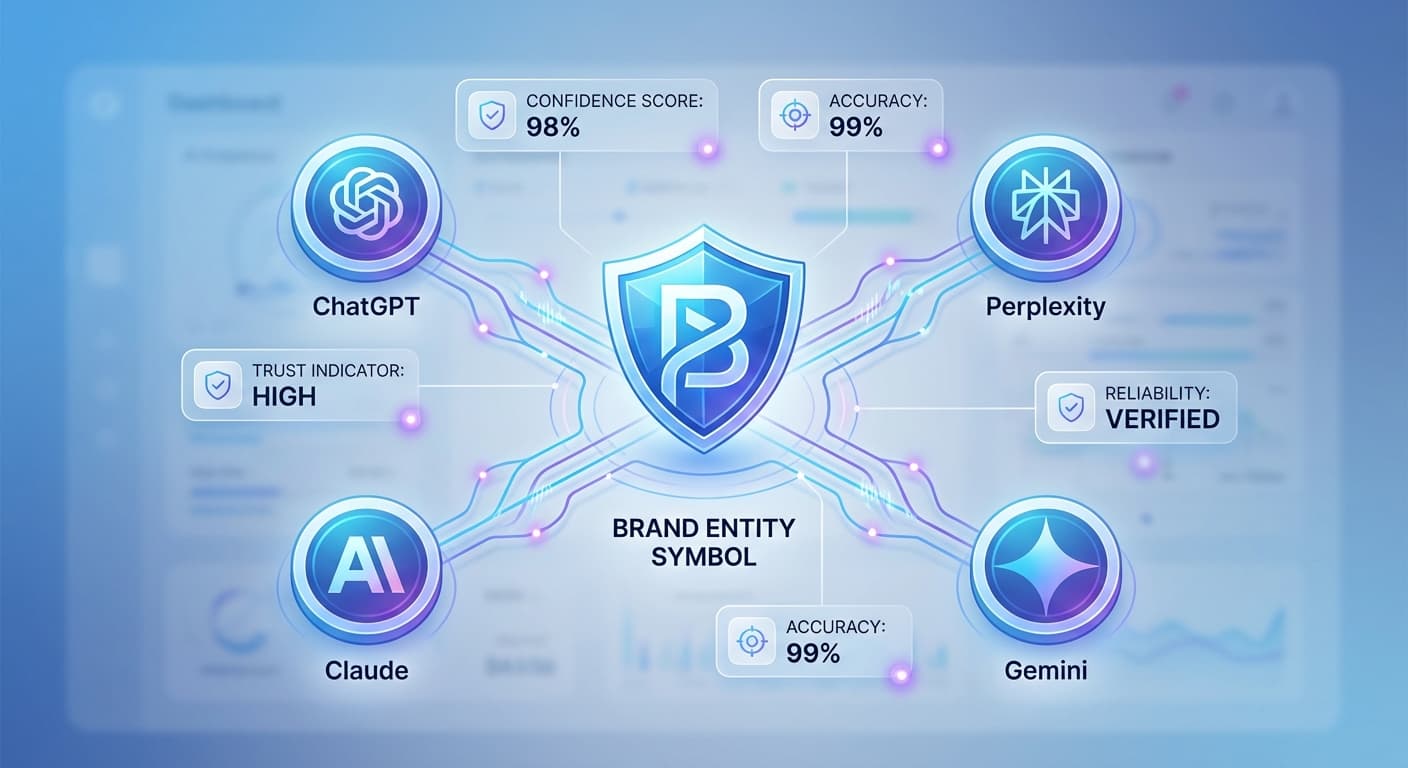
Building an effective recovery strategy starts with understanding how AI search engines currently position your content. Citescope Ai's Citation Tracker shows you exactly when and how your content gets referenced by ChatGPT, Perplexity, Claude, and Gemini, giving you insights into competitive positioning and citation patterns.
The platform's GEO Score analyzes your content across five critical dimensions—AI Interpretability, Semantic Richness, Conversational Relevance, Structure, and Authority—helping you optimize for better positioning in AI responses. When autonomous booking agents launch, you'll want your content to be among the solutions they recommend.
Preparing for the Autonomous Future
While full autonomous booking capabilities may still be months or years away, the underlying trends are already reshaping sales:
Start building your recovery strategy now by optimizing for AI visibility, developing rapid response capabilities, and creating content that resonates with AI-educated buyers.
The businesses that thrive in this new environment will be those that view autonomous booking agents not as a threat, but as a new channel that requires different strategies and tactics.
Ready to Optimize for AI Search?
Don't wait for autonomous booking agents to launch—start optimizing your content for AI citation today. Citescope Ai helps you track, analyze, and improve how AI search engines reference your content. With our GEO Score analysis and Citation Tracker, you can ensure your solutions get recommended when prospects ask AI for advice. Try Citescope Ai free and start building your competitive advantage in AI search.