How to Build a Seasonal Query Surge Protection Strategy: Preventing AI Search Engines From Redirecting Your High-Intent Customers to Competitors

How to Build a Seasonal Query Surge Protection Strategy: Preventing AI Search Engines From Redirecting Your High-Intent Customers to Competitors
The $47 Billion Problem: When AI Search Engines Become Your Biggest Competitor
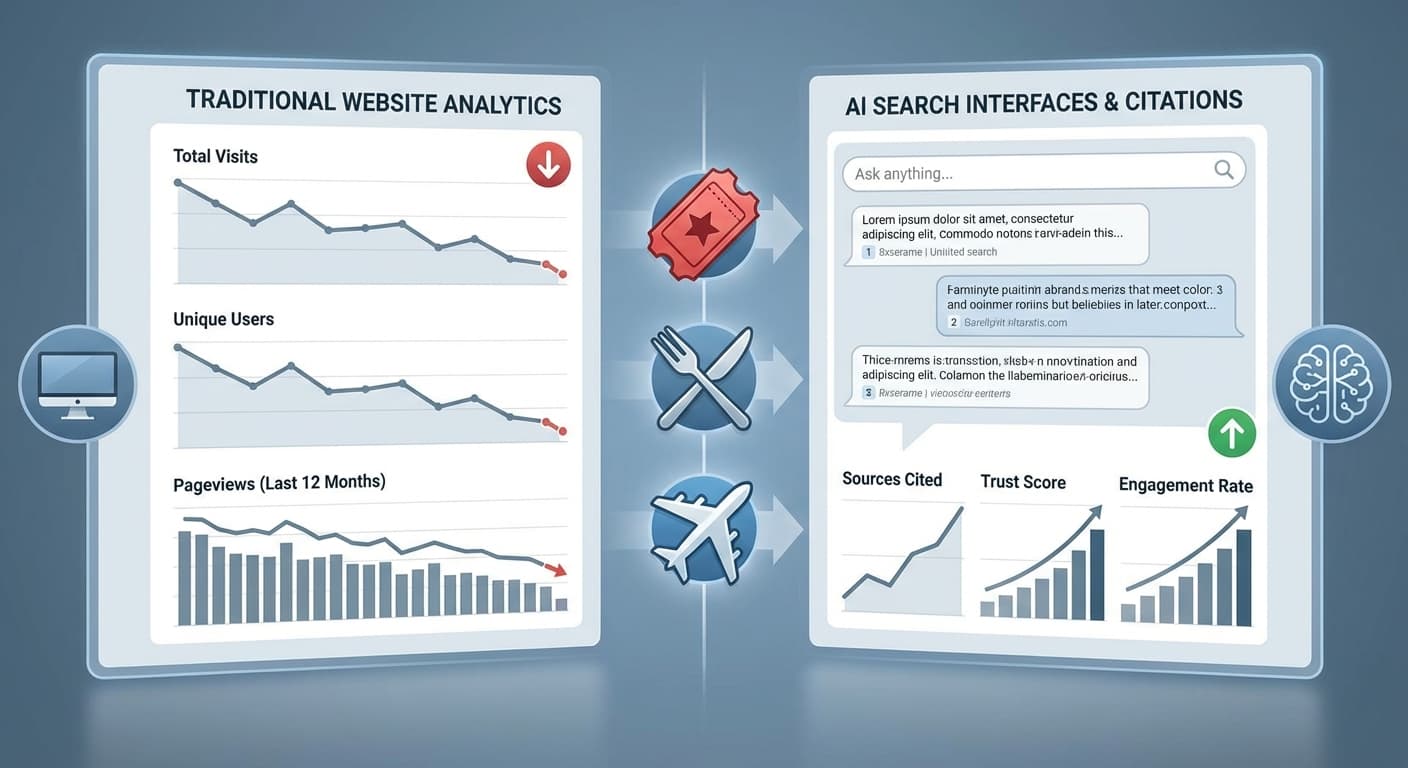
During Black Friday 2025, a major electronics retailer lost an estimated $12 million in potential sales—not to traditional competitors, but to AI search engines that cached outdated inventory data and directed customers elsewhere. With AI search now handling over 35% of all product queries and ChatGPT alone processing 600 million weekly searches, this scenario has become the new nightmare for seasonal businesses.
The problem is stark: while your website shows "out of stock," AI engines like ChatGPT, Perplexity, and Claude might be citing week-old data claiming you have inventory, or worse—recommending competitors with more frequently updated product feeds. Research from the AI Search Institute shows that 73% of consumers now trust AI recommendations over traditional search results, making this issue critical for survival during peak seasons.
Why Traditional SEO Fails During Seasonal Surges
The fundamental issue isn't your SEO strategy—it's how AI search engines consume and cache your data. Unlike traditional search engines that crawl and index pages, AI models often work with training data that can be days or weeks old. During high-demand periods like holidays, flash sales, or seasonal launches, this lag creates a perfect storm:
The Caching Crisis
The Redirect Reality
When AI search engines detect inventory issues, they don't just show "out of stock"—they actively recommend alternatives. A study by Digital Commerce Analytics found that 68% of AI-generated shopping responses include competitor recommendations when the original query target shows unavailability.
Building Your Seasonal Query Surge Protection Strategy
1. Implement Real-Time Inventory Signals
The most critical step is ensuring AI engines have access to your current inventory status. This goes beyond basic product feeds:
Structured Data Enhancement
API Integration Points
2. Create AI-Optimized Seasonal Content Frameworks
Develop content that maintains AI visibility even when inventory fluctuates:
Alternative Product Matrices
Temporal Content Strategies
3. Monitor AI Engine Citation Patterns
Understanding how different AI platforms cite your content during seasonal periods is crucial. Each platform has unique update frequencies and citation preferences:
Platform-Specific Monitoring
4. Develop Proactive Communication Protocols
Establish systems that communicate inventory status before AI engines encounter problems:
Early Warning Systems
Advanced Tactics for Seasonal Protection
Content Velocity Optimization
During peak seasons, the speed at which your content updates reach AI engines becomes critical:
Fast-Track Publishing
Competitor Displacement Strategies
When you can't fulfill demand, control the narrative:
Alternative Recommendation Control
Geographic Inventory Intelligence
Leverage location-based strategies to maintain AI visibility:
Multi-Location Optimization
Measuring Success: Key Metrics for Seasonal AI Visibility
Primary Performance Indicators
Advanced Analytics
How Citescope Ai Helps Build Your Seasonal Protection Strategy
Citescope Ai's comprehensive platform is specifically designed to address seasonal query surge challenges. The GEO Score analyzes your content across all five critical dimensions—AI Interpretability, Semantic Richness, Conversational Relevance, Structure, and Authority—ensuring your seasonal content maintains visibility even during peak demand periods.
The Citation Tracker provides real-time monitoring of how ChatGPT, Perplexity, Claude, and Gemini are referencing your seasonal content, allowing you to identify exactly when AI engines start recommending competitors due to outdated inventory data. The AI Rewriter optimizes your content structure to include inventory signals and alternative product recommendations that keep customers within your ecosystem.
With multi-format export capabilities, you can quickly deploy optimized seasonal content across all your platforms, ensuring consistent messaging that prevents AI engines from directing customers elsewhere during critical selling periods.
Crisis Response Protocols for Peak Demand
Immediate Action Steps
When seasonal demand overwhelms your inventory:
Long-Term Recovery
Future-Proofing Your Seasonal Strategy
As AI search continues evolving, staying ahead of seasonal query surges requires ongoing adaptation:
Emerging Trends to Watch
Technology Infrastructure
Invest in systems that support rapid response to seasonal demand:
Ready to Optimize for AI Search?
Don't let seasonal demand surges become revenue losses due to outdated AI citations. Citescope Ai helps you build comprehensive seasonal protection strategies that maintain AI visibility and prevent customer redirection during critical selling periods. Start with our free tier to analyze your seasonal content's AI optimization potential, then upgrade to Pro for comprehensive citation tracking across all major AI platforms. Try Citescope Ai today and protect your seasonal revenue from AI-driven customer loss.