How to Build a Source Preference Reverse-Engineering Strategy When AI Search Engines Favor Different Content Types
How to Build a Source Preference Reverse-Engineering Strategy When AI Search Engines Favor Different Content Types
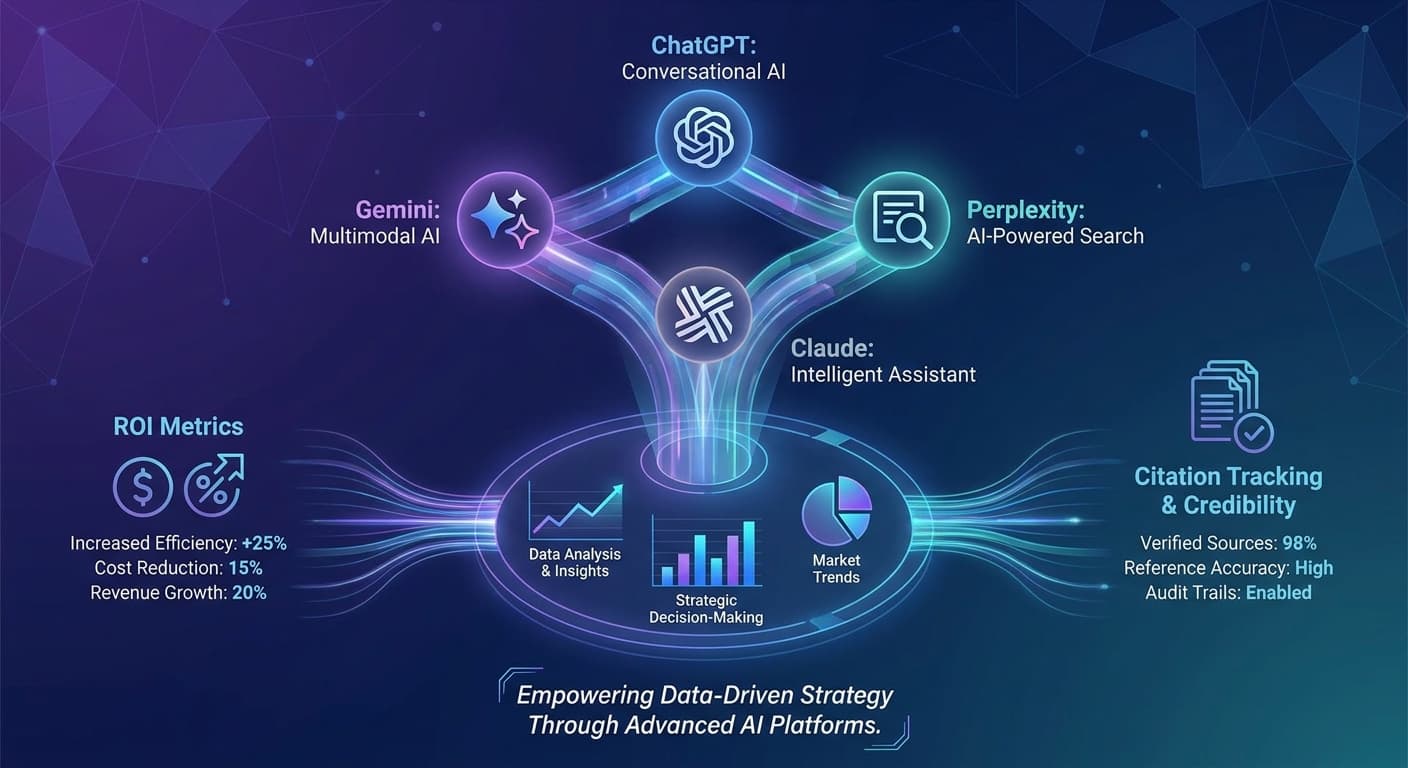
By 2026, AI search engines process over 40% of all search queries globally, with each platform showing distinct preferences for content types and sources. ChatGPT favors conversational, well-structured content, Perplexity prioritizes academic and news sources, Claude gravitates toward comprehensive analytical pieces, and Gemini excels with multimedia-rich content. But here's the million-dollar question: how do you determine which platforms actually drive ROI for your business?
The AI Search Attribution Challenge
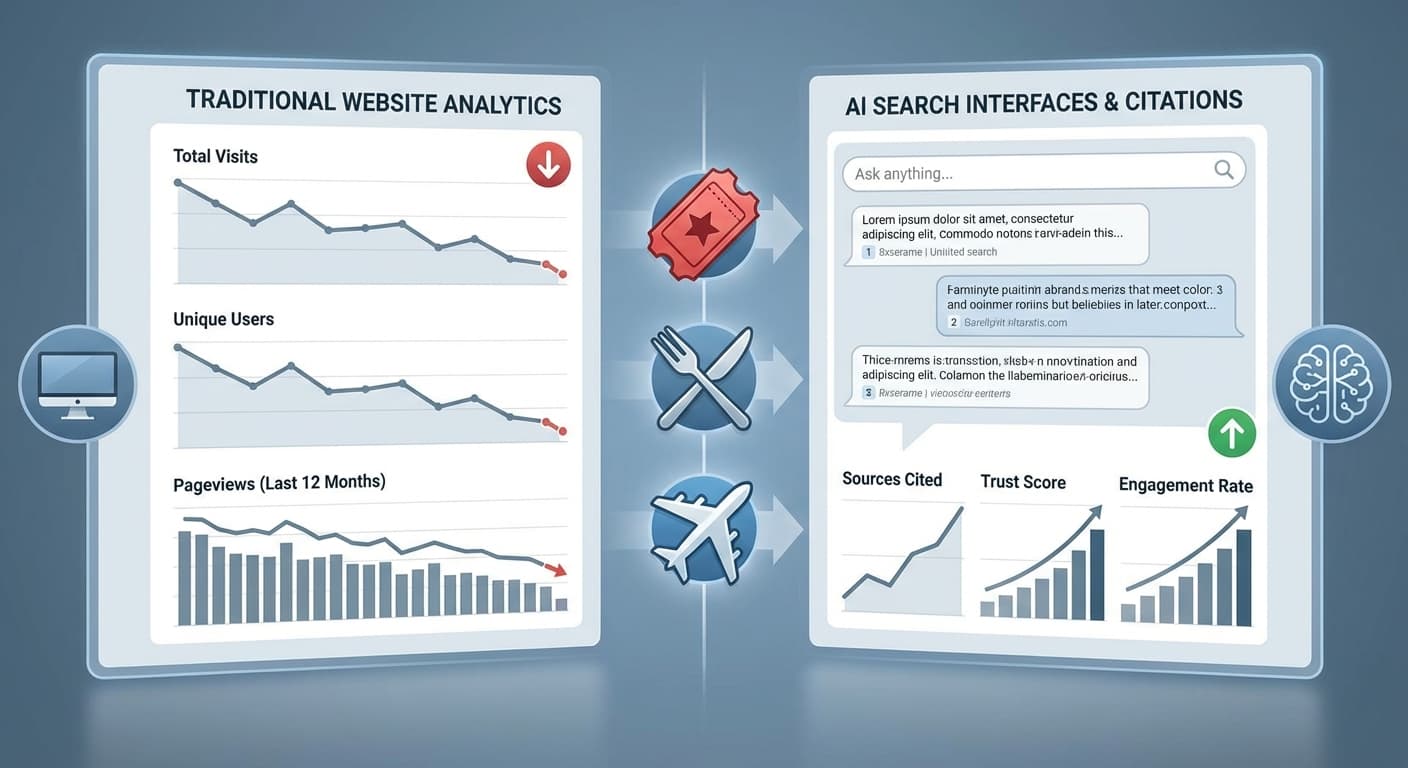
Traditional SEO metrics fall short in the AI search era. When someone asks Claude about "best project management software" and your tool gets mentioned alongside two competitors, how do you measure that citation's value? Unlike Google clicks, AI citations don't provide direct traffic attribution, making ROI measurement incredibly complex.
Recent studies show that 73% of content marketers struggle to measure AI search impact, while 68% admit they're optimizing blindly across multiple platforms without understanding which efforts drive actual business results.
Understanding Each Platform's Content DNA
ChatGPT's Preference Profile
ChatGPT consistently favors:
Perplexity's Citation Patterns
Perplexity gravitates toward:
Claude's Content Preferences
Claude shows preference for:
Gemini's Multimedia Focus
Gemini excels with:
Building Your Reverse-Engineering Framework
Step 1: Establish Citation Baselines
Before optimizing for any platform, you need to understand your current citation performance:
Step 2: Create Platform-Specific Content Variants
Develop the same core topic across different formats optimized for each platform:
For ChatGPT: Transform "10 Email Marketing Best Practices" into a conversational Q&A format with personal anecdotes and practical examples.
For Perplexity: Restructure as "Email Marketing Effectiveness: A Data Analysis of 2025 Industry Benchmarks" with cited statistics and research methodology.
For Claude: Expand into "The Psychology and Technology Behind Effective Email Marketing: A Comprehensive Analysis" exploring both user behavior and technical implementation.
For Gemini: Create "Visual Guide to Email Marketing Success" with infographics, conversion calculators, and interactive elements.
Step 3: Implement Citation Attribution Systems
Since AI platforms don't provide direct referral data, you need creative attribution methods:
Advanced ROI Measurement Techniques
The Citation Influence Model
Develop a weighted scoring system based on:
Downstream Impact Analysis
Look beyond immediate traffic to measure:
Strategic Resource Allocation
The 70-20-10 Rule for AI Platforms
Based on 2025 performance data across industries:
Platform Prioritization Framework
Rank platforms based on:
Common Reverse-Engineering Mistakes to Avoid
Over-Optimization Syndrome
Many brands try to optimize equally for all platforms, resulting in generic content that excels nowhere. Focus your efforts based on where your audience actually discovers solutions.
Attribution Tunnel Vision
Don't obsess over direct attribution. AI citations often influence the entire customer journey, creating brand awareness that converts weeks or months later.
Platform Assumption Bias
Just because ChatGPT has the largest user base doesn't mean it drives the most ROI for your business. B2B companies often see better results from Perplexity's research-focused audience.
How Citescope Ai Streamlines Your Strategy
Building a comprehensive reverse-engineering strategy requires sophisticated analysis and optimization across multiple AI platforms. Citescope Ai simplifies this complex process through:
Citation Tracking Across All Platforms: Monitor when ChatGPT, Perplexity, Claude, and Gemini cite your content, with detailed context analysis and trend reporting.
GEO Score Analysis: Understand how your content performs across the five key dimensions that AI engines evaluate, with platform-specific optimization recommendations.
AI Rewriter for Platform Optimization: Transform your best-performing content into variants optimized for each AI platform's preferences, maintaining your core message while adapting to platform-specific algorithms.
ROI Attribution Insights: Track citation impact through branded search increases, traffic correlations, and conversion attribution modeling.
Measuring Long-Term Success
Key Performance Indicators
Track these metrics monthly:
Quarterly Strategy Reviews
Every three months, evaluate:
Ready to Optimize for AI Search?
Building a successful source preference reverse-engineering strategy requires deep platform knowledge, sophisticated tracking, and continuous optimization. Citescope Ai provides the tools and insights you need to identify which AI platforms drive real ROI for your business, optimize content for each platform's preferences, and track citation performance across ChatGPT, Perplexity, Claude, and Gemini.
Start with our free tier to analyze your top 3 pieces of content and discover which AI platforms are already citing your work. Upgrade to Pro for comprehensive citation tracking and AI-powered content optimization that drives measurable business results.