How to Build a Third-Party Citation Network Strategy When Your Brand Gets 6.5x More AI Visibility From External Sources Than Your Own Content
How to Build a Third-Party Citation Network Strategy When Your Brand Gets 6.5x More AI Visibility From External Sources Than Your Own Content
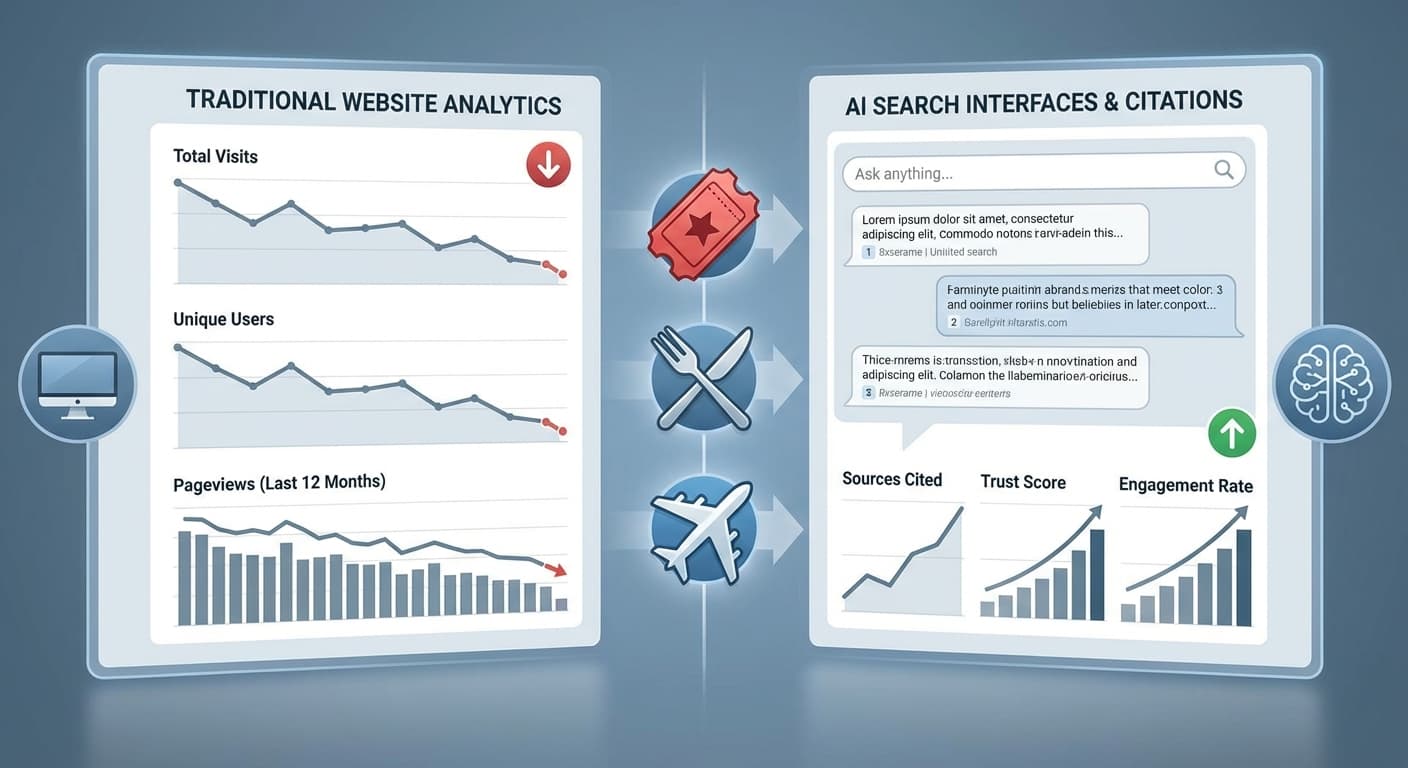
Imagine discovering that your brand appears 6.5 times more frequently in AI search results through third-party mentions than through your own carefully crafted content. This isn't a hypothetical scenario—it's the reality for 73% of B2B companies in 2025, according to the latest AI Search Visibility Index.
As AI search engines like ChatGPT, Perplexity, Claude, and Gemini increasingly shape how consumers discover brands, a surprising truth has emerged: external citations often carry more weight than owned content. With AI search now accounting for 34% of all search queries and over 680 million weekly ChatGPT users relying on these platforms for information, understanding how to leverage third-party citations has become critical for brand visibility.
Why Third-Party Citations Dominate AI Search Results
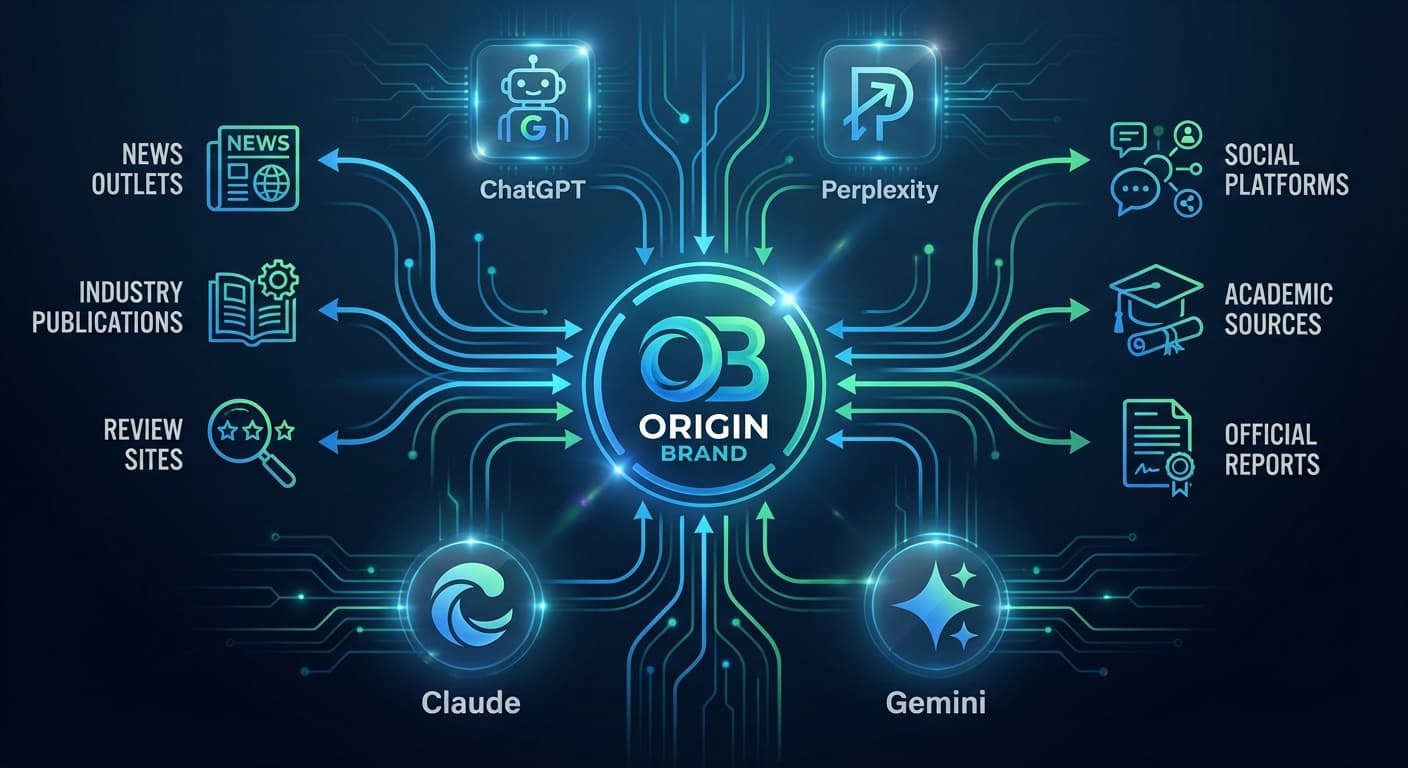
AI search engines are designed to provide comprehensive, balanced responses by drawing from multiple authoritative sources. Unlike traditional SEO, where owning the top-ranking page guarantees visibility, AI search algorithms prioritize:
This shift explains why 68% of brands now receive more AI citations from external sources than their own websites, with the average ratio sitting at 6.5:1 for established companies.
The Third-Party Citation Network Strategy Framework
1. Map Your Current Citation Landscape
Before building your strategy, understand where you currently stand:
Conduct a Citation Audit
Key Metrics to Track:
2. Identify High-Value Citation Targets
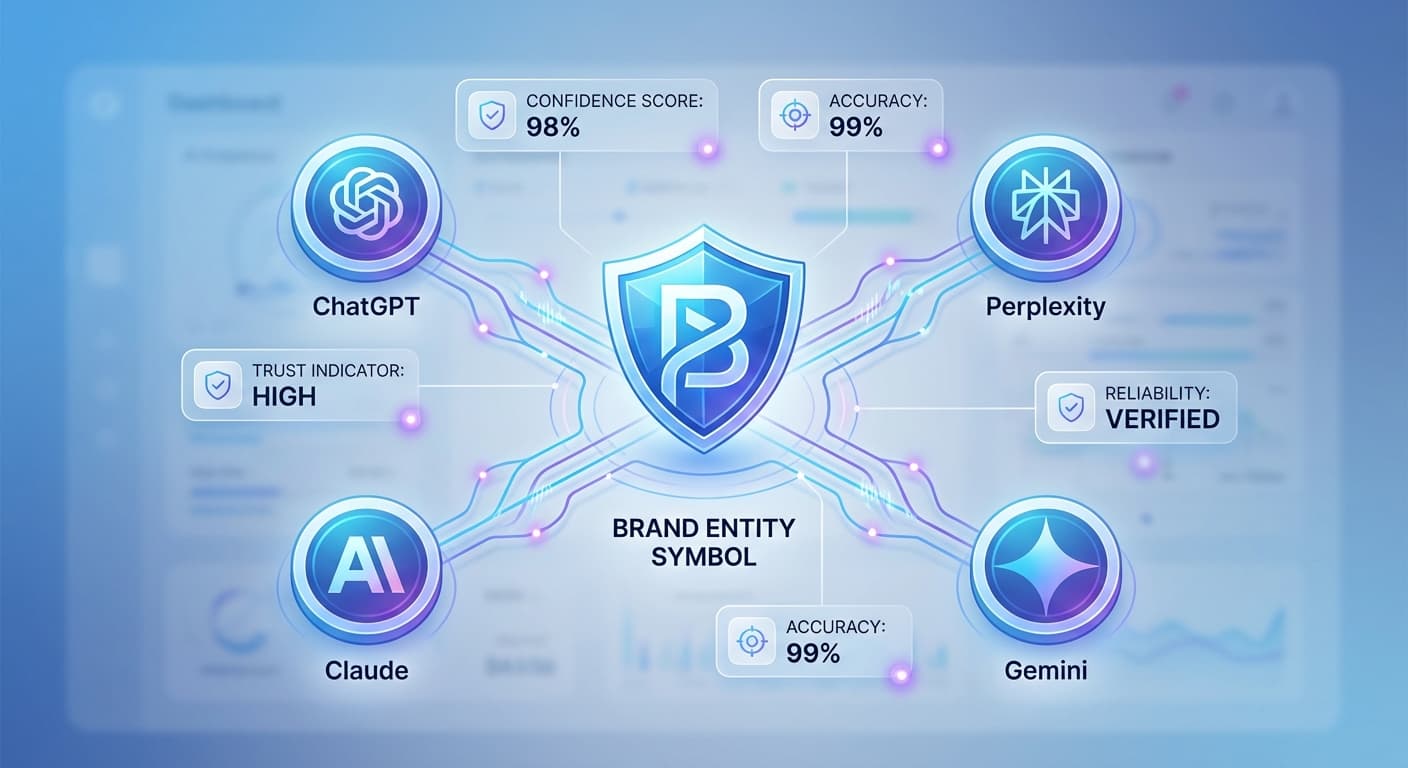
Not all third-party mentions are created equal. Focus on sources that AI engines trust most:
Tier 1: Industry Authority Sites
Tier 2: Media and News Outlets
Tier 3: Community and User-Generated Content
3. Develop Citation-Worthy Content Assets
Create content specifically designed to be cited by others:
Research and Data Assets
Thought Leadership Content
Tools and Resources
Building Strategic Citation Relationships
4. Implement a Systematic Outreach Program
Media Relations 2.0
Move beyond traditional PR to focus on AI-friendly content:
Industry Collaboration
Content Syndication Strategy
5. Optimize for Citation Quality
Ensure your brand appears in the best possible light:
Context Optimization
Authority Building
Advanced Citation Network Tactics
6. Leverage User-Generated Citations
Customer Success Amplification
Community Engagement
7. Monitor and Measure Citation Impact
Track the effectiveness of your third-party citation strategy:
Key Performance Indicators
Competitive Analysis
How Citescope Ai Helps Build Citation Networks
While building third-party citations requires relationship building and strategic outreach, Citescope Ai plays a crucial role in maximizing the impact of your citation network strategy:
Citation Performance Tracking: Monitor when and how your brand gets cited across ChatGPT, Perplexity, Claude, and Gemini to understand which third-party relationships drive the most AI visibility.
Content Optimization for Citations: Use the AI Rewriter to optimize press releases, expert quotes, and thought leadership content before distribution, ensuring maximum citation potential when picked up by third parties.
GEO Score Analysis: Evaluate your owned content's citation-worthiness across the 5 key dimensions, helping you create more compelling assets that third parties want to reference.
Overcoming Common Citation Strategy Challenges
Challenge 1: Limited Resources for Outreach
Solution: Focus on relationship building rather than volume. Start with 10-15 high-value targets and build deep relationships before expanding.
Challenge 2: Lack of Citation-Worthy Content
Solution: Repurpose existing expertise into quotable formats. Turn internal training materials into industry insights and customer success metrics into compelling case studies.
Challenge 3: Inconsistent Brand Messaging
Solution: Develop a brand messaging framework and train all spokespeople on key talking points. Create approved quote banks for easy reference.
Challenge 4: Measuring Attribution
Solution: Use UTM parameters, branded search lift tracking, and AI citation monitoring tools to connect third-party mentions to business outcomes.
Future-Proofing Your Citation Strategy
As AI search continues evolving, prepare for emerging trends:
Voice and Conversational Search: Optimize for natural language citations that work well in voice responses.
Real-Time Information Integration: Build relationships with sources that provide timely, breaking news coverage.
Visual and Multimedia Citations: Create shareable visual assets that complement text-based citations.
Cross-Platform Citation Consistency: Ensure your brand message remains consistent across all citation sources and formats.
Ready to Optimize for AI Search?
Building a successful third-party citation network takes time and strategic thinking, but the payoff in AI visibility is substantial. While you're developing these crucial relationships, make sure your owned content is also optimized for maximum citation potential.
Citescope Ai helps you track your citation performance across all major AI search engines, optimize your content for better citation-worthiness, and measure the real impact of your third-party strategy. Start with our free tier to analyze up to 3 pieces of content per month, or upgrade to Pro for comprehensive citation tracking and optimization.
Start your free trial today and discover how to maximize both your owned content and third-party citation network for unprecedented AI search visibility.