How to Build a Topical Authority Framework for Query Fan-Out When AI Search Generates 20+ Sub-Searches Your Content Needs to Answer Simultaneously
Here's a startling reality: When someone asks ChatGPT "What's the best marketing strategy for SaaS companies?", the AI doesn't just look for that exact phrase. It simultaneously searches for pricing models, customer acquisition costs, retention strategies, product-market fit indicators, and 15+ other related concepts—all in milliseconds. If your content doesn't comprehensively address this "query fan-out," you're invisible in the new AI search landscape.
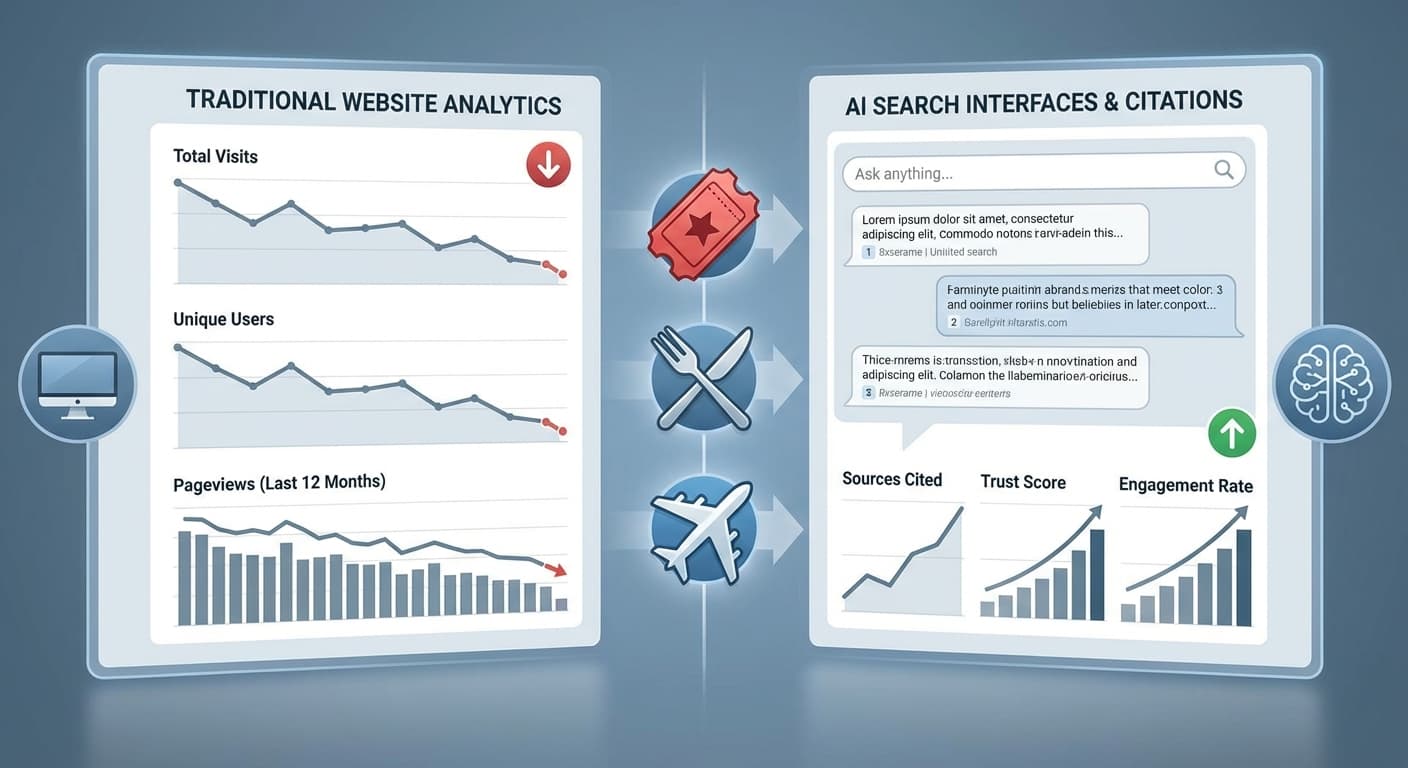
With AI search now powering over 35% of all information queries in 2026 and Perplexity processing 2.5 billion searches monthly, the game has fundamentally changed. Traditional keyword-focused SEO is dead. Welcome to the era of topical authority frameworks.
Understanding Query Fan-Out in AI Search
Query fan-out occurs when AI engines break down a single user question into multiple related searches to provide comprehensive answers. Instead of matching keywords, AI systems like Claude and Gemini create semantic maps of interconnected concepts.
The Anatomy of AI Query Processing
When a user asks about "email marketing ROI," modern AI engines simultaneously consider:
Open rates and click-through ratesA/B testing methodologiesList segmentation strategiesAutomation workflowsAttribution modelsIndustry benchmarksCompliance requirements (GDPR, CAN-SPAM)Integration with other marketing channelsYour content needs to address this entire ecosystem, not just the surface-level query.
The Topical Authority Framework: 5 Core Components
1. Semantic Hub Architecture
Create content hubs organized around core topics rather than individual keywords. Each hub should contain:
Pillar Content: Comprehensive guides covering the main topicCluster Content: Detailed pieces addressing specific sub-topicsBridge Content: Articles connecting related conceptsSupporting Resources: Tools, templates, and examples2. Query Intent Mapping
Map the different types of searches AI engines perform for your topic:
Informational: "What is..." "How does..." "Why do..."Transactional: "Best tools for..." "Compare..." "Price of..."Navigational: "[Brand] + [feature]" "[Tool] tutorial"Investigational: "Pros and cons..." "Alternatives to..." "Reviews of..."3. Comprehensive Topic Modeling
Develop a 360-degree view of your subject matter by addressing:
Core Concepts: Fundamental principles and definitionsRelated Processes: Step-by-step procedures and workflowsCommon Challenges: Problems users face and solutionsBest Practices: Proven strategies and recommendationsTools and Resources: Software, templates, and aidsCase Studies: Real-world examples and resultsFuture Trends: Emerging developments and predictions4. Cross-Referenced Content Network
Build internal linking structures that mirror how AI thinks:
Link related concepts naturally within contentCreate "See Also" sections with relevant resourcesDevelop glossaries that define interconnected termsBuild comparison tables linking competing solutions5. Multi-Format Content Delivery
AI engines favor diverse content formats that serve different user needs:
Long-form articles for comprehensive coverageQuick reference guides for immediate answersStep-by-step tutorials for procedural queriesComparison charts for decision-makingFAQ sections for common questionsBuilding Your Framework: A Step-by-Step Approach
Phase 1: Topic Research and Analysis
Identify Your Core Topic: Choose a subject where you want to establish authorityMap Related Concepts: Use tools like AnswerThePublic or browse AI search results to identify related queriesAnalyze Competitor Coverage: Review how top-ranking content addresses topic breadthDocument Content Gaps: Identify areas where comprehensive coverage is lackingPhase 2: Content Architecture Planning
Design Your Hub Structure: Create a visual map of your main topic and all subtopicsPlan Content Types: Determine what format best serves each subtopicEstablish Linking Strategy: Plan how pieces will interconnectSet Publishing Timeline: Develop a realistic content calendarPhase 3: Content Creation and Optimization
Start with Pillar Content: Create comprehensive guides covering main topicsDevelop Cluster Content: Address specific subtopics in detailBuild Supporting Resources: Create tools and templates that add valueOptimize for AI Comprehension: Use clear headings, structured data, and semantic markupPhase 4: Integration and Cross-Linking
Implement Internal Linking: Connect related pieces naturallyUpdate Existing Content: Add links to new related piecesCreate Topic Overviews: Build landing pages that showcase your comprehensive coverageDevelop Related Content Recommendations: Help users discover relevant informationOptimizing Content for AI Comprehension
Structural Elements AI Engines Prioritize
Clear Hierarchical Headings: Use H2, H3, and H4 tags logicallyDefinition Lists: Define key terms within contextNumbered Procedures: Present step-by-step processes clearlyBulleted Benefits: List advantages and features prominentlyStructured Data Markup: Help AI understand content relationshipsLanguage Patterns That Improve AI Visibility
Direct Question-Answer Format: "How do you...?" followed by clear answersCause-and-Effect Statements: "Because X, therefore Y" structuresComparison Language: "Unlike A, B provides..." or "While X does this, Y does that"Sequential Indicators: "First," "Next," "Finally" for process descriptionsMeasuring Topical Authority Success
Track these key metrics to evaluate your framework:
AI Search Visibility: Monitor citations in ChatGPT, Perplexity, and Claude responsesQuery Coverage: Measure how many related searches your content addressesUser Engagement: Track time on page, pages per session, and return visitsContent Performance: Analyze which pieces generate the most AI citationsTopic Share: Monitor your share of voice across the entire topic ecosystemHow Citescope Ai Helps Build Your Framework
Building a comprehensive topical authority framework requires understanding how AI engines interpret and cite your content. Citescope Ai's GEO Score analyzes your content across five critical dimensions—AI Interpretability, Semantic Richness, Conversational Relevance, Structure, and Authority—giving you a clear roadmap for optimization.
The platform's AI Rewriter can help transform existing content to better address query fan-out scenarios, while the Citation Tracker monitors when your comprehensive content gets cited by major AI engines. This data helps you understand which aspects of your topical coverage are working and where gaps remain.
Advanced Strategies for Query Fan-Out Coverage
The Question Cascade Method
For each main topic, develop cascading questions that AI might generate:
Primary Question: "How do I improve email deliverability?"Secondary Questions: "What affects sender reputation?" "How do spam filters work?"Tertiary Questions: "What is DKIM authentication?" "How do I set up SPF records?"Create content that addresses the entire cascade within your topic ecosystem.
The Context Bridge Technique
Develop content pieces that bridge different aspects of your topic:
Connect technical implementation with business outcomesLink strategy discussions with tactical executionBridge beginner concepts with advanced applicationsConnect your topic with related industry trendsThe Completeness Audit
Regularly audit your topical coverage by:
Analyzing AI search results for your main topicsIdentifying questions you haven't addressedReviewing competitor content for gaps in your coverageSurveying your audience for additional information needsFuture-Proofing Your Authority Framework
As AI search continues evolving, your framework must adapt:
Stay Current: Regularly update content with latest developmentsMonitor AI Behavior: Track how different AI engines interpret your topicsExpand Strategically: Add new subtopics as your field evolvesMaintain Quality: Ensure comprehensive coverage doesn't sacrifice depthReady to Optimize for AI Search?
Building topical authority in the age of query fan-out requires more than great content—it demands strategic optimization for how AI engines interpret, process, and cite information. Citescope Ai provides the tools and insights you need to build comprehensive topic frameworks that dominate AI search results. Start with our free tier and see how your content performs across all major AI engines.