How to Build a Vertical AI Agent Integration Strategy for Industry-Specific Search Platforms
How to Build a Vertical AI Agent Integration Strategy for Industry-Specific Search Platforms
By 2026, over 73% of B2B professionals now discover new solutions through AI-powered search engines rather than traditional Google searches. But here's what's catching many businesses off guard: the rise of vertical AI agents—industry-specific search platforms that are becoming the dominant discovery channels in specialized B2B niches.
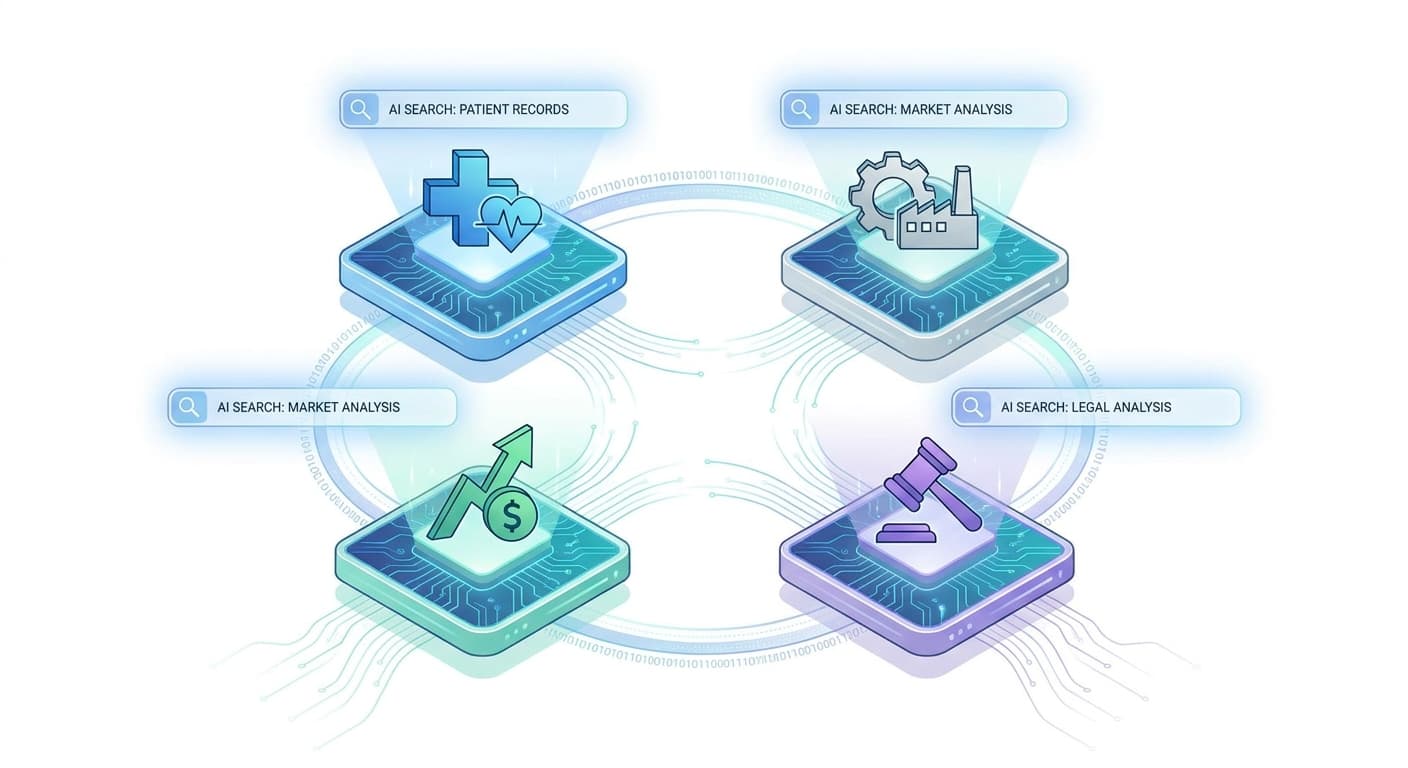
While general AI search engines like ChatGPT and Perplexity handle broad queries, vertical AI agents are emerging as the go-to sources for industry-specific information. Healthcare professionals are turning to medical AI assistants, financial advisors rely on fintech-focused search tools, and manufacturing executives discover suppliers through specialized industrial AI platforms.
If your business serves a specific industry, you need a vertical AI agent integration strategy—and you need it now.
Why Vertical AI Agents Are Dominating B2B Discovery
The Specialization Advantage
Vertical AI agents offer something general search engines can't: deep domain expertise. These platforms are trained on industry-specific datasets, understand niche terminology, and provide contextually relevant answers that speak directly to professional needs.
Consider these developments in 2025-2026:
The Trust Factor
Professionals trust vertical AI agents more than general search engines for industry-specific queries. These platforms often partner with industry associations, regulatory bodies, and established trade publications, lending credibility to their recommendations.
Building Your Vertical AI Agent Strategy
Step 1: Map Your Industry's AI Ecosystem
Start by identifying the vertical AI agents that matter in your space. Look for:
Pro tip: Survey your existing customers to understand which AI tools they use for professional research. The insights might surprise you.
Step 2: Optimize Content for Vertical Context
Vertical AI agents prioritize different content signals than general search engines. They look for:
#### Industry-Specific Authority Markers
#### Specialized Content Formats
#### Domain-Specific Language
Use the exact terminology your industry professionals use when searching. Vertical AI agents are trained on industry jargon and technical language that general AI might not prioritize.
Step 3: Create Multi-Layered Content Assets
Develop content that works across both general and vertical AI platforms:
Tier 1: Foundation Content
Tier 2: Industry-Specific Content
Tier 3: Hyper-Specialized Content
Step 4: Implement Citation-Worthy Content Structure
Vertical AI agents, like their general counterparts, rely heavily on citations. Structure your content to maximize citation potential:
#### Use Authoritative Data Sources
#### Create Quotable Insights
#### Build Content Relationships
Advanced Vertical AI Integration Tactics
Develop Industry Partnership Content
Collaborate with industry partners, associations, and complementary service providers to create content that vertical AI agents recognize as authoritative. Joint white papers, co-authored guides, and partnership case studies carry more weight in specialized search results.
Optimize for Voice and Conversational Queries
B2B professionals increasingly use voice commands and conversational queries when interacting with AI agents. Optimize for phrases like:
Monitor Competitor Citations
Track which competitors are getting cited by vertical AI agents in your space. Analyze their content approaches, partnership strategies, and authority-building tactics. This competitive intelligence can inform your own strategy adjustments.
Create Industry-Specific Content Hubs
Develop dedicated sections of your website focused on specific industry applications. These content hubs should include:
Measuring Success in Vertical AI Discovery
Key Performance Indicators
Track these metrics to measure your vertical AI strategy effectiveness:
Attribution Challenges
Vertical AI traffic can be harder to track than traditional search traffic. Implement:
How Citescope Ai Helps Navigate Vertical AI Strategy
While general AI optimization is important, vertical AI agents often require nuanced approaches that traditional SEO tools miss. Citescope Ai's GEO Score analyzes your content across five crucial dimensions—AI Interpretability, Semantic Richness, Conversational Relevance, Structure, and Authority—providing insights that work across both general and vertical AI platforms.
The platform's Citation Tracker monitors mentions across major AI engines, helping you understand which content resonates with different types of AI agents. This insight is crucial when you're trying to balance optimization for ChatGPT and industry-specific AI tools simultaneously.
Common Pitfalls to Avoid
Over-Optimization for General AI
Don't sacrifice vertical relevance for general AI optimization. Industry professionals value specificity and expertise over broad appeal.
Ignoring Compliance Requirements
Many industries have strict content compliance requirements. Ensure your AI-optimized content meets these standards to maintain credibility with vertical AI agents.
Neglecting Professional Networks
Vertical AI agents often pull information from professional networks and industry forums. Maintain active, helpful presences on platforms like LinkedIn groups and industry-specific communities.
Inconsistent Industry Messaging
Ensure your messaging remains consistent across all vertical touchpoints. Mixed messages confuse both AI agents and human professionals.
The Future of Vertical AI Discovery
As we move through 2026, expect vertical AI agents to become even more sophisticated. They'll likely integrate with:
Building your vertical AI strategy now positions you for success as these integrations mature.
Ready to Optimize for AI Search?
Vertical AI agents represent the next evolution in B2B discovery, but they require specialized optimization strategies that go beyond traditional SEO. Citescope Ai helps you navigate this complex landscape with tools designed specifically for AI search optimization. From analyzing your content's AI-readiness to tracking citations across multiple AI platforms, we provide the insights you need to dominate vertical search in your industry. Start with our free tier and discover how AI-optimized content can transform your B2B discovery strategy.