How to Build a Voice AI Search Winner-Takes-All Strategy When AI Assistants Return Single-Answer Results Instead of 10 Blue Links

How to Build a Voice AI Search Winner-Takes-All Strategy When AI Assistants Return Single-Answer Results Instead of 10 Blue Links
In 2026, the search game has fundamentally changed. While traditional Google searches still show multiple results, voice AI assistants like ChatGPT, Perplexity, Claude, and Gemini typically provide just one authoritative answer. With over 600 million weekly active users now relying on AI for search queries, and voice search accounting for 45% of all AI interactions, the stakes have never been higher.
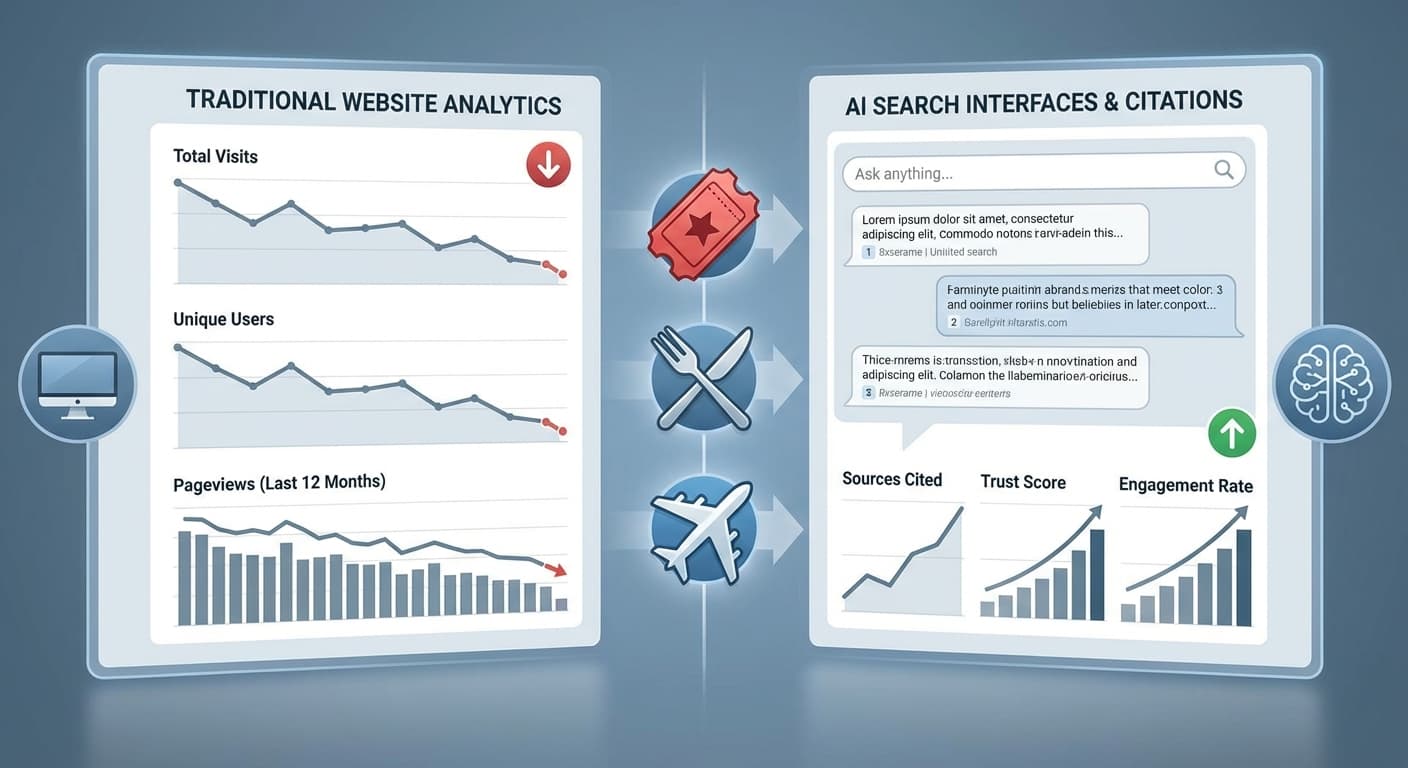
This shift from "10 blue links" to single-answer responses means content creators face a winner-takes-all scenario. Your content either gets cited as the primary source, or it doesn't get mentioned at all. There's no second page, no position 5 consolation prize—just binary success or invisibility.
The New Reality of AI-First Search
The numbers tell the story of this seismic shift:
This winner-takes-all dynamic creates both unprecedented opportunity and risk. Get cited by ChatGPT or Perplexity, and you could see massive traffic spikes. Miss the mark, and your carefully crafted content becomes invisible to millions of potential readers.
Understanding the Winner-Takes-All Dynamics
Why AI Assistants Choose Single Sources
AI assistants prioritize single-answer responses for several key reasons:
The Citation Hierarchy
AI search engines evaluate content using a sophisticated hierarchy:
Building Your Winner-Takes-All Strategy
1. Master the Art of Definitive Answers
To win the single-answer game, your content must be unambiguously authoritative. This means:
Lead with Clear Statements
Provide Comprehensive Coverage
2. Optimize for Voice Query Patterns
Voice searches differ significantly from typed queries. Users speak in complete sentences and ask specific questions:
Common Voice Query Patterns:
Content Optimization Tactics:
3. Build Semantic Authority
AI models excel at understanding context and relationships between concepts. Build semantic authority by:
Creating Topic Clusters
Demonstrating Expertise
4. Structure for AI Interpretability
AI assistants favor content that's easy to parse and understand:
Optimal Content Structure:
Information Architecture:
Advanced Tactics for Voice AI Dominance
1. Anticipate Conversational Context
Voice users often ask follow-up questions. Structure your content to address the likely conversation flow:
2. Leverage Structured Data
While AI assistants don't rely on traditional structured data markup, they do appreciate clearly structured information:
3. Optimize for Multiple AI Platforms
Different AI assistants have varying preferences:
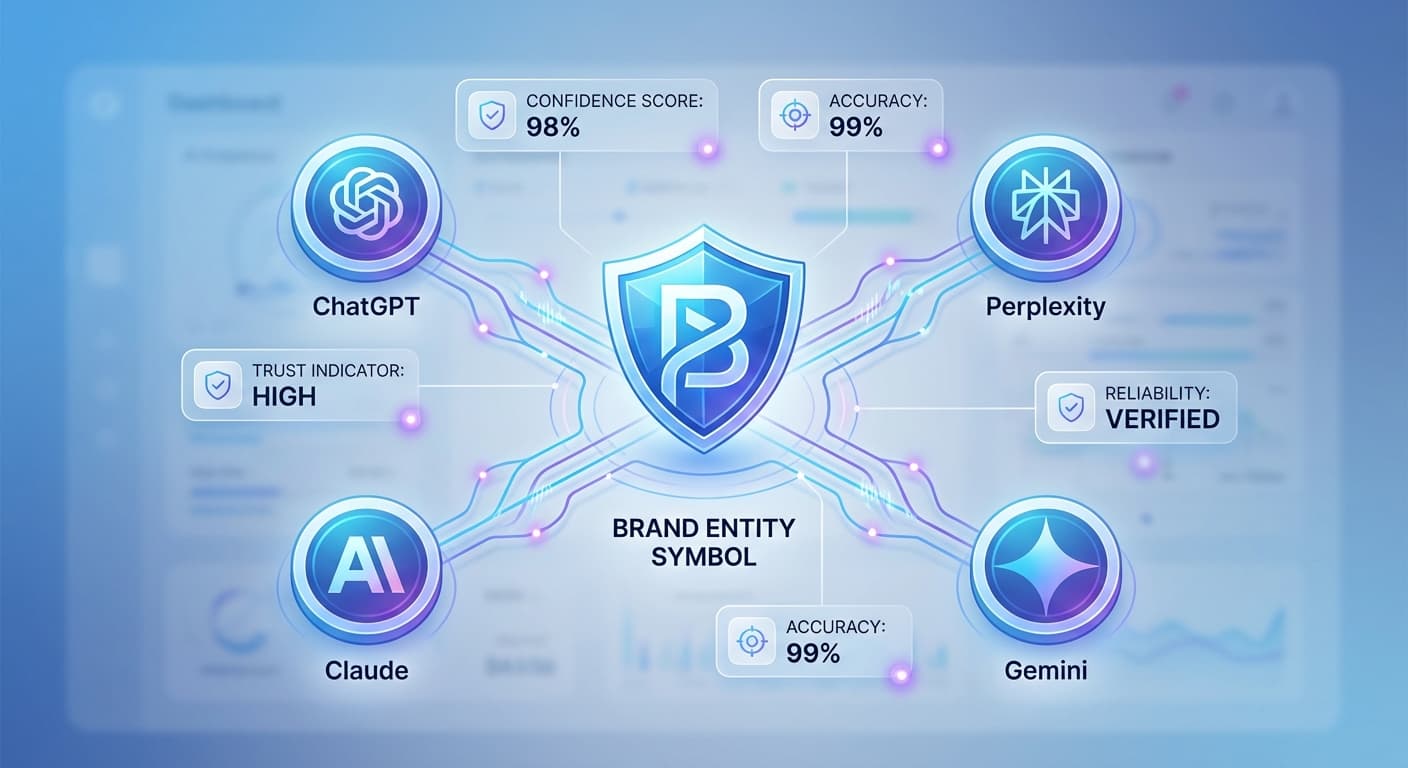
Tools like Citescope Ai help you understand these nuances by analyzing how different AI platforms interpret and cite your content, allowing you to optimize for multiple engines simultaneously.
Measuring Success in the New Paradigm
Key Performance Indicators
Traditional SEO metrics don't fully capture AI search success. Focus on:
Tracking and Analytics
Monitoring AI citations requires specialized tools since traditional analytics can't track when ChatGPT or Perplexity references your content. Citation tracking helps you understand:
How Citescope Ai Helps You Win the Single-Answer Game
Building a winner-takes-all strategy requires understanding how AI assistants evaluate and cite content. Citescope Ai provides the insights and tools you need:
GEO Score Analysis: Our proprietary scoring system evaluates your content across five critical dimensions that AI assistants prioritize—AI Interpretability, Semantic Richness, Conversational Relevance, Structure, and Authority—giving you a clear 0-100 score for optimization potential.
AI-Powered Rewriter: Transform existing content with one-click optimization that restructures your writing for maximum AI visibility, ensuring your content meets the specific requirements of voice search and conversational AI.
Citation Tracking: Monitor when your content gets cited by ChatGPT, Perplexity, Claude, and Gemini, giving you real-time feedback on your AI search performance and opportunities for improvement.
Multi-format Export: Download your optimized content in formats that work across all platforms—Markdown for technical documentation, HTML for web publishing, or WordPress blocks for easy content management.
The Future of Voice AI Search
As we move deeper into 2026, the winner-takes-all dynamic will only intensify. AI assistants are becoming more sophisticated in their source selection, and users are increasingly expecting immediate, authoritative answers.
The content creators who thrive will be those who understand this new paradigm and optimize specifically for single-answer dominance. This isn't about gaming the system—it's about creating genuinely valuable, authoritative content that deserves to be the one source AI assistants cite.
Ready to Optimize for AI Search?
The shift to voice AI search and single-answer results isn't coming—it's here. With over 2.8 billion monthly AI search queries and growing, the opportunity to capture this traffic is massive, but the window for easy wins is closing fast.
Citescope Ai helps you build your winner-takes-all strategy with tools designed specifically for the AI search era. Start with our free tier (3 optimizations per month) to see how your content performs, or upgrade to Pro ($39/month) for unlimited optimization and comprehensive citation tracking.
Don't let your valuable content become invisible in the age of AI. Start optimizing for single-answer dominance today with Citescope Ai.