How to Build a Voice Search Optimization Strategy When Traditional Keyword Tools Fall Short
How to Build a Voice Search Optimization Strategy When Traditional Keyword Tools Fall Short
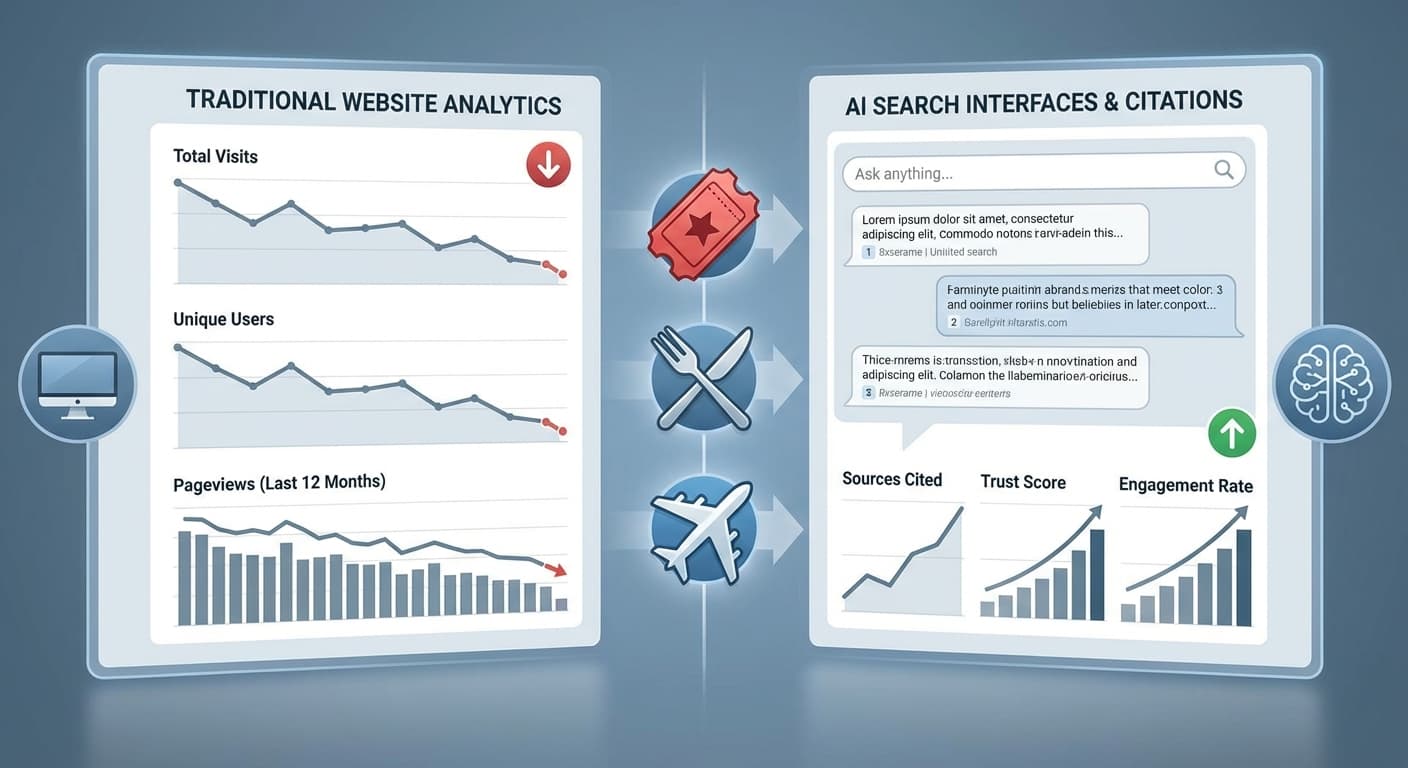
By 2026, conversational queries now account for over 30% of all global searches, with voice search leading the charge alongside AI-powered search engines like ChatGPT, Perplexity, and Claude. Yet here's the kicker: traditional keyword research tools like SEMrush and Ahrefs were built for the era of typed, fragmented queries like "best pizza NYC"—not the natural, conversational language that defines modern search behavior.
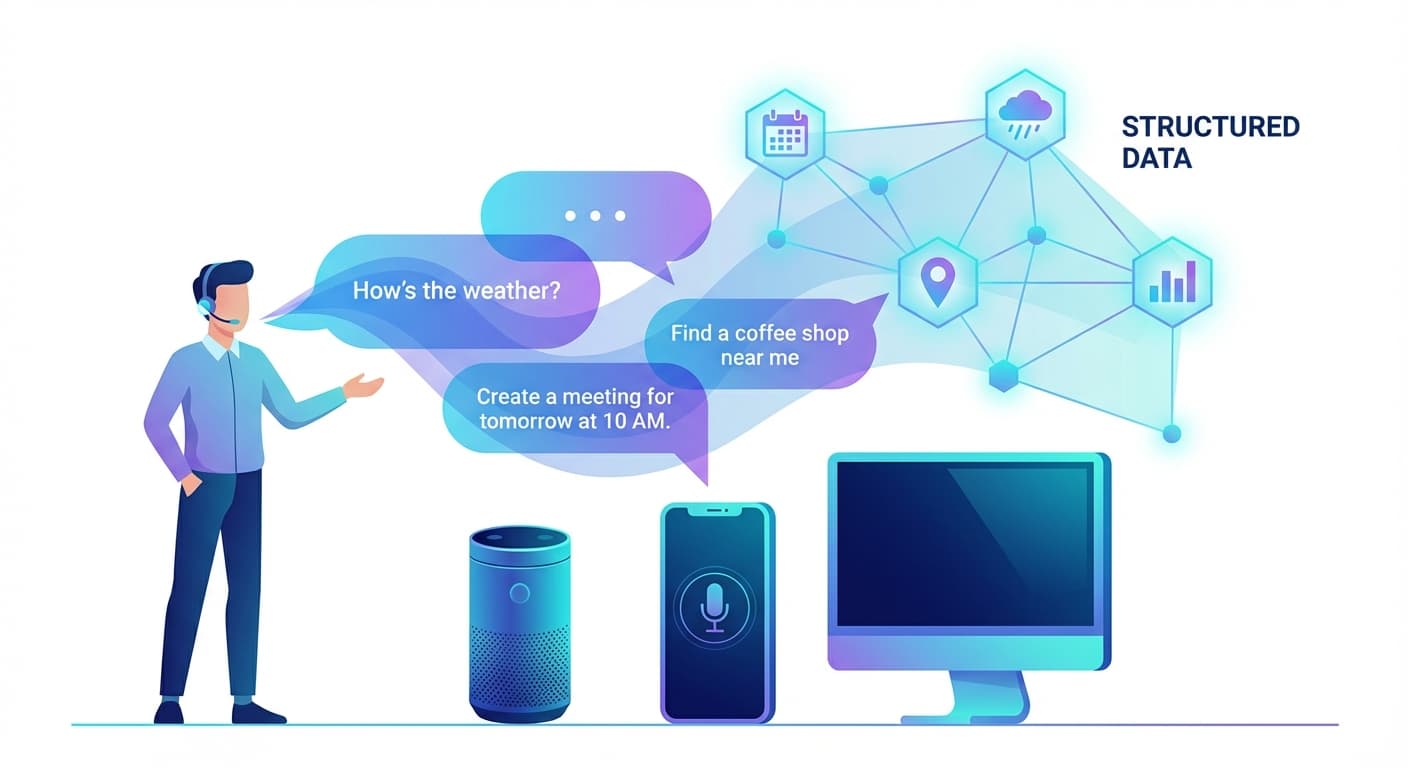
When someone asks their smart speaker "What's the best pizza place in New York City that delivers late night and has good vegetarian options?", traditional keyword tools can't capture the complexity, context, and intent behind these natural language patterns. This creates a massive blind spot for content creators trying to optimize for the way people actually search today.
The Evolution Beyond Traditional Keywords
The shift to conversational search isn't just about voice assistants anymore. With over 500 million weekly ChatGPT users and 70% of Gen Z preferring AI search over traditional search engines, the landscape has fundamentally changed. People are asking complete questions, providing context, and expecting nuanced, conversational responses.
Why Traditional Keyword Tools Miss the Mark
Traditional keyword research tools face several limitations in the conversational search era:
Building Your Conversational Search Strategy
1. Understand Natural Language Query Patterns
Start by analyzing how your audience actually speaks about your industry. This goes beyond keyword research into conversation research:
Question Mapping: Document the full questions people ask, not just keywords:
Context Layers: Identify the situational context that triggers searches:
2. Leverage AI-Powered Research Methods
Since traditional tools fall short, embrace AI-powered research approaches:
AI Conversation Mining: Use ChatGPT, Claude, or Gemini to simulate customer conversations and discover natural language patterns. Ask these tools:
Social Listening 2.0: Monitor conversational platforms where people ask questions naturally:
3. Create Conversation-Optimized Content
Transform your content strategy to match conversational search patterns:
Answer-First Structure: Lead with direct answers, then provide supporting detail
Natural Language Integration: Write as if you're having a conversation:
Semantic Richness: Build content that AI engines can understand and cite:
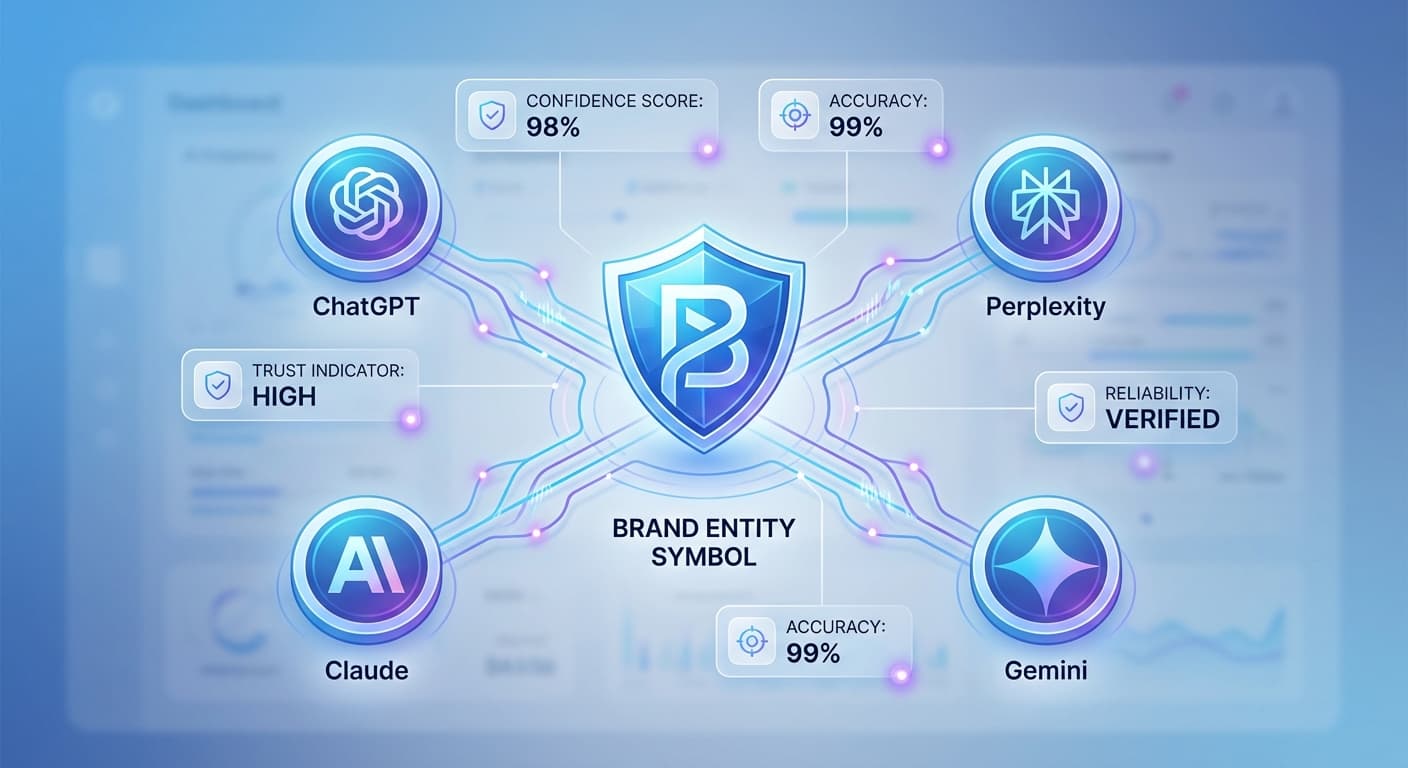
For content creators looking to optimize for this new landscape, tools like Citescope Ai are becoming essential. Its GEO Score analyzes content across AI Interpretability, Semantic Richness, and Conversational Relevance—exactly the factors that matter for voice and AI search optimization.
4. Optimize for Intent Clusters, Not Keywords
Move beyond individual keywords to intent clusters that capture the full conversation:
Primary Intent: The main goal of the search
Supporting Intent: Related questions and concerns
Context Intent: Situational factors that influence the search
Example Intent Cluster for "Home Office Setup":
5. Test and Refine Using AI Search Engines
Regularly test your content against actual AI search behavior:
Direct Testing: Ask AI engines the questions your audience would ask and see:
Performance Tracking: Monitor how your content performs in conversational search results. This is where citation tracking becomes crucial—understanding when and how AI engines reference your content provides invaluable optimization insights.
Advanced Strategies for 2026
Multi-Modal Optimization
With AI search engines becoming more sophisticated, optimize for multiple input types:
Conversational Content Formats
Develop content formats that mirror natural conversation:
AI Engine Relationships
Build content that AI engines prefer to cite:
Measuring Success in Conversational Search
Traditional metrics like keyword rankings become less relevant. Focus on:
Citation Frequency: How often AI engines reference your content
Answer Quality: Whether your content provides complete, useful responses
Conversation Flow: How well your content addresses follow-up questions
User Satisfaction: Whether people find complete answers without additional searches
How Citescope Ai Helps
While traditional keyword tools struggle with conversational search, Citescope Ai is purpose-built for the AI search era. Its GEO Score specifically measures how well your content performs across the five dimensions that matter most for AI visibility:
The platform's Citation Tracker shows exactly when ChatGPT, Perplexity, Claude, and Gemini cite your content, giving you real-world feedback on your conversational search optimization efforts. The AI Rewriter can transform traditional keyword-focused content into conversation-optimized formats with a single click.
Ready to Optimize for AI Search?
The future of search is conversational, and traditional keyword tools weren't built for this reality. As AI search continues to grow—now accounting for over 30% of all queries—content creators need strategies and tools designed for natural language optimization.
Citescope Ai helps bridge this gap with AI-native optimization tools that actually understand how modern search works. Start with their free tier (3 optimizations per month) to see how your content performs in the AI search landscape, or upgrade to Pro ($39/month) for comprehensive optimization and citation tracking.
Try Citescope Ai free today and discover how your content can thrive in the age of conversational search.