How to Build a Zero-Click Revenue Recovery Strategy When AI Answers Resolve 40% of Commercial Queries Without Sending Traffic
How to Build a Zero-Click Revenue Recovery Strategy When AI Answers Resolve 40% of Commercial Queries Without Sending Traffic
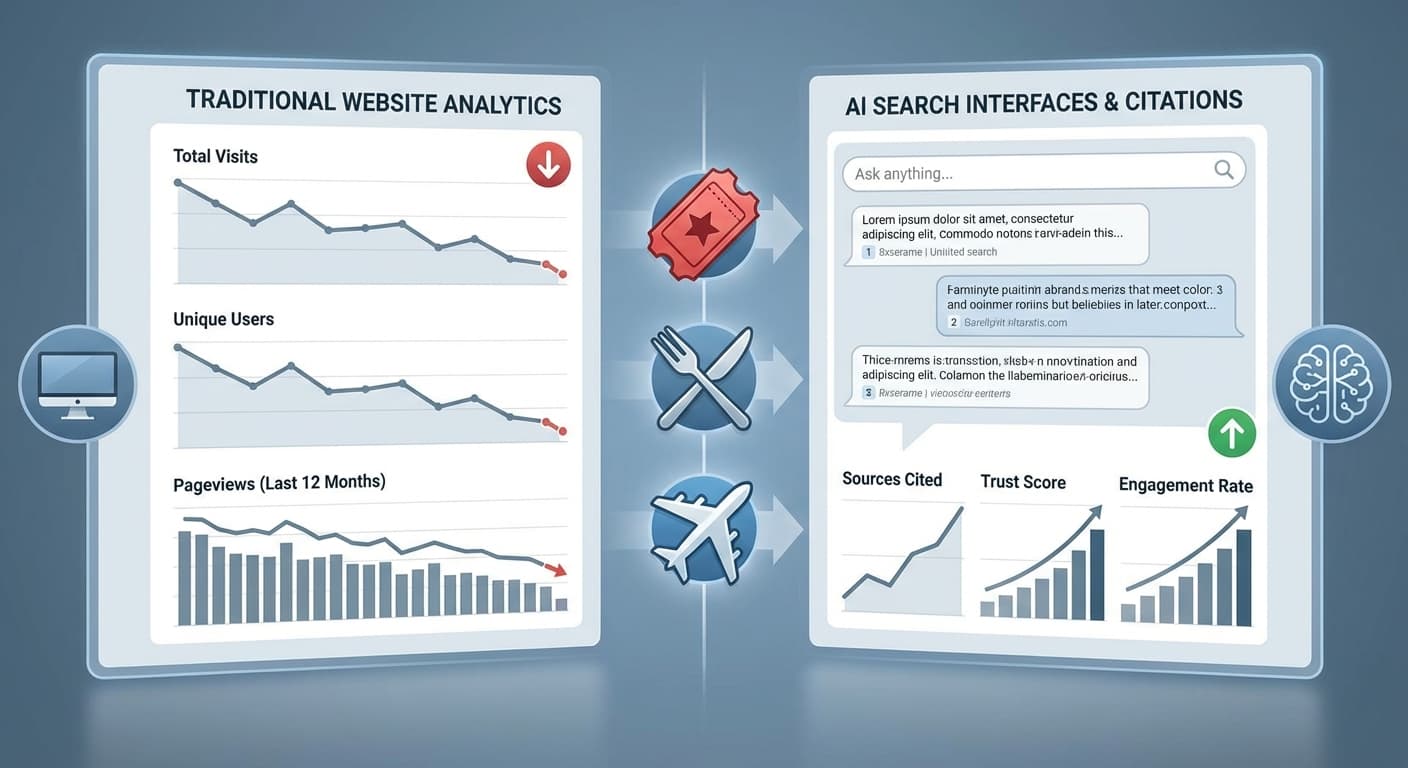
Picture this: Your marketing dashboard shows impressive search visibility gains, but your website traffic is mysteriously flat. Your content ranks for hundreds of commercial keywords, yet leads aren't converting at expected rates. Welcome to the reality of 2026, where AI search engines now resolve 40% of commercial queries without sending users to your website.
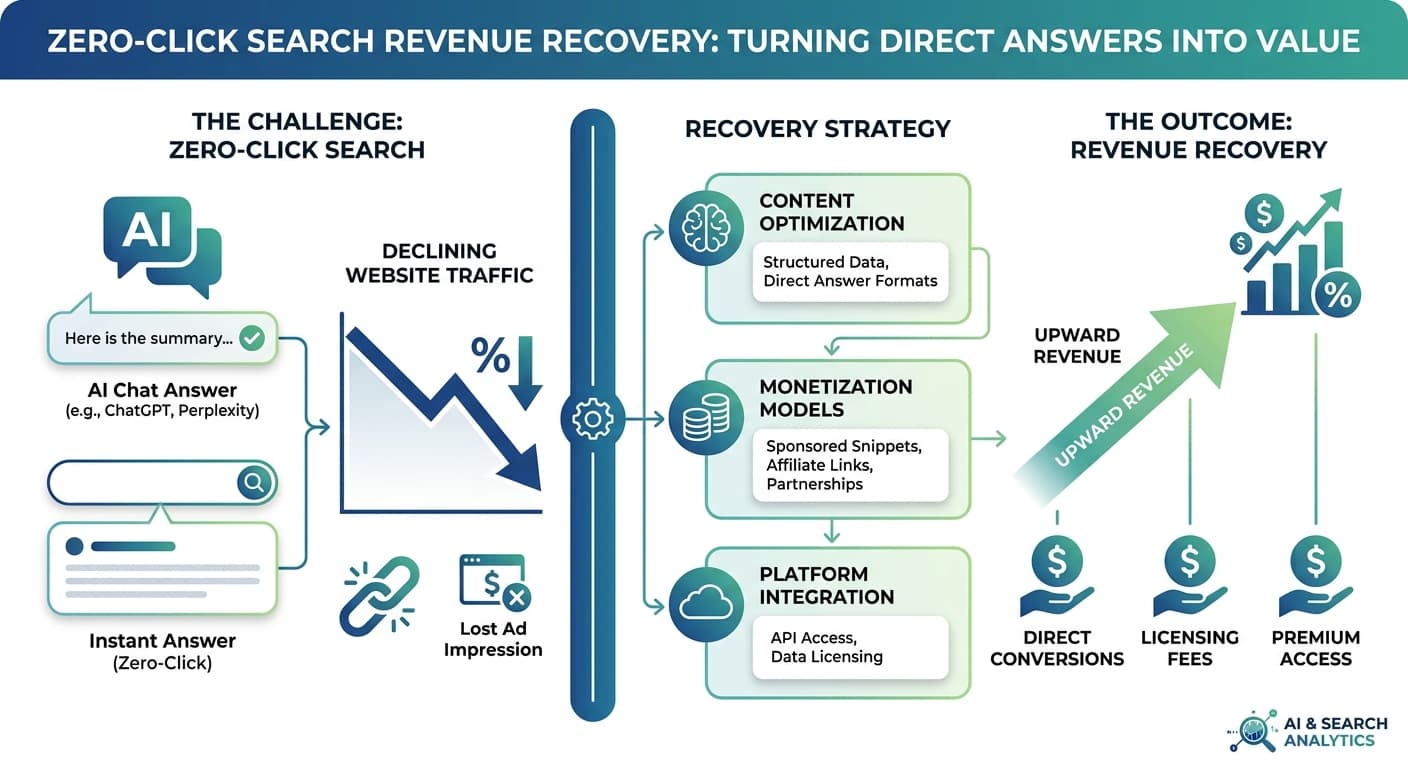
If finance is still expecting traditional organic pipeline growth while users increasingly get their answers directly from ChatGPT, Perplexity, and Claude, you're facing the zero-click revenue challenge that's reshaping digital marketing.
The Zero-Click Revenue Reality in 2026
The numbers tell a stark story. According to recent search behavior studies, AI-powered search engines now handle over 500 million weekly queries, with 70% of Gen Z users preferring AI responses over traditional search results. Even more concerning for marketers: 40% of commercial intent queries are now resolved without a single click to source websites.
This shift creates a fundamental disconnect between traditional SEO metrics and actual revenue impact. Your content might be perfectly optimized for Google, but if it's not visible in AI search results, you're missing nearly half of your potential audience.
What This Means for Revenue Attribution
Traditional marketing attribution models break down in the zero-click environment. When prospects research solutions through AI conversations rather than clicking through to your website, standard analytics can't track the customer journey. This creates three critical challenges:
Building Your Zero-Click Revenue Recovery Strategy
1. Shift from Traffic-Based to Authority-Based Metrics
The first step in recovery is changing how you measure success. Instead of focusing solely on clicks and sessions, prioritize metrics that indicate AI visibility and authority building:
2. Create Citation-Optimized Content Assets
AI engines prioritize specific content characteristics when selecting sources to cite. Your content needs to be:
Structured for AI Consumption
Semantically Rich
Authoritative and Credible
3. Develop AI-First Content Formats
Certain content types perform exceptionally well in AI search results:
Comparison Frameworks
Create detailed comparison content that helps AI engines provide balanced responses to "vs" queries. Include pros, cons, use cases, and pricing information.
Process Documentation
Step-by-step guides and tutorials are heavily cited by AI engines. Break down complex processes into digestible steps with clear outcomes.
Definition Libraries
Comprehensive glossaries and definition pages become go-to sources for AI engines explaining industry concepts.
4. Implement Brand Injection Strategies
Since users won't always click through, your brand needs to be embedded within the AI response itself:
5. Build AI-Trackable Conversion Paths
When direct attribution breaks down, create alternative paths to measure AI influence:
Branded Search Monitoring
Track increases in branded search volume following AI citation periods. Users who discover you through AI often search directly later.
Survey Attribution
"How did you first hear about us?" surveys now need AI-specific options to capture this influence.
Content Watermarking
Include unique phrases or concepts in your content that you can track when prospects mention them in sales conversations.
Advanced Recovery Tactics
Competitive Citation Analysis
Monitor which of your competitors' content gets cited most frequently in AI responses. Identify gaps in your content coverage and create superior resources that AI engines will prefer.
Multi-Engine Optimization
Different AI engines have varying content preferences:
Thought Leadership Amplification
Position executives as quotable sources by:
Measuring Zero-Click Revenue Impact
Leading Indicators
Revenue Correlation Metrics
How Citescope Ai Helps Recover Zero-Click Revenue
Navigating this new landscape requires specialized tools designed for AI search optimization. Citescope Ai addresses each component of zero-click revenue recovery:
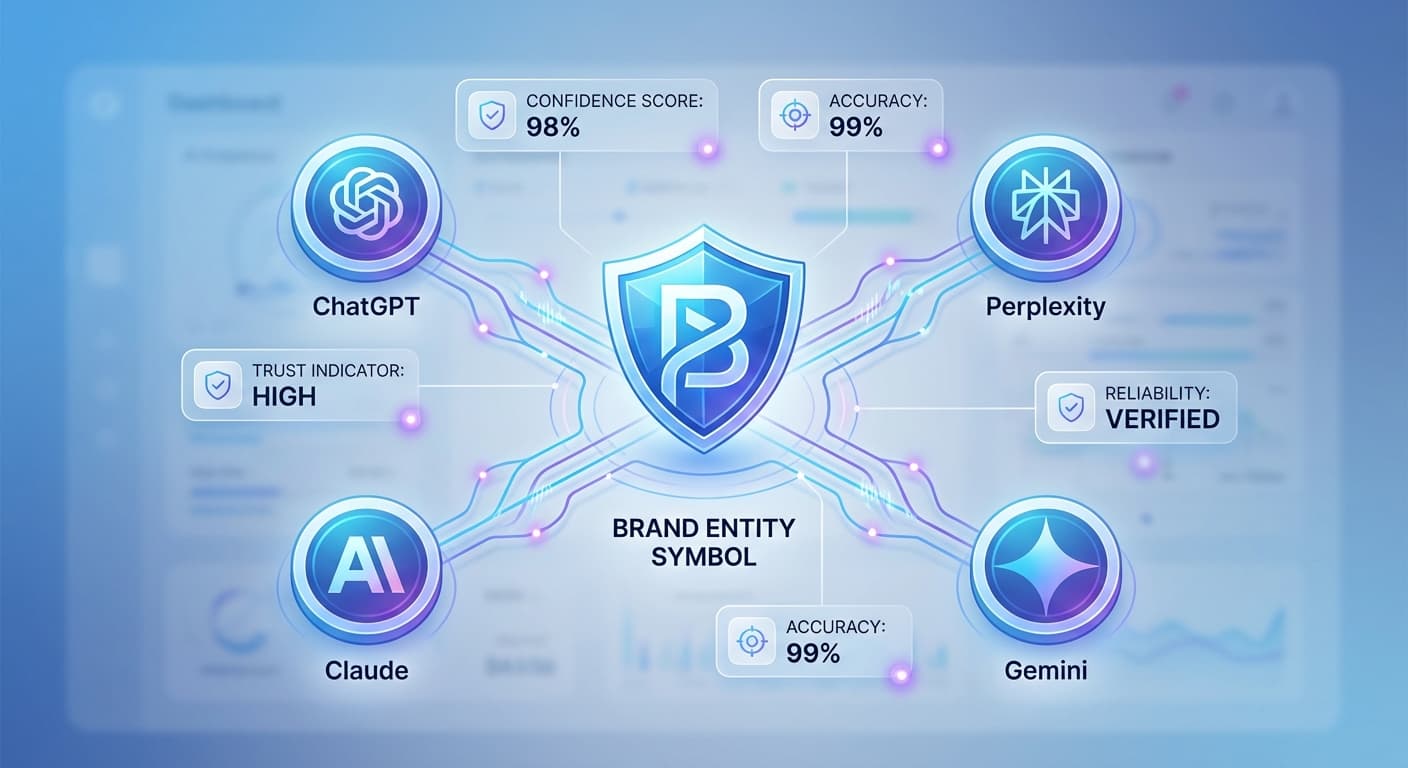
Citation Tracking: Monitor when ChatGPT, Perplexity, Claude, and Gemini cite your content, providing the visibility you need to measure AI influence.
GEO Score Analysis: Evaluate your content across five critical dimensions that determine AI visibility, identifying exactly what needs optimization.
AI-Powered Rewriting: Transform existing content with one-click optimization that restructures information for maximum AI engine appeal.
Multi-Format Export: Deploy optimized content across all your channels with native WordPress, HTML, and Markdown exports.
The platform's comprehensive approach means you can finally connect AI visibility to revenue impact, giving finance the attribution data they need while recovering lost commercial opportunities.
Implementation Timeline
Week 1-2: Audit current content for AI optimization opportunities
Week 3-4: Implement citation tracking and baseline measurement
Week 5-8: Optimize high-value commercial content for AI engines
Week 9-12: Launch brand injection and authority building initiatives
Month 4+: Scale successful tactics and refine based on citation data
Ready to Optimize for AI Search?
The zero-click challenge isn't going away – it's accelerating. While your competitors struggle with disappearing traffic, you can build a revenue recovery strategy that thrives in the AI-first search environment.
Citescope Ai provides everything you need to track, optimize, and prove the value of your AI search presence. Start with our free tier to optimize your first three pieces of content, then scale with our Pro plan as you build your citation strategy.
Try Citescope Ai free today and transform your zero-click challenge into a competitive advantage.