How to Build an Agentic Search Shopping Assistant Defense Strategy When 75 Million Daily Users Rely on Google AI Mode But Your Product Never Appears in Conversational Purchase Recommendations
How to Build an Agentic Search Shopping Assistant Defense Strategy When 75 Million Daily Users Rely on Google AI Mode But Your Product Never Appears in Conversational Purchase Recommendations
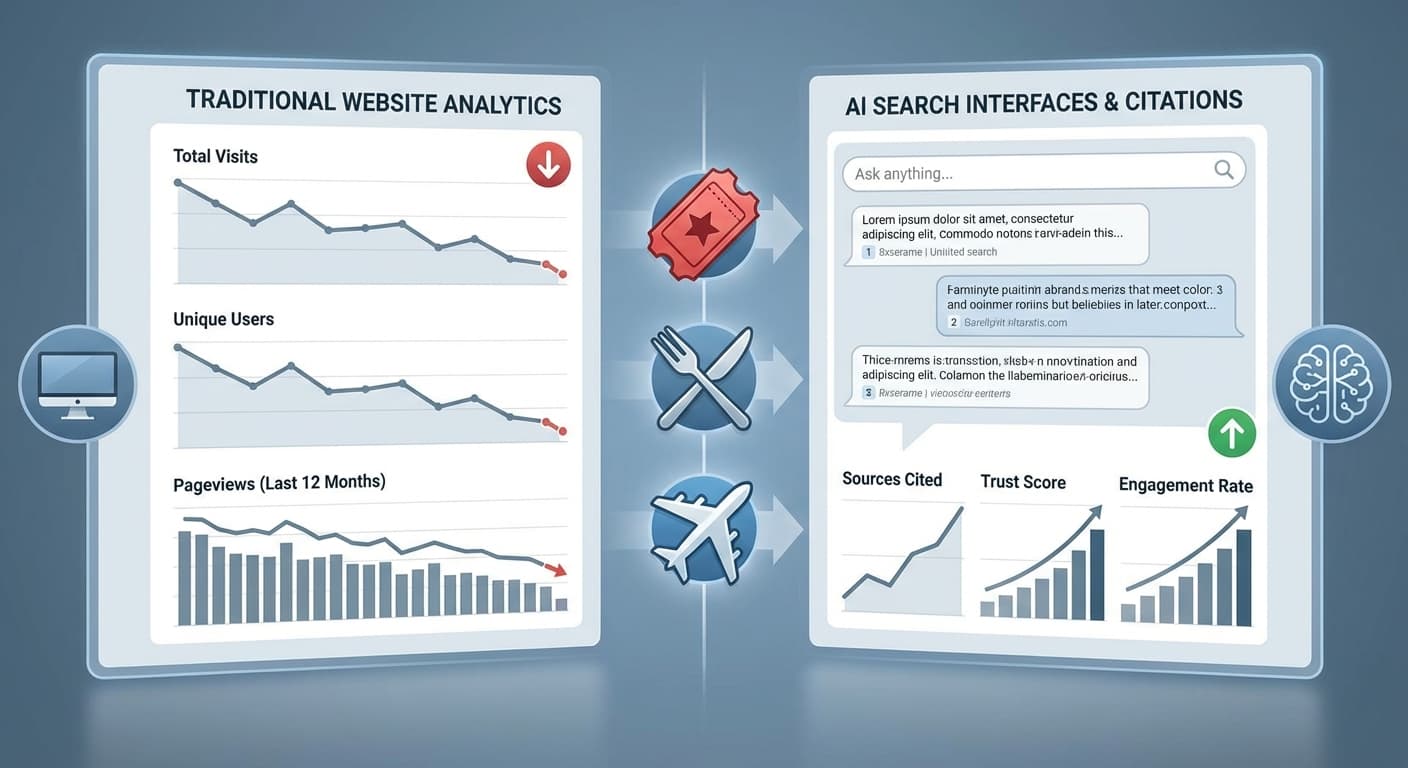
With over 75 million daily users now relying on Google's AI-powered search mode for purchasing decisions, a shocking reality has emerged: 68% of e-commerce brands report their products never appear in AI-generated shopping recommendations, despite having strong traditional SEO rankings. As conversational commerce reshapes the digital marketplace in 2026, being invisible to agentic search shopping assistants isn't just a missed opportunity—it's an existential threat to your business.
The Rise of Agentic Search Shopping Assistants
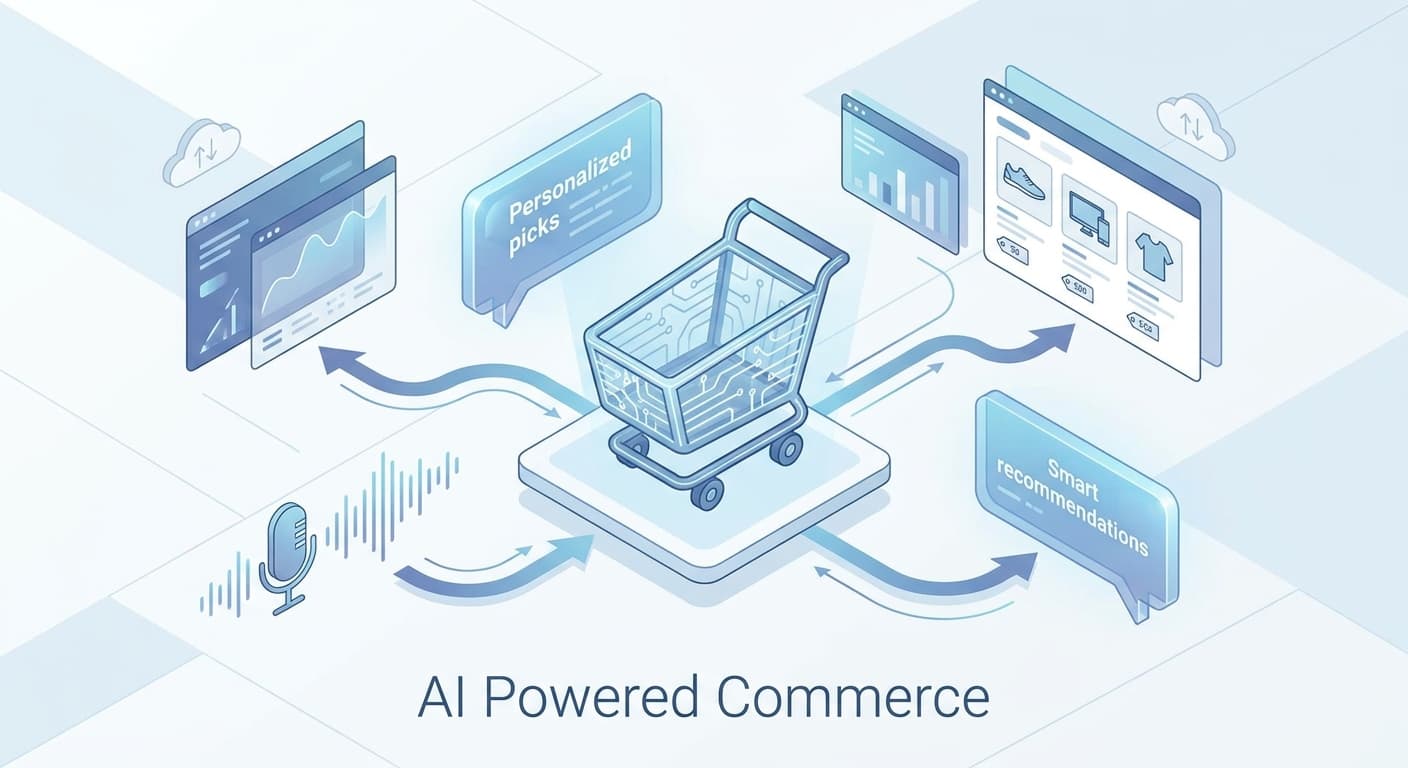
The shopping landscape has fundamentally shifted. Today's consumers increasingly turn to AI assistants like Google's AI mode, ChatGPT's shopping features, and Perplexity's commerce recommendations to guide their purchasing decisions. These agentic systems don't just return a list of links—they actively recommend specific products, compare options, and even facilitate transactions.
Recent data shows that:
Yet most brands remain woefully unprepared for this shift.
Why Traditional SEO Falls Short for Agentic Shopping
Your traditional SEO strategy—the one that ranks you #1 for "best wireless headphones"—may be completely useless in the age of agentic search. Here's why:
The Conversation Context Problem
AI shopping assistants don't just look at keywords. They analyze:
The Structured Data Gap
While traditional SEO focuses on ranking for broad terms, AI assistants need rich, structured information about:
The Authority Challenge
AI systems prioritize authoritative, comprehensive content that can confidently answer user questions. Surface-level product pages optimized for keywords simply don't provide the depth AI assistants need to make recommendations.
Building Your Agentic Search Defense Strategy
1. Create AI-Interpretable Product Content
Your product descriptions need to speak AI's language. This means:
Structured Product Information
Comparative Context
2. Optimize for Conversational Queries
AI shopping assistants respond to natural language queries like:
To capture these queries:
Answer Specific Questions
Build Topical Authority
3. Leverage Social Proof and Authority Signals
AI assistants heavily weight trust indicators when making recommendations:
Review Optimization
Authority Building
4. Monitor and Track AI Citations
You can't optimize what you don't measure. Track:
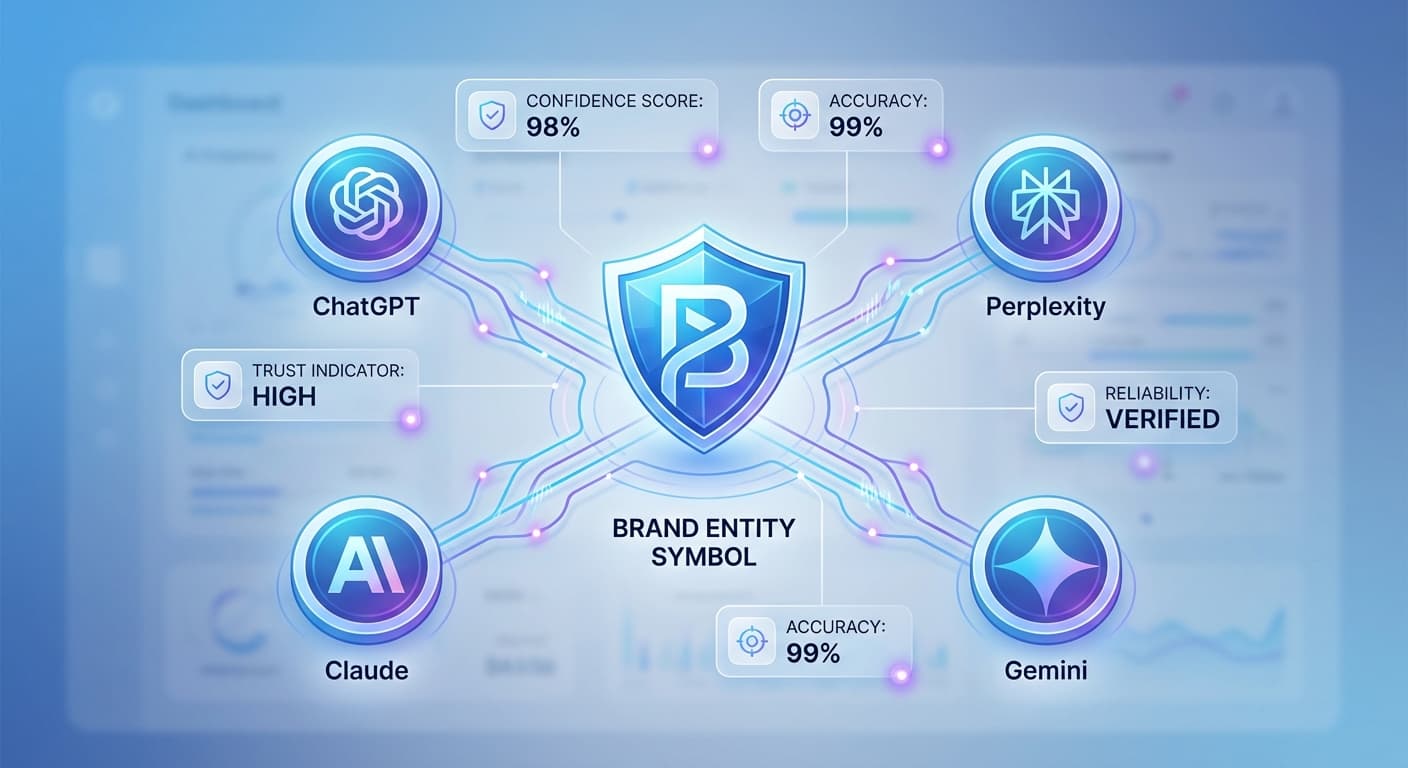
Tools like Citescope Ai's Citation Tracker can help monitor when your content gets cited by major AI platforms like ChatGPT, Perplexity, Claude, and Gemini, giving you visibility into your AI search performance.
5. Optimize Content Structure for AI Understanding
AI systems process information differently than humans. Structure your content for maximum AI comprehension:
Clear Information Hierarchy
Semantic Richness
Advanced Tactics for Agentic Shopping Optimization
Dynamic Competitive Positioning
Create content that dynamically positions your products based on different user intents:
Intent-Based Landing Pages
Develop specialized landing pages for different purchasing intents:
Conversational Commerce Content
Create content that mirrors how people actually talk about and shop for your products:
How Citescope Ai Helps Build Your Defense Strategy
Building an effective agentic search strategy requires understanding how AI systems interpret and cite your content. Citescope Ai's GEO Score analyzes your content across five critical dimensions—AI Interpretability, Semantic Richness, Conversational Relevance, Structure, and Authority—giving you a clear roadmap for optimization.
The platform's AI Rewriter can transform existing product pages and content with one-click optimization, restructuring your information to maximize AI visibility. Meanwhile, the Citation Tracker monitors when your content gets cited by major AI platforms, helping you understand what's working and what needs improvement.
For e-commerce brands serious about competing in the agentic search era, these insights are invaluable for staying visible in AI-powered shopping recommendations.
Measuring Success in Agentic Shopping
Track these key metrics to gauge your progress:
AI Citation Metrics
Engagement Metrics
Content Performance
The Cost of Invisibility
The stakes couldn't be higher. Brands that fail to adapt to agentic search risk:
Conversely, brands that master agentic search optimization often see:
Ready to Optimize for AI Search?
As agentic search shopping assistants continue to reshape commerce, the question isn't whether you should optimize for AI visibility—it's whether you can afford not to. With 75 million daily users already relying on AI-powered shopping recommendations, the time to act is now.
Citescope Ai provides the tools and insights you need to build an effective agentic search strategy. From content optimization to citation tracking, our platform helps ensure your products appear when and where it matters most. Start with our free tier and see how AI-optimized content can transform your visibility in conversational commerce.