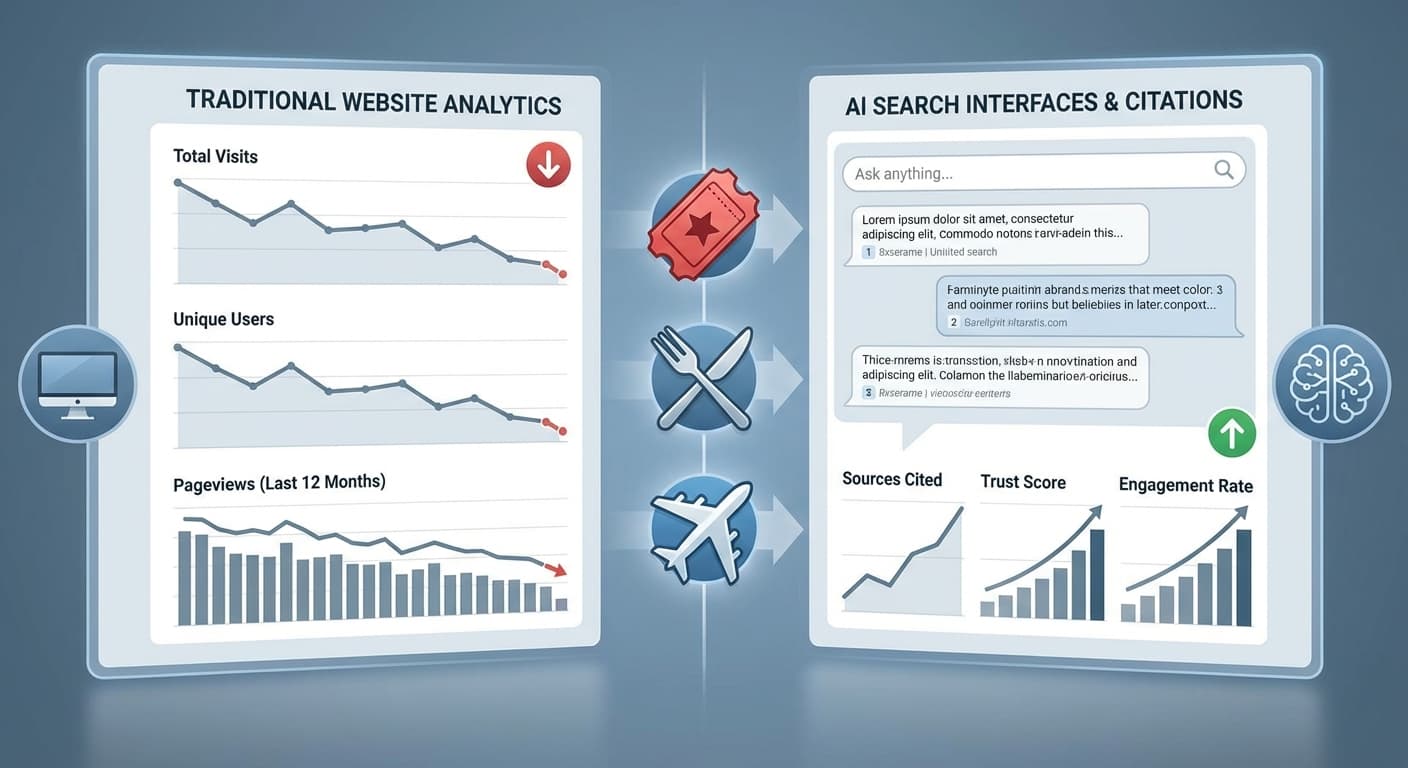
How to Build an AI Agent Purchase Readiness Strategy When 40% of Shopping Research Is Completed Inside ChatGPT and Perplexity
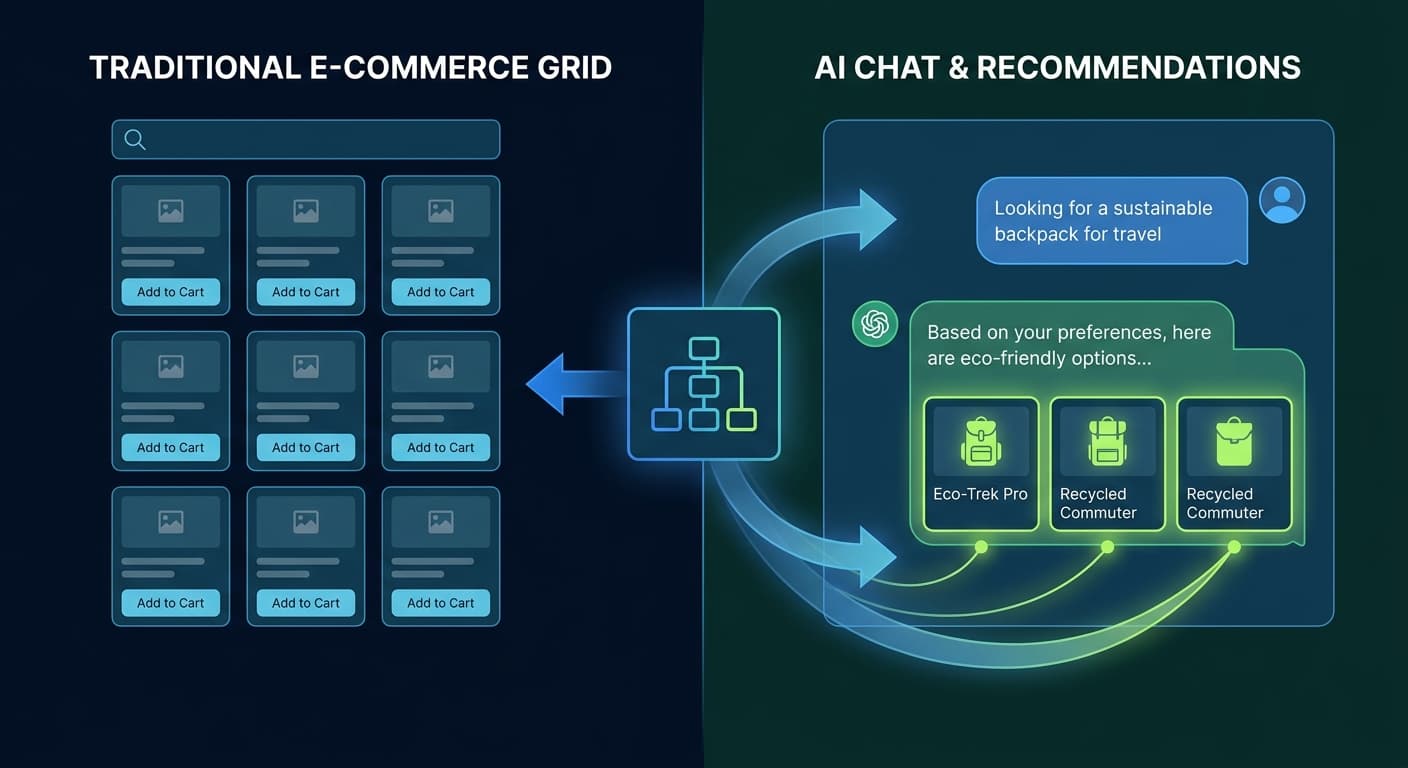
How to Build an AI Agent Purchase Readiness Strategy When 40% of Shopping Research Is Completed Inside ChatGPT and Perplexity
Imagine this: A potential customer is sitting at their desk, asking ChatGPT "What's the best project management software for a remote team of 15 people?" or querying Perplexity about "sustainable hiking boots under $200." Your product might be the perfect answer, but if your product data isn't structured for AI consumption, you're invisible in this conversation.
This isn't a hypothetical scenario—it's happening right now. Recent studies show that 40% of shopping research is now completed inside AI assistants like ChatGPT and Perplexity, yet most brands are woefully unprepared for this seismic shift in consumer behavior.
The AI Shopping Revolution Is Here
The numbers tell a stark story about how dramatically shopping behavior has changed:
Yet here's the problem: while consumers are flooding AI platforms with purchase-intent queries, most product catalogs are structured for human browsing, not AI interpretation.
Why Your Current Product Feed Is Failing AI Agents
Traditional e-commerce product feeds were designed for category pages and search filters. They typically include:
But AI agents need something entirely different. They require:
Contextual Attribute Mapping
AI assistants don't just match keywords—they understand context and intent. When someone asks "What laptop is best for video editing on a budget?", the AI needs to understand:
Semantic Richness
Instead of "Waterproof jacket," AI-optimized descriptions need semantic depth:
Conversational Context
AI agents respond to natural language queries. Your product data needs to anticipate questions like:
Building Your AI-Ready Product Feed Strategy
1. Audit Your Current Product Data Structure
Start by evaluating your existing product information:
Content Gaps Assessment:
Attribute Completeness Review:
2. Implement Structured Data Schema
AI agents rely heavily on structured data to understand product relationships and attributes:
Essential Schema Elements:
Advanced Schema Implementation:
3. Create AI-Optimized Product Descriptions
The AIDA Framework for AI:
Example Transformation:
Before: "Wireless headphones with noise cancellation and 30-hour battery life."
After: "Studio-grade wireless headphones featuring adaptive noise cancellation technology that reduces ambient sound by up to 35dB, ideal for frequent travelers and remote workers. The 30-hour extended battery life supports week-long business trips without charging, while custom-tuned 40mm drivers deliver audiophile-quality sound reproduction across all genres."
4. Implement Conversational Keywords
Optimize for how people actually ask AI assistants questions:
Natural Language Patterns:
Long-tail Conversational Queries:
5. Build Comparison and Context Libraries
AI agents excel at comparative analysis. Create structured comparison data:
Competitive Context:
Complementary Product Recommendations:
Measuring AI Agent Visibility Success
Track these key metrics to gauge your AI optimization effectiveness:
Direct AI Engagement Metrics:
Conversion Impact Indicators:
Content Performance Analytics:
Tools like Citescope Ai can help monitor when your products get cited across ChatGPT, Perplexity, Claude, and Gemini, giving you real-time visibility into your AI search performance.
Advanced AI Agent Optimization Tactics
Dynamic Content Adaptation
Implement systems that can adapt product information based on query context:
Voice and Conversational Tone
AI agents increasingly serve voice queries. Optimize for:
Multi-Modal Content Integration
Prepare for AI agents that can process multiple content types:
How Citescope Ai Helps
Optimizing product feeds for AI agents requires more than just good content—it demands understanding how AI systems interpret and rank information. Citescope Ai's GEO Score analyzes your product content across five critical dimensions that directly impact AI agent recommendations:
AI Interpretability Analysis: Evaluates how well AI systems can understand and extract key product information from your content.
Semantic Richness Assessment: Measures the contextual depth and relationship mapping in your product descriptions.
Conversational Relevance Scoring: Analyzes how well your content addresses natural language queries and customer questions.
The platform's AI Rewriter can automatically restructure your product descriptions for better AI visibility, while the Citation Tracker monitors when your products get recommended across major AI platforms.
Implementation Timeline and Priority Matrix
Phase 1 (Weeks 1-2): Foundation
Phase 2 (Weeks 3-6): Content Enhancement
Phase 3 (Weeks 7-12): Advanced Optimization
Ready to Optimize for AI Search?
The shift toward AI-powered shopping research isn't slowing down—it's accelerating. Brands that optimize their product feeds for AI agent consumption now will dominate the recommendations that drive purchase decisions.
Citescope Ai makes this transformation manageable with automated content optimization, real-time AI citation tracking, and comprehensive performance analytics. Start with our free tier to optimize your top 3 product pages and see immediate improvements in your GEO Score.
Try Citescope Ai free today and ensure your products appear in the AI conversations that matter most to your bottom line.