GEO Strategy

How to Build an AI Agent Transaction Interception Strategy When Autonomous Shopping Assistants Complete 40% of Product Research and Shortlisting Without Users Ever Visiting Your Website
May 20, 20266 min read
How to Build an AI Agent Transaction Interception Strategy When Autonomous Shopping Assistants Complete 40% of Product Research and Shortlisting Without Users Ever Visiting Your Website

How to Build an AI Agent Transaction Interception Strategy When Autonomous Shopping Assistants Complete 40% of Product Research and Shortlisting Without Users Ever Visiting Your Website

By late 2025, a seismic shift occurred in e-commerce: autonomous AI shopping assistants now handle 40% of all product research and shortlisting without users ever landing on brand websites. From ChatGPT's shopping plugin to Claude's product comparison features, consumers are increasingly bypassing traditional discovery funnels entirely. If your brand isn't visible to these AI agents, you're essentially invisible to nearly half of potential customers.

The New Reality of AI-First Commerce

The statistics are staggering. Recent data from 2025 shows that:

  • 67% of Gen Z consumers now use AI assistants for product recommendations

  • AI agents process over 2.8 billion shopping queries monthly across platforms

  • 43% of purchase decisions are influenced by AI-generated product comparisons

  • Traditional SEO traffic has declined 22% as AI search captures market share
  • This isn't just a trend—it's a fundamental restructuring of how commerce discovery works. When shoppers ask Claude "What's the best wireless headphones under $200?" or prompt Perplexity to "Compare sustainable skincare brands," your brand needs to be part of that conversation.

    Understanding AI Agent Transaction Interception

    What Is Transaction Interception?

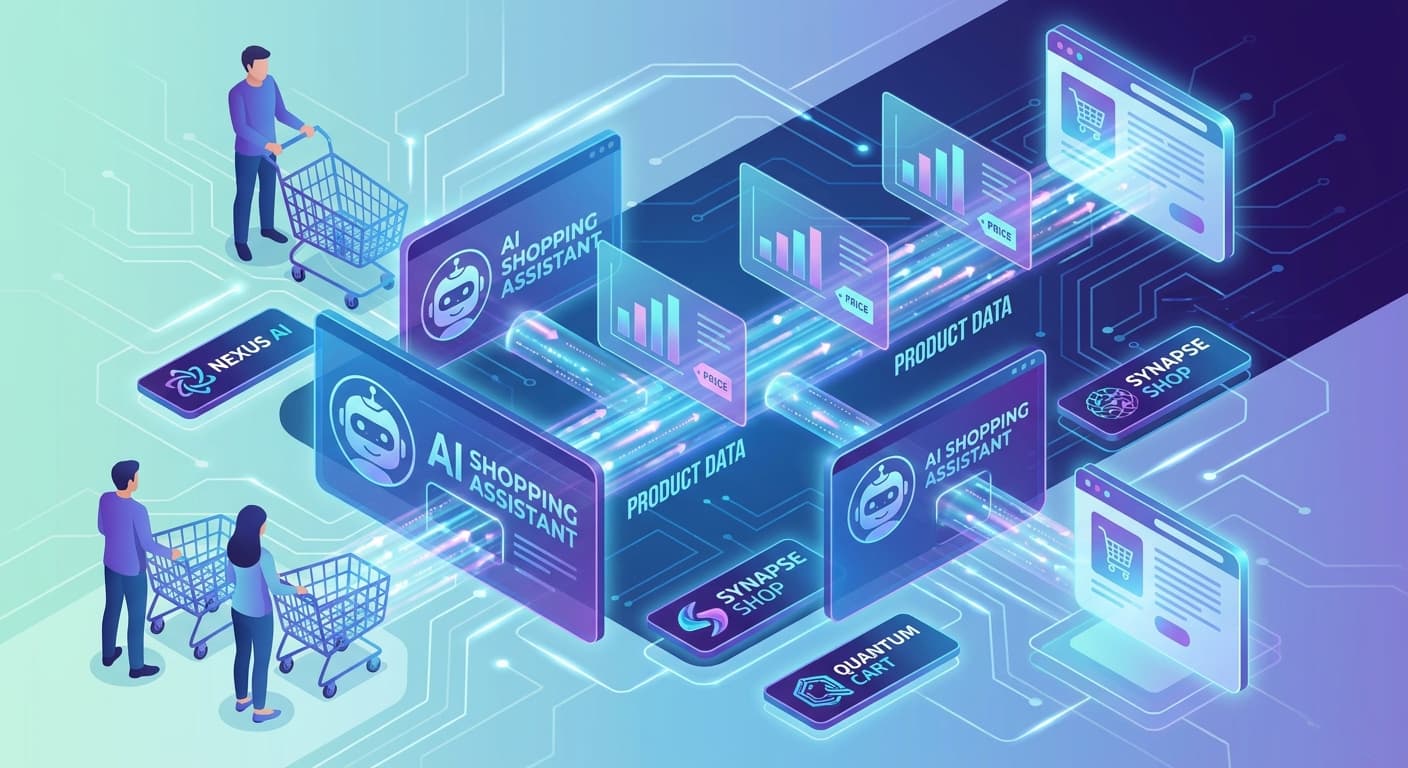
    Transaction interception occurs when AI agents gather product information, compare options, and present recommendations before consumers ever visit your website. These agents act as intermediaries, creating a new layer between brands and customers.

    The process typically follows this pattern:

  • Query Input: User asks AI for product recommendations

  • Data Aggregation: AI pulls information from multiple sources

  • Analysis & Comparison: AI evaluates options based on criteria

  • Recommendation Generation: AI presents ranked suggestions

  • Direct Action: User may purchase without visiting brand sites
  • The Challenge for Brands

    Traditional marketing assumes customers will visit your website, browse your content, and engage with your brand directly. AI agents disrupt this assumption by:

  • Condensing your entire product catalog into summary snippets

  • Comparing your offerings against competitors in real-time

  • Making recommendations based on data you may not control

  • Potentially directing traffic away from your site
  • Building Your AI Agent Interception Strategy

    1. Optimize Product Data for AI Consumption

    AI agents need structured, comprehensive product information to recommend your offerings effectively. This means going beyond basic SEO to create AI-friendly data:

    Essential Product Data Elements:

  • Detailed specifications and features

  • Clear pricing and availability information

  • Use cases and problem-solving benefits

  • Comparison advantages over competitors

  • Customer satisfaction metrics and reviews
  • Implementation Tips:

  • Use structured data markup (JSON-LD) for all product pages

  • Create comprehensive FAQ sections addressing common queries

  • Develop detailed product comparison charts

  • Include technical specifications in easily parseable formats
  • 2. Create AI-Optimized Content Hubs

    Develop content specifically designed to be cited by AI agents. These hubs should answer the exact questions AI assistants receive:

    Content Types That Get Cited:

  • "Best [product category] for [specific use case]" guides

  • Detailed product comparison articles

  • Problem-solution mapping content

  • Technical specification databases

  • User guide and troubleshooting resources
  • 3. Implement Conversational Commerce Elements

    Since AI agents process information conversationally, structure your content to match natural language patterns:

  • Use question-and-answer formats

  • Include conversational transitions between topics

  • Address common follow-up questions

  • Provide context for technical terms
  • 4. Develop Multi-Platform Visibility

    Ensure your brand appears across the AI platforms where your customers search:

    Platform-Specific Strategies:

  • ChatGPT: Focus on comprehensive, authoritative content that addresses specific use cases

  • Perplexity: Emphasize factual, data-driven product information with clear sources

  • Claude: Create detailed comparison content and technical specifications

  • Gemini: Optimize for local and personalized product recommendations
  • Advanced Interception Techniques

    1. Semantic Product Clustering

    Organize your products into semantic clusters that AI agents can easily understand and categorize:

  • Group products by use case rather than just category

  • Create clear hierarchies of features and benefits

  • Develop cross-product relationship mapping

  • Establish clear differentiation points
  • 2. Competitive Intelligence Integration

    AI agents constantly compare options, so provide the comparison framework:

  • Create honest competitor comparison charts

  • Highlight your unique value propositions

  • Address common objections proactively

  • Provide context for pricing and features
  • 3. Real-Time Data Optimization

    Keep your product information current and comprehensive:

  • Maintain up-to-date inventory and pricing

  • Include recent customer reviews and ratings

  • Update product availability across channels

  • Monitor and respond to AI-generated summaries
  • Tools like Citescope Ai can help monitor how AI engines are interpreting and citing your product content, allowing you to optimize based on actual AI behavior rather than assumptions.

    Measuring Success in AI Agent Interception

    Key Metrics to Track

    Direct AI Citations:

  • Frequency of brand mentions in AI responses

  • Position in AI-generated product lists

  • Accuracy of AI-presented information
  • Indirect Impact Metrics:

  • Changes in branded search volume

  • Direct traffic patterns from AI platforms

  • Conversion rates from AI-referred traffic
  • Competitive Intelligence:

  • Share of voice in AI recommendations

  • Comparison frequency with competitors

  • AI-perceived brand positioning
  • Attribution Challenges

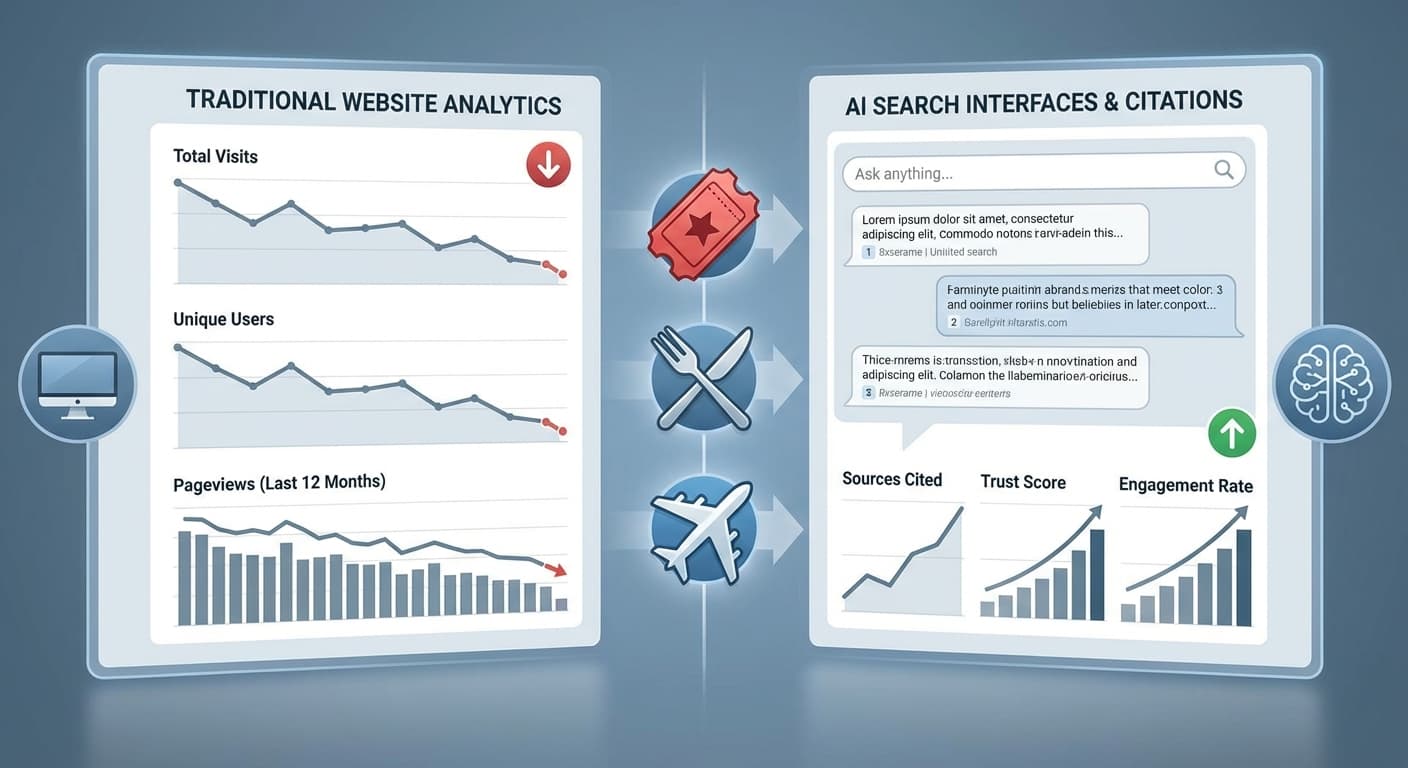
    Traditional analytics may not capture AI agent influence. Consider:

  • Implementing AI-specific tracking parameters

  • Monitoring brand mention sentiment in AI responses

  • Tracking assisted conversions from AI interactions

  • Analyzing changes in customer acquisition patterns
  • Future-Proofing Your Strategy

    Emerging Trends to Watch

  • Autonomous Purchase Agents: AI that can complete transactions independently

  • Personalized AI Recommendations: More sophisticated user profiling

  • Voice Commerce Integration: AI agents handling voice-based shopping

  • Cross-Platform AI Shopping: Unified AI experiences across devices
  • Preparing for Evolution

  • Build flexible content systems that adapt to new AI capabilities

  • Develop direct relationships with AI platform providers

  • Invest in structured data and API accessibility

  • Create feedback loops for continuous optimization
  • How Citescope Ai Helps

    Navigating AI agent interception requires sophisticated monitoring and optimization. Citescope Ai provides the tools needed to succeed in this new landscape:

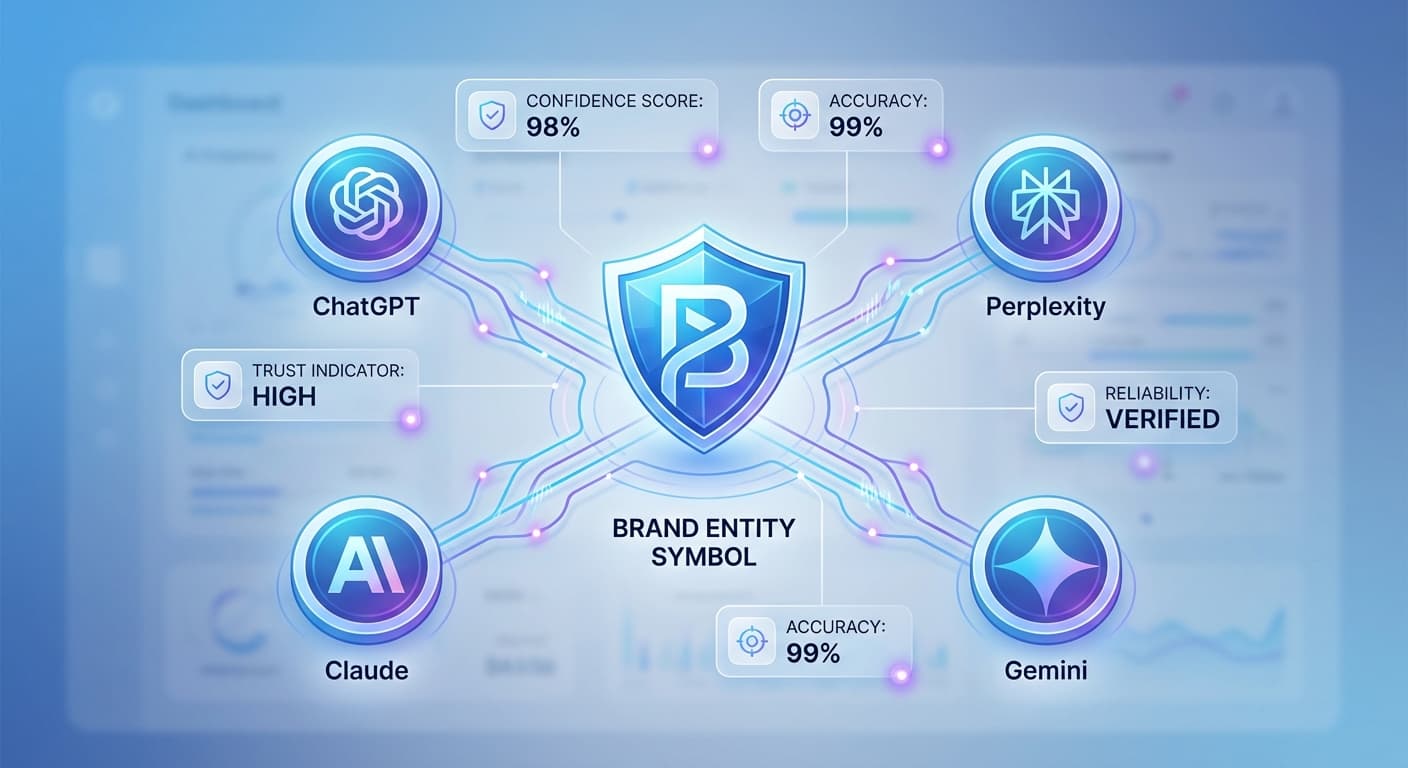
  • Citation Tracking: Monitor when and how AI agents cite your product content across ChatGPT, Perplexity, Claude, and Gemini

  • GEO Score Analysis: Evaluate your product pages across the 5 dimensions AI engines prioritize for recommendations

  • AI Rewriter: Optimize product descriptions and comparison content for better AI visibility with one-click restructuring

  • Multi-Platform Monitoring: Track your brand's presence and positioning across all major AI shopping platforms
  • With real-time insights into AI behavior, you can adjust your interception strategy based on actual performance data rather than guesswork.

    Ready to Optimize for AI Search?

    As autonomous shopping assistants handle an increasing share of product research, brands that master AI agent interception will capture disproportionate market share. Don't let 40% of your potential customers discover and compare products without encountering your brand.

    Start building your AI interception strategy today with Citescope Ai's free tier—get 3 content optimizations to see how your product pages perform in AI search engines. Transform your content from invisible to indispensable in the age of autonomous commerce.
    AI ShoppingE-commerce SEOAI Agent OptimizationDigital Marketing StrategyFuture of Commerce

    Track your AI visibility

    See how your content appears across ChatGPT, Perplexity, Claude, and more.

    Start for Free