How to Build an AI Citation Fragmentation Dashboard When You're Losing 35% of Clicks Across Multiple LLM Platforms But Can't Track Which AI Search Engines Are Actually Driving Brand Awareness
How to Build an AI Citation Fragmentation Dashboard When You're Losing 35% of Clicks Across Multiple LLM Platforms But Can't Track Which AI Search Engines Are Actually Driving Brand Awareness
If you're a content marketer in 2026, here's a statistic that should keep you up at night: 35% of your organic traffic is now being intercepted by AI search engines before users ever reach your website. With over 500 million weekly ChatGPT users, 200 million Perplexity searches monthly, and Claude handling enterprise queries at unprecedented scale, your content is being cited, summarized, and consumed without you even knowing it.
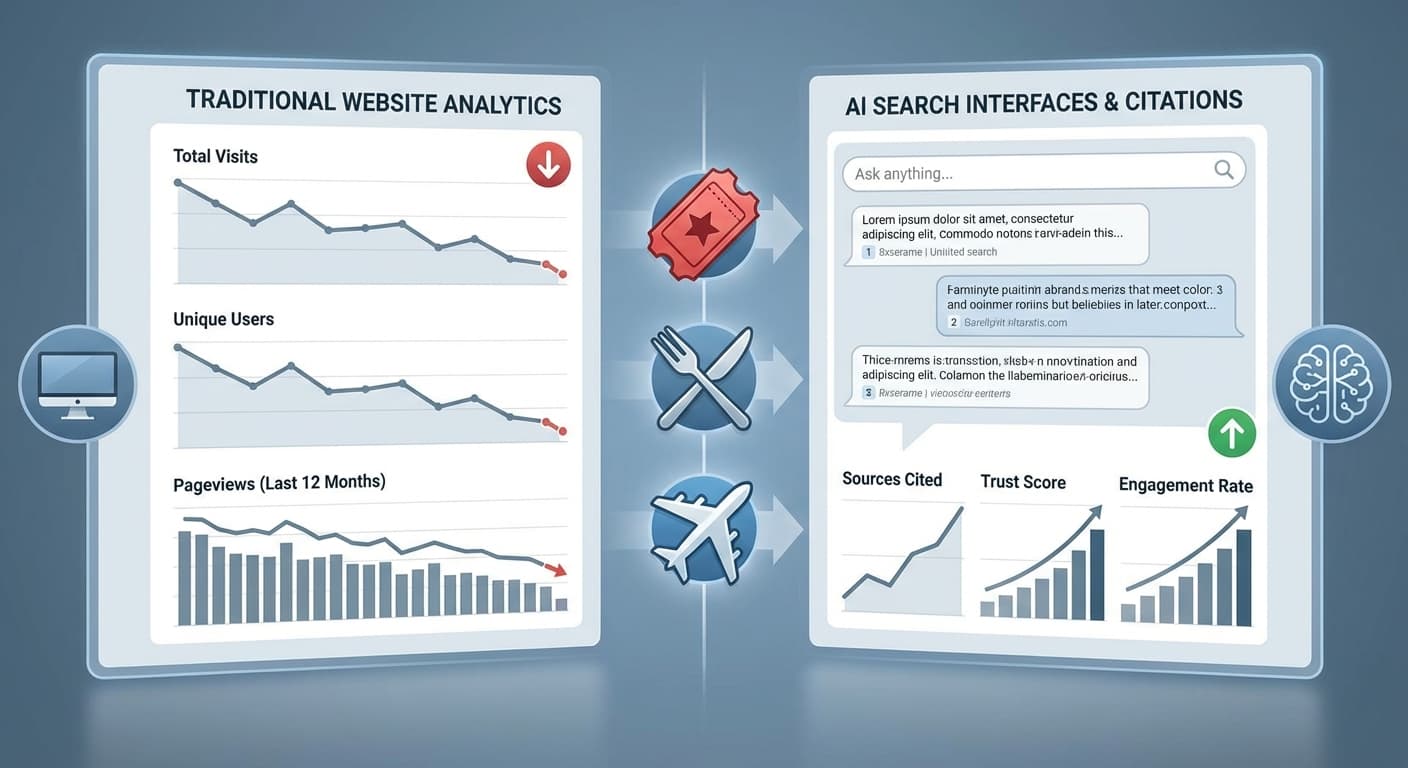
The problem? You're flying blind. While traditional analytics tell you about website visits, they can't track when ChatGPT cites your research in a conversation, when Perplexity references your guide in a synthesis, or when Claude mentions your brand in an enterprise consultation. This "citation fragmentation" across multiple LLM platforms is creating a massive blind spot in brand awareness measurement.
The Hidden Crisis of AI Citation Fragmentation
AI citation fragmentation occurs when your content gets referenced across multiple AI platforms without proper attribution tracking. Unlike traditional backlinks that you can monitor through tools like Ahrefs or SEMrush, AI citations exist in a black box of conversational responses.
Here's what's happening in 2026:
Yet most brands have zero visibility into this massive influence channel.
Why Traditional Analytics Miss AI Citations
Traditional web analytics were built for a different era. They track:
They don't track:
Building Your AI Citation Fragmentation Dashboard: A Step-by-Step Guide
Step 1: Identify Your Citation Sources
Start by mapping the AI platforms where your content might be getting cited:
Primary AI Search Engines:
Secondary AI Platforms:
Step 2: Set Up Manual Monitoring Systems
While we wait for more sophisticated tools to emerge, you can start with manual monitoring:
#### Weekly AI Search Audits
#### Content Performance Testing
Step 3: Create Citation Tracking Spreadsheets
Build a comprehensive tracking system with these columns:
Step 4: Implement Indirect Traffic Correlation
Since AI citations don't show up in referral data, look for correlation patterns:
#### Brand Search Spikes
#### Content Performance Indicators
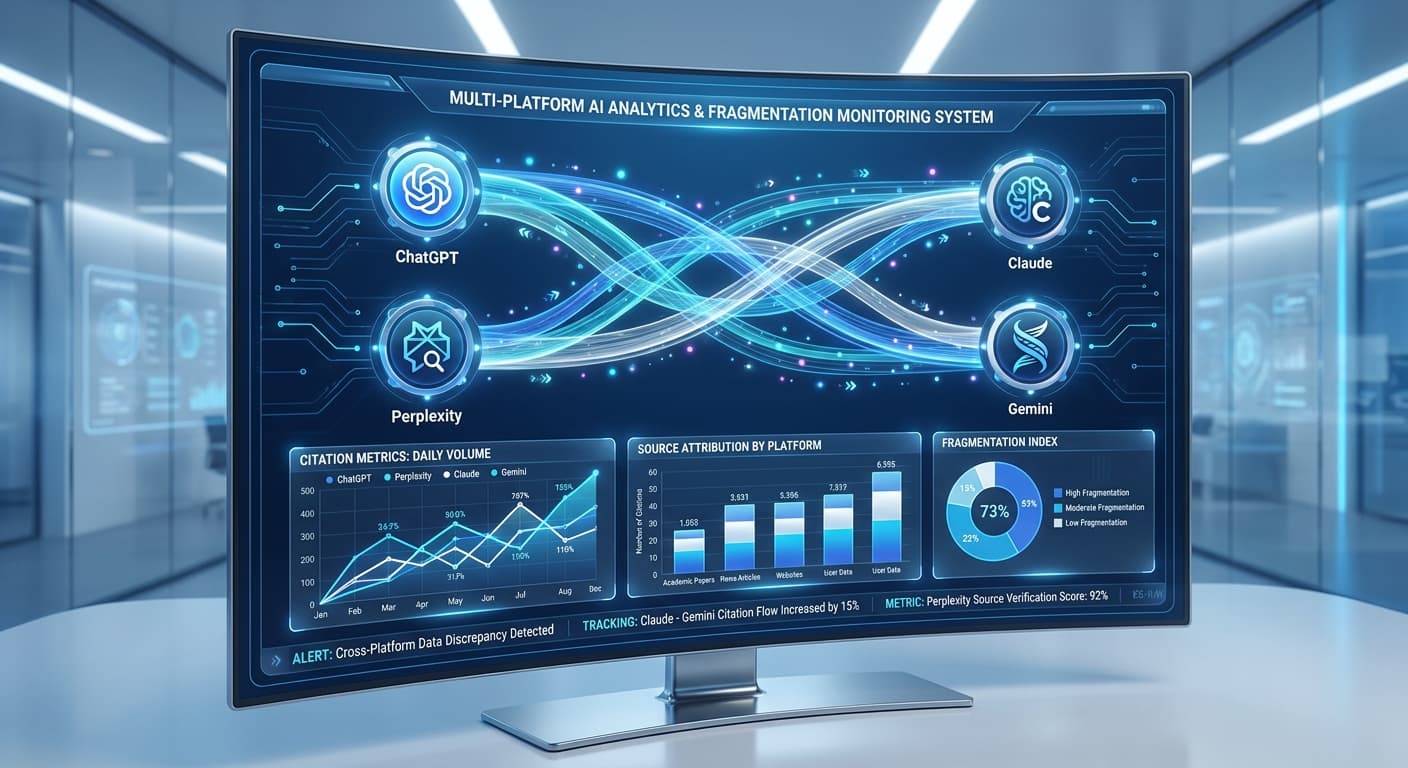
Step 5: Build Your Dashboard
Use tools like Google Looker Studio, Tableau, or even advanced Excel/Google Sheets to create visualizations showing:
Advanced Strategies for AI Citation Optimization
Content Restructuring for AI Visibility
AI engines prefer content that's:
Authority Building Tactics
Schema Markup for AI Understanding
Implement structured data to help AI engines better understand your content:
How Citescope Ai Helps Solve Citation Fragmentation
While building manual tracking systems is a good start, the complexity of monitoring citations across multiple AI platforms quickly becomes overwhelming. This is where specialized tools become essential.
Citescope Ai addresses citation fragmentation through:
Measuring ROI from AI Citation Tracking
To justify investment in AI citation monitoring, track these metrics:
Direct Metrics
Indirect Metrics
Common Pitfalls to Avoid
Over-Optimization
Don't sacrifice content quality for AI visibility. Focus on creating genuinely valuable content that naturally earns citations.
Platform Bias
Different AI engines have different preferences. Don't optimize solely for ChatGPT while ignoring Perplexity or Claude.
Manual Overwhelm
Start with monitoring your most important content pieces rather than trying to track everything at once.
Ignoring Negative Citations
Monitor not just frequency but sentiment. A negative citation can be more damaging than no citation at all.
The Future of AI Citation Tracking
As we progress through 2026, expect to see:
How Citescope Ai Helps
Building and maintaining an AI citation fragmentation dashboard manually is time-consuming and error-prone. Citescope Ai streamlines this entire process by:
Automated Monitoring: Track citations across all major AI search engines without manual checking
Content Optimization: Get specific recommendations on how to structure your content for better AI visibility using our GEO Score system
Competitive Intelligence: See which competitors are getting cited in your topic areas and identify content gaps
Unified Dashboard: Access all your AI citation data in one place with exportable reports for stakeholders
With plans starting at just $39/month (or try 3 optimizations free), Citescope Ai makes professional AI citation tracking accessible to businesses of all sizes.
Ready to Optimize for AI Search?
Stop flying blind in the age of AI search. With over 35% of your potential traffic now flowing through AI engines, you can't afford to ignore citation tracking any longer. Citescope Ai provides the comprehensive monitoring and optimization tools you need to recapture that lost visibility and turn AI citations into measurable brand awareness.
Start your free trial today and discover which AI search engines are already citing your content – and which optimization opportunities you're missing.