How to Build an AI Citation Tracking and Brand Visibility Measurement System When Traditional Organic Traffic Metrics No Longer Reflect Where Your Brand Is Actually Being Discovered
How to Build an AI Citation Tracking and Brand Visibility Measurement System When Traditional Organic Traffic Metrics No Longer Reflect Where Your Brand Is Actually Being Discovered
Did you know that 74% of Gen Z now uses AI search engines as their primary research tool, yet most brands have zero visibility into whether their content is being cited in these conversations? As we navigate 2026, the harsh reality is that traditional Google Analytics and organic traffic metrics are painting an incomplete—and often misleading—picture of your brand's true digital reach.
With over 600 million weekly ChatGPT users and Perplexity processing 250 million queries monthly, the conversation about your brand is happening in AI engines whether you're tracking it or not. The question isn't whether you need to measure AI visibility—it's how to build a system that actually captures where and how often your brand appears in AI-generated responses.
The Great Metrics Migration: Why Traditional SEO Analytics Are Failing
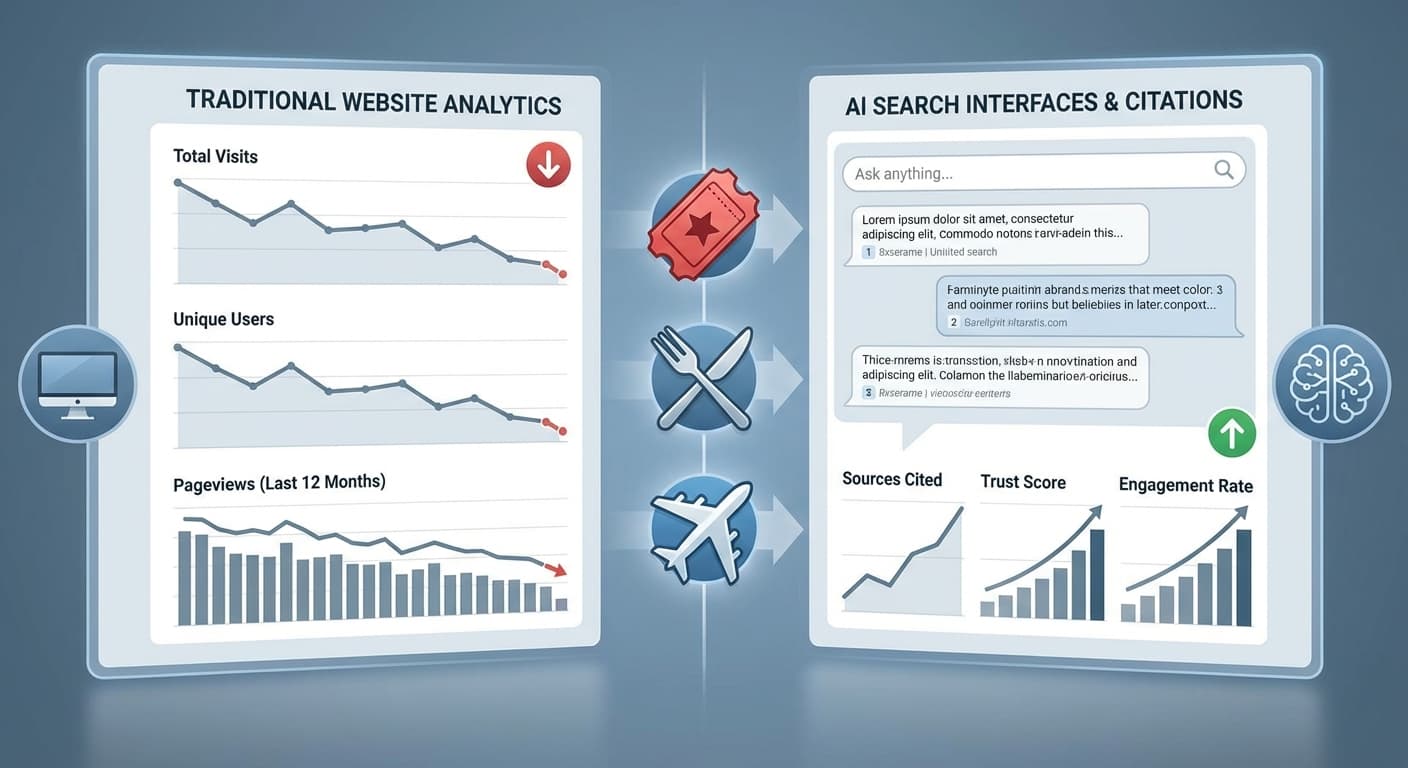
The numbers tell a stark story. While Google still processes billions of searches daily, AI search now accounts for 34% of all information-seeking queries in 2026. Yet most marketing teams are still measuring success through metrics designed for a pre-AI world:
Meanwhile, your competitors might be dominating AI search results without you even knowing it. A software company we analyzed discovered they were being cited 127 times weekly across AI platforms but capturing zero of that visibility in their traditional analytics.
Understanding the AI Citation Landscape
Before building your tracking system, it's crucial to understand how different AI engines handle citations:
ChatGPT
Perplexity
Google AI Overview (formerly SGE)
Claude and Gemini
Building Your AI Citation Tracking System: A Step-by-Step Framework
Step 1: Establish Your Baseline Metrics
Start by identifying what you actually want to measure:
Step 2: Set Up Multi-Platform Monitoring
Unlike traditional web scraping, AI citation tracking requires specialized approaches:
Manual Sampling Method:
Automated Monitoring Setup:
Step 3: Develop Citation Quality Scoring
Not all citations are created equal. Develop a scoring system:
High-Value Citations (Score: 8-10):
Medium-Value Citations (Score: 4-7):
Low-Value Citations (Score: 1-3):
Tools like Citescope Ai automatically analyze citation quality across these dimensions, providing what they call a "GEO Score" that measures your content's AI optimization across interpretability, semantic richness, conversational relevance, structure, and authority.
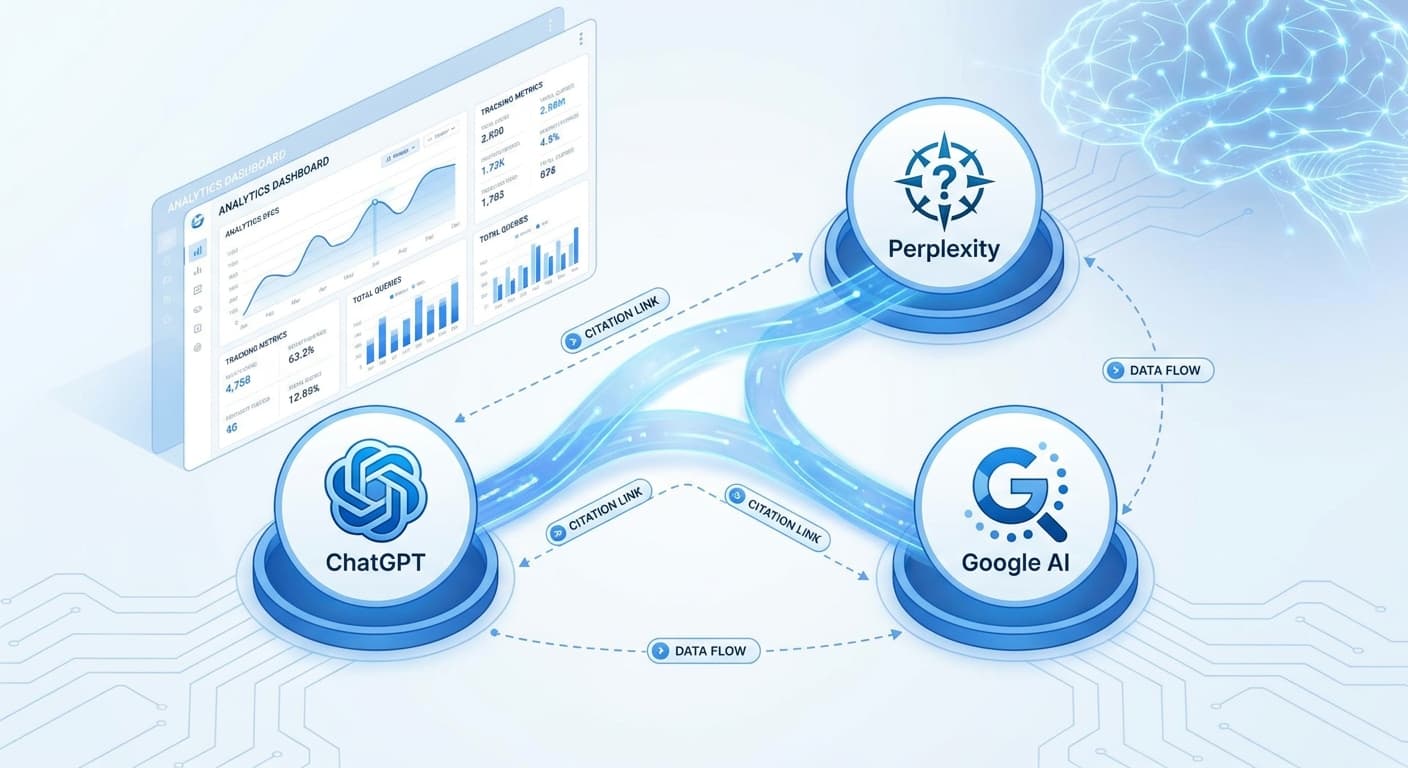
Step 4: Create Your Measurement Dashboard
Build a comprehensive dashboard that tracks:
Step 5: Implement Continuous Optimization
Use your tracking data to improve AI visibility:
Overcoming Common AI Citation Tracking Challenges
Challenge 1: Scale and Volume
With billions of AI queries daily, comprehensive tracking seems impossible. Focus on:
Challenge 2: Attribution Complexity
AI engines often synthesize information without clear attribution. Combat this by:
Challenge 3: Dynamic Citation Patterns
AI responses change based on context and user history. Address this through:
How Citescope Ai Helps
While building a manual tracking system is possible, it's time-intensive and often incomplete. Citescope Ai provides an automated solution that:
Their Citation Tracker gives you the visibility you need without the manual overhead, while their Pro plan at $39/month makes comprehensive AI citation tracking accessible to businesses of all sizes.
Building Your AI-First Content Strategy
Once your tracking system is operational, use the insights to guide content creation:
Content Format Optimization
Topic Authority Development
Cross-Platform Consistency
Measuring ROI from AI Citation Tracking
To justify investment in AI citation tracking, establish clear ROI metrics:
Ready to Optimize for AI Search?
Traditional organic traffic metrics are rapidly becoming insufficient for measuring true brand visibility in our AI-first world. The brands that build comprehensive AI citation tracking systems now will have a significant competitive advantage as AI search continues to grow.
Citescope Ai makes this transition seamless with automated citation tracking, content optimization, and competitive intelligence across all major AI search engines. Start with their free tier (3 optimizations per month) to see how your content performs in AI search, then scale up as you build your AI-first content strategy.
Don't let your brand become invisible in the conversations that matter most. Start tracking your AI citations today and reclaim your share of voice in the future of search.