How to Build an AI Crawler Precision Schema System When Unstructured Sites Lose 40% of Citation Priority to Competitors Using Machine-Readable JSON-LD Signals
How to Build an AI Crawler Precision Schema System When Unstructured Sites Lose 40% of Citation Priority to Competitors Using Machine-Readable JSON-LD Signals
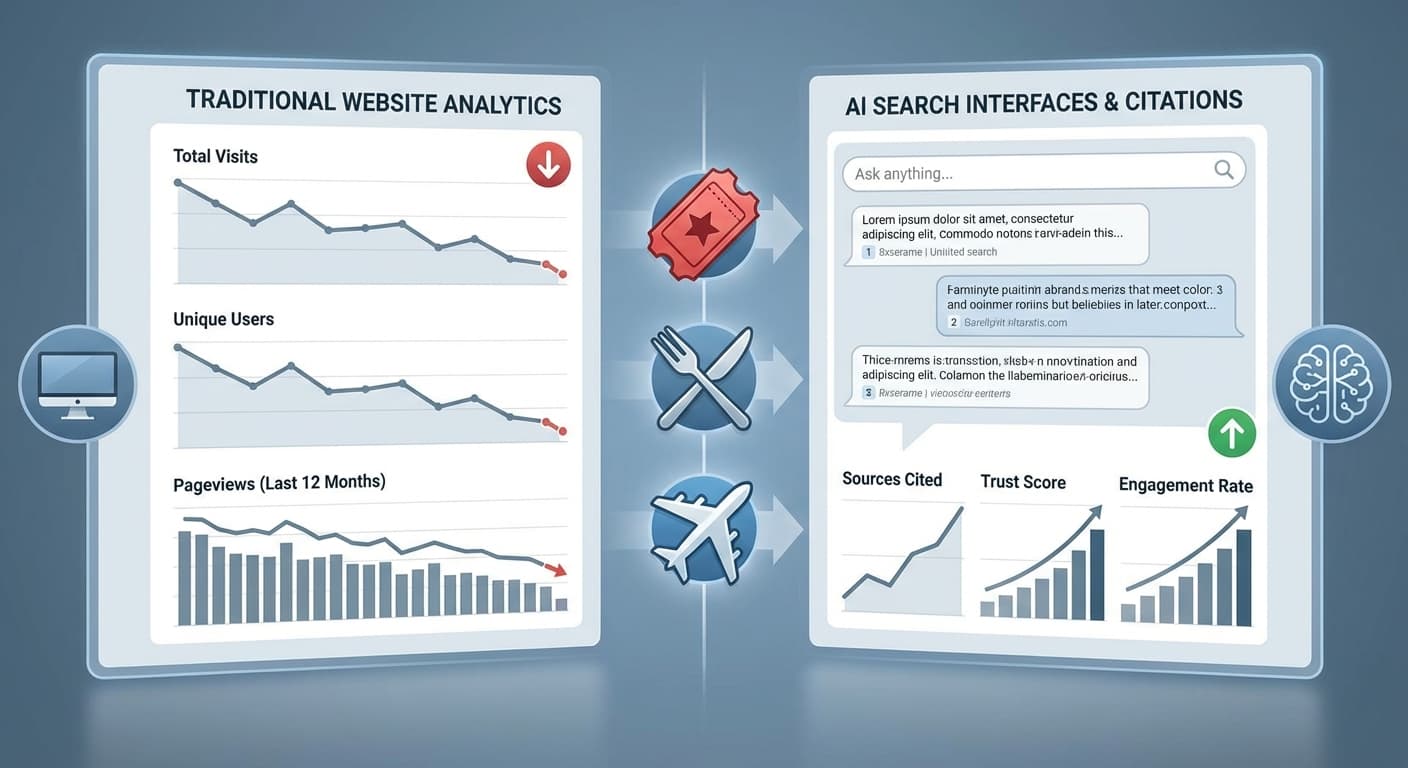
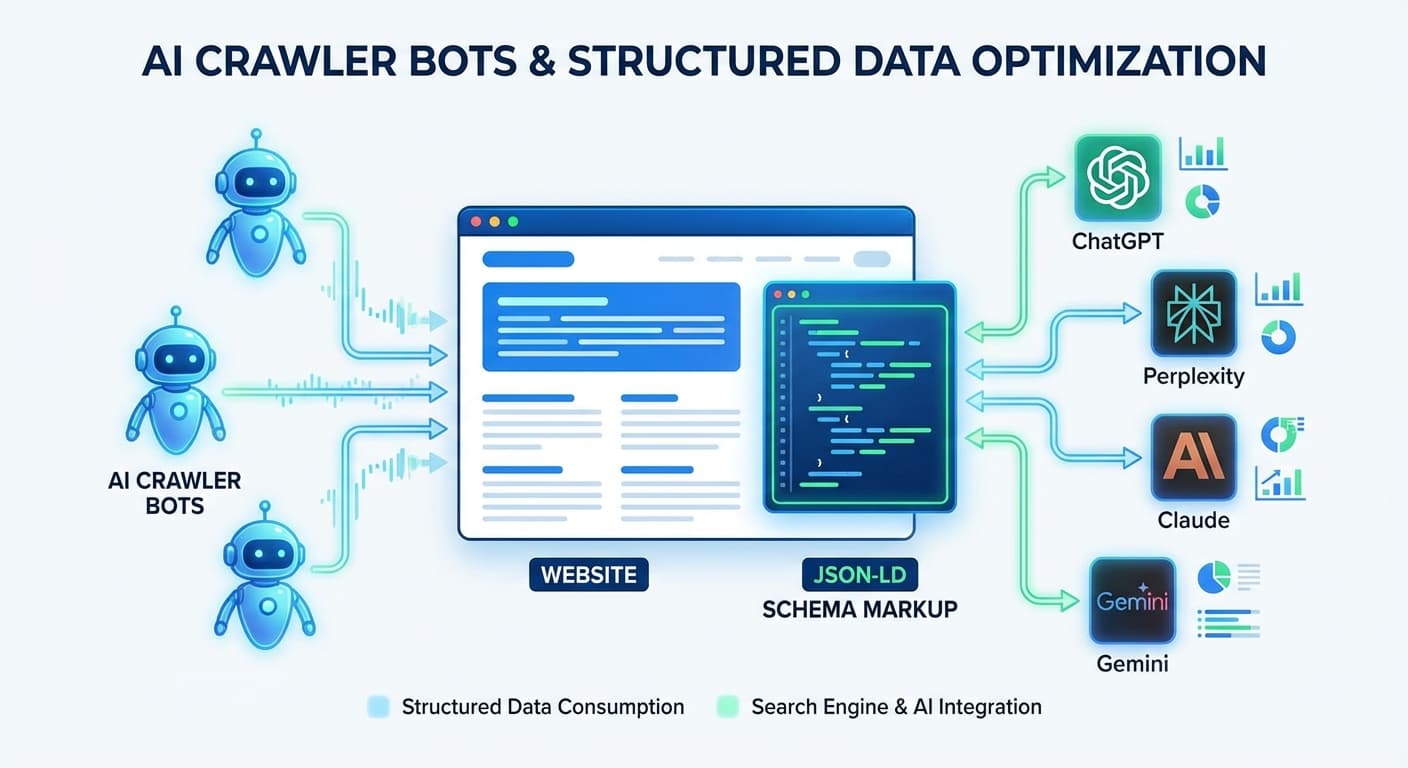
By 2026, the AI search revolution has fundamentally changed how content gets discovered and cited. Recent studies show that unstructured websites are losing 40% of their citation priority to competitors who implement machine-readable JSON-LD schema systems. With AI engines like ChatGPT, Perplexity, Claude, and Gemini processing over 12 billion queries monthly, the stakes have never been higher.
The harsh reality? If your content isn't optimized for AI crawlers through structured data, you're essentially invisible to the next generation of search.
The 2026 Citation Crisis: Why Unstructured Content Is Failing
AI search engines operate fundamentally differently from traditional search. While Google's crawlers could interpret messy HTML and guess at content meaning, AI systems demand precision. They prioritize content that's explicitly structured and semantically clear.
The numbers tell the story:
This shift isn't just about technical SEO—it's about survival in an AI-first world where being cited means being relevant.
Understanding AI Crawler Precision Requirements
AI crawlers differ from traditional search bots in three critical ways:
1. Context Dependency
AI systems need explicit context markers to understand content relationships. They can't "guess" like humans can.
2. Semantic Precision
Every piece of information needs semantic tags that clearly define its purpose and relationship to other data points.
3. Confidence Scoring
AI engines assign confidence scores to information based on how well it's structured and validated.
Building Your AI Crawler Precision Schema System
Step 1: Audit Your Current Schema Implementation
Before building, assess what you have:
Step 2: Design Your JSON-LD Architecture
A precision schema system requires strategic planning:
Core Schema Types for AI Optimization:
Article with enhanced properties for publication contextFAQPage for question-answer contentHowTo for instructional contentProduct with detailed specificationsOrganization for authority signalsEssential Properties to Include:
{
"@context": "https://schema.org",
"@type": "Article",
"headline": "Your Article Title",
"author": {
"@type": "Person",
"name": "Author Name",
"expertise": "Relevant expertise area"
},
"datePublished": "2026-01-15",
"dateModified": "2026-01-15",
"mainEntityOfPage": {
"@type": "WebPage",
"@id": "https://yoursite.com/article"
},
"citation": [
{
"@type": "CreativeWork",
"name": "Source Title",
"url": "https://source.com"
}
]
}
Step 3: Implement Dynamic Schema Generation
Static schemas won't cut it in 2026. You need dynamic generation that:
Step 4: Optimize for AI-Specific Signals
Beyond basic schema, AI crawlers look for specific signals:
Authority Indicators:
Content Quality Signals:
Step 5: Validate and Monitor Performance
Implementation is only half the battle. Continuous monitoring ensures your schema system delivers results:
Validation Tools:
Performance Metrics:
Advanced Schema Strategies for Maximum AI Visibility
Nested Schema Hierarchies
Create comprehensive content maps using nested schemas:
{
"@context": "https://schema.org",
"@type": "WebSite",
"mainEntity": {
"@type": "ItemList",
"itemListElement": [
{
"@type": "Article",
"position": 1,
"about": "AI Search Optimization"
}
]
}
}
Cross-Reference Networks
Build citation networks through schema connections:
relatedLink propertiesabout and mentions propertiescitation chainsMulti-Format Optimization
Optimize schemas for different content formats:
Common Schema Mistakes That Kill AI Visibility
Avoid these critical errors:
1. Generic Schema Implementation
Using basic schemas without content-specific properties reduces AI confidence scores.
2. Inconsistent Data Formatting
Mixed date formats, inconsistent naming, and varied structures confuse AI parsers.
3. Missing Relationship Markers
Failing to connect related content through schema relationships loses contextual authority.
4. Outdated Schema Versions
Using deprecated schema properties reduces parsing success rates.
How Citescope Ai Helps Build Your Precision Schema System
Building and maintaining a comprehensive schema system is complex, but Citescope Ai streamlines the entire process. Our GEO Score analyzes your content's AI readiness across five critical dimensions, including structural optimization that encompasses schema implementation.
The AI Rewriter automatically restructures your content with optimal schema suggestions, while our Citation Tracker monitors how well your schema-enhanced content performs across ChatGPT, Perplexity, Claude, and Gemini. You'll see exactly which schema implementations drive the most citations and can iterate accordingly.
With multi-format export options, you can implement optimized schemas across WordPress, Markdown, and HTML formats without technical complexity.
Measuring Schema System Success
Key Performance Indicators
Track these metrics to validate your schema investment:
AI Citation Metrics:
Technical Performance:
Business Impact:
ROI Calculation Framework
Measure your schema system's return on investment:
Future-Proofing Your Schema Strategy
The AI search landscape continues evolving rapidly. Stay ahead by:
Monitoring Schema.org Updates
New schema types emerge regularly. Subscribe to schema.org updates and implement relevant new types quickly.
Testing Emerging AI Platforms
As new AI search engines launch, test your schema compatibility early.
Building Flexible Systems
Design schema systems that can adapt to new requirements without complete rebuilds.
Investing in Automation
Automatic schema generation and validation reduce maintenance overhead and ensure consistency.
Ready to Optimize for AI Search?
Don't let your competitors capture 40% more citations while you struggle with unstructured content. Citescope Ai's comprehensive platform analyzes your current AI readiness, optimizes your content structure (including schema implementation), and tracks your citation performance across all major AI search engines.
Start with our free tier today—analyze up to 3 pieces of content monthly and see exactly how schema optimization impacts your AI visibility. Upgrade to Pro ($39/month) for unlimited optimizations and advanced citation tracking, or choose Enterprise ($99/month) for priority support and custom schema recommendations.
Try Citescope Ai free today and transform your content from invisible to indispensable in the age of AI search.