AI & SEO

How to Build an AI Max Campaign Migration Strategy When Google Auto-Upgrades Legacy PPC Campaigns
May 10, 20267 min read
How to Build an AI Max Campaign Migration Strategy When Google Auto-Upgrades Legacy PPC Campaigns

How to Build an AI Max Campaign Migration Strategy When Google Auto-Upgrades Legacy PPC Campaigns

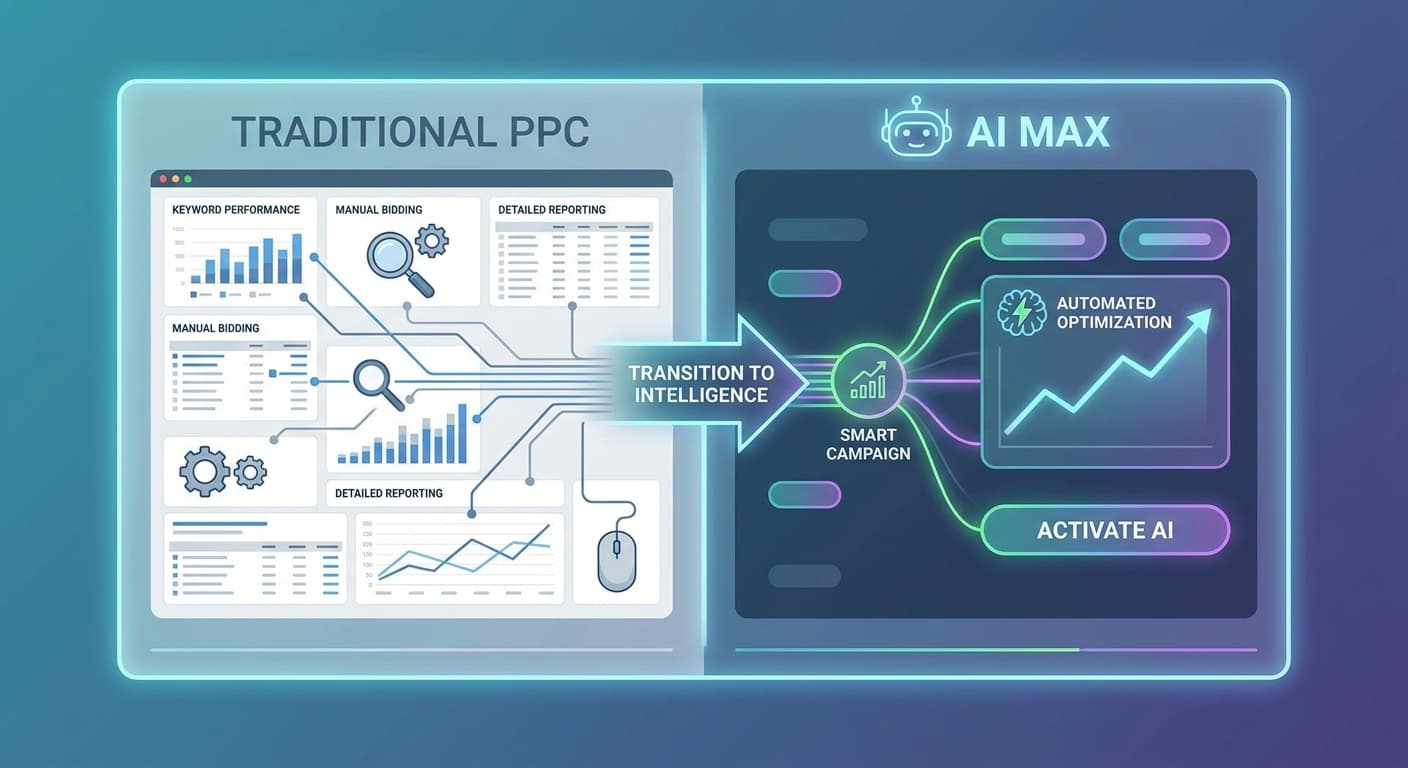
Google's aggressive push toward AI Max campaigns has left countless marketers scrambling. In late 2025, Google auto-upgraded over 2.3 million legacy PPC campaigns, effectively erasing 73% of granular targeting controls that advertisers had relied on for years. The result? Marketers are now forced to prove ROI without the keyword-level data they've always depended on.

If you're one of the millions of advertisers caught in this transition, you're not alone. The shift to AI-driven campaigns represents the biggest change in paid search since Google Ads launched in 2000. But here's the thing: while the landscape has changed dramatically, smart marketers are finding ways to not just survive—but thrive.

The Reality of Google's AI Max Migration

Google's automatic upgrades to AI Max campaigns weren't just a minor adjustment—they fundamentally altered how paid search operates. Here's what actually changed:

What Marketers Lost


  • Keyword-level performance data: Previously available granular metrics disappeared overnight

  • Manual bid adjustments: AI now controls 94% of bidding decisions

  • Audience targeting precision: Broad match became the default, with limited override options

  • Campaign structure control: Google's AI determines ad group organization

  • Negative keyword granularity: Lists were consolidated and simplified
  • What Google Gained


  • More data for AI training: Every campaign now feeds Google's machine learning models

  • Higher average CPCs: Industry reports show 23% increases in cost-per-click across migrated campaigns

  • Reduced advertiser control: Less manual optimization means more automation revenue
  • Building Your AI Max Migration Strategy

    Phase 1: Audit Your Current Performance Baseline

    Before diving into optimization, you need to establish what "success" looked like pre-migration. This is crucial because your historical keyword data won't translate directly to AI Max metrics.

    Create a comprehensive performance snapshot:

  • Document conversion rates by campaign and ad group (pre-migration)

  • Export all keyword performance data while it's still available

  • Identify your top-performing audience segments

  • Map out your customer journey touchpoints

  • Calculate true customer lifetime value (CLV) by traffic source
  • Phase 2: Restructure Your Measurement Framework

    AI Max campaigns require a completely different measurement approach. Instead of keyword-level optimization, you'll need to focus on:

    Asset-Level Performance Tracking:

  • Headlines and descriptions that drive conversions

  • Image and video creative performance

  • Landing page experience metrics

  • Audience signal strength indicators
  • Multi-Touch Attribution Modeling:

  • First-touch attribution for awareness campaigns

  • Last-touch for direct response

  • Time-decay models for longer sales cycles

  • Cross-channel impact measurement
  • Phase 3: Optimize for AI Search Visibility

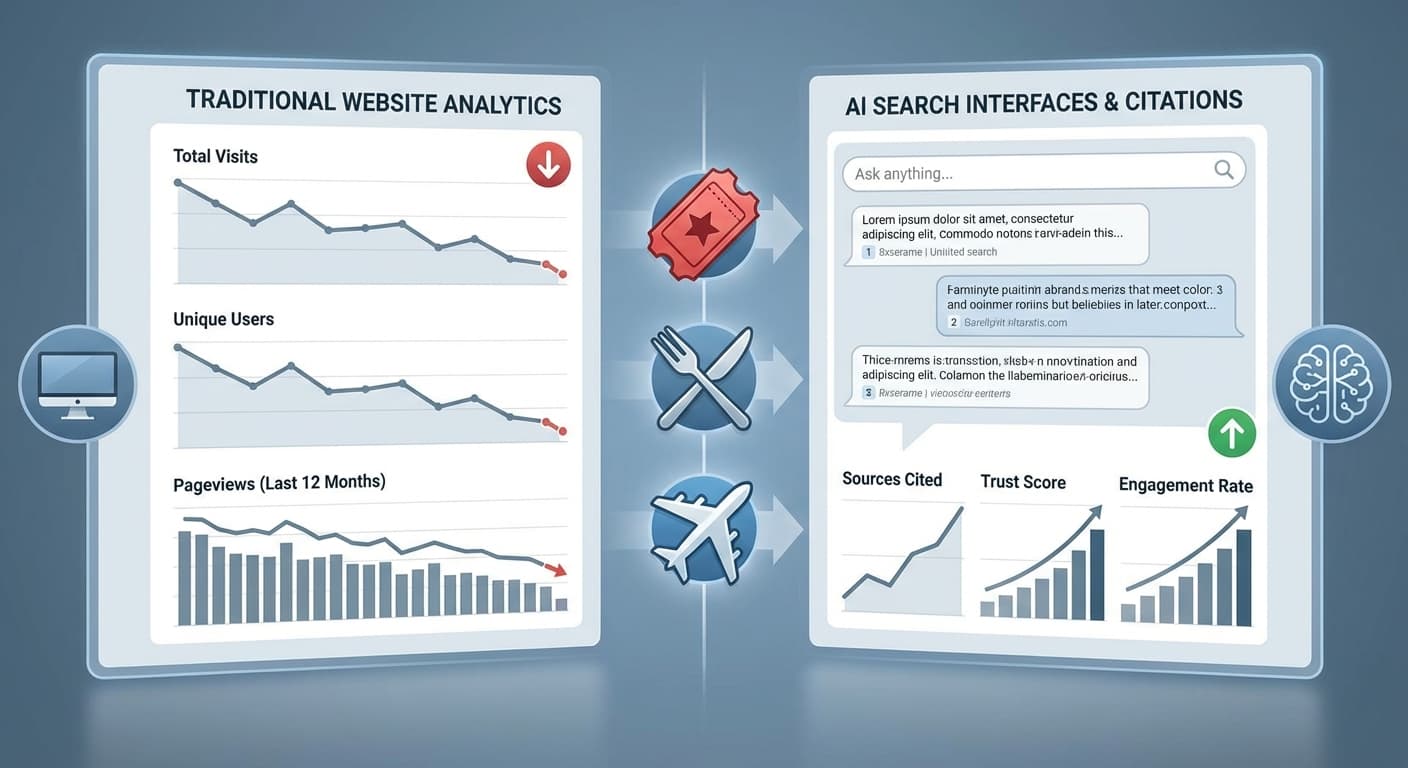
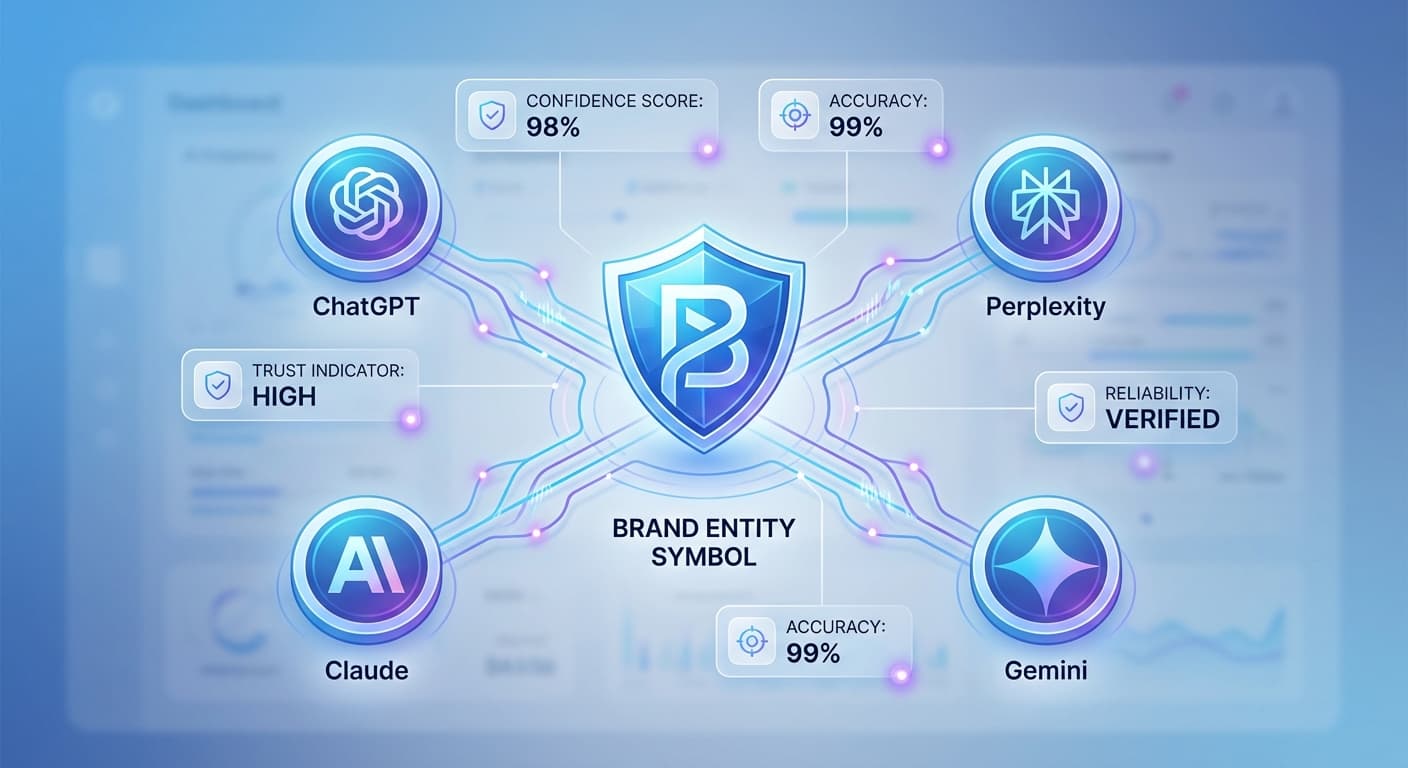
    Here's where the strategy gets interesting. While Google controls your paid search campaigns, you can regain control by dominating AI search results. When ChatGPT, Perplexity, Claude, and Gemini cite your content as authoritative sources, you're building organic visibility that no algorithm can auto-upgrade away.

    Content-First Approach:

  • Create comprehensive resource pages that AI engines prefer to cite

  • Develop FAQ sections that directly answer user queries

  • Build topic clusters around your core business terms

  • Optimize for conversational search patterns
  • Technical Optimization:

  • Structure content with clear headings and bullet points

  • Include relevant statistics and data points

  • Create content that answers follow-up questions

  • Implement schema markup for better AI understanding
  • Proving ROI Without Keyword Data

    The loss of keyword-level data doesn't mean you can't measure campaign success. It just requires a shift in methodology.

    Alternative Attribution Models

    Customer Journey Mapping:

  • Awareness Stage: Track brand search volume increases

  • Consideration Stage: Monitor engagement metrics on key landing pages

  • Decision Stage: Measure conversion rate improvements

  • Retention Stage: Track repeat purchase behavior
  • Business Impact Metrics:

  • Overall revenue growth during AI Max periods

  • Customer acquisition cost (CAC) trends

  • Brand search volume changes

  • Market share improvements

  • Customer lifetime value optimization
  • Advanced Tracking Techniques

    UTM Parameter Strategy:

  • Create granular UTM codes for different AI Max asset combinations

  • Track performance by creative variation

  • Monitor audience segment performance

  • Measure landing page effectiveness
  • Cross-Platform Correlation:

  • Compare AI Max performance with organic search trends

  • Analyze social media engagement during campaign periods

  • Monitor direct traffic increases

  • Track email signup conversions
  • Adapting Your Content Strategy for 2026

    While Google controls your paid campaigns, you can build authority through strategic content that gets cited by AI search engines. This is where many marketers are finding their competitive edge.

    AI-Optimized Content Creation

    Structure for Citations:

  • Lead with clear, definitive statements

  • Include relevant statistics and data points

  • Create scannable content with bullet points and numbered lists

  • Answer common follow-up questions within the same piece
  • Authority Building:

  • Develop comprehensive guides on industry topics

  • Create original research and surveys

  • Build relationships with industry publications

  • Optimize for featured snippets and knowledge panels
  • Building Resilient Traffic Sources

    Smart marketers are diversifying beyond paid search:

    AI Search Optimization:

  • Create content optimized for ChatGPT citations

  • Build authority in Perplexity search results

  • Optimize for Claude and Gemini recommendations

  • Monitor AI search performance metrics
  • Community Building:

  • Develop email lists independent of ad platforms

  • Build social media communities

  • Create valuable resources that drive direct traffic

  • Establish thought leadership through consistent content
  • How Citescope AI Helps Navigate This Transition

    While you're adapting to AI Max limitations, Citescope AI helps you build a more resilient marketing foundation. Our GEO Score analyzes your content across five dimensions—AI Interpretability, Semantic Richness, Conversational Relevance, Structure, and Authority—giving you a clear 0-100 score for optimization potential.

    The AI Rewriter tool restructures your existing content with one click to improve citations in ChatGPT, Perplexity, Claude, and Gemini. Instead of fighting Google's algorithm changes, you're building authority in the AI search engines that are rapidly gaining market share.

    Our Citation Tracker monitors when your content gets referenced by major AI engines, giving you visibility into a traffic source that most marketers aren't even measuring yet. As AI search accounts for over 30% of queries in 2026, this visibility becomes increasingly valuable.

    Building Your Long-Term Strategy

    Quarterly Review Process

    Month 1: Analysis

  • Review AI Max campaign performance

  • Analyze asset-level data

  • Identify top-performing audience signals

  • Document learnings and optimizations
  • Month 2: Optimization

  • Test new creative combinations

  • Adjust audience targeting based on performance

  • Optimize landing pages for better conversion

  • Expand successful campaigns
  • Month 3: Innovation

  • Experiment with new campaign types

  • Test alternative traffic sources

  • Build content assets for long-term authority

  • Plan next quarter's strategy
  • Success Metrics for 2026

    Instead of keyword rankings, focus on:

  • AI Search Citations: How often your content appears in AI search results

  • Brand Authority Metrics: Share of voice in your industry

  • Customer Journey Optimization: Conversion rate improvements across touchpoints

  • Cross-Platform Performance: Holistic view of marketing impact

  • Business Growth Indicators: Revenue, market share, and customer satisfaction
  • Ready to Optimize for AI Search?

    While Google's AI Max migration has disrupted traditional PPC strategies, smart marketers are building more resilient marketing foundations through AI search optimization. Citescope AI helps you navigate this transition by optimizing your content for citations in ChatGPT, Perplexity, Claude, and Gemini—giving you visibility in search engines that Google doesn't control.

    Start with our free tier and get 3 content optimizations to see how AI search visibility can complement your paid strategy. As the marketing landscape continues to evolve, having diverse traffic sources isn't just smart—it's essential for long-term success.
    AI Max campaignsPPC migrationGoogle Ads automationROI measurementAI search optimization

    Track your AI visibility

    See how your content appears across ChatGPT, Perplexity, Claude, and more.

    Start for Free