How to Build an AI Monetization Defense Strategy When Search Platforms Launch Sponsored Citation Placements
How to Build an AI Monetization Defense Strategy When Search Platforms Launch Sponsored Citation Placements
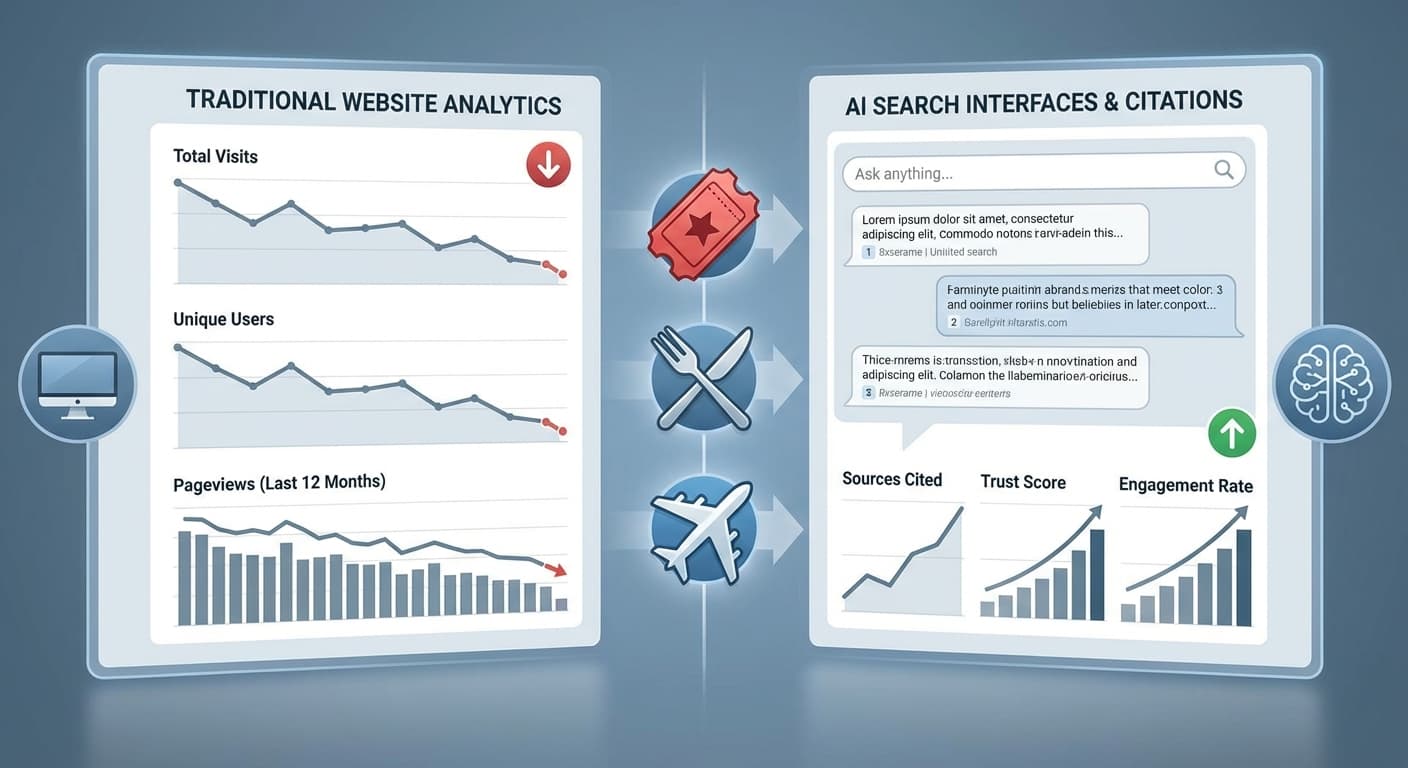
By 2026, AI search engines process over 40% of all search queries globally, with ChatGPT alone handling 850 million weekly searches and Perplexity reaching 150 million monthly active users. But here's the wake-up call: major AI platforms are quietly rolling out sponsored citation placements—paid recommendations that can push your organic brand mentions below competitor ads in AI responses.
If you think traditional SEO competition was fierce, wait until your carefully crafted thought leadership gets buried beneath a competitor's paid citation that appears first in every ChatGPT or Claude response about your industry.
The New Battlefield: Sponsored Citations in AI Search
Unlike traditional search ads that appear in designated spaces, sponsored citations integrate directly into AI-generated responses. When someone asks "What's the best project management software for remote teams?", AI engines can now prioritize paid citations over organic mentions—even if your content originally ranked higher for authority and relevance.
Early beta tests from OpenAI and Anthropic show sponsored citations receiving 3x more click-through engagement than traditional display ads, making them incredibly attractive to competitors willing to outbid for citation placement.
The Hidden Threat to Your Brand Authority
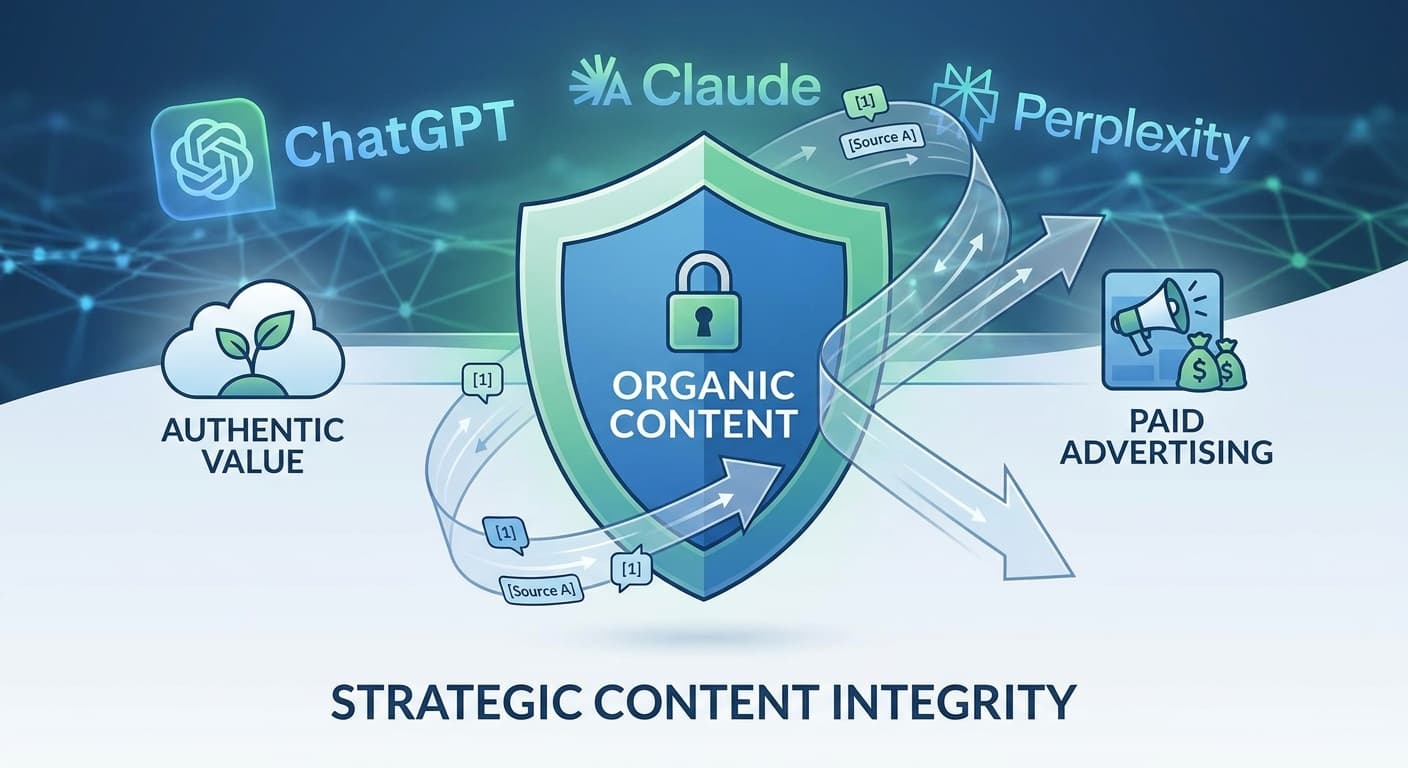
The most dangerous aspect of sponsored citations isn't just lost visibility—it's the erosion of earned authority. When AI engines consistently cite competitors over your brand, they're essentially training millions of users to associate expertise with whoever pays the most, not who provides the best insights.
Consider this scenario: You've spent years building thought leadership in sustainable packaging. Your content gets regularly cited by AI engines when users ask about eco-friendly packaging solutions. Then a competitor launches sponsored citation campaigns, and suddenly their brand appears first in 80% of relevant AI responses, while your organic mentions get pushed to secondary positions.
Building Your AI Monetization Defense Strategy
1. Diversify Your AI Presence Across Platforms
Don't put all your citation eggs in one AI basket. Each platform uses different algorithms and monetization approaches:
Create platform-specific content strategies that maximize organic visibility before sponsored placements dominate each platform.
2. Strengthen Your Content Moats
Build content that's inherently difficult to displace with paid citations:
Original Research and Data
Publish proprietary studies, surveys, and industry reports. AI engines heavily favor unique data sources that competitors can't easily replicate or outbid.
Deep Technical Expertise
Create comprehensive guides that demonstrate clear subject matter authority. The more technically accurate and detailed your content, the harder it becomes for generic sponsored citations to compete.
Real-Time Industry Commentary
Position yourself as the go-to source for breaking industry news and analysis. Sponsored citations work best for evergreen topics—breaking news and timely commentary remain largely organic territory.
3. Optimize for Citation-Resistant Queries
Focus on query types where sponsored citations are less likely to dominate:
4. Build Strategic Citation Networks
Develop relationships with complementary brands and industry publications to create citation networks that sponsored placements can't easily penetrate:
Guest Content Partnerships
Publish expert insights on industry publications that AI engines frequently cite. These third-party mentions carry more weight than self-promotional content.
Collaborative Industry Reports
Participate in multi-company industry studies and reports. Collaborative content often receives preferential treatment in AI citations.
Expert Quote Syndication
Become a go-to expert source for journalists and bloggers. Media citations typically outrank sponsored placements in AI responses.
5. Monitor and Respond to Citation Displacement
Implement systematic monitoring to track when sponsored citations begin displacing your organic mentions:
Regular citation audits help you identify problems before they significantly impact your brand authority.
6. Create Platform-Specific Defense Strategies
ChatGPT Defense: Focus on conversational, problem-solving content that users are likely to follow up on with additional questions. ChatGPT tends to maintain citation consistency within conversation threads.
Perplexity Defense: Ensure your content appears on high-authority websites that Perplexity frequently cites. The platform's real-time web crawling gives preference to established, trusted sources.
Claude Defense: Structure your content with clear headings, bullet points, and logical flow. Claude favors well-organized, comprehensive content that's easy to parse and cite.
Gemini Defense: Leverage Google's traditional SEO best practices while optimizing for AI interpretation. Gemini inherits many of Google's authority signals.
Advanced Defense Tactics
Content Velocity Strategy
Increase your content publishing frequency to maintain citation freshness. AI engines often prefer recent content, so consistent publishing can help you stay ahead of competitors relying solely on sponsored placements.
Semantic Authority Building
Develop comprehensive topic clusters around your core expertise areas. When AI engines recognize you as the authoritative source across multiple related subtopics, it becomes harder for sponsored citations to displace your overall domain authority.
Interactive Content Integration
Create calculators, tools, and interactive resources that provide unique value. AI engines struggle to cite or replace functional tools with sponsored text-based citations.
How Citescope Ai Helps You Stay Ahead
While building manual defense strategies is crucial, you need systematic monitoring and optimization to stay competitive. Citescope Ai's Citation Tracker monitors your brand mentions across ChatGPT, Perplexity, Claude, and Gemini in real-time, alerting you when sponsored citations begin displacing your organic mentions.
The platform's GEO Score analyzes your content across five critical dimensions that AI engines prioritize: AI Interpretability, Semantic Richness, Conversational Relevance, Structure, and Authority. This helps you identify which pieces of content are most vulnerable to sponsored citation displacement and need immediate optimization.
Citescope Ai's AI Rewriter then restructures your content with one-click optimization specifically designed to improve citation resistance and AI visibility, helping you maintain organic prominence even as platforms introduce more sponsored placement options.
Measuring Defense Strategy Success
Track these key metrics to evaluate your defense strategy effectiveness:
The Long-Term View
Sponsored citations represent just the beginning of AI platform monetization. Expect additional changes like premium knowledge partnerships, exclusive data licensing deals, and algorithmic preference for paying partners. The brands that build strong organic citation foundations now will be best positioned to navigate these future challenges.
Invest in creating genuinely valuable, authoritative content that serves user needs better than any sponsored alternative. While sponsored citations can buy temporary visibility, authentic expertise and user value remain the strongest long-term defense against AI monetization displacement.
Ready to Optimize for AI Search?
Don't let sponsored citations erode your hard-earned thought leadership position. Citescope Ai helps you monitor, optimize, and defend your brand's AI visibility across all major search platforms. Start with our free tier to track your first 3 content optimizations, or upgrade to Pro for comprehensive citation monitoring and unlimited AI-optimized content. Try Citescope Ai free today and build your AI monetization defense strategy before your competitors do.