How to Build an AI Optimization Framework for Multi-Platform Visibility When Traditional SEO Tools Can't Track GEO Performance
How to Build an AI Optimization Framework for Multi-Platform Visibility When Traditional SEO Tools Can't Track GEO Performance
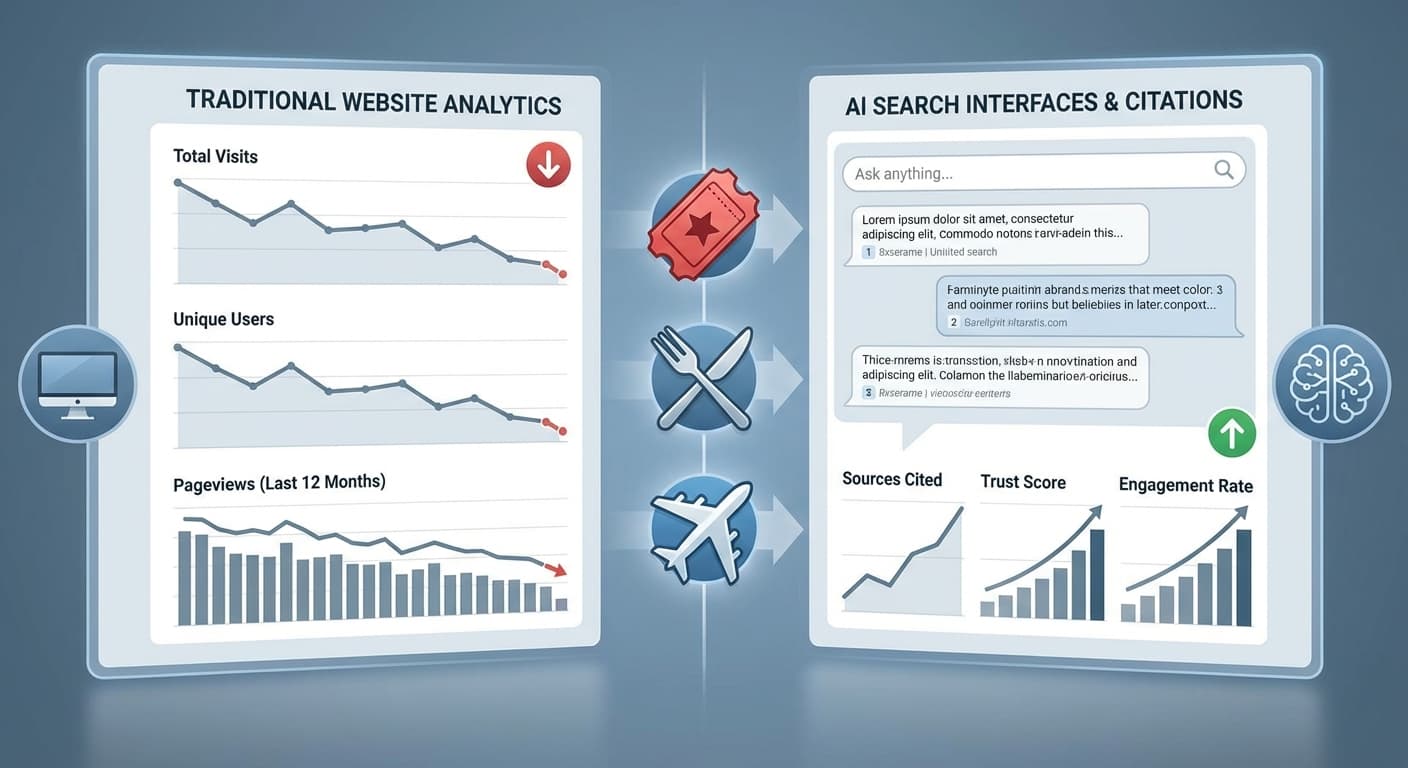
By 2026, AI-powered search has fundamentally shifted how content gets discovered. With over 30% of all search queries now happening through AI engines like ChatGPT, Perplexity, Claude, and Google's AI Overviews, traditional SEO tools have hit a wall. They can track your Google rankings, but what about when ChatGPT cites your content to its 500+ million weekly users?
The reality is stark: while your content might be perfectly optimized for traditional search, it could be completely invisible in the AI search ecosystem that's rapidly becoming the default for Gen Z and millennials. Here's how to build a comprehensive framework that ensures your content performs across all AI platforms.
The AI Search Blind Spot That's Costing You Traffic
Traditional SEO tools like Ahrefs, SEMrush, and Moz were built for a world where Google's algorithm was the primary gatekeeper. But AI search engines operate fundamentally differently:
This means your meticulously optimized blog post might rank #1 on Google but never get mentioned by ChatGPT or Perplexity. The gap is real, and it's growing.
Understanding GEO (Generative Engine Optimization) Performance
GEO differs from traditional SEO in five critical dimensions:
1. AI Interpretability
Your content needs to be easily parsed by AI models. This means:
2. Semantic Richness
AI engines reward content that demonstrates deep understanding:
3. Conversational Relevance
Content should answer the kinds of questions people ask AI:
4. Structural Clarity
AI engines favor well-organized information:
5. Authority Signals
Credibility markers that AI engines recognize:
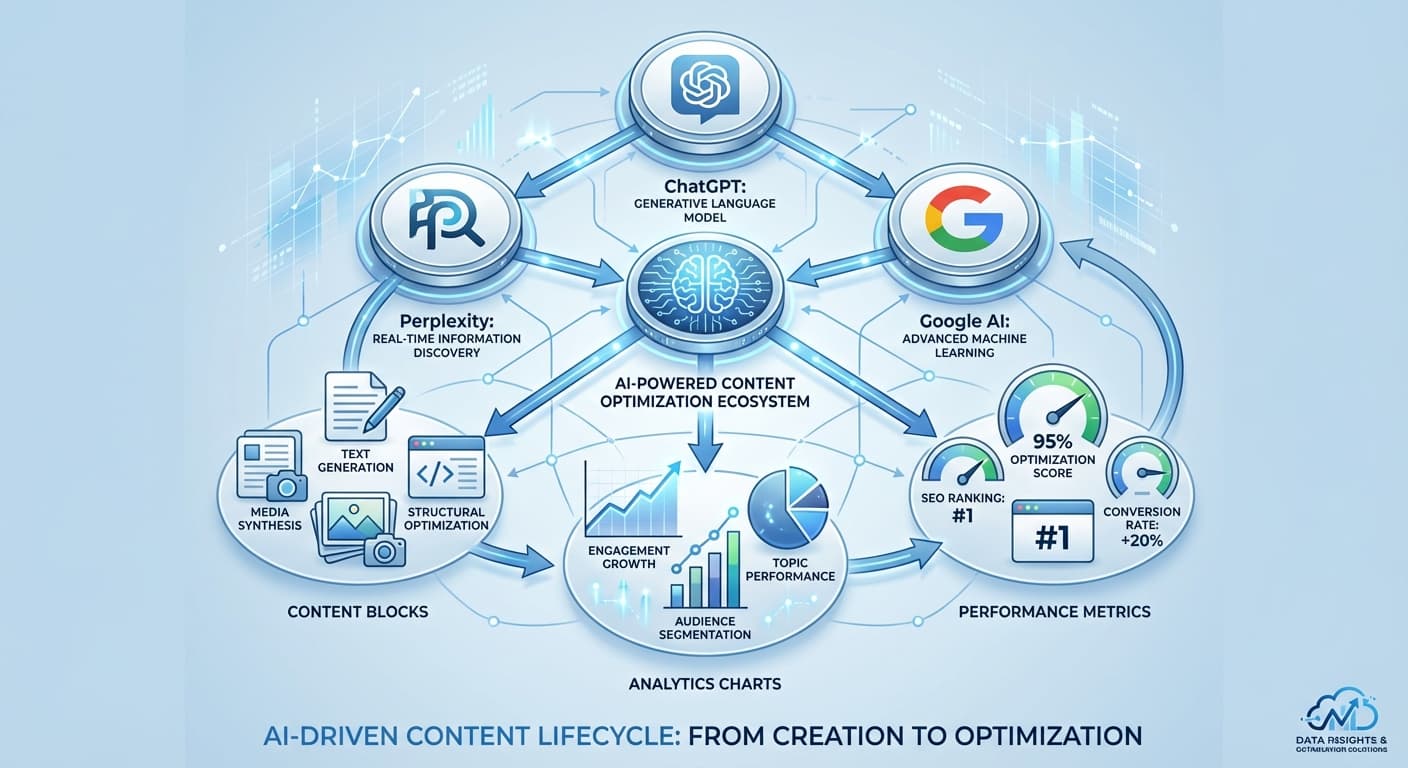
Building Your Multi-Platform AI Optimization Framework
Phase 1: Content Audit and Gap Analysis
Step 1: Inventory Your Current Content
Step 2: AI Visibility Assessment
Step 3: Competitive Intelligence
Phase 2: Content Optimization Strategy
Restructure for AI Comprehension
Enhance Semantic Depth
Optimize for Conversational Queries
Phase 3: Multi-Platform Tracking and Measurement
Traditional analytics can't tell you when ChatGPT cites your content or when Perplexity includes your site in its sources. You need specialized tracking that monitors:
Without this visibility, you're optimizing blind, making changes without understanding their impact on AI search performance.
Phase 4: Continuous Optimization Loop
Weekly Monitoring
Monthly Analysis
Quarterly Strategy Review
Content Formats That Perform Best in AI Search
Based on 2025-2026 data analysis, certain content formats consistently achieve higher citation rates:
High-Performing Formats
Optimization Techniques for Each Format
Common Framework Implementation Mistakes
Over-Optimization for Single Platforms
Many marketers focus exclusively on ChatGPT or Perplexity, missing opportunities on other platforms. Each AI engine has unique preferences and citation patterns.
Neglecting Technical Implementation
AI engines need clean, accessible content. Poor site speed, broken links, and technical issues can prevent AI crawling and citation.
Ignoring E-A-T Signals
Expertise, Authority, and Trust remain crucial. AI engines are increasingly sophisticated at recognizing and preferring authoritative sources.
Inconsistent Tracking and Analysis
Without systematic monitoring, it's impossible to understand what's working and what isn't. Manual checking is insufficient at scale.
How Citescope Ai Helps
Building an effective AI optimization framework requires specialized tools that traditional SEO platforms can't provide. Citescope Ai addresses this gap with:
GEO Score Analysis: Get instant visibility into how well your content performs across all five optimization dimensions, with a clear 0-100 score that benchmarks against top-performing content in AI search.
Multi-Platform Citation Tracking: Monitor when your content gets cited by ChatGPT, Perplexity, Claude, and Gemini in real-time, giving you the visibility traditional tools can't provide.
AI-Powered Content Optimization: The AI Rewriter feature restructures your existing content with one click, implementing best practices for AI visibility while maintaining your brand voice and key messages.
Competitive Intelligence: See which sources dominate AI citations in your space and identify content gaps where you can capture more AI search visibility.
Measuring Success: KPIs for AI Optimization
Track these metrics to evaluate your framework's effectiveness:
Primary Metrics
Secondary Metrics
Future-Proofing Your Framework
The AI search landscape evolves rapidly. Build flexibility into your framework:
Ready to Optimize for AI Search?
Building an effective AI optimization framework doesn't have to be overwhelming. Citescope Ai provides the specialized tools and insights you need to track and improve your content's performance across ChatGPT, Perplexity, Claude, and other AI search engines.
Start with our free tier to analyze up to 3 pieces of content per month and see how your current content performs in the AI search ecosystem. Get your GEO score, identify optimization opportunities, and start building visibility in the search channels that matter most to your audience.
Try Citescope Ai free today and stop flying blind in the age of AI search.